
 Save 15% on your 1st Autoship learn more

 Email us
 Live Chat
 FAQs





Introduction
You notice your dog scratching at their side again. Their coat looks a bit dull. Maybe their digestion has been inconsistent lately too. It is frustrating to see your best friend uncomfortable when you are doing your best to care for them. At BaxterBoo, we know that the right bowl of food is often the first step toward a healthier, happier life. Many owners are now seeking recipes that combine omega-3 fatty acids and probiotics to tackle these issues from the inside out. This post covers why these two nutrients are a powerhouse duo for your dog. You will learn how they support the skin, gut, and immune system in tandem. We will guide you through choosing a diet that helps your dog thrive.
Quick Answer: Omega-3 fatty acids reduce systemic inflammation to support skin and joint health. Probiotics introduce beneficial bacteria to the gut to improve digestion and immune function. Together, they provide a balanced approach to long-term canine wellness.
Understanding the Powerhouse Duo
Omega-3 fatty acids and probiotics serve different roles, but they work toward the same goal. They both aim to keep your dog's internal systems in balance. Omega-3s are healthy fats that your dog cannot produce on their own. They must come from the diet. Probiotics are live, beneficial bacteria that live in the digestive tract.
When these two are present in dog food, they create a comprehensive health profile. The fats handle inflammation while the bacteria handle the microbiome. This combination is especially helpful for dogs with sensitive systems. It addresses both the physical barrier of the skin and the internal barrier of the gut.
The Science of Omega-3
There are three main types of omega-3 fatty acids. These are Alpha-linolenic acid (ALA), Eicosapentaenoic acid (EPA), and Docosahexaenoic acid (DHA). ALA usually comes from plant sources like flaxseed. EPA and DHA come from marine sources like salmon or sardines.
Dogs are not very good at converting ALA into EPA or DHA. This is why marine-sourced omega-3s are often considered superior in dog food. They provide the active nutrients directly. These fats are built into the membranes of every cell in your dog's body. They keep those membranes fluid and healthy.
The Role of Probiotics
Probiotics are often measured in Colony Forming Units (CFUs). This number tells you how many active bacteria are in a serving of food. In the gut, these "good" bacteria compete with "bad" bacteria for space and resources.
A healthy gut microbiome does more than just firm up stools. It is actually responsible for a large portion of your dog's immune system. When the gut is populated with the right bacteria, your dog is better equipped to fight off environmental stressors.
Dog Food With Omega-3 and Probiotics








Benefits for Skin and Coat Health
The most visible sign of a healthy dog is a shiny, soft coat. If your dog has dry, flaky skin or a coat that feels like straw, they might be lacking essential fats. Omega-3 fatty acids act as a natural moisturizer from the inside. They help maintain the skin's moisture barrier.
This barrier is crucial for dogs with seasonal allergies. When the skin is healthy and hydrated, it is harder for allergens like pollen or mold to penetrate and cause an itch. Omega-3s also reduce the production of inflammatory chemicals in the body. This helps calm down the redness and irritation associated with "hot spots" or constant licking. Explore our dog skin and coat care category for additional options.
Improving Coat Sheen
A dull coat often indicates that the hair follicles are not getting the nutrients they need. Fatty acids help the body produce sebum. This is the natural oil that gives a coat its luster. Within a few weeks of eating a food rich in omega-3s, you will likely notice a significant change in how your dog feels when you pet them.
Reducing Excessive Shedding
While all dogs shed, excessive shedding can sometimes be linked to skin irritation. If the skin is healthy, the hair stays rooted longer. By providing a steady supply of EPA and DHA, you support the entire lifecycle of the hair follicle. This leads to a thicker, healthier coat.
Key Takeaway: Omega-3 fatty acids are the foundation of skin health. They reduce the itch-scratch cycle by calming inflammation and strengthening the skin's natural moisture barrier.
Digestive Support and the Gut Microbiome
If your dog often has gas or occasional diarrhea, their gut might be out of balance. This is where probiotics come in. They help break down food and absorb nutrients more efficiently. When a dog food includes probiotics, it means the food is working with your dog's biology to simplify digestion.
Many premium brands we carry, like NutriSource, focus heavily on this gut-skin connection. They include specific probiotic strains that are hardy enough to survive the manufacturing process. This ensures that the beneficial bacteria actually reach your dog's digestive tract alive. For more ideas, browse our dog food category.
Managing Sensitive Stomachs
Dogs with sensitive stomachs often struggle with transitions or new proteins. Probiotics provide a level of stability. They help the gut recover more quickly from dietary indiscretions or stress. If you have a dog that seems to get an upset stomach easily, a food with added probiotics can be a steadying force.
The Role of Prebiotics
You might also see "prebiotics" on a bag of dog food. Think of prebiotics as the fuel for probiotics. They are usually fibers, like chicory root or beet pulp, that the beneficial bacteria eat. A good dog food will include both. This ensures the probiotics have the energy they need to colonize the gut and do their job.
Joint Health and Mobility
As dogs age, joint stiffness becomes a common concern. Inflammation is the primary driver of joint pain. Omega-3 fatty acids are famous for their anti-inflammatory properties. They can help reduce the swelling in the joints that makes it hard for senior dogs to get up in the morning. You can also explore our dog healthcare selection for mobility-support products.
For senior dogs, look for foods that have higher levels of EPA. This specific fatty acid has been shown to interfere with the enzymes that break down joint cartilage. It is not just for seniors, though. Large breed puppies can also benefit from these fats to support healthy growth and development.
Supporting Active Dogs
If you have a high-energy dog that loves hiking or agility, their joints take a lot of impact. Omega-3s help with recovery. They reduce the muscle soreness that follows a long day of exercise. This keeps your dog ready for the next adventure without the lingering stiffness.
Combining Nutrition and Mobility Aids
Sometimes food alone is not enough for advanced joint issues. In our Medical and Mobility section, we offer various braces and aids that work alongside a healthy diet. For dogs with diagnosed arthritis, your vet might even recommend a prescription strength joint diet. Read more in our guide to pet joint health.
Vet Tip: If your dog is struggling to stand or limping regularly, consult your veterinarian. While omega-3s support joint health, these symptoms may require a specific diagnosis and FDA-approved medication from a pharmacy.
Brain Development and Cognitive Function
DHA is a specific type of omega-3 that is vital for the brain. It makes up a large part of the brain's gray matter and the retina in the eye. This is why DHA is almost always included in high-quality puppy foods. It helps puppies learn faster and improves their vision.
The benefits do not stop after puppyhood. In senior dogs, DHA can help manage cognitive decline. It keeps the brain "pliable" and may help with memory and alertness. If your senior dog seems a bit confused or is sleeping more than usual, increasing their intake of DHA might provide some mental clarity.
Training and Learning
A dog that can focus is a dog that can learn. Because DHA supports neural pathways, it can actually make training sessions more productive. When the brain is getting the healthy fats it needs, your dog can process your commands and stay engaged for longer periods.
How to Read a Dog Food Label
Finding a food with these nutrients requires a bit of detective work. Manufacturers often put "With Omega-3" on the front of the bag, but you must check the back for the details.
- Look for specific sources: Look for "Salmon Oil," "Menhaden Fish Meal," or "Sardine Oil" rather than generic "Vegetable Oil" or "Animal Fat."
- Check the Guaranteed Analysis: This table tells you the minimum amount of omega-3 and omega-6 in the food.
- Identify the strains: Look for specific probiotic names like Enterococcus faecium or Lactobacillus acidophilus in the ingredient list.
- Check the "Best By" date: Probiotics are live organisms. They lose potency over time, so you want the freshest bag possible.
The Omega-6 to Omega-3 Ratio
Most dog foods are very high in omega-6 fatty acids because they use a lot of poultry fat and grain. While omega-6 is necessary, too much of it can actually increase inflammation. A high-quality food will try to bring that ratio closer together by adding more omega-3s.
Processing Matters
Probiotics and omega-3s are sensitive to heat. In standard kibble, they are often added after the cooking process. This is called "enrobing" or "coating." It protects the nutrients from the high temperatures used to make the biscuits. Brands that take this extra step show a commitment to ingredient integrity.
Top Brands for Omega-3 and Probiotics
At BaxterBoo, we carefully select the brands we carry to ensure they meet high standards for nutrition. Several of our favorite brands specialize in the combination of healthy fats and gut support.
NutriSource
NutriSource uses a system called "Good 4 Life." This includes a specific blend of probiotics and prebiotics designed to support gut health and stop odors. Their recipes, especially the grain-free seafood options, are excellent sources of omega-3s.
Open Farm
Open Farm is known for transparency and high-quality sourcing. Their wild-caught salmon recipes are packed with naturally occurring EPA and DHA. They also include chicory root and other fibers to support the natural bacteria in your dog's digestive system.
Farmina
Farmina Vet Life and their N&D lines focus on ancestral diets. They use high-quality fish oils and ensure that their probiotics are stable. They are a great choice for owners who want a scientifically formulated diet that mimics what a dog might eat in the wild.
Stella and Chewy's
For those who prefer raw or freeze-dried options, Stella and Chewy's often includes probiotics in their coatings. Raw diets are naturally rich in many nutrients, and their fish-based patties are an excellent way to get high levels of omega-3s into a picky eater.
Transitioning to a New Food
When you find a food with the right balance of omegas and probiotics, do not switch all at once. Even though probiotics help digestion, a sudden change in protein or fat levels can still cause an upset stomach. For additional guidance, read our dog food transition advice.
Step 1: Mix 25 percent of the new food with 75 percent of the old food. Do this for two to three days.
Step 2: Move to a 50/50 mix for another three days. Watch your dog's stool consistency during this time.
Step 3: Increase to 75 percent new food and 25 percent old food for the final three days.
Step 4: Feed 100 percent of the new food.
If at any point your dog develops diarrhea or starts vomiting, slow down the process. Some dogs with very sensitive stomachs may need two weeks to fully transition.
When to Use Supplements Instead
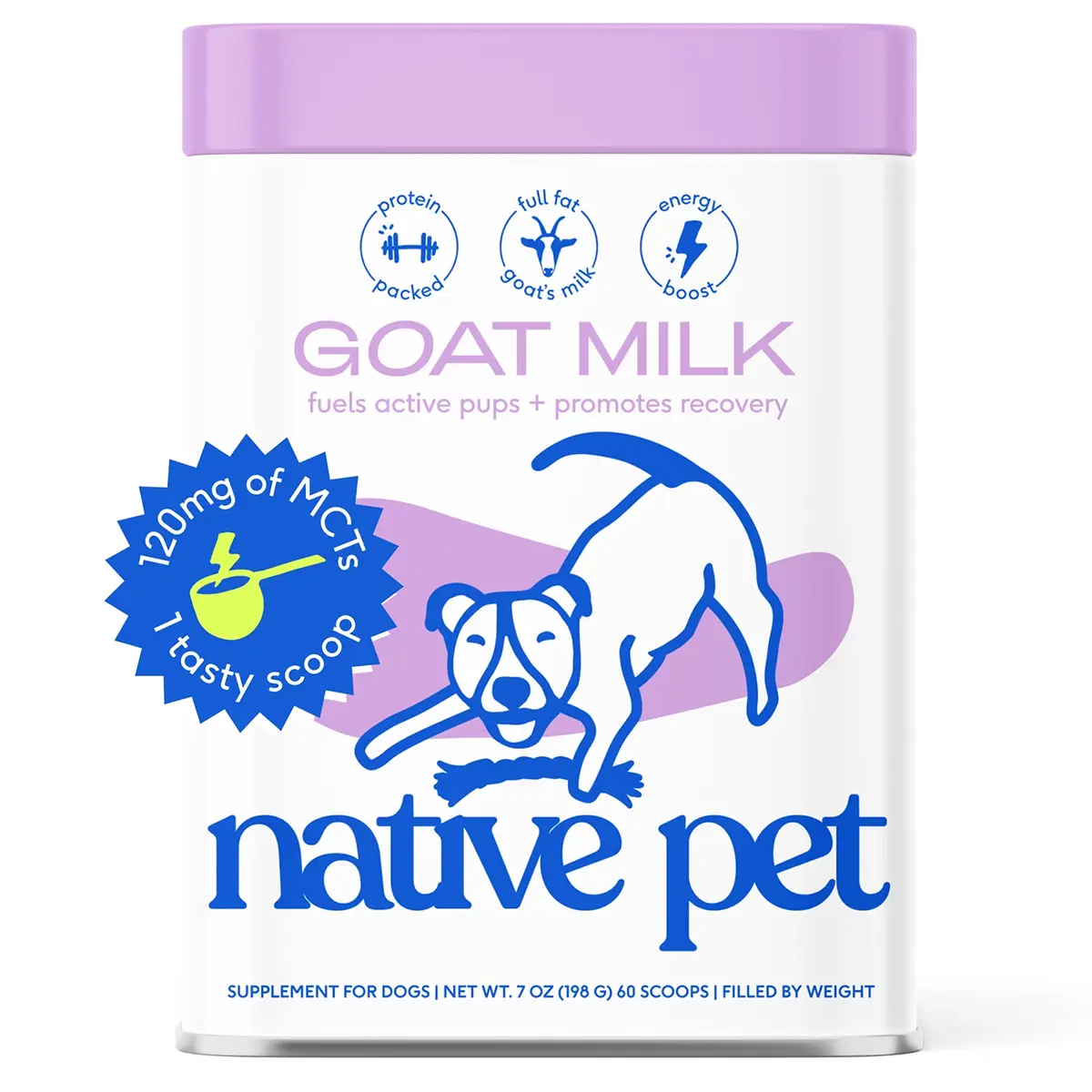
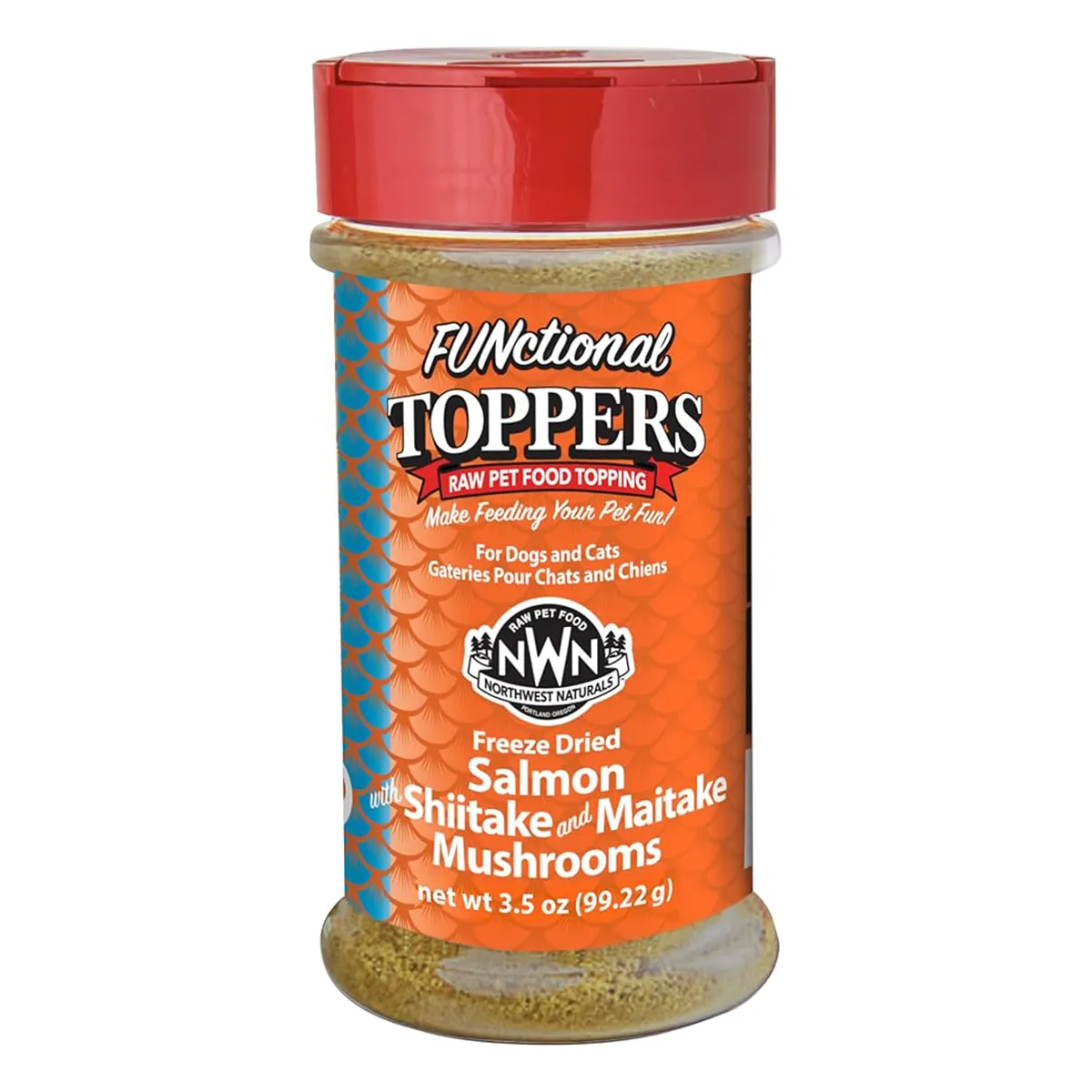
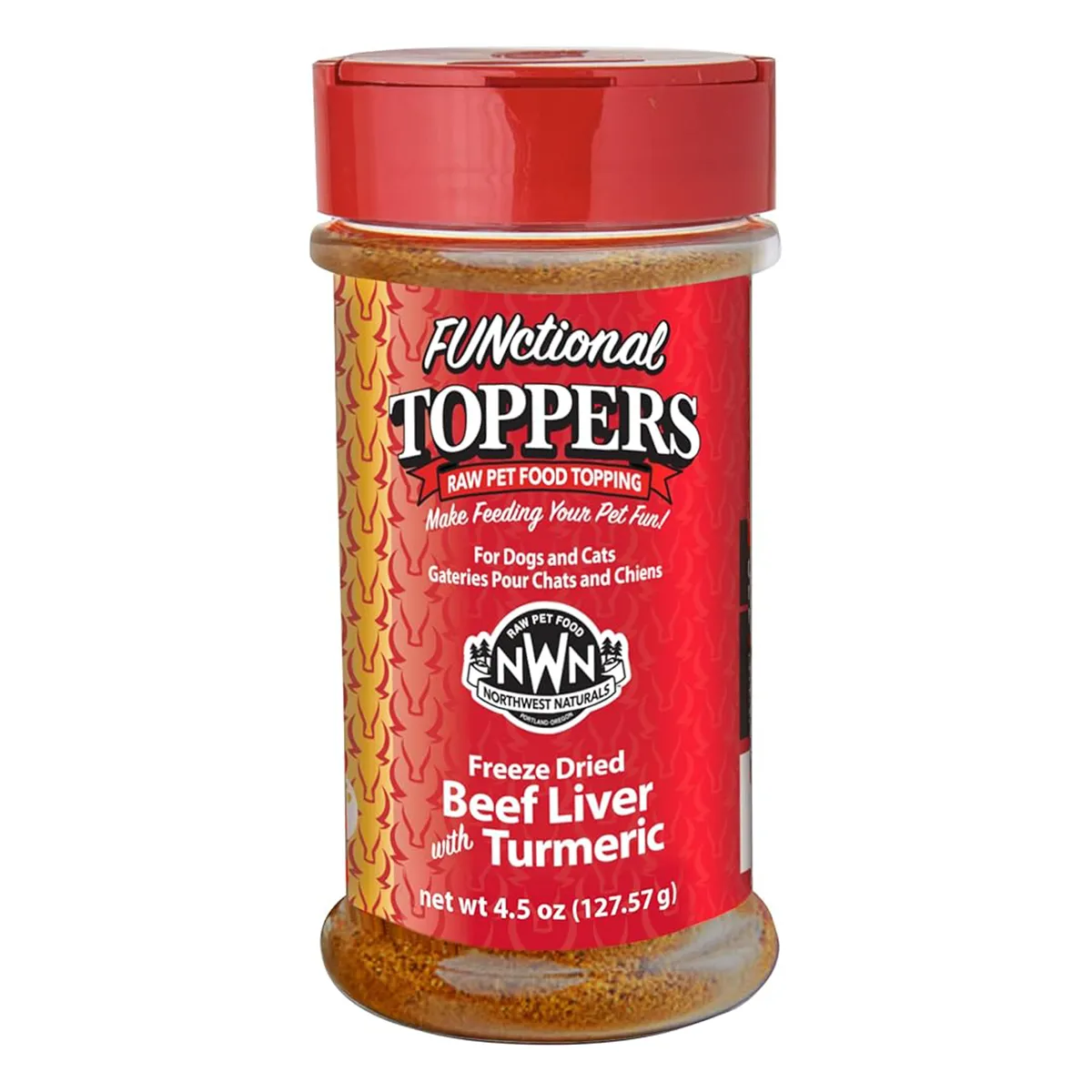
Sometimes your dog's favorite food does not have quite enough omega-3s or probiotics. Or perhaps your dog has a specific health condition that requires a higher dose. In these cases, supplements are a great addition. See our pet supplement guide for help comparing common supplement types.
We carry a variety of supplements from trusted brands like Zesty Paws and Honest Paws. These come in chews, powders, or liquids. Fish oil pumps are a popular way to add omega-3s directly to the bowl. Just be careful with dosage. Too much fish oil can lead to loose stools or weight gain, as it is still a fat.
Liquid Fish Oil Tips
If you use a liquid fish oil, keep it in the refrigerator. These oils can go rancid quickly when exposed to air and heat. If the oil smells overly "fishy" or sour, it has likely oxidized and should be tossed.
Probiotic Powders
Powders are often the most potent form of probiotics. They are easy to sprinkle over wet or dry food. They are especially useful if your dog is currently taking antibiotics, as those medications kill both good and bad bacteria in the gut.
The BaxterBoo Pharmacy and Prescription Diets
There are times when over-the-counter food is not enough. If your dog suffers from severe inflammatory bowel disease, chronic kidney issues, or intense skin allergies, they may need a prescription diet. These diets are formulated with therapeutic levels of nutrients that are not available in standard retail food.
Through our partnership with Pet's Choice, we offer a full-service pharmacy. This allows you to order FDA-approved prescription pet foods like Farmina Vet Life or Royal Canin Veterinary Diet. These foods often contain very high levels of purified omega-3s to manage specific medical conditions. Browse our pet pharmacy for available prescription options.
Our pharmacy makes it easy to keep your dog on their required regimen. You can upload your prescription online, and we handle the rest. This ensures your dog gets the exact nutrition your vet has ordered, delivered right to your door.
Vet Tip: Prescription diets are considered a medical treatment. Never start a prescription food without a direct recommendation and a valid prescription from your veterinarian, as these foods are formulated for very specific internal chemistry.
Identifying Signs of Deficiency
How do you know if your dog actually needs more of these nutrients? The signs can be subtle at first.
- Dull, brittle hair: The coat breaks easily or lacks a shine.
- Frequent "hot spots": Red, itchy patches of skin that the dog wont leave alone.
- Slow wound healing: Small scratches take a long time to scab over.
- Chronic ear infections: Sometimes linked to systemic inflammation or allergies.
- Irregular bowel movements: Stools that are frequently soft or contain mucus.
- Joint stiffness: Reluctance to jump onto the couch or go up stairs.
If you notice several of these signs, a change in diet is worth discussing with your vet. They can help determine if the issue is nutritional or if there is an underlying medical condition.
Storing Your Dog Food Properly
To keep the omega-3s and probiotics effective, you must store the food correctly. Oxygen and light are the enemies of these nutrients.
- Keep it in the original bag: Dog food bags are designed to keep out moisture and air.
- Seal it tight: Use a bag clip or move the entire bag into an airtight container.
- Cool and dry: Store the food in a pantry rather than a garage or laundry room where temperatures fluctuate.
- Buy for the month: Do not buy a massive bag that will take three months to finish. The longer the bag is open, the more the nutrients degrade.
Why Freshness Matters
Probiotics are living organisms. Over time, their numbers naturally dwindle. By the time a bag has been open for six weeks, the probiotic count may be significantly lower than it was on day one. Smaller bags or our Autoship programme can help ensure you always have a fresh supply.
Maximizing Value with BaxterBoo Programs
Caring for a dog's health can be an investment. We want to make it easier for you to provide the best nutrition without breaking your budget.
Our Autoship program is a great way to save. You get a discount on your first order and a free MVP Gold membership. This ensures you never run out of your dog's favorite omega-rich food. Plus, you will earn points through the MVP Rewards programme on every purchase. These points can be redeemed for future discounts on food, treats, or gear.
If you prefer to see the products in person, you can always visit our warehouse in Vernon Hills, Illinois. We love meeting our customers and their pets. Whether you shop online or in-store, we are here to help you navigate the many choices available for your dog's health.
Bottom line: Choosing a dog food with omega-3 and probiotics is a proactive way to manage skin, joint, and digestive health through daily nutrition.
Summary of Benefits
By choosing a food with these targeted nutrients, you are supporting your dog's body at a cellular level. It is a long-term strategy for wellness.
- Skin: Fewer itches and a stronger moisture barrier.
- Coat: More shine and less excessive shedding.
- Gut: Better nutrient absorption and consistent stools.
- Immune System: A more robust defense against environmental stressors.
- Joints: Reduced inflammation and improved daily mobility.
Investing in high-quality nutrition now can lead to fewer vet visits for skin and digestive issues later. It is one of the most impactful choices you can make as a pet parent.
FAQ
Can I give my dog human omega-3 supplements instead of buying specific dog food?
While human fish oil is generally safe, it is not always ideal because the concentration of EPA and DHA might be different than what a dog needs. Some human supplements also contain flavors or sweeteners like xylitol that are toxic to dogs. It is always safer to use products specifically formulated for canine biology to ensure the correct dosage and safety.
How long does it take to see a difference in my dog's coat?
Skin and coat changes are not overnight. It usually takes about four to six weeks of consistent feeding to see a visible change in coat sheen and skin health. This is because it takes time for the new, nutrient-rich hair to grow in and for the skin cells to turn over.
Are probiotics safe for all dogs?
Most dogs benefit from probiotics, but dogs with severely compromised immune systems or those undergoing certain medical treatments should consult a vet first. In some rare cases, introducing new bacteria can cause temporary gas or bloating as the gut microbiome adjusts. Always start with a slow transition to minimize these effects.
Does the cooking process kill the probiotics in kibble?
High heat used in traditional kibble manufacturing can kill many probiotic strains. That is why reputable brands add the probiotics after the cooking and cooling process. When shopping, look for brands that specifically mention "guaranteed live cultures" or "protected probiotics" to ensure your dog is actually getting the benefits.




- Site & Contents BaxterBoo.com. BaxterBoo is located in the United States.
- Privacy & Security
- Terms of Use
- Accessibility Statement
