Save 15% on your 1st Autoship learn more

 Email us
 Live Chat
 FAQs
FAQs





Introduction
You are finishing your evening walk when you notice your dog's stool is softer than usual for the third day in a row. Or perhaps you are sitting on the couch and a familiar, unpleasant odor tells you your pup is struggling with gas again. These moments are common for many pet owners. At BaxterBoo, we understand that a dog's digestive system is the foundation of their overall health. Choosing dog food with probiotics in it can be a simple way to support a sensitive stomach and strengthen the immune system. This article covers how these beneficial bacteria work, what strains to look for on a label, and when a prescription diet might be the better choice. A healthy gut leads to a happier, more energetic companion.
Understanding the Canine Microbiome
Your dog's gut is home to billions of microscopic organisms. This ecosystem is known as the microbiome. It consists of both helpful and potentially harmful bacteria. When the balance is right, your dog digests food efficiently and absorbs the nutrients they need. When the balance shifts, you might see signs like bloating, irregular stools, or even skin issues.
Probiotics are the "good" bacteria that help maintain this balance. They work by populating the digestive tract and crowding out the harmful microbes. This process does more than just stop gas. A balanced gut helps manage inflammation and supports the metabolic processes that keep your dog at a healthy weight.
Quick Answer: Dog food with probiotics contains live, beneficial bacteria that support digestion and immune health. These formulas help balance the gut microbiome, which can reduce gas, firm up stools, and improve nutrient absorption.
Why Your Dog Needs Probiotic Support
Many factors can throw a dog's internal balance out of alignment. Antibiotics are a common culprit. While these medications are necessary to kill infections, they do not distinguish between good and bad bacteria. They often wipe out the beneficial microbes, leading to the "antibiotic diarrhea" many owners recognize.
Stress is another major factor. Moving to a new home, boarding at a kennel, or even a loud thunderstorm can cause digestive upset. In these situations, the "bad" bacteria can quickly multiply. Providing a diet already fortified with probiotics ensures that the gut has a constant supply of reinforcements to handle these stressful events.
The Most Common Probiotic Strains in Dog Food
Not all bacteria are the same. When you look at a bag of dog food with probiotics in it, you will likely see a list of scientific names. Understanding what these strains do can help you choose the right recipe for your pup.
Lactobacillus Acidophilus
This is perhaps the most well known strain. It lives primarily in the small intestine. It helps maintain the integrity of the intestinal wall, which is vital for preventing "leaky gut" issues. It is also highly effective at improving stool quality and frequency.
Enterococcus Faecium
This strain is particularly hardy. It can survive the acidic environment of the stomach to reach the intestines where it is needed most. It is often used to help dogs recover from diarrhea and is a staple in many high quality digestive care formulas.
Bifidobacterium Animalis
If your dog suffers from acute digestive distress or frequent loose stools, this strain is often the hero. It has been shown in various studies to reduce the time it takes for a dog to recover from a bout of diarrhea.
Bacillus Coagulans
This is a spore forming bacterium. Because it creates a protective spore, it is incredibly resistant to heat and pressure. This makes it an excellent choice for dry kibble, as it is more likely to stay alive through the manufacturing process and while sitting in your pantry.
Key Takeaway: Look for specific strain names like Lactobacillus and Enterococcus on the ingredient list. High quality brands will also list the number of Colony Forming Units (CFUs) to guarantee the bacteria are active.
Decoding the Dog Food Label
When shopping for dog food with probiotics in it, the ingredient list is your best tool. However, you need to look beyond just the presence of bacteria. You also need to look for a guarantee of viability.
Look for a statement that mentions "guaranteed live cultures" or "active microorganisms." Probiotics are living things. If they die before your dog eats the food, they lose their effectiveness. Manufacturers of premium brands often apply these bacteria after the cooking process is finished. This protects the delicate microbes from the high heat of the extrusion process.
You should also check for the CFU count. CFUs tell you how many live bacteria are in each pound or cup of food. For daily maintenance, look for counts in the millions. If your dog has specific health concerns, your vet might recommend a higher concentration. For another perspective on choosing food for digestive issues, read our guide to dog food for sensitive stomachs.
The Role of Prebiotics
Probiotics cannot do the job alone. They need food to survive and thrive. This is where prebiotics come in. Prebiotics are types of non-digestible fiber that act as a fertilizer for the good bacteria in the gut.
Common prebiotic sources in dog food include:
- Chicory root
- Inulin
- Beet pulp
- Flaxseed
- Raw legumes
When a dog food contains both prebiotics and probiotics, it is often called a symbiotic formula. This combination ensures the probiotics have a "packed lunch" when they enter the digestive system. This helps them colonize the gut more effectively. You can also compare probiotic and prebiotic digestive products for additional options.
Benefits Beyond the Bowl
While we often focus on digestion, the benefits of dog food with probiotics in it extend to the entire body. The gut is actually the largest immune organ in your dog's body. Roughly 70% of their immune cells reside in the digestive tract.
Skin and Coat Health
There is a strong connection between gut health and skin health. Dogs with a balanced microbiome often have fewer issues with itchy skin, hot spots, and chronic ear infections. By reducing internal inflammation, probiotics help keep the skin barrier strong and the coat shiny.
Behavior and Anxiety
Recent research has highlighted the "gut brain axis." This is the communication line between the digestive system and the brain. Certain probiotic strains, such as Bifidobacterium longum, have been shown to help calm anxious dogs. A healthy gut can lead to a more relaxed and less reactive pet.
Oral Health and Breath
Bad breath is often a sign of an imbalance in the mouth or the stomach. Helpful bacteria can inhibit the growth of the microbes that cause plaque and foul odors. While it is not a substitute for brushing, a probiotic diet can certainly help freshen your dog's breath.
Vet Tip: If your dog has chronic skin allergies or persistent anxiety, ask your veterinarian if a probiotic focused diet might be a helpful part of their management plan. They can help you determine if the issues are related to gut health.
When to Consider a Pharmacy Solution
Sometimes, over the counter dog food is not enough. If your dog suffers from chronic conditions like Inflammatory Bowel Disease (IBD), severe food allergies, or recurring pancreatitis, they may need a specialized diet. These conditions often require a higher concentration of specific strains or a hydrolyzed protein base that is only available through a prescription.
Our pharmacy carries a wide range of FDA-approved prescription pet foods and medications through our partnership with Pet's Choice. These diets are formulated under strict clinical guidelines to manage specific health crises. If your vet provides a prescription for a digestive care diet, our dog pharmacy can help you get it delivered right to your door. This ensures your dog gets the targeted support they need for their specific medical condition.
Manufacturing Challenges and Freshness
One of the biggest hurdles for dog food with probiotics in it is shelf life. Bacteria are sensitive to air, moisture, and temperature. Once a bag of food is opened, the clock starts ticking for the live cultures inside.
To keep the probiotics active, follow these storage tips:
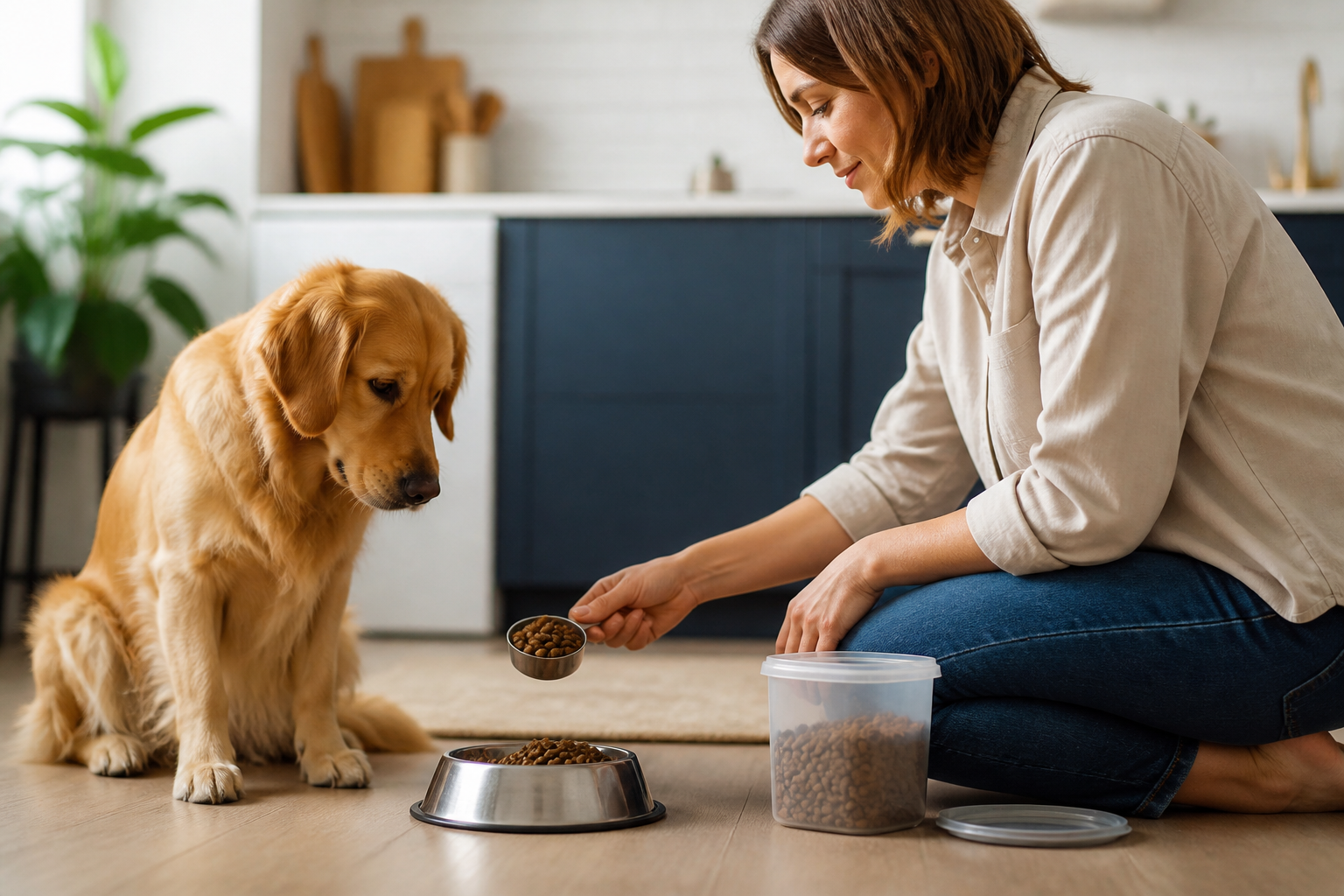
- Keep the food in its original bag and place the entire bag in an airtight container.
- Store the container in a cool, dry place, away from direct sunlight.
- Avoid buying bags that are too large for your dog to finish within six weeks.
- Never store dog food in a garage or shed where temperatures fluctuate wildly.
If you notice the food has a sour smell or if your dog suddenly refuses to eat it, the probiotics or the fats in the food may have spoiled. Freshness is key to ensuring your dog actually gets the health benefits listed on the bag. For more information about storage and loose stools, read how dry food can affect diarrhea in dogs.
Transitioning Your Dog to a Probiotic Diet
Even though probiotics are healthy, a sudden change in diet can still cause an upset stomach. It is important to introduce any new food slowly. This gives the existing gut bacteria time to adjust to the new ingredients and the new microbial strains.
Step 1: Mix 25% of the new probiotic food with 75% of the old food. / Do this for two to three days while watching for any changes in stool or energy.
Step 2: Increase the mix to 50% new food and 50% old food. / Maintain this for another three days to ensure your dog is comfortable.
Step 3: Move to 75% new food and 25% old food. / Use this ratio for the final few days of the transition.
Step 4: Transition to 100% of the new probiotic food. / If you notice gas or loose stools at any point, go back a step and slow down.
Bottom line: A slow transition over 7 to 10 days is the best way to avoid the very digestive upset you are trying to prevent.
Signs the Probiotics Are Working
How do you know if the switch to dog food with probiotics in it was worth it? You likely will not see a change overnight. It usually takes two to four weeks for the microbiome to stabilize and for visible improvements to appear.
Keep an eye out for these positive signs:
- Stools are consistent, firm, and easier to pick up.
- A reduction in flatulence and "tummy grumbling."
- Increased energy levels and interest in play.
- A shinier coat and less frequent scratching.
- Better overall appetite and less pickiness.
If you do not see improvements after a month, or if your dog's symptoms worsen, it is time for a veterinary visit. There may be an underlying issue like parasites or a food intolerance that probiotics alone cannot fix.
Comparing Probiotic Foods vs. Supplements
You might wonder if you should buy dog food with probiotics in it or just add a powder or chew to their current meal. Both options have benefits. Food based probiotics are convenient and ensure your dog gets a consistent dose with every meal. They are also usually more cost effective for long term maintenance.
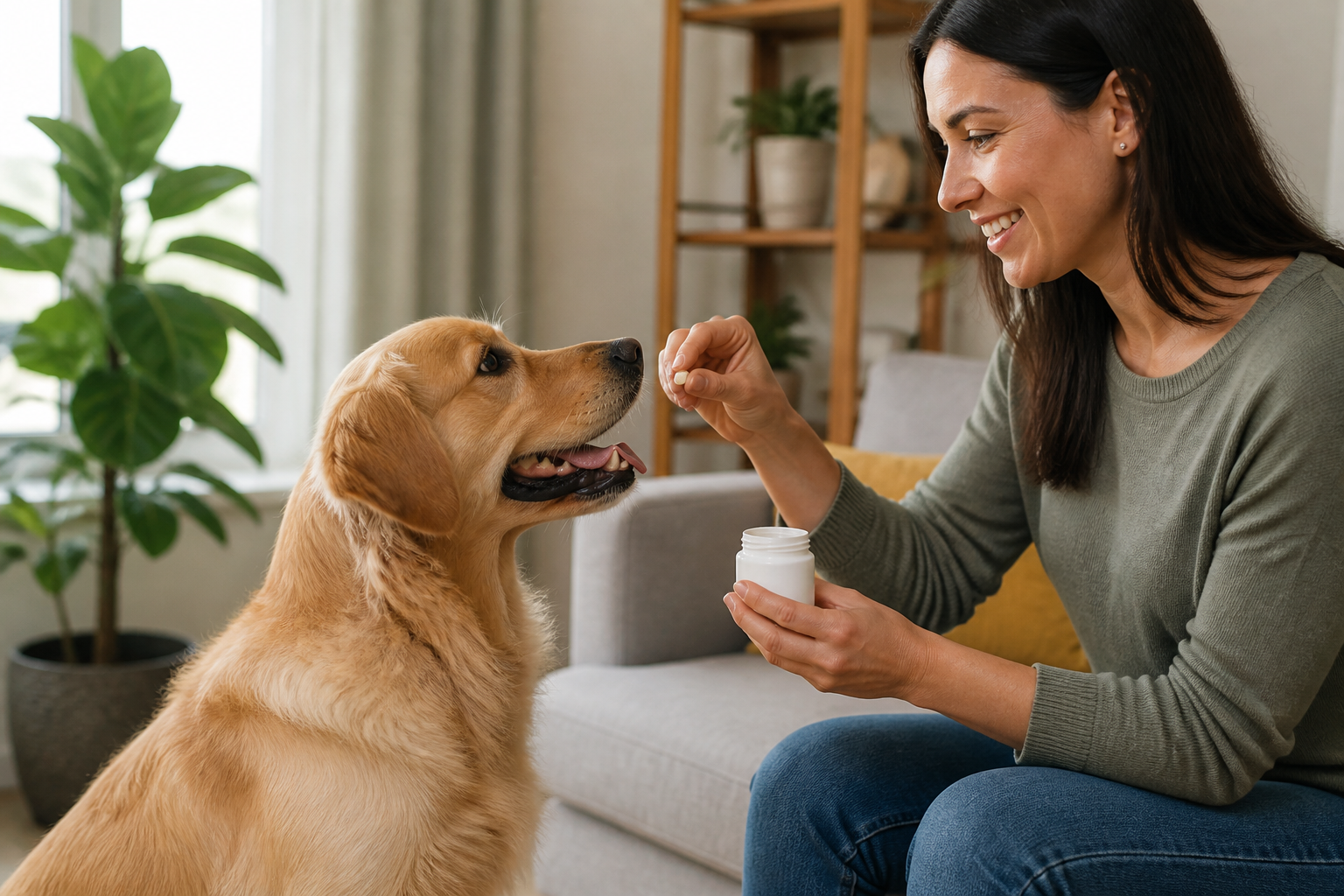
Supplements, on the other hand, often contain a higher concentration and a wider variety of strains. They are excellent for short term use during antibiotic rounds or high stress events. Many owners choose to do both. They use a high quality probiotic food for daily wellness and keep a supplement on hand for "emergencies." One available option is Nutramax Proviable Digestive Health Supplement.
Senior Dogs and Digestive Support
As dogs age, their digestive systems become less efficient. They may produce fewer digestive enzymes and their microbiome can become less diverse. This makes senior dogs more prone to constipation, gas, and nutrient deficiencies.
Feeding a senior dog food with probiotics in it can help bridge this gap. It supports their slowing metabolism and ensures they are getting the most out of every bite. Improved gut health also supports the immune system, which is vital for older dogs who may be more susceptible to illness. For additional guidance, read how to choose the right dog food for senior pets.
Key Takeaway: Senior dogs often benefit the most from a probiotic diet, as it helps maintain regularity and supports their aging immune systems.
Summary of Selection Criteria
When you are ready to make a purchase, keep this checklist in mind to ensure you are getting a quality product:
- Animal protein is the first ingredient.
- Multiple probiotic strains are listed (look for Lactobacillus and Bifidobacterium).
- A CFU count is guaranteed on the label.
- Prebiotic fibers like chicory root are included.
- The brand has a good reputation for quality control and testing.
- The bag size is appropriate for your dog's consumption rate.
At BaxterBoo, we handpick the brands we carry to ensure they meet these high standards. We believe that what goes into the bowl matters, and we want to help you find the perfect match for your dog's unique needs.
Conclusion
Switching to dog food with probiotics in it is a proactive step toward better health for your furry friend. By supporting the microbiome, you are helping your dog with everything from daily digestion to long term immune strength. Remember to look for guaranteed live cultures on the label and introduce new recipes slowly to avoid stomach upset. For dogs with chronic issues, we recommend speaking with your vet about prescription options. You can find many premium gut health formulas in our dog food category, or visit our dog pharmacy for specialized prescription diets through our Pet's Choice partnership.
Bottom line: A healthy gut is the foundation of a long and happy life for your dog.
FAQ
Does dog food with probiotics in it need to be refrigerated?
Most dry kibble with probiotics is shelf stable and does not require refrigeration. Manufacturers use specific strains or coating methods to keep the bacteria alive at room temperature. However, you should still store the food in a cool, dry place and keep the bag tightly sealed to protect the live cultures from moisture and heat.
Can a dog have too many probiotics?
It is very difficult for a healthy dog to "overdose" on probiotics, as the body naturally sheds excess bacteria. However, a massive sudden influx can cause temporary gas or loose stools. It is always best to follow the feeding guidelines on the package and consult your vet if you are combining multiple probiotic sources.
How long does it take for probiotics in dog food to work?
While some dogs show improvement in their stool quality within a few days, it generally takes two to four weeks to see the full benefits. This time allows the new bacteria to colonize the gut and rebalance the microbiome. Consistency is key, so make sure your dog gets their probiotic food with every meal.
Are human probiotics safe for dogs?
While some strains are the same, human probiotics are formulated for a human's unique digestive pH and bacterial needs. Some human supplements also contain sweeteners like Xylitol, which is highly toxic to dogs. It is much safer to use products specifically designed for the canine digestive tract to ensure both safety and effectiveness.