
 Save 15% on your 1st Autoship learn more

 Email us
 Live Chat
 FAQs






Introduction
Your dog clears the room with a sudden puff of gas, or you notice their stool is consistently soft during your morning walk. These small signs often point toward an imbalance in the gut microbiome. At BaxterBoo, we know that supporting your dog's digestive system is one of the best ways to improve their overall wellness. Probiotics are beneficial bacteria that live in the digestive tract and play a massive role in everything from nutrient absorption to immune strength. This article covers the most effective dog natural probiotics, including safe food sources and the science behind canine gut health. We will help you understand which strains matter most and how to safely introduce them to your pet's routine. Supporting your dog's internal balance can lead to a happier, more active life.
Understanding the Canine Gut Microbiome
The microbiome is a complex community of trillions of microorganisms living in your dog's intestines. This population includes bacteria, fungi, and viruses. While some microbes can cause illness, the beneficial ones are essential for survival. Scientists often refer to the microbiome as a forgotten organ because it performs so many vital functions.
Bacteria in the colon outnumber your dog's own cells significantly. Every dog has a unique microbiome, much like a fingerprint. This internal environment is shaped by their diet, age, and surroundings. When the balance of these bacteria is healthy, your dog's digestion is smooth and their energy is stable.
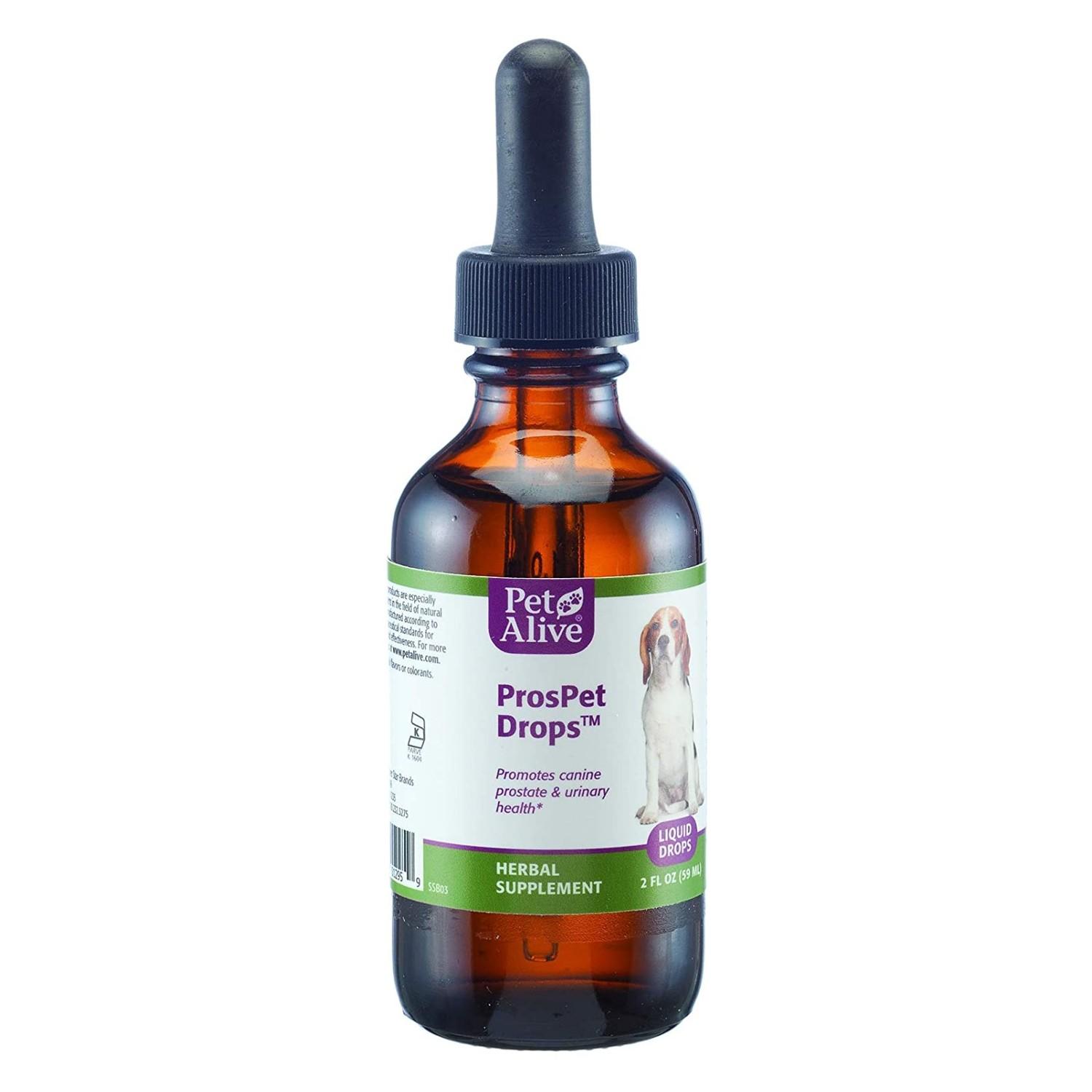
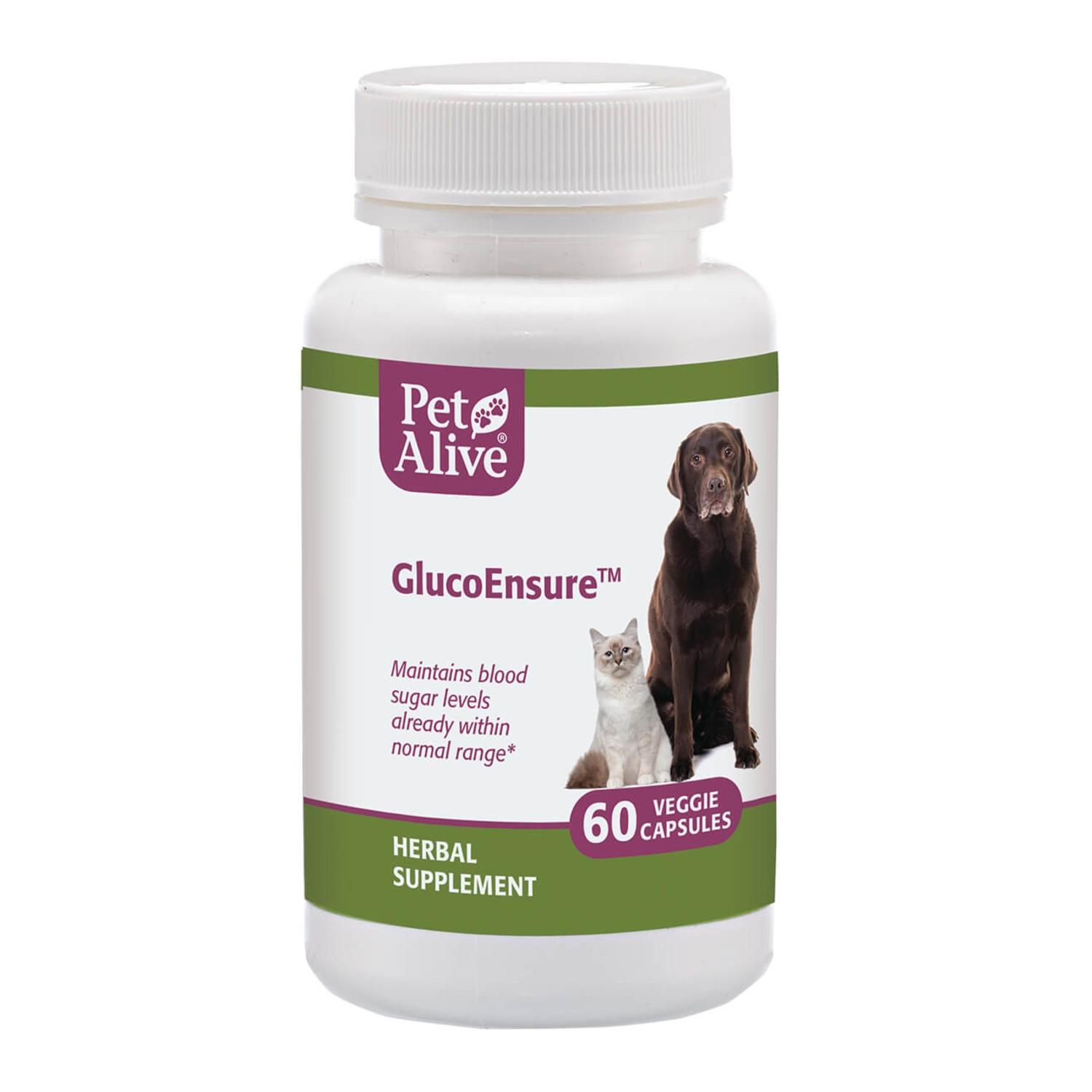
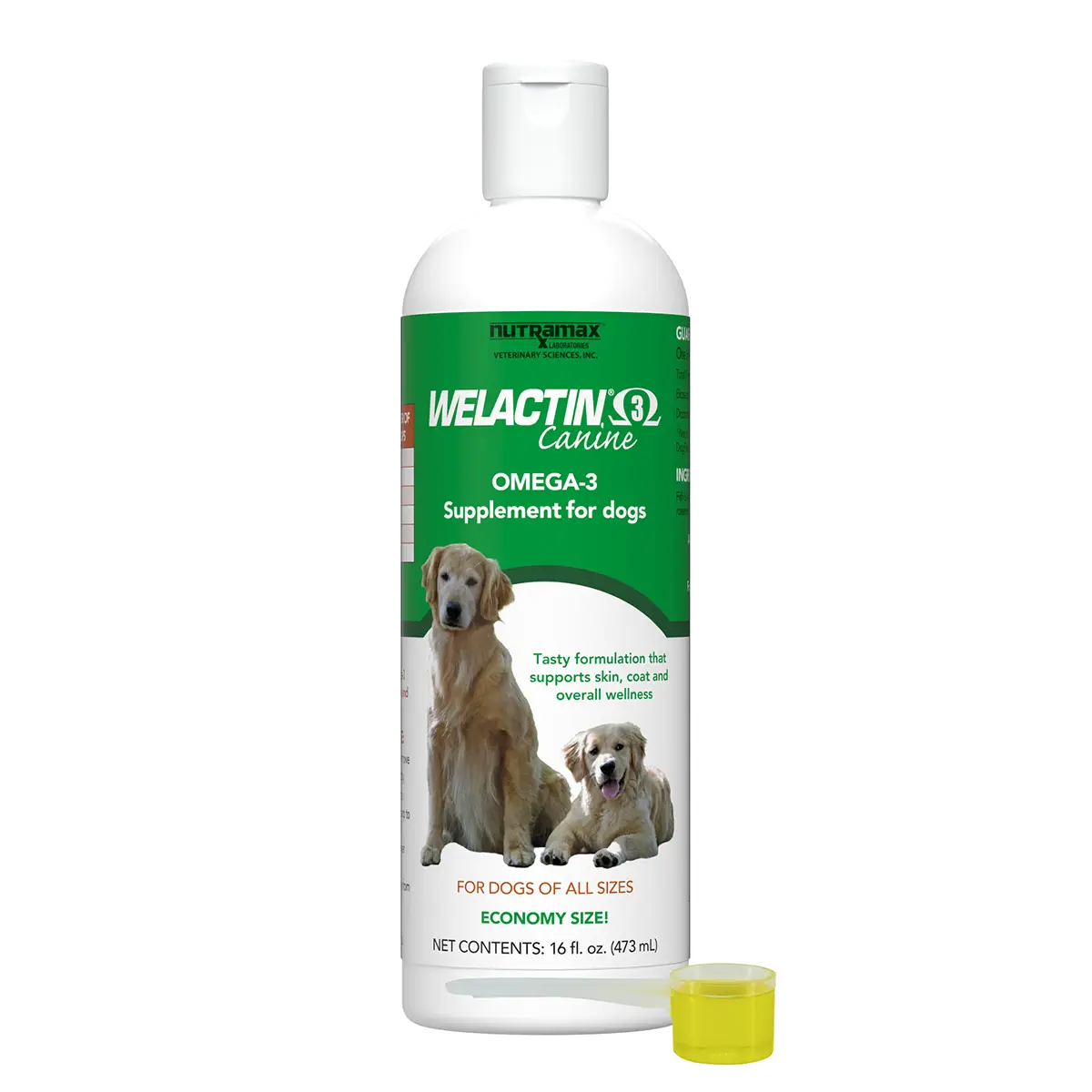
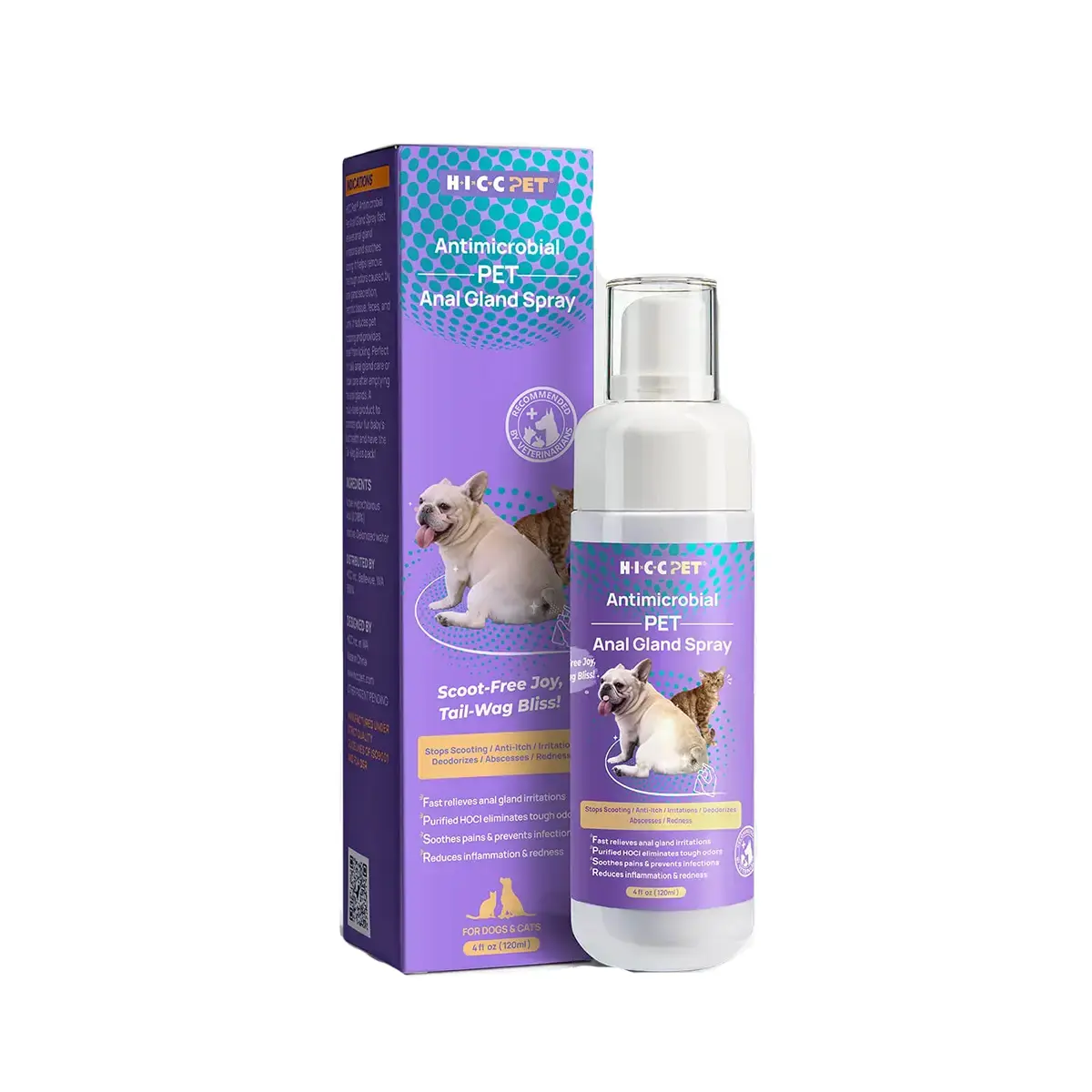
When the microbiome shifts out of balance, a condition called dysbiosis occurs. This can happen due to stress, a poor diet, or the use of antibiotics. Probiotics help restore this balance by introducing more beneficial organisms to crowd out the harmful ones. Explore our dog digestive health category for products designed to support your dog's digestive routine.
Key Takeaway: The gut microbiome is a living ecosystem that regulates digestion, vitamin production, and immune responses. Maintaining a diverse population of "good" bacteria is the primary goal of using probiotics.
Dog Digestive & Urinary Support









The Difference Between Probiotics and Prebiotics
It is common to hear these two terms used together, but they serve different roles in the gut. Probiotics are the actual live bacteria or yeast that you add to the digestive system. They are the "workers" that perform beneficial tasks.
Prebiotics are a type of dietary fiber that acts as fuel for those workers. Because dogs cannot digest this specific fiber, it passes through the small intestine and reaches the colon. Once there, the beneficial bacteria ferment the fiber and eat it. Without prebiotics, the probiotics in your dog's gut may become less active or die off.
Combining both is known as synbiotics. Feeding a diet rich in both elements ensures that the new bacteria you introduce have the food they need to thrive. This combination supports long-term colonization and a more resilient digestive system.
Common Prebiotic Sources for Dogs
- Pumpkin: High in soluble fiber and great for stool consistency.
- Bananas: Contain inulin, a powerful prebiotic that stimulates growth.
- Apples: Provide pectin, which supports colon health.
- Chicory Root: Often found in high-quality dog foods as a concentrated fiber source.
- Dandelion Greens: A natural source of fiber and minerals.
Essential Probiotic Strains for Dogs
Not all probiotics are created equal. Some strains are better at surviving the acidic environment of a dog's stomach than others. When looking for dog natural probiotics, focus on these specific types.
Lactobacillus Strains
These are lactic acid bacteria often found in fermented dairy. They convert milk sugars into lactic acid, which lowers the pH of the gut. This acidic environment makes it very difficult for harmful bacteria like E. coli to survive. Lactobacillus acidophilus is the most well-known strain for improving stool quality.
Bifidobacterium Strains
These bacteria primarily live in the colon. They are excellent for crowding out pathogens and interacting with immune cells. Strains like Bifidobacterium animalis are frequently used to help dogs recover from acute diarrhea. They are also being studied for their role in the gut-brain axis, potentially helping calm anxious pets.
Enterococcus Faecium
This strain is exceptionally hardy. It can survive the journey through the stomach better than many other bacteria. It is a staple in many canine probiotic supplements because it inhibits the growth of harmful bacteria very effectively.
Vet Tip: While many probiotics are available over the counter, always consult your veterinarian if your dog has chronic diarrhea or a weakened immune system. They can help determine if a prescription-strength option from a pharmacy is necessary for your pet's specific condition.
Top Natural Food Sources of Probiotics
You can find dog natural probiotics in several common foods. These options are often more affordable than supplements and can be used as healthy toppers. However, you must introduce them slowly to avoid upsetting your dog's stomach.
Plain Greek Yogurt
Yogurt is a classic source of Lactobacillus and Streptococcus thermophilus. It is important to use only plain, unsweetened Greek yogurt. Avoid any products with "fruit on the bottom" or artificial sweeteners. Greek yogurt is generally better than regular yogurt because it has lower lactose levels, which is easier on canine digestion.
Kefir
Kefir is a fermented milk drink that often contains a much wider variety of bacterial strains than yogurt. It is a potent probiotic source. For dogs, a small amount goes a long way. Start with a teaspoon for smaller dogs and a tablespoon for larger breeds. If your dog is dairy-sensitive, you can find water kefir or coconut milk kefir.
Green Tripe
This is the raw, untreated stomach lining of ruminant animals like cows. It is naturally rich in Lactobacillus acidophilus. Green tripe is also highly palatable to dogs and provides digestive enzymes. Because it is raw, you must handle it carefully and wash your hands after serving.
Sauerkraut
Plain, fermented cabbage is a powerhouse of probiotics. It actually contains more Lactobacillus than many dairy products. Ensure the sauerkraut you choose is raw and refrigerated. Canned sauerkraut is pasteurized, which kills the beneficial bacteria. It must also be free of caraway seeds, garlic, and onions.
Goat Milk
Raw goat milk is often easier for dogs to digest than cow milk. It contains natural probiotics and prebiotics called oligosaccharides. Many pet owners use it as a hydrating topper for kibble to boost gut health. For another goat-milk option, browse digestive-health probiotic products for dogs.
Bottom line: Natural foods like kefir and green tripe are excellent probiotic sources, but they should be introduced in tiny amounts to monitor for dairy sensitivity or gas.
The Benefits of Probiotics for Canine Health
The impact of a healthy gut reaches far beyond just better poops. Because so much of a dog's body is connected to the digestive system, the benefits are widespread.
Immune System Support
Approximately 70 percent of your dog's immune system resides in the gut. The bacteria there act as a primary defense against pathogens. They produce short-chain fatty acids that strengthen the gut barrier. This prevents harmful toxins and bacteria from leaking into the bloodstream.
Skin and Coat Quality
There is a strong link between gut health and skin health. Dogs with chronic yeast infections or itchy skin often see improvement when their microbiome is balanced. Probiotics help reduce systemic inflammation, which can lead to a shinier coat and less dander.
Managing Anxiety
The gut-brain axis is a communication line between the intestines and the brain. Certain bacteria produce neurotransmitters like serotonin. Studies have shown that specific strains, such as Bifidobacterium longum, can help dogs feel more relaxed in stressful environments.
Better Nutrient Absorption
A healthy gut lining is more efficient at pulling vitamins and minerals from food. This means your dog gets more value from their daily meals. Probiotics also produce essential nutrients like Vitamin K and various B vitamins during the fermentation process.
When to Consider Prescription Probiotics
Sometimes, natural food sources are not enough. If your dog is dealing with a severe medical issue, they may need a more concentrated form of support. Our pharmacy at BaxterBoo offers FDA-approved medications and prescription diets through our partnership with Pet's Choice. When a veterinarian recommends specialized products, explore our pet pharmacy.
Prescription probiotics often contain a much higher number of Colony Forming Units (CFUs) than retail supplements. They may also include specific patented strains that are proven to treat conditions like Irritable Bowel Disease (IBD) or chronic colitis.
If your veterinarian prescribes a specific probiotic or a prescription gastrointestinal diet, we can help you fulfill those needs. These specialized products are designed to survive the harsh digestive process and deliver high concentrations of bacteria exactly where they are needed most.
Key Takeaway: Prescription probiotics and therapeutic diets are vital for dogs with chronic GI conditions, and these can be managed easily through a professional pet pharmacy.
Safety Precautions and Potential Risks
While dog natural probiotics are generally safe, there are a few things to keep in mind. Adding any new food or supplement to a dog's diet carries a small risk of digestive upset.
The Risk of Obesity
Many probiotic foods, like yogurt and cottage cheese, contain calories that add up quickly. Treats and toppers should never make up more than 10 percent of your dog's daily caloric intake. If you add these foods, you may need to slightly reduce their regular meal portion to prevent weight gain.
Dairy Sensitivities
Many dogs are lactose intolerant. While fermented dairy products like kefir have less lactose than fresh milk, they can still cause gas or diarrhea in sensitive dogs. If you notice your dog becoming gassy after eating yogurt, switch to a non-dairy source like sauerkraut or a concentrated supplement.
Harmful Ingredients
This is the most critical safety point. Some human foods contain ingredients that are toxic to dogs.
- Xylitol: An artificial sweetener often found in "low-fat" or "sugar-free" yogurts. It is deadly to dogs.
- Garlic and Onions: Often used to flavor pickles or store-bought sauerkraut.
- Excessive Salt: Some fermented foods are very high in sodium, which can be dangerous for dogs with heart or kidney issues.
Immunocompromised Pets
If your dog has a severely weakened immune system, introducing live bacteria can sometimes be risky. In these rare cases, the body may struggle to manage even the beneficial bacteria. Always talk to your vet before starting probiotics for a dog with a major illness.
How to Introduce Probiotics to Your Dog
Patience is the most important part of the process. If you give a full dose of probiotics to a dog who isn't used to them, you might actually cause the diarrhea you are trying to prevent.
Step 1: Choose one source. / Do not start yogurt, kefir, and a supplement all at once. Pick one natural food or one supplement to begin with.
Step 2: Start with a micro-dose. / Give your dog about a quarter of the recommended amount for the first three days. This allows their system to adjust to the new bacterial load.
Step 3: Monitor stool and gas. / Look for any changes in their bathroom habits. A little extra gas is normal during the first few days, but heavy diarrhea means you should stop and consult a vet.
Step 4: Gradually increase. / If your dog tolerates the micro-dose well, increase the amount slowly over the next week until you reach the full recommended serving.
Step 5: Maintain consistency. / Probiotics work best when given daily. Most strains only stay in the gut for about 24 to 48 hours, so regular "seeding" is necessary to keep the population high.
Quick Answer: It usually takes between two days and two weeks to see a noticeable difference in a dog's digestion after starting probiotics. This depends on whether you are treating an acute issue like a sudden upset stomach or a chronic condition.
Supplementing vs. Whole Foods
Both dog natural probiotics from food and concentrated supplements have their place. Supplements are convenient and offer a guaranteed number of CFUs. You know exactly what strains your dog is getting. This is very helpful if you are targeting a specific issue like anxiety or a skin allergy.
Whole foods provide additional nutrition. Yogurt offers calcium and protein, while pumpkin provides vitamins and fiber. For many healthy dogs, a rotation of probiotic-rich food toppers is enough to maintain a balanced gut. However, during times of stress, such as boarding or antibiotic use, a more concentrated supplement is often the better choice.
If you choose a supplement, look for one that is microencapsulated. This process protects the bacteria from stomach acid so they reach the intestines alive. At BaxterBoo, we carry a wide range of trusted brands like Zesty Paws and Honest Paws that offer high-quality probiotic chews and powders. You can also review our pet supplement guide for additional guidance on choosing supplement types.
DIY Frozen Probiotic Treats
Making your own treats is an easy way to control exactly what your dog is eating. These frozen drops are perfect for summer and provide both probiotics and prebiotics.
Pumpkin Yogurt Drops
You will need:
- 1 cup plain Greek yogurt
- 1/2 cup pure pumpkin puree (not pie filling)
- A pinch of ground ginger (helps with digestion)
Instructions:
- Mix all ingredients in a bowl until smooth.
- Place small dollops of the mixture onto a parchment-lined baking sheet or into a silicone mold.
- Freeze for at least four hours.
- Store in an airtight container in the freezer.
These treats are a great way to use the $10 reward you get on your first order of $39 or more when you sign in at checkout. You can stock up on healthy treats and supplements while earning rewards for future purchases through the MVP Rewards programme.
Conclusion
Supporting your dog's gut health with natural probiotics is a proactive way to ensure long-term wellness. Whether you choose to add a dollop of kefir to their bowl or use a high-quality supplement, the goal is the same: a balanced microbiome. Remember that every dog is different, and what works for one might not work for another. Start slowly, choose high-quality sources, and watch for positive changes in your dog's energy and digestion. If your dog struggles with chronic issues, remember to utilize our pharmacy and Pet's Choice partnership for professional-grade support.
- Probiotics boost immunity and improve digestion.
- Prebiotics act as the necessary fuel for good bacteria.
- Natural sources include yogurt, kefir, and green tripe.
- Always check for toxic ingredients like xylitol in human foods.
- Consult a veterinarian for chronic GI concerns.
Our Medical and Mobility section is a great place to start looking for digestive support products and supplements.
FAQ
Can I give my dog human probiotic pills?
While some human probiotics are safe, it is better to use products formulated specifically for dogs. Canine digestive tracts have different pH levels and bacterial needs than humans. A dog-specific supplement ensures the strains can survive the trip through their stomach.
Is it okay to give my dog probiotics every day?
Yes, daily use is safe and often recommended for most healthy dogs. Since many probiotic strains are transient and leave the body within a day or two, daily supplementation helps maintain a consistent population of beneficial bacteria.
Will probiotics help my dog's bad breath?
Often, yes. Bad breath can sometimes originate from the gut or the oral microbiome. Probiotics help balance the bacteria in the digestive system, which can reduce the gases that contribute to "dog breath." They are even more effective when paired with regular dog dental care.
Can I give probiotics while my dog is on antibiotics?
Yes, but you should time them carefully. Antibiotics are designed to kill bacteria, and they do not distinguish between good and bad types. Give the probiotic at least two to four hours after the antibiotic dose so the medication does not immediately kill the beneficial bacteria you just introduced.




- Site & Contents BaxterBoo.com. BaxterBoo is located in the United States.
- Privacy & Security
- Terms of Use
- Accessibility Statement
