
 Save 15% on your 1st Autoship learn more

 Email us
 Live Chat
 FAQs





Introduction
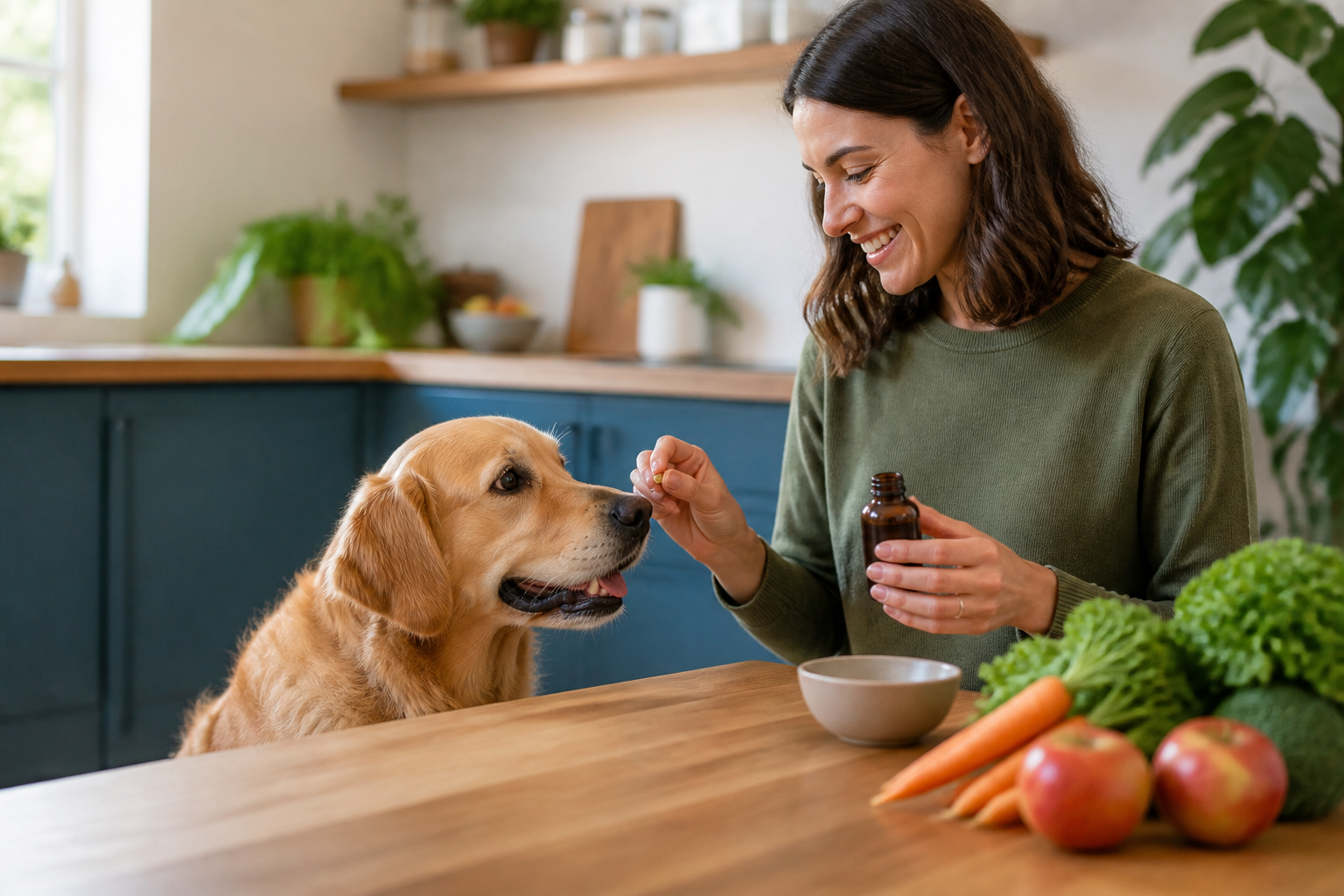
You are sitting on the sofa after a long day when a familiar, unpleasant scent wafts through the room. Your dog is looking sheepish, and their stomach is making loud, gurgling noises that you can hear from across the rug. Gas, loose stools, or a sudden lack of interest in dinner are often the first signs that your dog's internal balance is off. At BaxterBoo, we talk to pet owners every day who are looking for ways to support their dog's digestive system beyond just changing their kibble. Adding dog vitamins with probiotics is one of the most effective ways to stabilize their gut health and boost their overall wellness. This post will cover how these supplements work, which bacterial strains matter most, and how to choose the right format for your dog. Understanding the link between the gut and the rest of the body is the first step toward a happier, more comfortable pet.
Quick Answer: Dog vitamins with probiotics are supplements that combine essential nutrients with beneficial live bacteria to support digestion and immunity. They help restore the natural balance of the gut microbiome, which can be disrupted by stress, illness, or antibiotics.
The Role of the Microbiome in Dogs
The gut is more than just a place where food is broken down. It is home to billions of bacteria, yeasts, and other microbes known collectively as the microbiome. These tiny organisms are responsible for a massive portion of your dog's health. They assist in digesting nutrients, producing essential vitamins, and protecting the body against harmful pathogens. When the balance of "good" and "bad" bacteria shifts, your dog may experience digestive upset or a weakened immune response.
Probiotics are the "good" bacteria that we add to the system to tip the scales back in favor of health. When you give your dog a vitamin that includes these microbes, you are essentially sending in reinforcements. These beneficial bugs compete with harmful bacteria for space and resources. This competition makes it much harder for "bad" bacteria to take hold and cause illness.
It is important to remember that the gut contains about 70 percent of a dog's immune system. If the gut is unhealthy, the rest of the dog often follows suit. This is why many owners see improvements in skin quality and energy levels once they address digestive issues. For a broader overview of how supplements can support digestion and general wellness, read our pet supplement guide.
Dog Vitamins & Supplements







Common Signs Your Dog Needs a Probiotic Boost
It can be difficult to tell if your dog needs a supplement or a visit to the veterinarian. While occasional gas is normal, chronic issues usually point to an underlying imbalance. If your dog has been on antibiotics recently, their microbiome has likely been cleared out entirely. Antibiotics do not distinguish between good and bad bacteria. They often leave the gut as a blank slate, which can lead to secondary issues like diarrhea.
Keep an eye out for these common indicators:
- Frequent flatulence that is unusually smelly.
- Loose stools or alternating bouts of constipation and diarrhea.
- Excessive grass eating, which can be a sign of stomach discomfort.
- Dull coat or itchy skin that does not have a clear external cause.
- Bad breath that persists even after dental cleanings.
Vet Tip: If your dog has bloody diarrhea, is vomiting frequently, or appears lethargic, skip the supplements and call your veterinarian immediately. Probiotics are excellent for wellness and minor upsets, but they are not a substitute for medical intervention in an emergency.
Understanding Probiotic Strains
Not all probiotics are the same. A product labeled generally as "contains live cultures" is not as helpful as one that lists specific strains. Different bacteria serve different purposes in the canine body. When you are browsing for dog vitamins with probiotics, look for these key names on the label. Our dog digestive health supplements include probiotic, prebiotic, and digestive support options.
Enterococcus Faecium
This is one of the most common strains found in high quality pet supplements. It is particularly effective at helping to shorten the duration of diarrhea. It is a hardy strain that can survive the journey through the acidic environment of the stomach to reach the intestines where it is needed.
Lactobacillus Acidophilus
This strain is a powerhouse for overall intestinal health. It helps maintain the proper acidity levels in the gut, which discourages the growth of harmful bacteria like Salmonella or E. coli. It is often used to improve stool consistency and frequency in dogs with sensitive stomachs.
Bifidobacterium Animalis
If your dog struggles with acute digestive distress, this strain is often the go-to recommendation. It has been studied for its ability to reduce the time it takes for a dog to recover from a bout of diarrhea. It is also excellent for general immune support.
Bifidobacterium Longum
Recent research has focused on the "gut-brain axis." This is the communication line between the digestive system and the brain. Certain strains, specifically Bifidobacterium longum, have shown promise in helping dogs stay calm. Dogs taking this strain may show fewer signs of anxiety, such as excessive barking or pacing, during stressful events.
Vitamins and Probiotics: The Benefits of a Combined Supplement
You might wonder why you should choose a vitamin with probiotics rather than a standalone probiotic powder. For many owners, convenience is the biggest factor. A multivitamin that includes probiotics ensures your dog is getting their daily dose of Vitamin A, D, E, and B-complex along with their gut support in one single chew or tablet.
This combination is especially helpful for senior dogs. As dogs age, their ability to absorb nutrients from their food decreases. Their microbiome also becomes less diverse. A combined supplement addresses both problems at once. It provides the enzymes and bacteria needed to break down food more effectively while delivering the vitamins that might be missing from their diet.
We carry a wide selection of these all-in-one products at BaxterBoo. Our team carefully curates our inventory to ensure we only stock brands like Zesty Paws, NutriSource, and NaturVet that use stabilized, high-quality ingredients. This means the bacteria stay alive on the shelf so they can actually do their job once your dog eats them.
The Difference Between Prebiotics and Probiotics
You will often see the term "prebiotics" on the same labels as probiotics. It is easy to confuse the two, but they have very different roles. If probiotics are the "good" bacteria, prebiotics are the "food" that feeds those bacteria.
Prebiotics are typically types of fiber, such as chicory root or fructooligosaccharides (FOS). The dog's body does not digest these fibers. Instead, they travel to the colon where they fermented by the probiotic bacteria. This process gives the good bacteria the energy they need to thrive and multiply.
Using a supplement that contains both is often called a "synbiotic" approach. It is generally more effective than using probiotics alone because it ensures the new bacteria have a food source the moment they arrive in the gut.
What to Look for on a Prebiotic Label:
- Inulin
- Chicory Root
- Fructooligosaccharides (FOS)
- Mannan-oligosaccharides (MOS)
Key Takeaway: Probiotics are live beneficial bacteria, while prebiotics are the fiber sources that feed them. Using a supplement that combines both ensures the "good" bacteria can colonize the gut more effectively.
Forms of Probiotic Supplements
Choosing the right format depends entirely on your dog's personality and your daily routine. What works for a food-motivated Labrador might not work for a picky Chihuahua. For more guidance on delivery formats, read about chews, powders, and other dog supplement options.
Soft Chews
These are the most popular option because they taste like treats. Most dogs will take them happily without any fuss. They are easy to dose and do not require any measuring. However, they must be stored carefully to keep them from drying out or losing their potency.
Powders
Probiotic powders are ideal for dogs who are already eating a wet or raw diet. You can simply sprinkle the powder over their food and mix it in. Powders often contain a higher concentration of colony-forming units (CFUs) than chews. They are also a good choice for dogs with food allergies, as they typically have fewer binders and flavorings than chews.
Capsules
If you have a dog who is a "pill pro," capsules are a clean and easy way to deliver a precise dose. They protect the bacteria from air and moisture until the moment they are swallowed. For picky eaters, you can often open the capsule and sprinkle the contents over a high-value treat like a small bit of plain chicken.
Fortified Dog Foods
Some premium brands, such as Stella and Chewy's or Farmina, include probiotics in their kibble or freeze-dried recipes. This is a great way to maintain daily health, but be aware that the manufacturing process can sometimes kill off sensitive bacteria. If your dog is currently experiencing a specific health issue, a separate supplement is usually more effective than relying on food alone.
Managing Specific Health Conditions
While many owners use probiotics for general wellness, they are also highly effective for managing specific conditions. We often see customers looking for solutions to chronic issues that have not quite reached the level of needing heavy medication.
Allergies and Skin Health
It might seem strange to treat an itchy ear or a hot spot with a gut supplement. However, because the gut controls so much of the immune system, an imbalance often manifests as skin inflammation. Probiotics can help regulate the body's inflammatory response. This can lead to less itching and a healthier, shinier coat over time.
Anxiety and Stress
The gut-brain axis is a powerful tool for behavior management. If you know a stressful event is coming, such as a move, a long car trip, or a stay at a boarding kennel, starting a probiotic a week in advance can help. By stabilizing the gut, you can prevent "stress diarrhea" and help your dog feel more physically comfortable, which in turn helps them stay mentally calm.
Weight Management
Emerging research suggests that the composition of the microbiome can even influence weight. Certain bacteria are better at extracting calories from food than others. While a probiotic is not a "weight loss pill," it can be a valuable part of a broader weight management plan that includes proper exercise and calorie control.
The BaxterBoo Pharmacy and Prescription Needs
Sometimes, a standard over-the-counter vitamin is not enough. If your dog is dealing with chronic issues like Inflammatory Bowel Disease (IBD) or severe malabsorption, they may require a prescription-strength diet or medication.
Our pet pharmacy provides a streamlined way to get these essential supplies delivered to your door. Through our partnership with Pet's Choice, we offer a range of FDA-approved medications and prescription pet foods. This includes therapeutic diets from brands like Farmina Vet Life that are specifically formulated for gastrointestinal support.
If your veterinarian has prescribed a specific diet or a course of medication to treat a gut infection, we can help you manage those needs. This ensures your dog gets exactly what the doctor ordered without the hassle of a separate trip to the vet's office for every refill.
How to Introduce Probiotics to Your Dog
When you start a new supplement, the "low and slow" method is always best. Even though you are adding "good" bacteria, any sudden change to the gut can cause temporary gas or bloating.
Step 1: Consult your veterinarian. / Ensure the supplement is appropriate for your dog's specific health history and current medications. Step 2: Start with a half dose. / Give your dog half the recommended amount for the first three to five days to let their system adjust. Step 3: Monitor their stool. / Look for changes in consistency or frequency. A small amount of gas is normal during the transition. Step 4: Increase to the full dose. / Once your dog is comfortable, move up to the full amount listed on the label. Step 5: Stay consistent. / Probiotics work best when they are given at the same time every day to maintain a steady population of bacteria in the gut.
Evaluating Supplement Quality
The pet supplement industry is vast, and not every bottle on the shelf is worth your money. You need to be a savvy label reader to ensure your dog is actually getting live, functional bacteria.
First, look for the "Guaranteed Analysis." This should list the specific strains and the number of CFUs at the time of manufacture. If a label just says "probiotics added," it is likely not a high-potency product.
Second, check for an expiration date. Probiotics are living organisms. They do not live forever. A product that is past its "best by" date may still be safe, but the bacteria will likely be dead and useless.
Finally, consider the storage requirements. Some probiotics require refrigeration to stay active. Others are shelf-stable but should be kept in a cool, dark place. At our warehouse in Vernon Hills, we ensure all products are stored in climate-controlled conditions so they arrive at your home in peak condition.
Bottom line: Quality probiotics must have a guaranteed CFU count and a clear expiration date to ensure your dog is receiving live, beneficial bacteria.
Choosing BaxterBoo for Your Pet's Wellness
We know that choosing the right vitamins for your dog can feel overwhelming with so many options available. Since 2006, we have focused on curating a selection of products that we would feel comfortable giving to our own pets. We do not just stock what is popular. We stock what works.
When you shop with us, you can take advantage of our MVP Rewards program to earn points on every purchase. If you find a supplement your dog loves, our Autoship program is a great way to save money and ensure you never run out. Your first Autoship order even comes with a discount and a free MVP Gold membership. We are here to help you navigate your dog's health journey with expert advice and high-quality gear.
Conclusion
Supporting your dog's gut health is one of the most proactive steps you can take for their long-term wellness. By combining essential vitamins with targeted probiotic strains, you can address everything from occasional gas to chronic skin issues and anxiety. Remember to look for specific strains like Enterococcus faecium and Bifidobacterium animalis, and always introduce new supplements gradually.
- Probiotics bolster the immune system and aid digestion.
- Prebiotics feed the good bacteria to help them thrive.
- Consistent daily dosing is key to seeing results.
- Consult a vet for chronic or severe digestive issues.
Key Takeaway: A healthy gut is the foundation of a healthy dog. Adding a high-quality vitamin with probiotics can improve digestion, immunity, and even behavior.
If your dog needs specialized support, visit the dog pharmacy section to explore our range of prescription diets and FDA-approved health solutions.
FAQ
Can I give my dog human probiotics like yogurt?
While plain, unsweetened yogurt contains live cultures, it may not be the best choice for every dog. Many dogs are lactose intolerant, and the dairy can actually cause more digestive upset than the probiotics solve. Furthermore, human probiotics are designed for a human's internal pH and bacterial needs, which differ significantly from a dog's.
How long does it take to see results from probiotics?
For acute issues like diarrhea caused by stress, you might see an improvement in as little as two to three days. However, for chronic issues like skin allergies or anxiety, it can take four to six weeks of consistent daily use to see a noticeable difference. It takes time for the new bacteria to colonize the gut and change the internal environment.
Are there any side effects to giving my dog probiotics?
Some dogs may experience temporary gas, bloating, or a slight change in stool consistency when they first start a supplement. This is usually just the body adjusting to the new bacteria. If these symptoms persist for more than a few days or seem to cause your dog pain, you should reduce the dose or consult your veterinarian.
Can puppies take vitamins with probiotics?
Yes, probiotics can be very beneficial for puppies as their immune systems and digestive tracts are still developing. They can be especially helpful during the weaning process or when transitioning to a new home, which are both high-stress times. Always ensure the supplement you choose is labeled as safe for puppies and follow the weight-based dosing instructions.





- Site & Contents BaxterBoo.com. BaxterBoo is located in the United States.
- Privacy & Security
- Terms of Use
- Accessibility Statement
