Save 15% on your 1st Autoship learn more

 Email us
 Live Chat
 FAQs
FAQs





Introduction
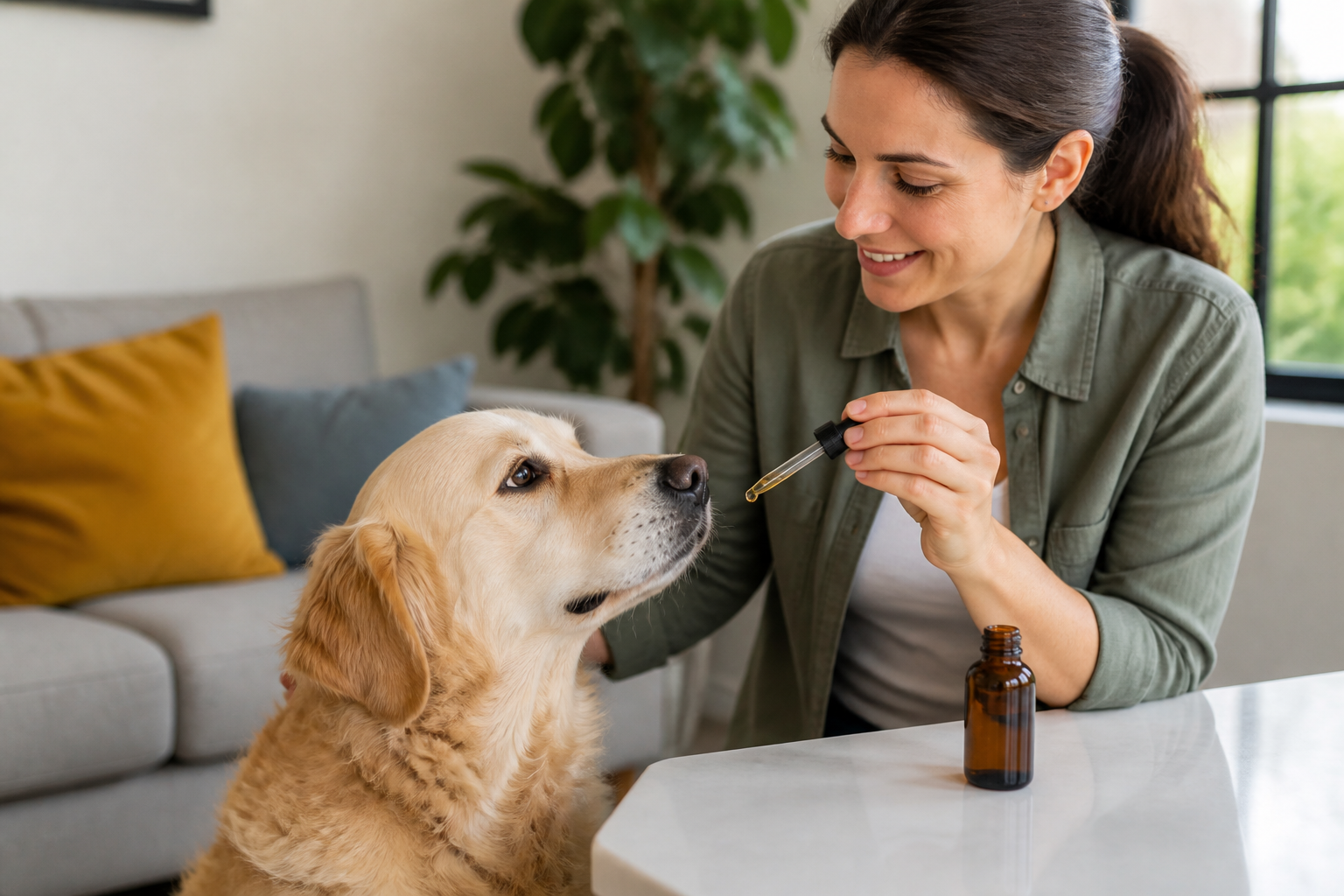
You know the sound. It is the dry click of a probiotic pill hitting the floor after your dog carefully licked the peanut butter off it. Some dogs are masters at sorting their food. They can eat a whole bowl of kibble and leave a single capsule or tablet untouched at the bottom. At BaxterBoo, we talk to owners every day who are frustrated by this struggle. Liquid dog probiotics offer a practical solution to this common hurdle. They mix invisibly into meals and ensure your pet actually gets the supplement you paid for. This guide covers how these liquid formulas work and how to pick the right one for your pet. We want to help you support your dog's digestion without the daily battle of hiding pills.
Quick Answer: Liquid dog probiotics are supplements containing live beneficial bacteria in a liquid base. They are easier to dose for picky eaters than pills or powders and often include prebiotics to support a healthy gut microbiome.
What Are Liquid Dog Probiotics?
Probiotics are living microorganisms that provide health benefits when consumed. We often call them "good bacteria." Billions of these microbes live naturally in your dog’s gastrointestinal tract. This complex system is known as the microbiome. It helps digest food, produces vitamins, and keeps the immune system strong. When the balance of these bacteria gets disrupted, it can lead to upset stomachs and other health issues.
Liquid probiotics are simply these beneficial strains suspended in a fluid. This fluid might be filtered water, a light oil, or a flavored broth. Unlike powders that can blow away or settle at the bottom of the bowl, liquids coat the food. This makes it almost impossible for a dog to pick around the supplement. For owners of tiny breeds or puppies, liquids also allow for very precise dosing by the drop.
Most liquid formulas contain a mix of different bacterial strains. Some also include prebiotics. Prebiotics are a type of fiber that acts as food for the good bacteria. When a supplement contains both, it is often called a synbiotic. Adding these to your dog's routine helps maintain a steady environment in the gut. This is especially helpful during times of change or stress.
Why Choose Liquid Over Chews or Powders?
Every supplement format has its place. However, liquid probiotics offer specific advantages for certain types of dogs. If you have a senior dog with dental issues, a soft liquid is much easier than a crunchy tablet. If you have a dog on a very strict diet for allergies, a liquid often has fewer fillers than a flavored chew.
The biggest advantage is the absorption and delivery. Liquid probiotics are already dissolved. They do not need to be broken down in the stomach in the same way a hard pill does. This can sometimes lead to faster support for an upset stomach. They also offer more flexibility. You can put them in food, mix them in water, or even give them directly by mouth with a dropper if your dog is not eating well.
Comparing Probiotic Formats
| Feature | Liquid Probiotics | Probiotic Chews | Probiotic Powders |
|---|---|---|---|
| Ease of Use | High (Mixes into food) | High (Treated as a snack) | Medium (Can be messy) |
| Dosing Precision | Excellent (By the drop) | Fixed (By the chew) | Medium (By the scoop) |
| Picky Eater Approval | High (Invisible in food) | Mixed (Some dogs dislike) | Low (Dusty texture) |
| Shelf Stability | Varies (Some need fridge) | High (Usually stable) | High (Usually stable) |
| Absorption Speed | Fast | Medium | Medium |
Key Takeaway: Liquid probiotics are the most versatile option for picky eaters and pets with dental issues. They provide precise dosing that is hard to achieve with fixed-size chews.
Understanding the Strains in Liquid Formulas
Not all bacteria are the same. When you look at a bottle of liquid probiotics, you will see long names in italics. These are the specific strains included in the formula. Each one does something a little different for your dog’s body. Most high quality products will list several types to provide broad support.
Lactobacillus acidophilus is one of the most common strains. It helps with the overall balance of the gut. It is often used to help with the quality and frequency of a dog's stool. Bifidobacterium animalis is another powerhouse. It is frequently recommended by veterinarians to help manage diarrhea.
Some liquids use Soil-Based Organisms or SBOs. These include strains like Bacillus coagulans or Bacillus subtilis. These bacteria are very hardy. They have a natural seed-like outer shell that protects them from stomach acid. This means they are more likely to reach the intestines alive. In our BaxterBoo warehouse, we stock several brands that use these robust strains to ensure they survive the journey through the digestive tract.
Common Beneficial Strains
- Enterococcus faecium: Often used to shorten the duration of diarrhea.
- Bifidobacterium longum: Some studies suggest this may help with calm behavior.
- Lactobacillus plantarum: Supports the immune system and reduces inflammation.
- Lactobacillus rhamnosus: Helpful for dogs with sensitive skin or allergies.
Vet Tip: If your dog has a chronic health condition or a weakened immune system, always consult your veterinarian before starting a probiotic. They can help you choose the specific strains that are safest for your dog's unique needs.
When Should You Use Liquid Probiotics?
A healthy dog usually maintains a good bacterial balance on their own. However, life often gets in the way. Stress is one of the biggest disruptors of gut health. When a dog is stressed, their body produces cortisol. This can change the environment in the gut and kill off good bacteria. This is why many dogs get "stress diarrhea" when they go to a boarding kennel or move to a new house.
Antibiotics are another common reason to use probiotics. Antibiotics are life saving medications, but they are not selective. They kill the bad bacteria causing an infection, but they also kill the good bacteria in the gut. This often leads to loose stools during or after a round of medication. Starting a liquid probiotic at the same time can help shield the microbiome.
Seasonal allergies can also be a sign that the gut needs support. Much of a dog's immune system is located in their digestive tract. By strengthening the gut barrier, you may help reduce the body's overreaction to pollen or grasses. If you notice your dog licking their paws or itching more during the spring, a daily liquid supplement might provide some relief.
Signs Your Dog Might Benefit
- Frequent gas or bloating
- Intermittent loose stools
- A dull coat or itchy skin
- Bad breath that is not caused by dental decay
- Recovery from a recent illness or surgery
Bottom line: Probiotics are a helpful tool for managing the side effects of stress, antibiotics, and seasonal changes.
For additional guidance about digestive upset and beneficial bacteria, read our article on fiber and probiotics for dogs.
How to Read a Probiotic Label
Reading a supplement label can feel like learning a new language. The most important number to look for is the CFU count. CFU stands for Colony Forming Units. This tells you how many live, active bacteria are in each serving. For daily maintenance, you might see numbers in the millions. For more intense support, look for counts in the billions.
Check for a "guaranteed analysis." This is a promise from the manufacturer that the bacteria will still be alive by the time the product expires. Some cheaper brands only measure the bacteria at the time of manufacture. This is a problem because many bacteria die on the shelf. You want a product that guarantees potency through the expiration date.
Look at the "other ingredients" section too. High quality liquid probiotics should be free from artificial colors, heavy sugars, and unnecessary fillers. If your dog has a known allergy to beef or chicken, make sure the flavoring used in the liquid is safe for them. Many liquids use a neutral vegetable glycerin or a synthetic liver flavor that is safe for most allergic pets.
Administering Liquid Probiotics to Your Dog
One of the best things about the liquid format is how easily it fits into your routine. You do not need to learn any new tricks. Most owners find that adding the drops directly to the morning meal is the simplest method. If you use dry kibble, the liquid will soak into the pieces. If you use wet food, you can stir it right in.
If your dog is a very suspicious eater, try mixing the dose with a small amount of high value food first. A tablespoon of plain canned pumpkin or a little bit of unsalted chicken broth can hide the supplement perfectly. Always follow the weight based dosing on the bottle. Because these are concentrated, a few drops often go a long way.
Step 1: Shake the bottle well. / Probiotics can settle at the bottom over time. Shaking ensures an even mix of bacteria in every drop.
Step 2: Measure the dose. / Use the provided dropper or pump to get the exact amount for your dog's weight.
Step 3: Add to food. / Drizzle the liquid over the meal just before serving. Do not cook or heat the probiotic, as high temperatures will kill the live bacteria.
Step 4: Clean the dropper. / Do not let the dropper touch your dog's mouth or the food if you plan to put it back in the bottle. This prevents bacteria from the mouth from contaminating the supplement.
Browse our dog digestive health supplements to compare options for your pet’s routine.
Storage and Safety Tips
Bacteria are living things. They are sensitive to their environment. Some liquid probiotics are "shelf stable," meaning they can sit in your pantry. Others are "refrigeration required." This is usually because the specific strains in that bottle are more sensitive to heat. Always check the storage instructions immediately after buying. If a product is supposed to be cold and sits on a hot counter, it may become useless.
Keep the bottle out of direct sunlight. UV rays can degrade the quality of the supplement. Also, pay close attention to the expiration date. Using an expired probiotic is generally not dangerous, but it likely won't do anything for your dog. The live cultures naturally die off over time, so an old bottle won't have the CFU count listed on the label.
If your dog has an accidental overdose of probiotics, do not panic. Most of the time, the worst result is a bit of temporary gas or a loose stool. However, if your dog gets into a large amount, it is always best to call your vet. They may suggest a bland diet for a day or two to let the digestive system reset.
Vet Tip: If your dog's diarrhea is bloody, accompanied by vomiting, or lasts longer than 48 hours, stop the supplement and see a vet. These can be signs of more serious issues like parasites or infections that need medical treatment.
Probiotics and Prescription Needs
Sometimes, a standard over the counter probiotic is not enough. Dogs with chronic conditions like Inflammatory Bowel Disease (IBD) or severe food sensitivities may need specialized care. In these cases, a veterinarian might prescribe a therapeutic diet or specific medical grade supplements.
Our pharmacy at BaxterBoo provides access to FDA-approved medications and prescription pet foods through our partnership with Pet's Choice. We carry brands like Farmina Vet Life, which offers formulas designed for gastrointestinal management. If your vet recommends a prescription diet to go along with your dog's probiotic routine, we can help you get those delivered right to your door. Having a single source for your dog's gear, food, and pharmacy needs makes managing a chronic condition much less stressful.
Explore our dog pharmacy when your veterinarian recommends prescription medication or specialized care.
We also carry trusted supplement brands like Nutramax and Zesty Paws. These companies use rigorous testing to ensure their products meet high standards. When you shop with us, you are getting products handpicked by people who understand the needs of real pet owners.
For prescription diet discussions, you can also explore our selection of Farmina Vet Life products.
Supporting Your Dog's Long Term Wellness
Consistency is the most important part of using probiotics. You might not see a change overnight. It often takes two to four weeks for the microbiome to truly shift. Stick with the routine even if you don't see immediate results. Think of it like gardening. You are planting good seeds and waiting for them to grow and fill in the gaps.
Beyond supplements, look at your dog's overall diet. A high quality food with plenty of protein and appropriate fiber levels provides the foundation for gut health. Avoid feeding too many table scraps, as sudden hits of fat or sugar can upset the bacterial balance you are working so hard to build.
To make things easier, consider using our Autoship programme. This ensures you never run out of your dog's favorite liquid probiotic or food. It also saves you money on every order and gives you a free MVP Gold membership. Our MVP Rewards program lets you earn up to 5% back on your purchases, which adds up quickly when you are buying monthly supplies.
Learn more about the MVP Rewards programme before placing your next recurring order.
For more ideas about choosing supplements, read our guide to pet supplements.
Conclusion
Liquid dog probiotics are a smart, practical choice for maintaining your pet's digestive health. They solve the problem of picky eating while providing the precise dosing your dog needs. Whether you are managing the side effects of antibiotics or just want to support your dog's immune system, these drops make the process simple. Remember to look for high CFU counts, guaranteed analysis, and reputable strains like Lactobacillus or Bacillus.
Key Takeaway: The best probiotic is the one your dog actually consumes. Liquid formulas remove the struggle of pills and integrate easily into any feeding routine.
If your dog is struggling with ongoing digestive issues, your next step should be a conversation with your veterinarian. They can help determine if a prescription diet or specific medication from our pharmacy is necessary. Otherwise, browse our dog digestive health category to find the liquid probiotic that fits your dog's lifestyle.
FAQ
Can I give my dog human liquid probiotics?
While many human probiotics are safe, it is better to use a product made specifically for dogs. Dogs have different bacterial needs and a different gut pH than humans. Dog-specific formulas are designed to survive the canine digestive tract and provide the correct dosage for their size.
How long does it take for liquid probiotics to work?
You may notice a difference in stool quality within a few days, but for long-term health benefits, it usually takes three to four weeks. If you are using them for anxiety or skin issues, it may take up to six weeks of daily use to see a visible change.
Do liquid probiotics need to be refrigerated?
It depends on the specific product and the strains it contains. Some use shelf-stable technology or soil-based organisms that survive at room temperature. Others contain delicate live cultures that must stay cold to remain active, so always read the storage instructions on the bottle.
Can puppies take liquid probiotics?
Yes, liquid probiotics are often excellent for puppies because they can be dosed very accurately for small body weights. They can help puppies transition to new foods and support their developing immune systems during the stress of moving to a new home. Always check with your vet for the correct dosage for a growing puppy.