
 Save 15% on your 1st Autoship learn more

 Email us
 Live Chat
 FAQs
FAQs





Introduction
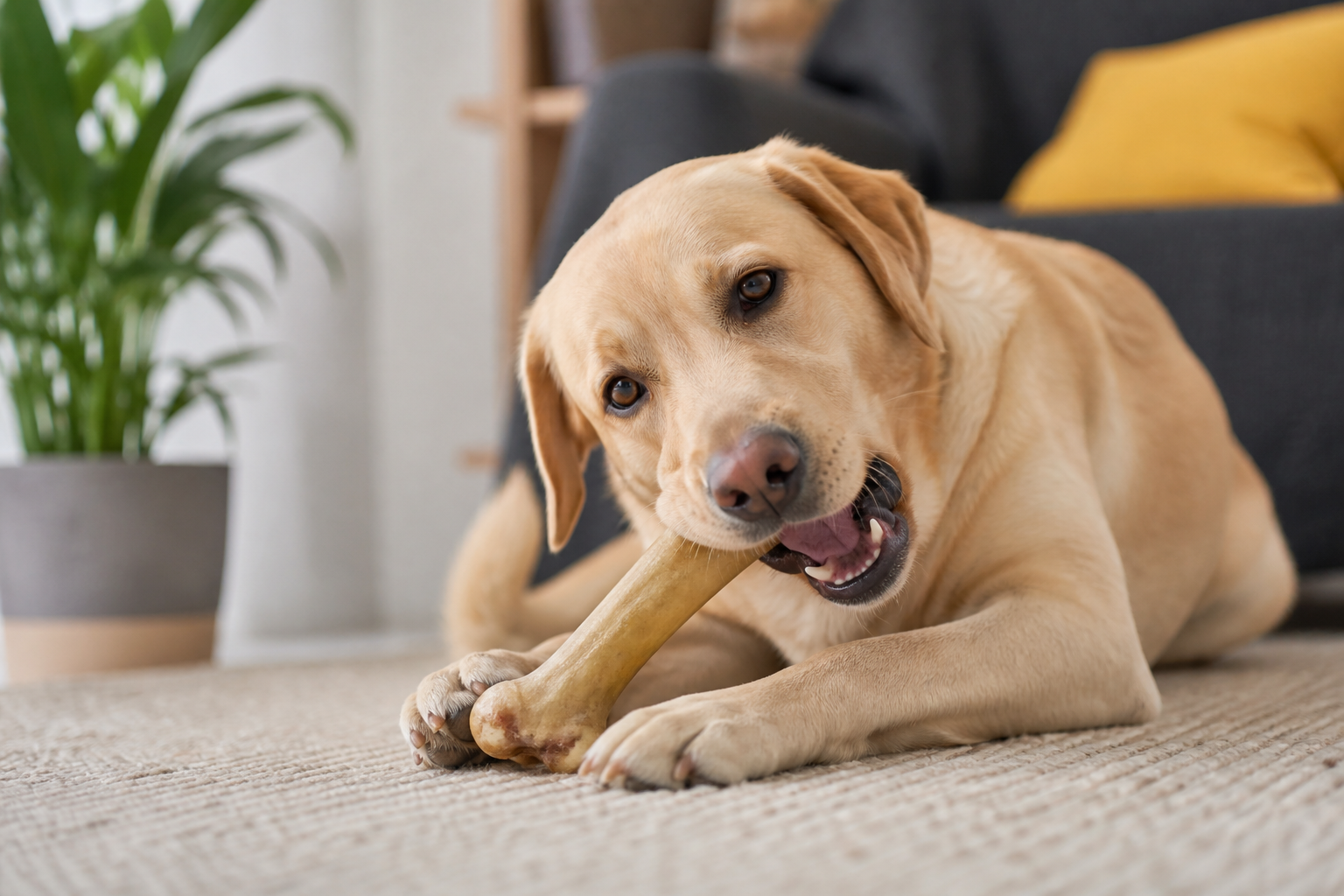
You are sitting on the rug playing with your dog when they lean in for a happy lick. The smell hits you before the tongue does. You might notice a thin line of yellow or brown buildup near the gum line. It is a common moment for pet owners. You wonder if giving them a sturdy bone would act like a natural toothbrush to scrape that buildup away. At BaxterBoo, we get asked this question frequently by owners looking for ways to avoid expensive dental cleanings. This post explores the reality of using bones for oral health. We will look at the difference between raw and cooked bones. We will also cover the risks of dental fractures and the safest ways to support your dog’s oral hygiene. Using bones can help, but doing it wrong can lead to a trip to the emergency vet.
Quick Answer: Bones can help reduce plaque through mechanical scraping, but they cannot remove hardened tartar. Raw bones are generally safer than cooked ones, which splinter easily. Always supervise chewing and choose bones appropriate for your dog’s size and chewing style.
The Mechanical Action of Chewing
When a dog gnaws on a bone, they are doing more than just entertaining themselves. The physical act of rubbing the teeth against a hard surface creates friction. This friction helps scrape away plaque. Plaque is the soft, sticky film of bacteria that forms on teeth after eating. If it stays there, it eventually hardens into tartar.
The chewing process also stimulates saliva production. Saliva contains enzymes that help break down food particles. It acts as a natural rinse for the mouth. This can shift the pH balance in your dog's mouth. A healthy pH makes it much harder for bad bacteria to grow. This is why active chewers often have fresher breath than dogs that only eat soft food.
However, chewing is not a perfect solution. It mostly cleans the large cheek teeth. It does very little for the tiny teeth at the front of the mouth. It also cannot reach underneath the gum line. This is where the most serious dental diseases start. While bones are a great tool, they are only one part of a complete dental routine. For additional guidance, read our pet dental care tips.
Raw vs. Cooked Bones
This is the most important distinction any pet owner can make. You should never feed your dog cooked bones from your kitchen. This includes bones that have been boiled, baked, fried, or smoked. Cooking changes the cellular structure of the bone. It makes the bone brittle and prone to splintering.
When a cooked bone splinters, it creates sharp shards. These shards can puncture the mouth, throat, or intestines. This often leads to life-threatening internal bleeding or blockages. Raw bones are different. They are more flexible and softer. They tend to crumble or grind down rather than snapping into sharp needles.
At BaxterBoo, we always recommend sticking to raw options or specifically designed dental chews. Many owners worry about bacteria on raw bones. While dogs have highly acidic stomachs designed to handle bacteria, you should still practice good hygiene. Wash your hands after handling raw bones. Pick up any leftover scraps after your dog finishes their chewing session. You can also compare rawhide-free dog chews when looking for alternatives.
Vet Tip: Always consult your veterinarian before introducing raw bones to a dog with a compromised immune system or existing digestive issues. They can help you determine if your dog's gut health is ready for raw treats.
Edible Bones vs. Recreational Bones
Not all bones serve the same purpose. Experts generally divide them into two categories. Knowing which one you are using will help you manage your dog's diet and safety.
Edible Raw Bones
These are soft, hollow bones that do not contain marrow. They are typically from poultry. Common examples include chicken necks, chicken wings, and turkey necks. These bones are meant to be chewed up and swallowed completely. They provide essential minerals like calcium and phosphorus.
Because they are soft, they are great for puppies or senior dogs. However, they do not provide as much scrubbing power. A dog might crunch through a chicken neck in seconds. This does not provide enough "dwell time" on the teeth to remove much plaque.
Recreational Bones
These are large bones meant for gnawing, not swallowing. Think of big beef knuckle bones or marrow bones. These are the heavy hitters of dental cleaning. Your dog might work on a knuckle bone for thirty minutes. This extended chewing provides the mechanical scraping needed for cleaner teeth.
Marrow bones are very popular, but they come with a warning. Marrow is almost pure fat. For some dogs, this can cause an upset stomach or even pancreatitis. If your dog is prone to weight gain or has a sensitive tummy, scoop out most of the marrow before giving them the bone. For manufactured options, browse our dog dental treats and chews.
Selecting the Right Size for Your Dog
Size is the biggest safety factor when choosing a bone. A bone that is too small is a choking hazard. Your dog might try to swallow it whole. A bone that is too large or too hard can break a tooth.
- Small Dogs: Look for lamb or goat bones. These are sturdy enough to clean but not so dense that they will snap a small tooth.
- Medium Dogs: Beef ribs or smaller knuckle bones work well. Ensure the bone is larger than the dog's mouth so they cannot fit the whole thing inside.
- Large and Giant Breeds: Large beef knuckle bones are the standard. Avoid the long leg bones (femur bones) of cows. These are designed to support thousands of pounds of weight. They are often harder than the dog's enamel.
Key Takeaway: The ideal bone should be larger than your dog’s muzzle. This forces them to use their side teeth to gnaw rather than trying to gulp the bone down.
Common Risks to Watch For
Even with the right bone, things can go wrong. Being a responsible owner means knowing what to look for. If you notice any of the following, it is time to take the bone away and perhaps call the vet. Our dog health dental care selection includes alternatives for building a supervised routine.
- Broken Teeth: This is the most common injury from hard bones. It often happens to the "carnassial" teeth, which are the large ones in the back. A broken tooth is painful and can lead to an abscess.
- Gingival Trauma: Sometimes a dog gets too enthusiastic. They might scrape their gums until they bleed. A little pink on the bone is common, but heavy bleeding is a problem.
- Constipation: Bone matter is highly absorbent. If a dog eats too much bone, their stool can become very hard and white. This can lead to painful constipation.
- Obstructions: If a dog swallows a large chunk, it can get stuck in the esophagus or the small intestine. This is a medical emergency that usually requires surgery.
Checklist for Safe Chewing
- Supervise always. Never leave your dog alone with a bone.
- Check for cracks. If the bone begins to break into small pieces, throw it away.
- Monitor the time. Limit chewing sessions to 15 or 20 minutes to prevent sore jaws.
- Know your chewer. If your dog tries to "crunch and gulp," bones might be too risky for them.
- Check the stool. Ensure your dog is passing waste normally the day after chewing.
The Role of Dental Chews and Toys
If the idea of raw bones makes you nervous, you are not alone. Many owners prefer manufactured dental treats. Brands like Greenies or dental-specific biscuits are designed to mimic the scraping action of a bone. These are often easier on the stomach and have a more consistent texture. You can explore our selection of Greenies products for dog dental options.
Another great option is durable rubber toys. Brands like Kong make toys specifically designed for chewing. You can stuff these with healthy treats to keep your dog engaged. While a rubber toy doesn't have the same abrasive texture as a bone, it still stimulates saliva and provides a safe outlet for the chewing instinct.
We carry a wide variety of these alternatives. Our team at BaxterBoo carefully selects brands that prioritize safety and effectiveness. Look for products with the VOHC (Veterinary Oral Health Council) seal. This seal means the product has been tested and proven to reduce plaque or tartar by a specific percentage. For more ideas, read 10 best dental chews for dogs.
When Bones Aren't Enough: Professional Care
It is a myth that a bone can "cure" dental disease. If your dog already has thick, brown tartar, a bone will not fix it. In fact, gnawing on a hard bone when the gums are already diseased can be very painful. It can even push bacteria deeper into the gum line.
When you see significant buildup, it is time for a professional cleaning. This is done under anesthesia by a veterinarian. They can clean under the gums and take X-rays to check for bone loss. After the teeth are professionally cleaned, you can use bones or dental treats to maintain those results. Learn more about warning signs of bad teeth in dogs.
For dogs with chronic dental issues, your vet might suggest a prescription diet. These diets have a specific kibble structure that scrubs the teeth as the dog eats. Our pharmacy partnership with Pet's Choice allows us to fulfill prescriptions for these specialized foods, like Royal Canin Dental or Farmina Vet Life formulas. If your vet writes a script, we can help you get it delivered right to your door through our pet pharmacy.
Bottom line: Bones are a preventative tool, not a treatment for existing dental disease or infections.
How to Introduce a Bone to Your Dog
If you have never given your dog a bone, start slowly. You do not want to overwhelm their digestive system. Follow these steps to ensure a smooth transition.
Step 1: Choose a "meaty" bone. / A bone with bits of meat and gristle still attached is better. The meat helps "floss" between the teeth and keeps the dog interested.
Step 2: Start with a short session. / Give the dog the bone for only 5 or 10 minutes the first time. This lets you see how they handle it and if it upsets their stomach.
Step 3: Trade for a treat. / When time is up, do not just grab the bone. Trade them for a high-value treat so they don't become protective or "resource guard" the bone.
Step 4: Inspect the teeth. / After the session, look at your dog's mouth. Check for any bleeding or small cracks in the enamel.
The BaxterBoo Approach to Dental Health
We believe in a multi-faceted approach to wellness. No single product is a magic bullet. To keep your dog's mouth healthy, we suggest a combination of strategies:
- Daily Brushing: This remains the gold standard. Even a quick brush with pet-safe toothpaste makes a huge difference.
- Healthy Chewing: Whether it is a raw bone, a KONG toy, or a dental chew, give them something to gnaw on several times a week.
- Regular Inspections: Flip your dog's lip once a week. Look for redness, swelling, or bad odors.
- Professional Guidance: Work with your vet to create a long-term plan.
Our MVP Rewards program is a great way to save on these essentials. You can earn points on every purchase of dental treats, toys, or even prescription diets through our pharmacy. Over time, these savings add up, making it easier to stay consistent with your pet's care. Visit the MVP Rewards programme to review current membership details.
Summary of Bone Safety
Using bones for dental health is about balance. You want enough hardness to scrape plaque, but not so much that you break a tooth. You want the engagement of a natural treat, but not the risk of a cooked bone splintering.
- Only use raw bones.
- Match the bone size to your dog's breed.
- Avoid the hardest "weight-bearing" leg bones of large cattle.
- Always supervise every chewing session.
- Combine chewing with brushing for the best results.
If your dog is an aggressive "power chewer," you might want to steer clear of natural bones entirely. For these dogs, we often recommend indestructible synthetic chews. These provide the same satisfaction without the risk of breaking off large, dangerous chunks. For additional enrichment ideas, read our guide to dog boredom busters.
Conclusion
Bones can be a fantastic, natural way to support your dog’s dental health when used correctly. The mechanical scraping and increased saliva help manage plaque before it turns into tartar. However, safety must always come first. By choosing raw, appropriately sized bones and supervising your pet, you can turn treat time into a health-building routine. Remember that bones are just one piece of the puzzle. Regular vet checkups and daily brushing are still essential for a truly healthy mouth.
For a wide selection of dental-friendly toys and treats, browse our dog dental care collection. If you are managing a more serious dental condition, check out our pet pharmacy for prescription-strength support.
Key Takeaway: Proper dental care involves a mix of mechanical cleaning from bones, daily brushing, and regular veterinary exams to prevent long-term health issues.
FAQ
Can bones actually remove existing tartar from my dog's teeth?
No, bones cannot effectively remove hardened tartar. Tartar is a mineralized buildup that bonds strongly to the tooth enamel, much like concrete. While chewing a bone might occasionally snap off a small piece of tartar, it usually requires professional scaling by a veterinarian to remove it safely without damaging the tooth or gums.
Are rawhide bones a safe alternative for cleaning teeth?
Rawhide can help clean teeth, but it comes with specific risks. Some dogs swallow large, softened chunks of rawhide which can cause intestinal blockages or choking. If you choose rawhide, look for high-quality, single-sheet options or rawhide-free alternatives like "No-Hide" chews which are more digestible and offer similar scrubbing benefits.
What should I do if my dog swallows a large piece of bone?
If your dog swallows a large fragment, monitor them closely for signs of distress. These signs include gagging, repeated vomiting, a bloated or painful abdomen, or an inability to pass stool. If you notice any of these symptoms, contact your veterinarian or an emergency animal hospital immediately, as it may indicate an obstruction or internal injury.
How often should I give my dog a bone for dental health?
For most dogs, a recreational chewing session two to three times a week is sufficient for plaque management. Giving bones too frequently can lead to excessive wear on the tooth enamel or digestive upset from too much mineral intake. Always balance bone chewing with other dental care methods like brushing and VOHC-approved treats.






