
 Save 15% on your 1st Autoship learn more

 Email us
 Live Chat
 FAQs
FAQs





Introduction
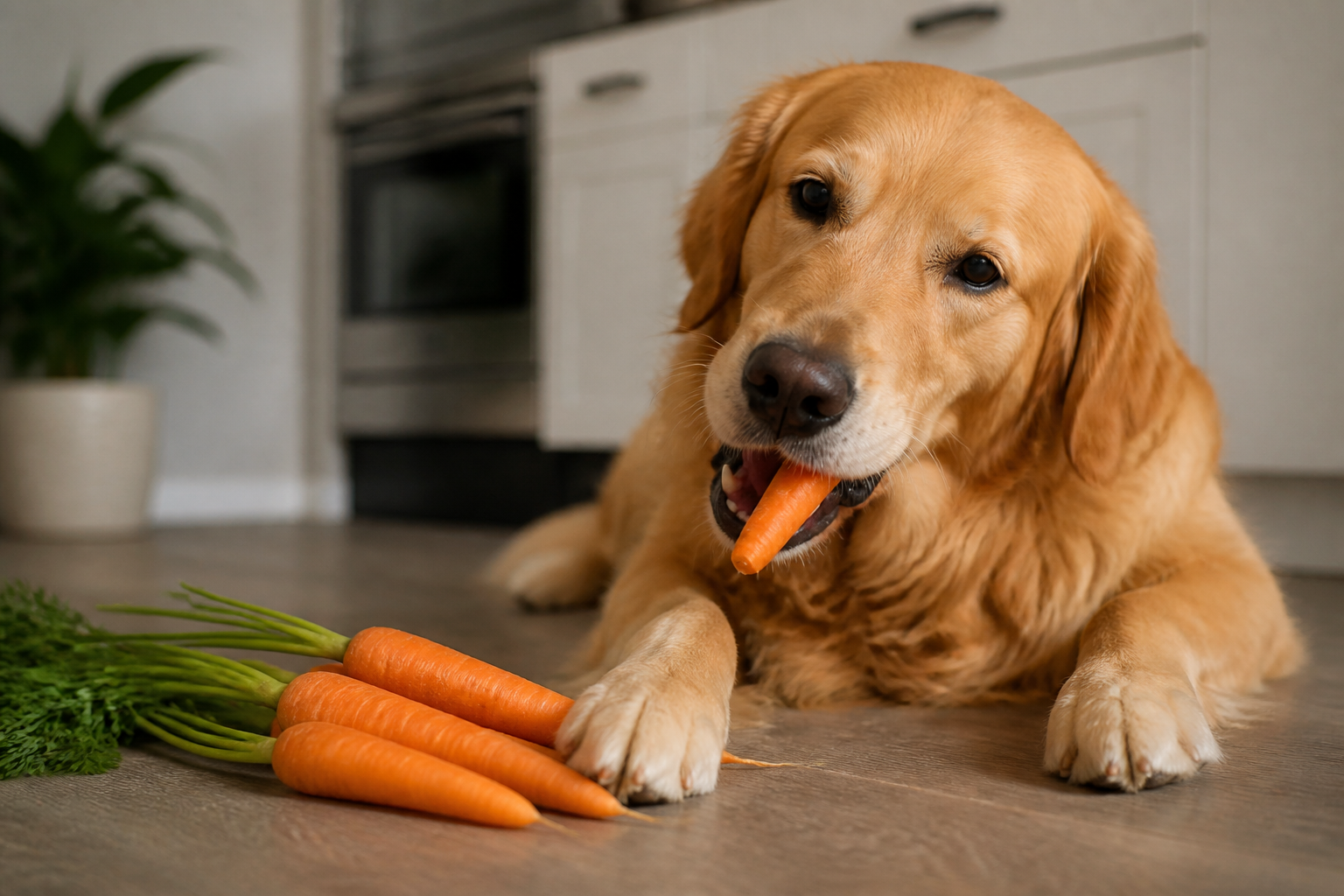
You are standing in the kitchen preparing dinner and your dog is watching every move. You reach for a carrot and wonder if tossing a piece to your pup is more than just a tasty snack. Many owners believe the crunch of a raw carrot acts as a natural toothbrush. It is a common scene in homes across the country. At BaxterBoo, we want to help you understand what actually works for your dog's oral health. While carrots are packed with vitamins and offer some mechanical cleaning benefits, they are not a magic fix for dental hygiene. This post will cover the nutritional value of carrots, how they affect plaque, and the safest ways to serve them. We want you to feel confident about the treats you provide and the care you give.
Quick Answer: Carrots help clean a dog's teeth by mechanically scraping away surface plaque during the chewing process. However, they cannot remove hardened tartar and should only be used as a supplement to regular brushing and professional veterinary cleanings.
The Mechanical Action of Chewing Carrots
When your dog chomps down on a raw carrot, several things happen at once. The most obvious is the mechanical abrasion. As the teeth sink into the firm vegetable, the fibrous texture rubs against the tooth surface. This friction can help dislodge soft plaque that has recently formed. Think of it like using a very mild scrub brush. It is helpful for day to day maintenance but it is not a deep clean.
Another benefit of the crunch is the stimulation of saliva. Chewing is a natural process that triggers the mouth to produce more spit. Saliva is actually quite powerful. It contains enzymes and antibacterial agents that help wash away food particles. It also helps neutralize acids in the mouth that can lead to tooth decay. This "self-cleaning" action is one of the best reasons to encourage healthy chewing habits.
However, there is a limit to what a carrot can do. Plaque eventually hardens into tartar, also known as calculus. Once tartar forms, it is like concrete on the teeth. No amount of carrot chewing will scrape that off. If you see brown or yellow buildup near the gum line, a carrot will not help. That is when you need to consult your veterinarian for a professional cleaning. For more warning signs, read about recognizing bad teeth in dogs.
Key Takeaway: Carrots provide a natural scraping action and boost saliva production, both of which help manage soft plaque. They are a great addition to a dental routine but cannot replace professional care or remove hardened tartar.
Nutritional Benefits Beyond Dental Health
We often focus so much on the teeth that we forget what happens once the carrot is swallowed. Carrots are a powerhouse of nutrition for dogs. They are low in fat and calories, making them an ideal treat for dogs watching their weight. Our team at BaxterBoo loves them because they provide high value rewards without the heavy calorie count of processed biscuits.
Essential Vitamins and Minerals
Carrots are famous for beta-carotene. This is an antioxidant that the dog's body converts into Vitamin A. This vitamin is essential for several bodily functions:
- Supporting healthy vision and eye health.
- Assisting in the formation of strong bones and teeth.
- Enhancing the immune system to fight off infections.
- Maintaining healthy skin and a shiny coat.
In addition to Vitamin A, carrots contain Vitamin K and Potassium. Vitamin K is vital for blood clotting, while potassium helps with nerve function and muscle health. These nutrients work together to keep your dog's entire system running smoothly.
Fiber for Digestion
Carrots are an excellent source of both soluble and insoluble fiber. Insoluble fiber adds bulk to the stool and helps food pass through the digestive tract. This is particularly helpful for dogs that struggle with constipation. Soluble fiber dissolves in water to form a gel-like substance. This can help firm up loose stools and support the growth of beneficial gut bacteria.
Bottom line: Carrots are more than just a dental tool: they are a nutrient-dense snack that supports vision, immunity, and digestive health.
Risks and Considerations for Feeding Carrots
While carrots are generally safe, they are not a "free" food that can be given in unlimited quantities. There are a few specific risks that every pet owner should keep in mind.
Sugar Content and Diabetes
Carrots have a higher natural sugar content than many other vegetables. For most healthy dogs, this is not an issue. However, if your dog is diabetic or has blood sugar concerns, you must be careful. Even natural sugars can cause spikes in glucose levels. Always check with your vet before adding carrots to a diabetic dog's diet.
Choking Hazards
A whole carrot can be a major choking hazard, especially for "gulpers" who do not chew their food thoroughly. Large chunks can get lodged in the esophagus. This is especially dangerous for small breeds. To prevent this, always cut carrots into manageable, bite-sized pieces.
Vitamin A Toxicity
It is very difficult for a dog to get Vitamin A toxicity from whole foods like carrots. However, if your dog is already eating a commercial diet that is heavily fortified with synthetic Vitamin A, adding a massive amount of carrots could theoretically lead to an imbalance. Signs of toxicity include joint pain, stiff movement, and dry skin. It is always best to follow the "10 percent rule." Treats should never make up more than 10 percent of your dog's daily caloric intake.
How to Serve Carrots for Maximum Benefit
The way you prepare a carrot determines how much your dog gets out of it. Depending on whether you want dental benefits or nutritional benefits, you might choose a different method.
Raw Carrots for Teeth
If your primary goal is dental health, raw is the way to go. The hardness of the raw vegetable provides the resistance needed to scrape the teeth. You can serve them as sticks or rounds. Some owners find that giving a whole, large carrot to a big dog provides a good "chew session" that keeps them occupied for several minutes.
Frozen Carrots for Teething
Frozen carrots are a lifesaver for puppy owners. The cold temperature helps numb sore gums during the teething phase. The hard, frozen texture also stands up better to sharp puppy teeth. Just be sure to supervise your puppy to ensure they do not break off a large piece and swallow it whole. You can also explore puppy teething toys and chew ideas.
Cooked or Pureed for Nutrition
Dogs have a hard time breaking down the cellular walls of raw vegetables. If you notice orange chunks in your dog's stool, it means they are not fully digesting the carrot. To help them absorb more nutrients, try lightly steaming the carrots. This softens the fibers without destroying the vitamins. You can also puree raw carrots and add them as a meal topper.
Step-by-Step: Introducing Carrots to Your Dog
Step 1: Wash the carrot. / Remove any dirt or pesticides from the surface.
Step 2: Choose your size. / Cut the carrot into pieces appropriate for your dog's mouth.
Step 3: Start small. / Give only one or two small pieces to see how their stomach reacts.
Step 4: Monitor the stool. / Check for signs of digestive upset or diarrhea over the next 24 hours.
Step 5: Make it a routine. / Once you know they tolerate it, use carrots as a consistent, low-calorie reward.
Building a Complete Dental Care Routine
Carrots are just one piece of the puzzle. A truly healthy mouth requires a multi-pronged approach. We carry a wide variety of brands at BaxterBoo that are specifically designed to fill the gaps that carrots leave behind. Browse our dog dental care category to compare additional options.
Brushing is Still King
Nothing replaces a toothbrush and pet-safe toothpaste. Brushing reaches the gum line where bacteria hide. If your dog is not a fan of brushing, start slowly. Let them lick the toothpaste off your finger first. Many pet toothpastes come in flavors like poultry or beef to make the experience more enjoyable. For additional guidance, review these pet dental care tips.
Dental Chews and Toys
If brushing is a struggle, high-quality dental chews are a great alternative. Look for products with the VOHC (Veterinary Oral Health Council) seal. This seal means the product has been scientifically proven to reduce plaque and tartar. Brands like Greenies or specialized Kong toys can provide hours of chewing that helps clean teeth more effectively than a carrot ever could.
The Role of Professional Care
Regular veterinary exams are non-negotiable. Your vet can spot signs of periodontal disease, cracked teeth, or oral infections that you might miss. Sometimes, a dog needs more than just a cleaning. They might need prescription medications or specialized diets to manage chronic oral health issues.
Our pet pharmacy offers a wide range of FDA-approved medications and prescription pet foods through our partnership with Pet's Choice. If your vet recommends a specific prescription diet for dental health or medications for an oral infection, we can help you get those delivered right to your door. This is a vital resource for owners managing ongoing health needs.
Vet Tip: If you notice your dog has exceptionally bad breath, bleeding gums, or is dropping food while eating, please schedule a vet visit immediately. These are signs of dental disease that require professional intervention rather than home remedies like carrots.
Comparing Dental Tools
| Tool | Primary Benefit | Effectiveness on Tartar | Effort Level |
|---|---|---|---|
| Carrots | Natural, low calorie, mechanical scraping | Low | Very Low |
| Brushing | Deep cleaning at the gum line | High (Prevention) | High |
| Dental Chews | Plaque reduction and breath freshening | Medium | Low |
| Raw Bones | Intense scraping and mental stimulation | Medium/High | Moderate |
| Vet Cleaning | Complete removal of tartar and infection | Very High | Low (for owner) |
The Best Alternatives to Carrots
If your dog is not a fan of carrots or you want to mix things up, other fruits and vegetables offer similar benefits. Each one brings something different to the table.
- Apples: Sliced apples (without seeds or the core) provide a similar crunch to carrots. They are also high in Vitamin C.
- Cranberries: These are fascinating because they can actually help prevent bacteria from sticking to the teeth.
- Cucumbers: These are very low in sugar and have high water content. They are perfect for dogs that need to lose weight but still want a crunchy snack.
- Celery: The stringy fibers in celery act almost like natural dental floss. Plus, the high water content can help freshen breath.
We recommend "feeding the rainbow." By rotating different vegetables, you ensure your dog gets a wide spectrum of antioxidants and minerals. Just remember to introduce every new food slowly to avoid upsetting their stomach.
Why Quality Matters
At BaxterBoo, we have been operating since 2006. We have seen many trends come and go in the pet industry. What remains constant is the need for high-quality, trusted products. Every brand we carry is handpicked by people who genuinely care about animals. We do not just stock items because they sell. We stock them because we would give them to our own pets.
Whether you are looking for the best dental toys, premium food, or prescription medications through our pharmacy, we aim to provide value without compromise. Our MVP Rewards program also allows you to earn up to 5 percent back on your purchases. This makes it easier to afford the high-quality care your dog deserves.
Managing Senior Dental Health
As dogs age, their dental needs become more complex. Senior dogs are more prone to gum recession and tooth loss. A hard, raw carrot might actually be too painful for a senior dog with sensitive teeth. For these older companions, consider lightly steaming the carrots to a "fork-tender" consistency. This allows them to still enjoy the nutritional benefits without risking a cracked tooth. For more senior-care guidance, read about wet and dry food for senior dogs.
Mobility can also play a role in dental health. If a dog has arthritis in their jaw or neck, they may stop chewing on hard toys or vegetables. This lack of chewing leads to faster plaque buildup. In these cases, you may need to rely more heavily on water additives or gels that help break down plaque without requiring intense chewing. Our pharmacy carries various options for managing these chronic age-related conditions.
Summary of Dental Best Practices
Maintaining your dog's smile does not have to be a chore. It is about creating a routine that works for your lifestyle and your dog's personality.
- Use carrots as a healthy, daily reward rather than the only dental solution.
- Brush at least three times a week if daily is not possible.
- Provide VOHC-approved dental chews for days when you cannot brush.
- Keep up with annual veterinary checkups to catch problems early.
- Utilize trusted resources like the BaxterBoo pharmacy for prescription needs.
By combining the natural benefits of whole foods with modern veterinary products, you give your dog the best chance at a long, healthy life. Oral health is closely linked to heart and kidney health, so every minute you spend on their teeth is an investment in their future.
Key Takeaway: A balanced approach that includes natural snacks like carrots, regular brushing, and professional veterinary guidance is the most effective way to ensure your dog's long-term oral health.
Conclusion
Carrots are a wonderful addition to a dog's life. They offer a satisfying crunch, essential vitamins, and a low-calorie way to show your pup some love. While they do provide some mechanical cleaning of the teeth, they are not a substitute for a comprehensive dental care plan. For the best results, combine these natural snacks with regular brushing and professional cleanings. If you are looking for the best gear, treats, or health supplies, we invite you to browse our dog dental treats. From dental toys to prescription diets through our pharmacy, we have everything you need to keep your dog's tail wagging. Start your journey toward better pet health today by joining our MVP Rewards program and exploring our curated selection of over 500 brands.
FAQ
How many carrots can I give my dog each day?
Most dogs can safely enjoy a few small carrot sticks or a handful of baby carrots daily. It is important to remember the 10 percent rule, which states that treats should not exceed 10 percent of your dog's total daily calories. For small dogs, even one large carrot might be too much sugar and fiber at once.
Can puppies eat carrots for teething?
Yes, frozen carrots are an excellent and inexpensive way to soothe a teething puppy's gums. The cold helps reduce inflammation while the chewing action helps loosen baby teeth. Always supervise your puppy while they are chewing to prevent them from choking on large pieces that might break off.
Do carrots help with bad dog breath?
Carrots can help freshen breath slightly by removing food particles and stimulating saliva, but they do not treat the root cause of bad breath. Persistent bad breath is often a sign of bacteria buildup or dental disease deep in the gums. If your dog's breath is consistently foul, it is time to visit the veterinarian for an exam.
Are cooked carrots as good for teeth as raw ones?
Cooked carrots do not provide the same dental benefits as raw carrots because they are much softer. They lack the abrasive texture needed to scrape plaque off the teeth. However, cooked carrots are easier for your dog to digest and allow them to absorb more of the beneficial vitamins and antioxidants.






