
 Save 15% on your 1st Autoship learn more

 Email us
 Live Chat
 FAQs
FAQs





Introduction
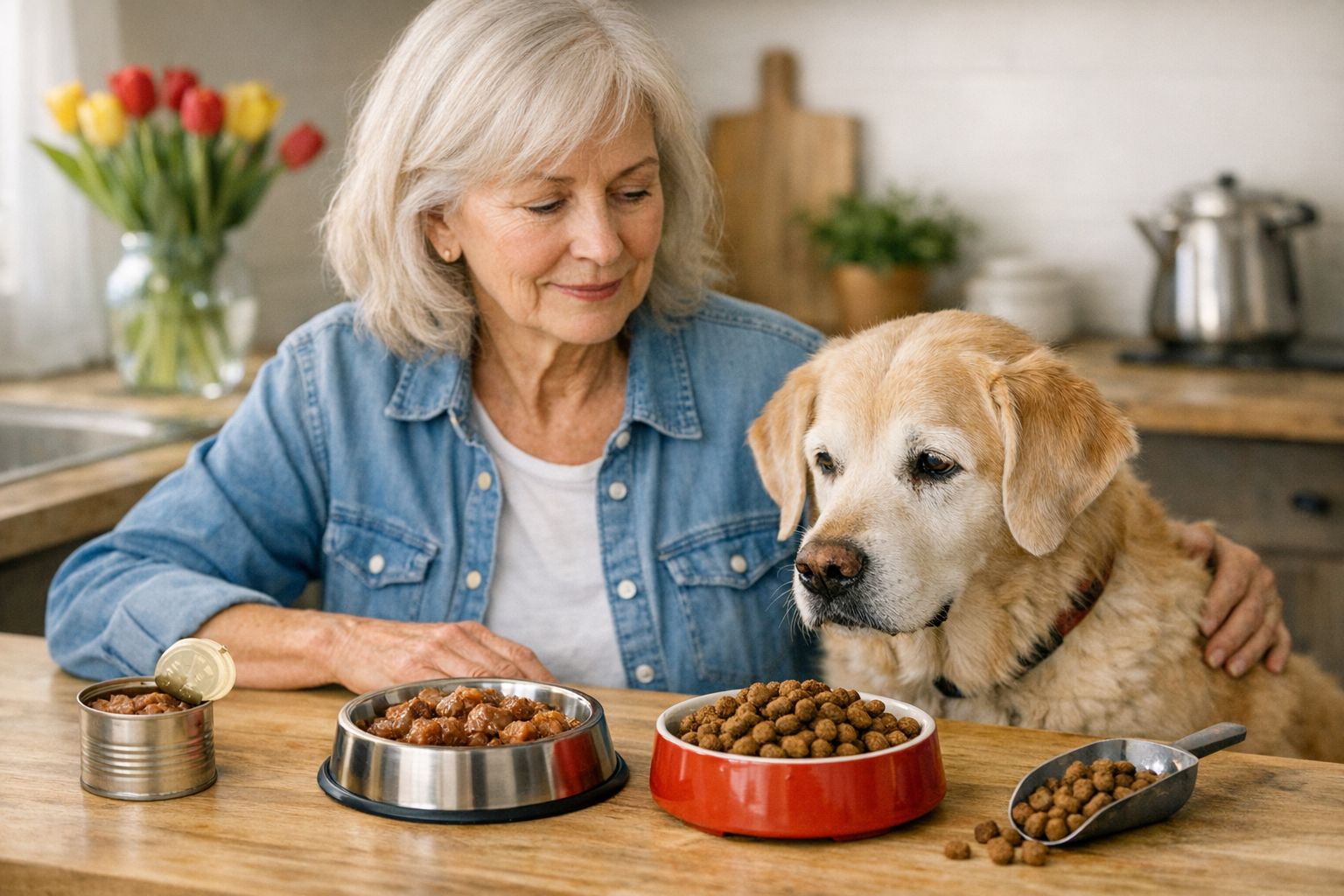
You might notice your old friend moves a little slower when the morning sun hits the floor. Perhaps that gray muzzle is more pronounced, or they are suddenly less interested in the crunchy kibble they have loved for years. These small changes often mean it is time to rethink what goes into their bowl. At BaxterBoo, we have helped pet parents navigate these golden years since 2006. We know that choosing between wet and dry food is one of the most common questions for senior dog owners, and our dog food category is a great place to begin.
There is no single answer that fits every aging dog. The right choice depends on your dog's dental health, hydration needs, and weight. Both formats offer distinct advantages for maintaining muscle mass and organ function. This post covers the pros and cons of each food type and how to decide which is best for your senior companion. Proper nutrition is the foundation of a long, comfortable life for your dog.
Understanding the Senior Life Stage
Dogs are generally considered seniors when they reach the last quarter of their expected lifespan. This timing varies significantly by breed and size. Large and giant breeds like Great Danes or Mastiffs may be seniors by age six or seven. Small breeds like Chihuahuas or Toy Poodles might not reach senior status until age ten or twelve. If you are shopping for age-specific meals, our senior dog food collection can help you compare options built for this stage of life.
As dogs age, their metabolic rate slows down. They often become less active, which changes how many calories they need. Their digestive systems also become less efficient at absorbing nutrients. You may notice your dog losing muscle mass even if they seem to be eating the same amount. This condition makes high-quality protein more important than ever.
Quick Answer: Most senior dogs benefit from a combination of wet and dry food. Wet food provides essential hydration and is easier to chew, while dry food is cost-effective and helps maintain dental health in dogs with strong teeth.
The Case for Dry Dog Food
Dry food, or kibble, remains the most popular choice for many dog owners. It is convenient and easy to store. For senior dogs with healthy teeth and gums, kibble can still be an excellent primary diet.
Dental Health Benefits
One major advantage of dry food is its mechanical cleaning action. The crunchy texture helps scrape away plaque and tartar as the dog chews. For seniors, maintaining oral health is vital. Periodontal disease can lead to systemic issues, including heart and kidney problems. If your senior dog has a healthy mouth, our dog dental care category is a helpful next stop for keeping it that way.
Weight Management and Convenience
Kibble is generally more calorie-dense than wet food. This makes it easier to feed dogs that need to maintain weight. It is also easier to use for enrichment. You can put kibble into puzzle toys like those from Kong to keep your senior dog's mind sharp. Mentally stimulating a senior dog is just as important as physical exercise.
Kibble also allows for free-feeding or grazing. If your dog prefers to eat small amounts throughout the day, dry food will not spoil as quickly as wet food left in a bowl. However, we usually recommend scheduled feedings to monitor exactly how much your senior dog is consuming.
Cost and Storage
Feeding a large senior dog exclusively on wet food can become expensive. Dry food is typically more budget-friendly. It also has a longer shelf life after the bag is opened. This makes it a practical choice for many households. We carry a wide variety of premium dry brands like NutriSource and PureVita that offer senior-specific formulas.
Key Takeaway: Dry food is ideal for senior dogs with good dental health and those who need mental stimulation through puzzle feeders.
The Case for Wet Dog Food
As dogs reach their senior years, wet food often becomes a more attractive option. It addresses several common age-related challenges.
Higher Moisture Content
Dehydration is a significant risk for senior dogs. Many older dogs do not drink enough water on their own. This can be especially dangerous for dogs with kidney or urinary tract issues. Wet food is often 75% to 80% water. Switching to canned food is an easy way to increase your dog's daily fluid intake without forcing them to visit the water bowl more often.
Palatability for Picky Eaters
A dog's sense of smell and taste can diminish with age. This often leads to a decreased interest in food. Wet food is much more aromatic than dry kibble. The strong scent can entice a reluctant senior dog to eat. Brands like PureVita offer highly palatable wet options that appeal to even the most finicky seniors.
Ease of Chewing
Dental issues are common in older dogs. If your dog has missing teeth, sensitive gums, or painful extractions, crunchy kibble can be difficult to eat. Wet food has a soft, uniform texture. It requires very little chewing, making mealtime much more comfortable for dogs with oral discomfort.
Vet Tip: If your senior dog suddenly stops eating or seems to drop kibble from their mouth, schedule a dental exam. Oral pain is a common reason for appetite loss in older pets.
Nutritional Priorities for Senior Dogs
Regardless of whether you choose wet or dry, the ingredients inside the food matter most. Senior dogs have specific requirements to support their aging bodies.
The Importance of High Protein
A common myth is that senior dogs need less protein to protect their kidneys. Modern research shows the opposite is usually true. Healthy senior dogs actually need more protein to maintain lean muscle mass. Muscle wasting, or sarcopenia, is a major concern in aging pets. Look for foods where a high-quality animal protein like chicken, beef, or fish is the first ingredient. Our Open Farm selection is a good example of a brand with senior-friendly formulas to compare.
Managing Calories and Fiber
Some senior dogs become "easy keepers" who gain weight quickly. Others may lose weight and struggle to keep it on. Senior-specific formulas often adjust calorie counts to reflect these needs. Increased fiber is also beneficial. It helps with digestive regularity and makes the dog feel full. This is helpful for dogs that are always begging for treats.
Supplements for Support
Many senior foods include built-in supplements. Glucosamine and chondroitin support joint health. Omega-3 fatty acids from fish oil help reduce inflammation and support cognitive function. We offer many supplements and specialized foods that contain these ingredients to help your dog stay mobile and alert.
Bottom line: High-quality protein and targeted supplements are the pillars of a senior dog's diet, regardless of the food's texture.
When to Consider Prescription Diets
Sometimes, standard retail food is not enough for a dog with chronic health conditions. Senior dogs are more prone to issues like kidney disease, heart failure, and severe cognitive decline.
Through our pharmacy dog category, the BaxterBoo pharmacy offers access to FDA-approved medications and prescription pet foods. If your veterinarian diagnoses your dog with a condition that requires a therapeutic diet, we can help. Our pharmacy carries options like Farmina Vet Life and Royal Canin prescription formulas.
These diets are carefully balanced to manage specific health markers. For example, a kidney diet will have controlled levels of phosphorus and sodium. These adjustments are difficult to find in standard over-the-counter foods. Always consult your veterinarian before switching to a prescription diet to ensure it is the right move for your dog's specific diagnosis.
The "Best of Both Worlds" Approach
Many pet owners find that a combination of wet and dry food works best. This is often called "mixed feeding."
Using Wet Food as a Topper
You can provide the dental benefits of kibble while adding the aroma and hydration of wet food by using a topper. Adding a few spoonfuls of canned food to a bowl of kibble can transform a boring meal. This is a cost-effective way to get the benefits of wet food without switching the entire diet. Our food topper collection makes it easy to find options that fit this approach.
Softening Kibble at Home
If your dog prefers kibble but struggles with the hardness, you can soften it yourself. Adding warm water or low-sodium bone broth to dry food is an excellent trick. Let the food sit for ten to fifteen minutes until it absorbs the liquid. This enhances the smell and makes the texture much softer.
Transitioning Foods Slowly
When you decide to change your senior dog's diet, go slowly. Older dogs often have more sensitive digestive systems. A sudden change can lead to upset stomachs or diarrhea.
Step 1: Mix 25% of the new food with 75% of the old food for three days. Step 2: Move to a 50/50 mix for the next three days. Step 3: Increase to 75% new food and 25% old food for another three days. Step 4: Transition to 100% of the new food.
Monitor your dog's stool and energy levels during this time. If you notice any issues, slow the transition down further.
Managing Common Senior Health Issues through Diet
Diet is a powerful tool for managing the everyday challenges of aging.
Joint Stiffness and Mobility
If your dog is reluctant to climb stairs, they may benefit from anti-inflammatory ingredients. Omega-3 fatty acids are excellent for joint support. Many wet foods include these naturally through fish proteins. You might also consider adding a dedicated joint supplement like Cosequin or Honest Paws to their daily routine.
Cognitive Function
"Doggy dementia" or canine cognitive dysfunction can be distressing. Some foods are formulated with Medium Chain Triglycerides (MCTs) and antioxidants to support brain health. These nutrients help maintain mental sharpness and can improve sleep patterns in senior dogs.
Kidney and Heart Health
Sodium and phosphorus levels become critical as organs age. High-quality senior foods like those from Open Farm or Acana carefully manage these minerals. If your dog has advanced heart or kidney issues, your vet may recommend the specialized options available through our pharmacy.
Key Takeaway: Customizing your dog's food to their specific health challenges can significantly improve their quality of life.
Monitoring Your Senior Dog's Progress
Once you have chosen a food, keep a close eye on your dog. Look for changes in their coat quality, energy levels, and weight. Regular weigh-ins are a good habit. It is much easier to address a two-pound weight gain than a ten-pound one.
Regular veterinary checkups are essential for senior dogs. We recommend wellness exams at least twice a year. Your vet can perform blood work to check organ function and ensure the current diet is still appropriate. They can also provide guidance on whether your dog needs prescription support.
We are committed to helping you find the right balance for your pet. Our selection of over 500 brands ensures you have access to the best nutrition available. Whether you prefer home delivery through our Autoship programme or want to visit our warehouse in Vernon Hills, we are here to support your dog's senior years.
Bottom line: Every senior dog is an individual, so be prepared to adjust their diet as their needs evolve over time.
Conclusion
Choosing between wet and dry food for your senior dog does not have to be stressful. Focus on your dog's specific needs: do they need more water, is chewing difficult, or are they gaining weight? Often, a mix of both types provides the best balance of hydration, palatability, and dental health.
- Prioritize high-quality animal protein to maintain muscle.
- Consider wet food if your dog needs more hydration or has dental pain.
- Use kibble for weight management and mental enrichment.
- Consult your vet about prescription diets for chronic conditions.
The most important step is to stay observant and flexible. As your dog ages, their needs will continue to shift. You can find everything from premium kibble to specialized prescription diets in our Medical & Mobility section or through the BaxterBoo pharmacy, and our MVP Rewards programme can help you make the most of future purchases.
FAQ
Can I mix wet and dry food for my senior dog? Yes, mixing wet and dry food is a great way to provide the benefits of both. This approach increases hydration and palatability while still offering some dental cleaning benefits from the kibble. Just be sure to calculate the total calories to avoid overfeeding.
Is wet food better for senior dogs with kidney disease? Wet food is often recommended for dogs with kidney issues because of its high moisture content. Proper hydration helps the kidneys flush out toxins more effectively. However, your vet may recommend a specific prescription kidney diet available through our pharmacy to manage phosphorus and protein levels.
How do I know if my senior dog's teeth are too sensitive for dry food? Signs of dental sensitivity include dropping kibble while eating, chewing on only one side of the mouth, or whining at the food bowl. You might also notice blood on their toys or a sudden preference for soft treats. If you see these signs, try softening their food with warm water and consult your veterinarian for a dental exam.
Does wet food cause weight gain in older dogs? Wet food itself does not cause weight gain, but the total number of calories does. In fact, because wet food is high in water, it can actually help with weight loss by helping your dog feel full on fewer calories. Always check the feeding guidelines on the label and adjust based on your dog's activity level.






