Save 15% on your 1st Autoship learn more

 Email us
 Live Chat
 FAQs
FAQs





Introduction
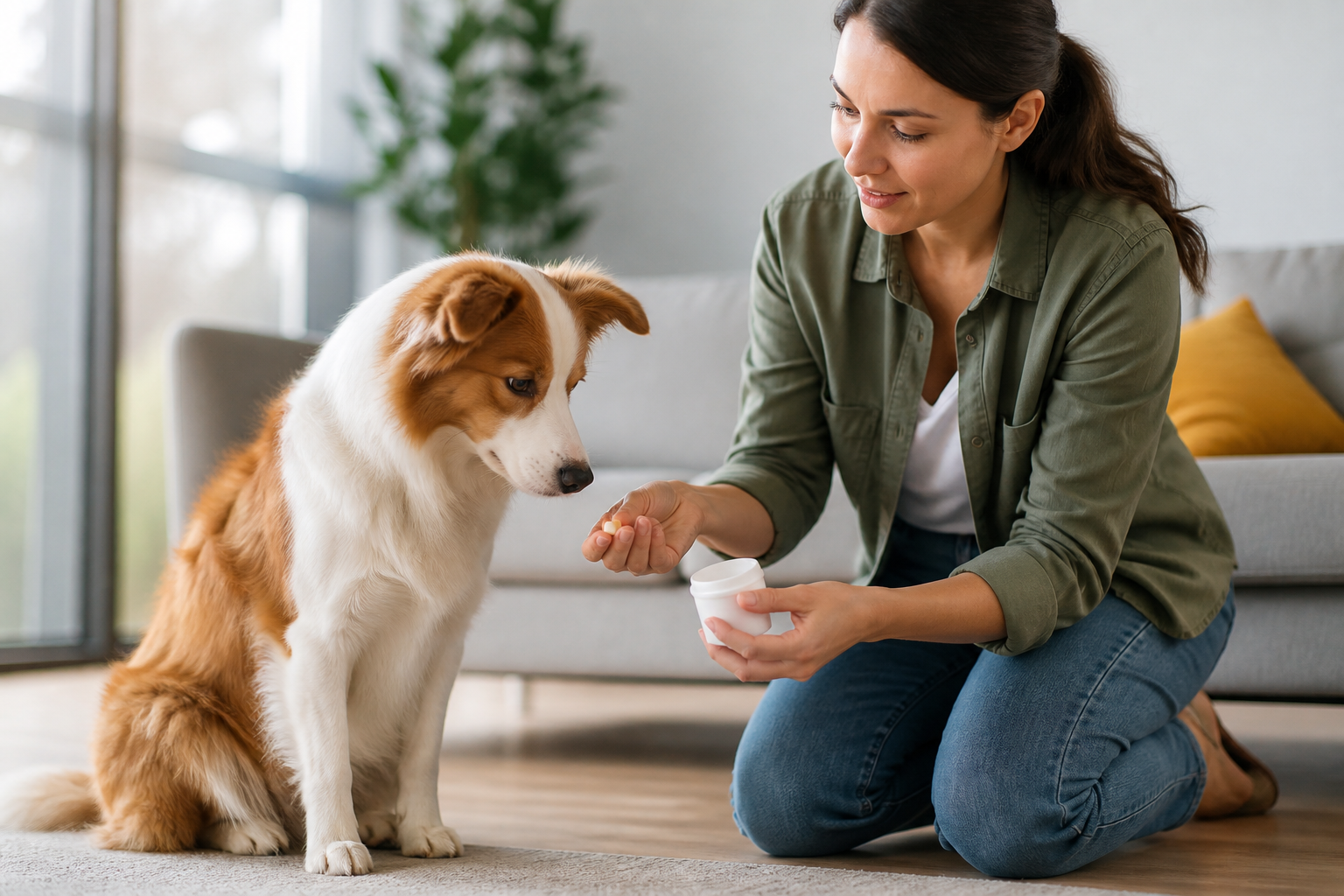
You decided to start your dog on a probiotic to help with their itchy skin or sensitive stomach. You bought a high quality supplement, followed the label, and waited for the positive changes. Instead, you found yourself cleaning up loose stools or rushing your dog outside in the middle of the night. This is a frustrating moment for any pet owner. You want to help your dog feel better, but the supplement seems to be doing the opposite.
At BaxterBoo, we talk to pet owners every day who are trying to balance their dog's digestive health. While probiotics are generally very safe, they can occasionally lead to temporary stomach upset. This post will cover why some dogs react this way, how to tell if the symptoms are serious, and the best way to introduce supplements. Understanding how these beneficial bacteria interact with your dog's gut will help you manage their wellness routine with confidence.
Quick Answer: Yes, probiotics can cause temporary diarrhea in dogs. This usually happens as the gut microbiome adjusts to new bacteria or if the initial dose is too high. Most mild cases resolve within a few days of adjusting the dosage.
Why Some Dogs Get Diarrhea From Probiotics
Probiotics are live, beneficial microorganisms. When you introduce them to your dog's digestive tract, they begin to compete with existing bacteria for space and nutrients. This shift in the internal environment is generally a good thing. However, the transition can be messy.
The primary reason for diarrhea is the sudden change in the gut's bacterial balance. If a dog has a high population of harmful bacteria, the introduction of beneficial strains like Lactobacillus or Bifidobacterium can cause a reaction. As the "good" bacteria begin to colonize, the gut may respond with increased motility. This means things move through the colon faster than usual, leading to loose stools.
Another factor is the production of short chain fatty acids. Probiotics produce these acids as they ferment fibers in the gut. While these fatty acids are essential for colon health, a sudden influx can sometimes pull water into the intestines. This extra water is what creates the watery or loose consistency you see in the yard.
Common Signs of an Adjustment Period
- Increased gas or flatulence
- Softer stool than usual
- More frequent bowel movements
- Mild gurgling sounds in the stomach
- Temporary decrease in appetite
Key Takeaway: Diarrhea from a probiotic is usually a sign of a shifting microbiome rather than a permanent intolerance. It indicates that the live cultures are active and interacting with the dog's existing gut flora.
The Role of Dosage and Potency
A common mistake is starting with the full recommended dose on day one. Many pet owners think that more is better when it comes to "natural" supplements. Probiotics are measured in Colony Forming Units or CFUs. Some high potency supplements contain 10 billion to 50 billion CFUs per serving. For a dog that is not used to these supplements, that is a massive amount of new bacteria to process at once.
If the dose is too high, the gut becomes overwhelmed. The body’s natural response to an overwhelming influx of new material is often to flush it out. This is why many dogs experience sudden diarrhea after the first or second dose of a powerful probiotic.
We often suggest starting with a quarter or half of the recommended dose. This allows the digestive system to adapt slowly. You can find many reputable options in our dog digestive health category that offer clear dosing instructions. If your dog has a sensitive stomach, always lean toward the smaller end of the dosing spectrum to start.
How to Start a Probiotic Safely
- Read the label: Check the total CFU count and the specific strains included.
- Start small: Give only 25 percent of the suggested dose for the first three days.
- Monitor stools: Look for changes in consistency, color, or frequency.
- Increase slowly: If the stool remains firm, move to 50 percent of the dose for another three days.
- Reach full dose: Only move to the full dose once your dog has shown they can handle the smaller amounts without issues.
Hidden Ingredients and Sensitivities
Sometimes it is not the probiotic bacteria itself causing the diarrhea. Many supplements come in the form of flavored chews, powders, or capsules. These products contain inactive ingredients that could trigger a sensitive dog.
Common culprits include:
- Beef or chicken flavorings: Many dogs have protein sensitivities.
- Dairy products: Some probiotics use milk based mediums for the bacteria.
- Fillers: Ingredients like maltodextrin, pea flour, or soy can cause gas and loose stools.
- Sweeteners: While most pet brands avoid xylitol, other sugar alcohols can sometimes cause digestive distress.
If your dog has known food allergies, check the ingredient list carefully. A dog with a chicken allergy might react poorly to a chicken flavored probiotic chew. In these cases, a flavorless powder or a capsule might be a better choice.
Vet Tip: If your dog has a history of severe food allergies or chronic inflammatory bowel disease, consult your veterinarian before starting any new supplement. They can help you identify which carriers or fillers are safest for your dog's specific needs.
When Diarrhea Becomes a Concern
While a day or two of soft stool is often just an adjustment, there are times when you should stop the supplement and call the vet. Diarrhea can lead to dehydration very quickly, especially in small dogs, puppies, or seniors.
You should seek veterinary guidance if you notice any of the following:
- Blood in the stool: Bright red blood or dark, tarry stools are a sign of significant irritation or bleeding.
- Vomiting: If your dog cannot keep water down along with having diarrhea, they are at high risk for dehydration.
- Lethargy: A dog that is unusually tired, weak, or unresponsive needs immediate care.
- Pain: Whining, pacing, or a tensed abdomen suggests the discomfort is more than just mild gas.
- Persistence: If the diarrhea lasts more than 48 hours despite stopping the probiotic, something else may be wrong.
It is possible that the timing is a coincidence. Your dog may have picked up a parasite like Giardia or an infection like Parvovirus at the same time you started the supplement. A vet can run a fecal test to rule out these other causes.
Managing Chronic Digestive Issues
If your dog suffers from ongoing digestive problems, a standard over the counter probiotic might not be enough. Some conditions require specific prescription diets or clinical grade medications. These are formulated to be extremely easy to digest while providing specific nutrient ratios.
Our pharmacy at BaxterBoo offers a wide range of FDA approved medications and prescription pet foods through our partnership with Pet's Choice. If your veterinarian recommends a prescription diet like Royal Canin Gastrointestinal or Farmina Vet Life, you can fulfill those needs with us. These diets often include carefully managed fiber and probiotic levels that are safer for dogs with compromised gut health.
Key Takeaway: Transitioning to a prescription diet should always be done under a vet's supervision. Our pharmacy can help coordinate with your clinic to ensure your dog gets exactly what they need for long term stability.
The Difference Between Probiotics and Prebiotics
Many supplements are actually synbiotics. This means they contain both probiotics and prebiotics. Understanding the difference can help you figure out why your dog might be having a reaction.
Probiotics are the live bacteria. Prebiotics are a type of fiber that acts as food for those bacteria. Common prebiotics include inulin, chicory root, and fructooligosaccharides (FOS). While prebiotics are excellent for gut health, they are fermentable fibers.
If a supplement is very high in prebiotics, it can cause significant gas and bloating. This is because the bacteria in the gut are fermenting that fiber and producing gas as a byproduct. If the gas buildup is intense, it can lead to cramping and loose stools. If your dog seems very gassy but the stool is mostly firm, the prebiotic component might be the cause rather than the probiotic itself.
How Long Should the Adjustment Take?
Most experts agree that a dog's gut should adjust to a new probiotic within three to seven days. During this window, you might see some minor fluctuations in stool quality. This is often referred to as a "rebalancing" phase.
If you have lowered the dose and your dog is still having diarrhea after a week, that specific product might not be right for them. Every dog has a unique microbiome. A strain that works wonders for one dog might not be compatible with another.
Bottom line: Give the supplement at least a week at a reduced dose before deciding it doesn't work, provided the dog remains energetic and hydrated.
Quality Matters: How to Choose the Right Probiotic
The pet supplement industry is not as strictly regulated as the pharmaceutical industry. This means that the quality of probiotics can vary wildly between brands. Some products may not actually contain the number of live organisms listed on the label. Others might be contaminated with mold or unwanted bacteria.
When shopping at BaxterBoo, look for products with the National Animal Supplement Council (NASC) seal. This seal indicates that the manufacturer has passed a comprehensive third party audit and maintains strict quality control standards. Brands like Cosequin and Zesty Paws often carry this seal, providing extra peace of mind.
What to Look for on a Label
- Specific Strains: Look for full names like Lactobacillus acidophilus rather than just "probiotics."
- CFU Count: Ensure the count is guaranteed through the expiration date, not just at the time of manufacture.
- Storage Requirements: Some probiotics must be refrigerated to stay alive. If you leave a refrigerated product on the counter, the bacteria will die and could cause stomach upset.
- Expiration Date: Never give your dog expired probiotics, as the bacterial balance can shift or become ineffective.
Probiotics During Antibiotic Treatment
One of the most common reasons vets recommend probiotics is during or after a course of antibiotics. Antibiotics are life saving, but they are not selective. They kill the bad bacteria causing an infection, but they also wipe out the beneficial bacteria in the gut. This is why many dogs get "antibiotic-associated diarrhea."
Giving a probiotic during this time can help maintain some balance. However, timing is everything. If you give the probiotic at the same time as the antibiotic, the medication will simply kill the new "good" bacteria.
Vet Tip: Space out the antibiotic and the probiotic by at least two to four hours. This gives the probiotic a better chance to colonize the gut without being immediately neutralized by the medication.
Transitioning to a New Food
Sometimes owners start a probiotic at the same time they switch their dog to a new food. This makes it impossible to tell what is causing the diarrhea. If the stools get loose, you won't know if it is the new protein source or the new supplement.
Always change one thing at a time. If you are starting a new food, wait at least two weeks for your dog’s stomach to settle before adding a probiotic. If you are starting a probiotic, keep the diet exactly the same for at least ten days. This "single variable" approach is the best way to keep your dog's digestion on track.
For additional guidance, read our guide to switching your dog’s food.
Probiotics for Puppies and Seniors
Age plays a huge role in how a dog processes supplements. Puppies have developing immune systems and highly sensitive digestive tracts. They are more prone to sudden bouts of diarrhea from any dietary change. When giving probiotics to a puppy, extra caution is needed.
Seniors often have slower digestion or may be managing chronic conditions like kidney disease or arthritis. They might already be taking several medications. Adding a probiotic can be very helpful for an aging immune system, but it must be done gradually. For senior pets, we often recommend checking with a vet to ensure the probiotic won't interfere with their current medications.
Dietary Alternatives to Supplements
If your dog cannot handle a concentrated probiotic supplement, you might consider whole food sources. These often provide a lower dose of beneficial bacteria in a more natural form.
- Plain Greek Yogurt: Ensure it is unsweetened and contains no xylitol. Most dogs can handle a small spoonful.
- Kefir: This fermented milk drink is often higher in probiotics than yogurt but can be rich, so start small.
- Fermented Vegetables: Some dog friendly fermented veggies can provide prebiotics and probiotics, but they are often high in sodium.
- Specific Dog Foods: Many premium brands we carry, such as Stella and Chewy's or NutriSource, include probiotics directly in the kibble or as a coating.
These options are often better tolerated by dogs who find high CFU powders too intense. However, if your dog is lactose intolerant, even plain yogurt can cause diarrhea.
For more ideas about nutrition for dogs with digestive sensitivities, explore these diet options for dogs with sensitive stomachs.
Summary of Managing Probiotic-Related Diarrhea
If your dog is currently experiencing loose stools after starting a supplement, do not panic. Most of the time, this is a manageable issue that does not require a trip to the emergency room.
- Stop the supplement for 24 hours to let the gut rest.
- Reintroduce at 25 percent of the original dose.
- Ensure your dog has plenty of fresh water.
- Check the ingredient list for potential allergens or fillers.
- If symptoms persist or worsen, stop the product entirely and consult a professional.
Managing your dog’s gut health is a marathon, not a sprint. It takes time for the internal environment to stabilize. By being patient and observant, you can help your dog get the benefits of probiotics without the digestive drama.
Conclusion
Probiotics are a powerful tool for supporting your dog's immune system and digestion. While they can cause temporary diarrhea, this is usually a manageable side effect of the "good" bacteria settling in. By starting with a low dose and choosing high quality brands from a trusted source like BaxterBoo, you can minimize these risks. Always remember that every dog is an individual, and what works for one may not work for another. If you find yourself dealing with persistent issues, our pharmacy and Pet's Choice partnership are here to help you access the prescription care your dog might need.
Key Takeaway: Start probiotics slowly, monitor your dog's reaction, and always prioritize hydration. If diarrhea is severe or persistent, a vet visit is the safest next step.
Keep your dog's gut health on track by exploring our dog healthcare selection. If your dog needs more than just a daily chew, talk to your vet about our pharmacy services for prescription diets and medications.
FAQ
Can I give my dog human probiotics if they have diarrhea?
While human probiotics are generally not toxic to dogs, they are formulated for the human gut microbiome. Dogs have different bacterial strains and different pH levels in their stomachs. It is always better to use a species-specific product designed for canine digestion to ensure the bacteria actually survive the trip to the gut.
How do I know if my dog is having an allergic reaction to a probiotic?
An allergic reaction usually involves more than just diarrhea. Look for signs like intense itching, hives, swelling around the face or paws, or redness in the ears. If your dog is only experiencing loose stools and gas, it is more likely a digestive sensitivity or an adjustment period rather than a true systemic allergy.
Can a dog overdose on probiotics?
It is very difficult for a dog to "overdose" in a way that is life threatening, but they can certainly take too much. A massive dose of probiotics will likely lead to significant vomiting, severe diarrhea, and abdominal cramping. Always stick to the recommended serving sizes and keep the container out of your dog's reach.
Do all dogs need a probiotic supplement?
Not every dog needs a daily probiotic. If your dog has firm stools, a shiny coat, and no history of digestive issues, their microbiome is likely already well balanced. Probiotics are most beneficial for dogs with sensitive stomachs, those recovering from illness or antibiotics, and those with skin or allergy concerns.