
 Save 15% on your 1st Autoship learn more

 Email us
 Live Chat
 FAQs





Introduction
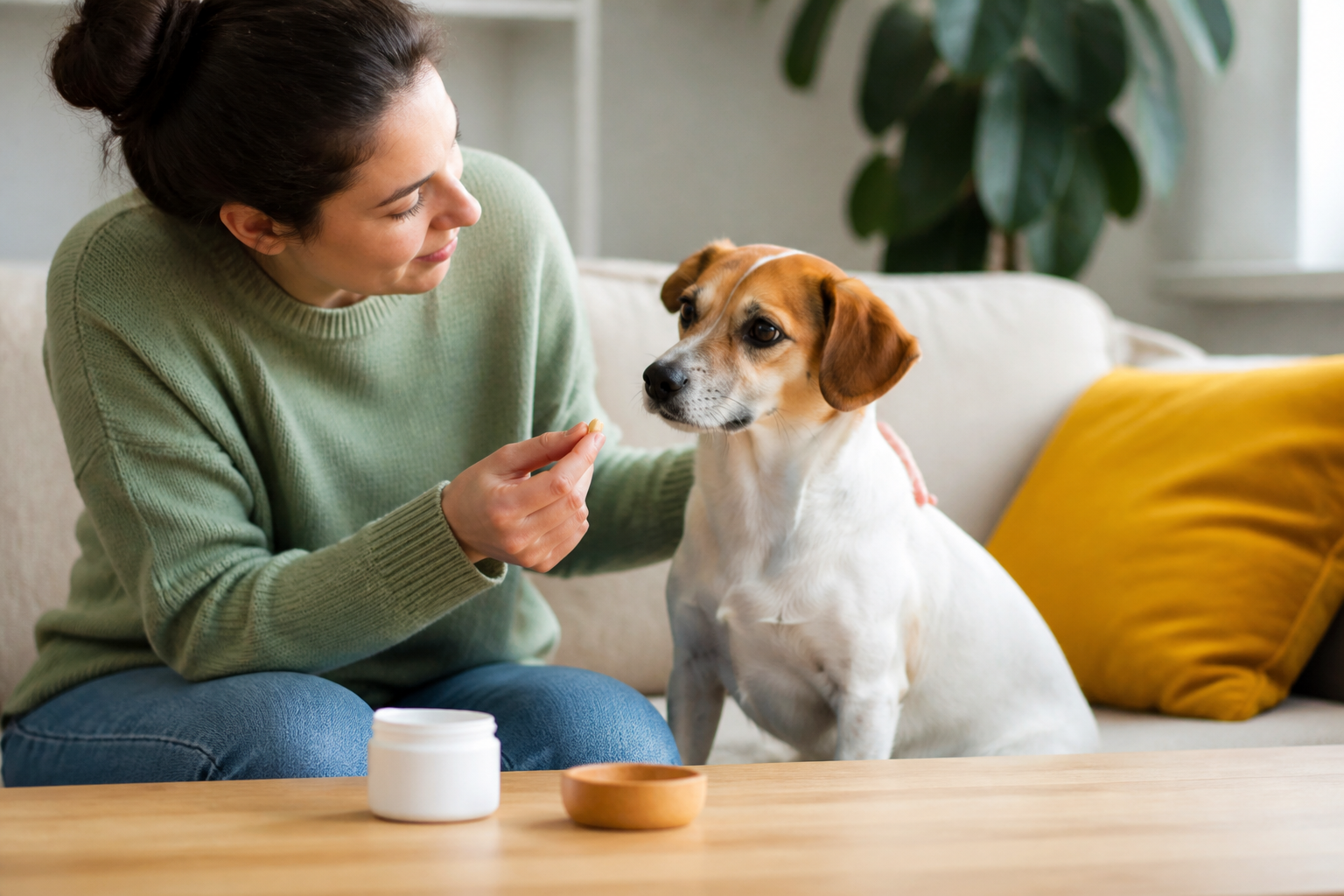
Finding a mess on the rug or seeing your dog strain during a walk is a stressful moment for any pet parent. Diarrhea is one of the most common reasons people visit our warehouse in Vernon Hills or reach out to us online. It can happen because of a new treat, a stressful move, or a round of antibiotics. You want your dog to feel better fast, and you might have heard that probiotics are the answer. At BaxterBoo, we want to help you understand how these supplements work and if they are right for your furry friend. This post covers the science behind gut health, the specific strains that target loose stools, and how to choose a quality product. Probiotics can be a powerful tool for restoring your dog's digestive balance and overall comfort.
Quick Answer: Yes, probiotics help with many types of dog diarrhea by restoring the balance of healthy bacteria in the gut. They are especially effective for diarrhea caused by stress, sudden food changes, or antibiotic use.
Understanding the Canine Microbiome
Every dog has a complex ecosystem of bacteria, yeast, and other microbes living in their digestive tract. This is known as the microbiome. When your dog is healthy, the "good" bacteria keep the "bad" bacteria in check. This balance is vital for digestion, nutrient absorption, and immune system strength.
When this balance is disrupted, it leads to a condition called dysbiosis. This is often when diarrhea occurs. The harmful bacteria take over, leading to inflammation and a lack of water absorption in the colon. Probiotics work by introducing a fresh army of beneficial microbes to help reclaim that balance.
Common Causes of Gut Imbalance
- Dietary Indiscretion: This is the polite term for when your dog eats something they shouldn't, like trash or spoiled food.
- Stress: Changes in the home, boarding, or travel can upset the stomach.
- Antibiotics: These medications kill harmful bacteria, but they often kill the good ones too.
- Dietary Changes: Switching food brands too quickly can overwhelm the digestive system.
Dog Digestive & Urinary Aids









How Probiotics Specifically Target Diarrhea
Probiotics are more than just "good germs." They perform specific tasks in the gut that help firm up stools and soothe the digestive lining. When you give your dog a supplement, those live organisms travel to the intestines.
Once there, they compete with harmful bacteria for resources and space. This is called competitive inhibition. By taking up the "parking spots" on the intestinal wall, probiotics prevent bad bacteria from attaching and causing trouble. They also help lower the pH level in the gut. Most harmful pathogens prefer a more alkaline environment, so a slightly more acidic gut helps the good bacteria thrive while the bad ones struggle.
Key Takeaway: Probiotics restore gut health by crowding out harmful bacteria and creating an environment where healthy microbes can flourish.
Specific Strains to Look For
Not all probiotics are the same. If you are dealing with diarrhea, you want to look for specific strains that have been researched for canine digestive health. Most high-quality supplements will list the genus, species, and strain on the label. You can compare options in our dog digestive health collection.
Enterococcus Faecium (SF68)
This is one of the most well-studied strains for dogs. It is known for its ability to survive the trip through the stomach's harsh acid. It is very effective at shortening the duration of diarrhea, especially in puppies or dogs in high-stress environments like shelters.
Bifidobacterium Animalis (AHC7)
This strain is excellent for improving stool quality. Research suggests it can help dogs recover from acute diarrhea faster than a placebo. It is a common ingredient in premium digestive supplements.
Lactobacillus Acidophilus
This is a "workhorse" probiotic. It helps with general digestion and may improve the frequency and consistency of your dog’s waste. It is often paired with other strains for a broad-spectrum approach.
Bifidobacterium Longum (BL999)
While often used for anxiety, this strain is important because stress and diarrhea are closely linked. If your dog gets a nervous stomach during thunderstorms or car rides, this strain can help maintain a calm gut.
Vet Tip: If your dog has a chronic health condition or a severely weakened immune system, always talk to your veterinarian before starting a probiotic. In rare cases, introducing live bacteria can be a risk for immunocompromised pets.
The Role of Prebiotics
You will often see the word "prebiotic" on supplement labels. Think of probiotics as the grass and prebiotics as the fertilizer. Prebiotics are types of fiber that the "good" bacteria eat. Common prebiotics include chicory root, inulin, and fructooligosaccharides (FOS).
Using a product that combines both is called a synbiotic. This combination ensures that the new bacteria you are introducing have the food they need to survive and multiply. We carry many synbiotic options that provide this two-step approach to gut health, including Fera Pet Organics Probiotics with Prebiotics.
Comparing Probiotic Forms
| Form | Best For | Pros | Cons |
|---|---|---|---|
| Powder | Picky eaters | Easy to mix with food; usually high CFU count | Can be messy; may change food texture |
| Chews | Convenience | Tastes like a treat; no measuring required | Some dogs may be allergic to flavorings |
| Capsules | Accurate dosing | Protects bacteria from air and moisture | Harder to give to dogs that hate pills |
| Pastes | Acute issues | Fast-acting; easy to dose for small dogs | Often more expensive per serving |
How to Start a Probiotic Routine
When you start a probiotic, do not expect a miracle in five minutes. It takes time for the bacteria to colonize the gut. However, for acute diarrhea, you might see a difference in 24 to 48 hours. For chronic issues, it may take several weeks to see the full benefit.
Step 1: Choose a high-quality product. Look for a "guaranteed analysis" that shows the number of Colony Forming Units (CFUs) at the end of the shelf life, not just at the time of manufacture.
Step 2: Read the dosage instructions. Most probiotics are based on your dog's weight. Follow the package or your vet's guidance.
Step 3: Introduce it slowly. Even though these are "good" bacteria, a sudden influx can sometimes cause temporary gas or bloating. Start with a half dose for the first two days.
Step 4: Consistency is key. Give the supplement at the same time every day. Many people find that giving it with a meal helps the dog's stomach handle the new addition. For a chewable option, consider Zesty Paws Vet Strength Pre, Post & Probiotic Gut Health Bites.
Bottom line: Most dogs show improvement within a few days, but long-term gut health requires consistent daily use.
When Probiotics Aren't Enough: When to See a Vet
While probiotics are helpful for many types of tummy trouble, they are not a cure-all. Diarrhea can be a symptom of serious issues like parvovirus, intestinal blockages, or parasites. It is important to know when to stop the home remedies and call the professional.
Contact your veterinarian immediately if you notice:
- Blood in the stool (either bright red or dark and tarry)
- Extreme lethargy or weakness
- Persistent vomiting along with diarrhea
- A fever or very pale gums
- Painful or bloated abdomen
- Diarrhea that lasts more than 48 hours despite treatment
Vet Tip: Dehydration is the biggest risk with diarrhea. If your dog’s gums feel dry and tacky or if their skin doesn't "snap back" when gently pinched, they need urgent veterinary care and possibly IV fluids.
The BaxterBoo Pharmacy and Expert Care
We know that managing a dog's health can be complicated. Sometimes a standard supplement is exactly what is needed. Other times, your vet might prescribe a specific prescription diet or a clinical-strength probiotic like those from Farmina Vet Life or Royal Canin.
Our dog pharmacy provides access to FDA-approved medications and prescription pet foods. This allows you to get your dog’s specialized needs delivered right to your door with the same care and value you expect from us. If your vet has written a script for a chronic digestive condition or a specific anti-parasitic, our pharmacy team is ready to help.
We have been helping pet owners since 2006. We handpick the brands we carry because we want only the best for our own pets. Whether you are looking for a daily chew from Zesty Paws or a therapeutic powder like FortiFlora, we have the selection and expertise to guide you.
Transitioning to a Gut-Healthy Diet
Once the diarrhea has cleared up, you might want to look at your dog's daily food. A diet high in quality proteins and the right balance of fiber can prevent future issues. Many premium brands we carry, like NutriSource or Open Farm, include probiotics and prebiotics directly in their kibble formulas.
For more guidance, read how to transition your dog to a new food.
If your dog has a sensitive stomach, consider these tips:
- Avoid feeding table scraps, especially high-fat foods.
- Use a slow feeder bowl to prevent "gulping" air.
- Keep your dog away from standing water or puddles outside.
- Maintain a regular feeding schedule to keep the digestive system on track.
Summary of Probiotic Benefits
Probiotics offer a range of advantages beyond just stopping diarrhea. Because a huge portion of the immune system lives in the gut, a healthy microbiome supports your dog's overall wellness.
- Immune Support: Helps the body fight off pathogens before they cause illness.
- Skin and Coat: A healthy gut often leads to less itching and a shinier coat.
- Stress Management: Certain strains help dogs stay calm during transitions.
- Nutrient Absorption: Helps your dog get the most out of their high-quality food.
For additional ideas, explore diet options for dogs with sensitive stomachs.
Bottom line: A daily probiotic is a simple way to support your dog's internal health and provide a safety net against common digestive upsets.
FAQ
Can I give my dog human probiotics for their diarrhea?
While human probiotics are generally not toxic to dogs, they are not ideal. A dog's gut microbiome is different from a human's, and the bacterial strains in human supplements may not survive the canine digestive process. It is much better to use a species-specific product designed with the right strains and concentrations for a dog's unique needs.
How long does it take for probiotics to work?
For sudden diarrhea caused by stress or a minor diet change, you might see firmer stools within 24 to 48 hours. However, if you are using probiotics for chronic issues like allergies or long-term gut health, it can take four to six weeks to see a significant change. Consistency is the most important factor in seeing results.
Are there any side effects to giving my dog probiotics?
Side effects are rare and usually very mild. When first starting a supplement, some dogs might experience a temporary increase in gas, bloating, or even a slight worsening of diarrhea for a day or two. This is usually just the body adjusting to the new bacteria. If the symptoms persist or seem painful, you should stop the supplement and consult your vet.
Can I give my dog probiotics every day?
Yes, daily use is safe and often recommended for most healthy dogs. Continuous supplementation helps maintain a stable microbiome, which can prevent future digestive issues before they start. If your dog is on a repeat supplement or a specific prescription diet, you might want to look into our Autoship programme to ensure you never run out and save on every order.






- Site & Contents BaxterBoo.com. BaxterBoo is located in the United States.
- Privacy & Security
- Terms of Use
- Accessibility Statement
