
 Save 15% on your 1st Autoship learn more

 Email us
 Live Chat
 FAQs
FAQs





Introduction
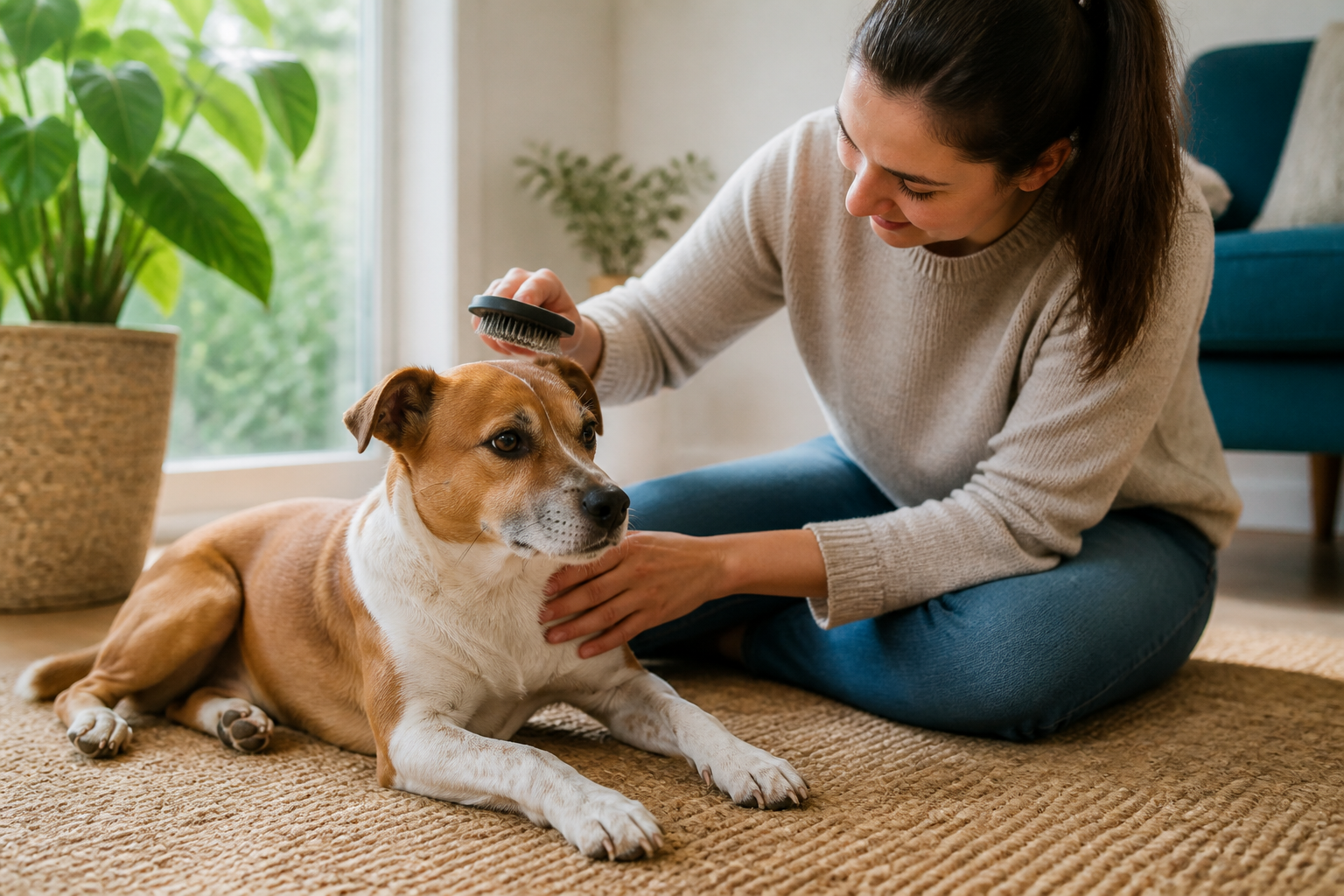
Many pet owners think that a short coat means low maintenance. You might look at your Beagle or Boxer and assume they do not need the same grooming routine as a Poodle or a Golden Retriever. However, you likely still find those tiny, needle-like hairs stuck in your carpet and upholstery. While short haired dogs do not get the heavy tangles that long haired breeds do, they still require regular care to stay healthy.
At BaxterBoo, we know that grooming is about more than just looking good. It is a vital part of your dog’s overall wellness. Brushing helps manage shedding, keeps the skin healthy, and gives you a chance to check for any hidden health concerns. Explore our dog grooming supplies to find tools for maintaining your dog’s coat at home. This article explains why brushing is necessary for short coats and which tools will make the job easiest for you.
Why Short Haired Dogs Need Regular Brushing
It is a common misconception that short hair does not shed much. In reality, many short haired breeds shed year round. Because their hair is short, it falls out and gets trapped against the skin or ends up on your furniture. Brushing is the most effective way to remove this loose fur before it becomes a problem.
Beyond just hair removal, brushing acts as a massage for your dog. It stimulates the skin and encourages blood flow to the surface. This process helps the skin stay resilient and healthy. It also moves natural oils from the base of the hair shaft down to the tips. These oils are what give a dog that healthy, mirror-like shine. Without regular brushing, these oils can sit on the skin and lead to a greasy feel or even a distinct doggy odor.
Brushing also prevents the small mats that can occur in certain short haired breeds. Dogs with dense, short fur, like Pugs or Labradors, can actually develop thick clumps of dead hair. These clumps can trap moisture against the skin. This leads to irritation or hot spots if left alone. Regular sessions with a brush keep the coat airy and clean.
Quick Answer: Yes, short haired dogs require regular brushing to remove dead hair and distribute natural skin oils. It keeps their coat shiny, reduces shedding in your home, and allows you to check for skin issues or parasites.
The Benefits of Distributing Natural Oils
Your dog’s skin produces sebum, which is a natural oil that protects the coat. In short haired dogs, this oil is the primary defense against dryness and environmental irritants. When you brush your dog, you are essentially acting as a manual distributor for these oils.
If you notice your dog has dry, flaky skin, it might not be a lack of oil. It could be that the oil is not moving. Brushing helps break up any waxy buildup at the follicles. This allows the skin to breathe. A well brushed coat is much more water-resistant and stays cleaner for longer periods.
Reducing the "Short Hair Mess"
Short hair can be harder to clean up than long hair. Long hairs tend to clump together into "dust bunnies" that are easy to pick up. Short hairs act like tiny splinters. They weave themselves into the fibers of your couch and car seats.
By brushing your dog once or twice a week, you catch those hairs on the brush instead of on your rug. It is much easier to clean a brush than it is to deep clean a fabric sofa. Consistent grooming can significantly reduce the amount of vacuuming you have to do each week.
Choosing the Best Brushes for Short Coats
The tools you use for a Doberman are very different from those used on a Shih Tzu. Using the wrong brush can be uncomfortable for a short haired dog because they have less "padding" between their fur and their skin. You want tools that are effective but gentle. Browse our dog brushes and combs for options suited to different coat types.
Rubber Curry Brushes
This is often considered the gold standard for short haired breeds. These brushes are made of soft, flexible rubber with thick nubs. They work by grabbing onto loose hair through friction. As you move the brush in a circular motion, it lifts the dead hair out of the coat.
Rubber brushes are also excellent for use during bath time. They help work the shampoo deep into the coat and provide a soothing massage. Because they are made of rubber, there is zero risk of scratching the dog's skin. Brands like Kong make popular versions of these that are easy to hold. The KONG Zoom Groom Natural Rubber Dog Grooming Brush is designed for use on wet or dry coats.
Soft Bristle Brushes
A bristle brush is perfect for finishing a grooming session. These brushes have tightly packed, soft bristles that smooth the coat and add shine. They are excellent for removing fine dust and dander that a rubber brush might miss.
When shopping for a bristle brush, look for one with natural or soft nylon bristles. If the bristles feel too stiff on your own skin, they are likely too hard for a short haired dog. This tool is best used after you have already removed the bulk of the loose hair with a curry brush.
Grooming Gloves
If your dog is nervous about traditional brushes, a grooming glove is a fantastic alternative. These are fabric gloves with rubber nodules on the palms. You simply pet your dog as you normally would, and the glove picks up the loose hair.
This is a great way to bond with your pet. Many dogs do not even realize they are being groomed. They just think they are getting a long petting session. This is particularly useful for sensitive areas like the legs and belly where a hard brush might be awkward to use.
Flea Combs
While not a primary grooming tool for hair removal, a flea comb is essential for short haired dogs. Because the hair is short, the fine teeth of a flea comb can easily reach the skin. This allows you to check for "flea dirt" or actual pests.
Key Takeaway: Short haired dogs benefit most from soft tools like rubber curry brushes and bristle brushes. These tools protect the skin while effectively removing dead hair and spreading natural oils.
How to Brush a Short Haired Dog Step-by-Step
Grooming should be a relaxing routine for both you and your dog. It does not need to take a long time. For most short haired dogs, ten to fifteen minutes once or twice a week is plenty.
Step 1: Start with a rubber brush. / Use circular motions against the direction of hair growth to loosen the dead fur. Step 2: Brush in the direction of growth. / Use the same rubber brush to sweep the loosened hair away from the body. Step 3: Use a bristle brush for shine. / Follow the direction of the hair with long, sweeping strokes from head to tail. Step 4: Check sensitive areas. / Use a grooming glove or your hands to check the ears, paws, and underarms for any debris. Step 5: Reward your dog. / Give a small treat to ensure they associate grooming with a positive experience.
Managing Shedding and Skin Health
Shedding is a natural biological process. Most dogs go through a heavier shed twice a year as the seasons change. This is often called "blowing the coat." Even short haired dogs will experience this. During these times, you may need to increase your brushing frequency to daily sessions.
Diet also plays a massive role in skin health. If your dog is shedding excessively or has very dull hair, it might be worth looking at their nutrition. High quality food with Omega-3 and Omega-6 fatty acids can support a stronger hair follicle. We carry several brands, such as Stella and Chewy's and Open Farm, that prioritize these essential nutrients.
Understanding the Double Coat
Some short haired dogs actually have a double coat. Breeds like Labradors and German Shorthaired Pointers have a rough outer coat and a soft, dense undercoat. These dogs will shed much more than single-coated breeds like Boxers or Greyhounds.
If you have a double-coated dog, a simple bristle brush might not be enough. You may need a de-shedding tool designed for short hair. These tools reach through the topcoat to pull out the dead undercoat before it falls out on its own.
Vet Tip: If your dog has sudden, patchy hair loss or if the skin looks red and irritated, skip the brush and call your veterinarian. These can be signs of allergies, parasites, or underlying health conditions that need professional diagnosis.
For additional guidance on managing seasonal shedding and undercoats, read our tips for handling heavy dog shedding.
Finding Parasites and Skin Issues During Grooming
One of the biggest advantages of brushing a short haired dog is the visibility it provides. Because there is not much hair in the way, you can easily see the skin. This makes your weekly grooming session the perfect time for a health check.
As you brush, look for any new lumps, bumps, or discolorations. Early detection of skin masses can be life-saving. You should also look for signs of external parasites. Ticks often hide in the "warm" spots like the armpits, between the toes, and inside the ears.
Checking for Fleas and Ticks
Short hair makes it easier to spot fleas, but they can still be elusive. Look for tiny black specks that look like pepper. This is often flea waste. If you find this, it is time to start a treatment plan.
Our pharmacy carries a wide range of FDA-approved flea and tick preventives through our partnership with Pet's Choice. We offer both over-the-counter options and prescription medications. If you find evidence of pests during your grooming session, you can explore our flea and tick collection for available options. Using a regular preventive is the best way to keep your dog comfortable and your home pest-free.
For more information about prevention options, see our guide to flea and tick prevention products.
Identifying Skin Irritation
Short haired dogs are more prone to environmental allergies because their skin has less protection from grass, pollen, and dust. If you notice your dog is constantly licking their paws or has a pinkish hue to their belly, they may be reacting to something in the environment. Regular brushing helps remove these allergens from the coat before they can cause a reaction.
Bathing Tips for Short Haired Breeds
Short haired dogs do not need baths as often as long haired dogs. In fact, bathing them too often can strip away those essential oils we mentioned earlier. For most short haired dogs, a bath every four to eight weeks is sufficient unless they have rolled in something smelly.
When you do bathe them, use a shampoo specifically formulated for dogs. Human shampoos have a different pH balance and can cause significant irritation. We offer many gentle formulas from brands like Zesty Paws and Honest Paws that are designed to soothe the skin. For more bathing guidance, read these dos and don'ts for bathing your dog.
- Brush the dog before the bath to remove loose hair.
- Use lukewarm water, as hot water can dry out the skin.
- Apply shampoo and use a rubber curry brush to massage it in.
- Rinse thoroughly until the water runs completely clear.
- Towel dry gently; short haired dogs dry very quickly.
Bottom line: Brushing before a bath is essential because water can mat down loose hair, making it harder to remove once the dog is dry.
Training Your Dog to Enjoy Brushing
Not every dog loves being groomed right away. If your dog is wiggly or suspicious of the brush, take it slow. Start by just showing them the tool and giving them a treat. Then, try one or two strokes and reward them again.
Consistency is the most important factor. If you only bring the brush out when the dog is already dirty or stressed, they will learn to dislike it. Try to choose a time when the dog is naturally calm, such as after a long walk. Over time, many dogs come to view brushing as a form of extra affection.
If your dog remains very anxious, you might consider calming supplements. Options from brands like Zesty Paws or Honest Paws can help take the edge off during grooming sessions. Always talk to your vet before starting new supplements, especially if your dog is on other medications.
The Role of Professional Grooming
Even though you can do most of the work at home, a professional groomer can still be helpful for short haired dogs. They can provide services like "de-shedding treatments" that use high-velocity dryers to blow out every last bit of loose undercoat.
Professional groomers also handle tasks that some owners find difficult, such as trimming nails or cleaning ears. If you find that your dog’s nails are clicking on the floor, they are too long. Short haired dogs often don't wear their nails down as much if they primarily walk on soft surfaces.
Conclusion
Brushing your short haired dog is a simple but powerful way to maintain their health. It reduces the amount of hair in your home, keeps their skin vibrant, and serves as an early warning system for health issues. By using the right tools like rubber brushes and grooming gloves, you can turn a chore into a bonding experience.
We want to help you keep your pet feeling their best. Whether you need a new grooming kit or are looking for professional-grade flea protection, BaxterBoo has the expertise to guide you. Check out our Medical and Mobility section or our pharmacy for health-specific needs.
Key Takeaway: Regular brushing is a foundational part of dog care that supports skin health and provides a vital opportunity to check for parasites or lumps.
To get started on a better grooming routine, explore our collection of brushes and skin care products. You can even set up an Autoship order for your favorite shampoos and supplements to ensure you never run out. Signing up for our MVP Rewards program is another great way to save while providing the best for your pet.
FAQ
How often should I brush my short haired dog?
For most short haired breeds, brushing once or twice a week is ideal. If your dog is a heavy shedder or has a dense double coat, you may want to brush them every other day to keep hair from piling up in your home.
Can I use a slicker brush on a short haired dog?
You can use a slicker brush, but you must be very gentle. Because short haired dogs have less fur to act as a cushion, the metal pins of a slicker brush can easily scratch their skin. A rubber curry brush or a soft bristle brush is generally a safer and more comfortable choice.
Why is my short haired dog shedding so much?
Shedding can be caused by seasonal changes, stress, or poor nutrition. If the shedding seems excessive or is accompanied by bald spots, it is important to consult your veterinarian to rule out underlying issues like thyroid problems or skin infections.
Do short haired dogs get mats?
While they do not get the long, twisting tangles seen in long haired breeds, some short haired dogs with dense coats can develop "packed" fur. This happens when dead undercoat gets trapped against the skin. Regular brushing with a rubber brush prevents this buildup.






