
 Save 15% on your 1st Autoship learn more

 Email us
 Live Chat
 FAQs
FAQs





Introduction
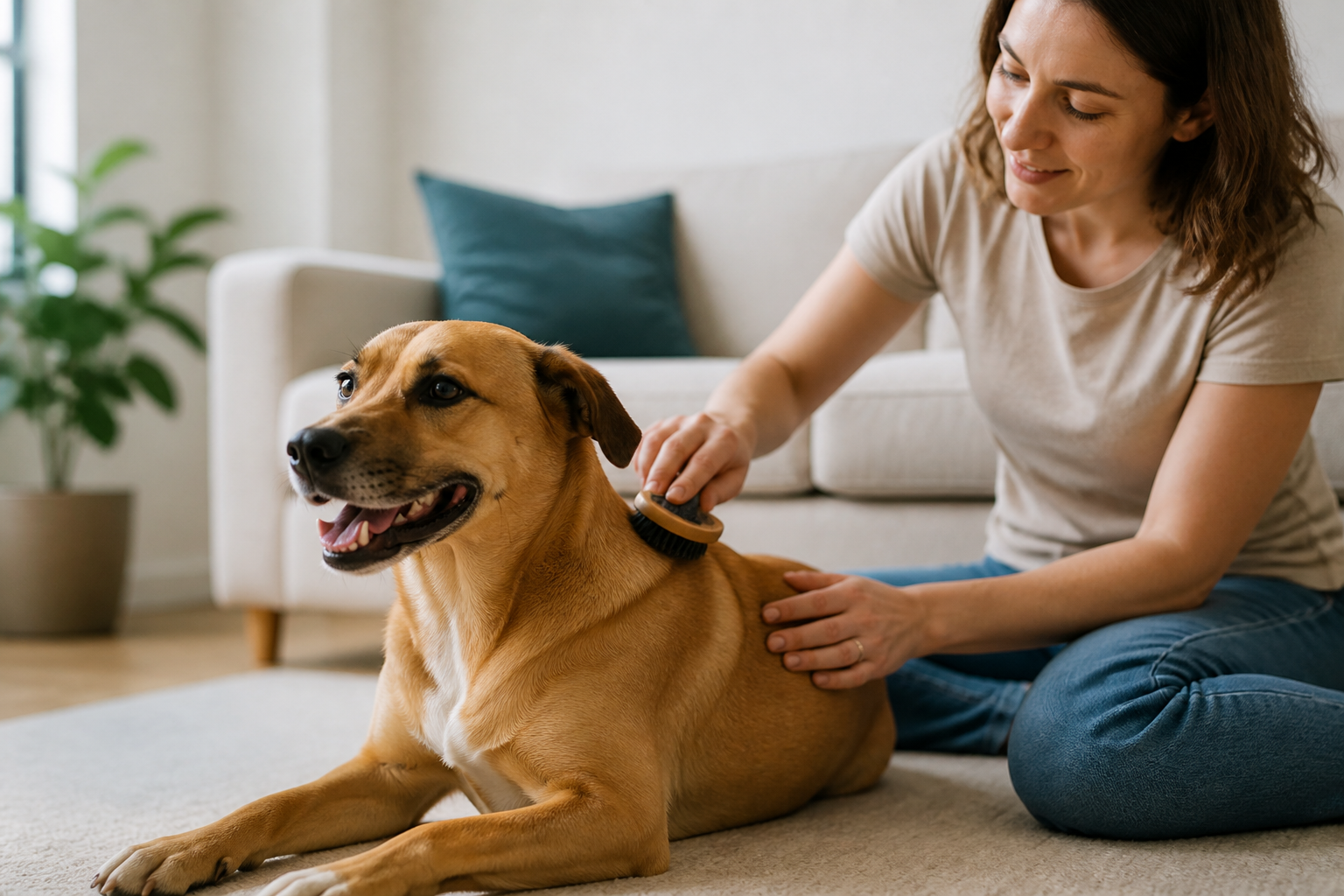
You might think that owning a short-haired dog like a Boxer, Beagle, or Greyhound means you are off the hook for grooming. There is no long fur to tangle and no heavy coat to mat. However, you likely notice that your "low-maintenance" dog still manages to leave a layer of fine, needle-like hair on your sofa and clothes. Brushing is about much more than just preventing tangles.
At BaxterBoo, we know that short-haired breeds have unique skin and coat needs that require regular attention. Brushing is a vital part of keeping their skin healthy and your home a little cleaner. This post covers why brushing is necessary for every dog, the best tools for short coats, and how to make the process a bonding moment. Brushing a short-haired dog is a simple habit that supports their overall wellness and comfort.
Why Brushing Is Vital for Short-Haired Breeds
Many owners assume that if a dog does not have a long coat, they do not need a brush. This is a common misconception. Even the shortest coats consist of thousands of individual hairs that grow, die, and fall out. Without a brush to collect them, those dead hairs stay trapped against the skin or end up on your rug.
Brushing acts as a massage for the skin. It helps increase blood flow to the surface, which promotes healthy hair growth. It also removes dead skin cells and dandruff. If these stay on the skin, they can lead to irritation or even contribute to a dull, dusty-looking coat.
Quick Answer: Yes, short-haired dogs need regular brushing to remove loose fur, distribute natural skin oils, and keep the skin healthy. This routine helps reduce shedding around your home and allows you to check for skin issues or pests.
Distributing Natural Oils
Your dog's skin produces natural oils called sebum. These oils are the secret to a shiny, healthy coat. In short-haired dogs, these oils can sometimes sit on the skin and become greasy. Brushing moves those oils from the skin down the hair shaft. This creates a natural barrier that protects the hair and gives it a healthy sheen.
Managing Shedding and Dander
Short hair is often more difficult to remove from fabric than long hair. The short, stiff hairs act like tiny needles that weave themselves into upholstery. Regular brushing captures this hair before it sheds. It also reduces the amount of dander in the air. This is particularly helpful if someone in your household has mild pet allergies.
Preventing Mats and Debris
While it is rare for a smooth-coated dog to get massive mats, it can happen in areas where friction occurs. Check the armpits, the area behind the ears, and the base of the tail. Brushing also helps remove dried mud, burrs, or grass seeds that your dog might have picked up outside.
Understanding Different Short Coat Types
Not all short coats are the same. Some are smooth and sit tight against the skin, while others are dense with a hidden undercoat. Knowing your dog's specific coat type helps you decide how often to reach for the brush.
Smooth Coats
Breeds like Doberman Pinschers, Weimaraners, and Great Danes have very short, smooth hair. There is no undercoat to worry about. These dogs usually only need a quick brushing once a week. The goal here is mainly oil distribution and skin stimulation.
Dense or Double Coats
Labs and Pugs may have short hair, but they have a lot of it. They often have a thick undercoat that sheds heavily twice a year. During these "blow out" seasons, you might need to brush them every day. On a normal schedule, twice a week is usually sufficient to keep the shedding under control.
Wiry Short Coats
Some terriers have short but wiry hair. This hair is often tougher and can trap more dirt and debris. These dogs benefit from a more frequent brushing schedule to ensure the skin stays clean and the coat remains manageable.
Key Takeaway: The thickness and density of your dog's hair determine the frequency of grooming, not just the length of the fur.
Choosing the Right Tools for the Job
Using the wrong brush can be uncomfortable for a short-haired dog. Their skin is very close to the surface because they lack a thick buffer of fur. You want tools that are effective but gentle. At BaxterBoo, we carry a variety of grooming supplies designed specifically for these coat types in our dog grooming collection.
The Rubber Curry Brush
This is the most important tool for any short-haired dog owner. These brushes are usually made of soft rubber or silicone. They have nubs that grab loose hair while providing a deep massage. Most dogs love the feeling of a rubber brush because it feels like a firm petting session.
Natural Bristle Brushes
A bristle brush is perfect for finishing. It uses soft, densely packed bristles to smooth the coat and spread those natural oils. Look for a brush with a comfortable handle so you can maintain control without straining your hand.
Grooming Gloves
If your dog is nervous about traditional brushes, grooming gloves are a great alternative. You simply wear the glove and pet your dog. The rubber nubs on the palm catch the loose hair while the dog thinks they are just getting extra love. This is an excellent way to introduce grooming to a new puppy or a rescue dog.
What to Avoid: Pin Brushes
Standard pin brushes with long metal tines are generally not effective for short hair. They are designed to reach through long fur to the skin. On a short-haired dog, these pins can scratch the skin and cause discomfort. Stick to tools that have a large surface area and soft materials.
Vet Tip: Always inspect your brushes for worn or sharp edges. If a tool causes your dog to pull away or shows signs of skin redness, switch to a softer option like a grooming glove or a soft-bristle brush.
Step-by-Step: Brushing Your Short-Haired Dog
A successful grooming session is about more than just the hair. It is a time to check in on your dog's physical health. Follow these steps to ensure you cover everything.
Step 1: Perform a quick scan. / Run your hands over your dog's entire body to feel for any new lumps, bumps, or tender spots.
Step 2: Start at the head. / Use your rubber curry brush or grooming glove to work in circular motions starting at the neck and moving toward the tail.
Step 3: Move with the grain. / After the circular massage, brush in the direction of the hair growth to pull the loose fur to the surface.
Step 4: Focus on the belly and legs. / These areas are more sensitive. Use lighter pressure and a softer bristle brush if necessary.
Step 5: Wipe down. / Finish the session by wiping the dog with a damp cloth or a grooming wipe to pick up any remaining stray hairs.
Checking for Pests and Skin Issues
While you brush, keep a close eye on the skin. Short hair makes it much easier to spot fleas, ticks, or skin irritations. Look for "flea dirt," which looks like small specks of black pepper. If you see this, it is a sign of an active flea problem.
Our pharmacy offers a range of FDA-approved flea and tick preventatives through our partnership with Pet's Choice. If you notice signs of pests or a persistent skin condition like hot spots or redness, your veterinarian can provide a prescription for the right treatment. You can then fulfill those prescriptions through our pet pharmacy for home delivery.
Bottom line: Brushing is the perfect time to conduct a weekly "home health exam" to catch potential issues like pests or lumps before they become serious.
Managing Seasonal Shedding
Most dogs experience a change in their coat during the spring and fall. Even though the hair is short, the volume of shedding can increase significantly as the dog prepares for temperature changes. During these times, you may find that your usual weekly brushing is not enough.
Consider increasing your sessions to three or four times a week during peak shedding seasons. This prevents the hair from building up and becoming itchy for the dog. Using a de-shedding tool designed for short hair can also help. These tools reach the undercoat to remove dead hair without cutting the skin or the healthy topcoat.
The Pre-Bath Brush
One of the best ways to manage shedding is to brush your dog thoroughly before a bath. When the coat is dry, the brush can more easily grab loose fur. If you wait until the dog is wet, the hair can clump together and become harder to remove. For more bathing guidance, read these dog bathing dos and don'ts.
After the bath and once the dog is fully dry, do one more quick pass with a bristle brush. This will remove any hair that was loosened by the water and shampoo. We carry specialized shampoos for skin health and shedding control in our dog shampoo and conditioner selection that work well in tandem with a regular brushing routine.
Making Grooming a Positive Experience
Not every dog loves being groomed right away. If your dog is wiggly or anxious, start with very short sessions. Even one minute of brushing followed by a high-quality treat can help build a positive association.
- Keep it calm. Choose a quiet time of day when your dog is already relaxed.
- Use rewards. Give small treats throughout the process to keep their focus on the reward.
- Watch body language. If your dog's ears go back or they try to hide, stop the session and try again later.
- Be gentle. Use light pressure, especially over bony areas like the spine, hips, and shoulders.
As your dog gets used to the sensation, they will likely start to look forward to the massage. It becomes a dedicated time for you to focus on them, which strengthens your bond.
Grooming and the Home Environment
Beyond the health benefits for the dog, brushing a short-haired dog makes life easier for you. Short hair is notorious for getting stuck in the fibers of carpets and car seats. Once it is stuck, it is very difficult to vacuum up.
By spending ten minutes a week brushing your dog, you can reduce the amount of cleaning you have to do. It also keeps your dog's bedding smelling fresher for longer. Dead hair and skin cells can hold onto odors. When you remove those through brushing, the "doggy smell" in your home is greatly reduced.
- Brush outdoors to keep the loose hair out of your house.
- Keep a lint roller or a dedicated grooming wipe handy for quick touch-ups.
- Wash your grooming tools regularly with mild soap to remove oil buildup.
Senior Dog Considerations
As dogs age, their skin can become thinner and more sensitive. They may also develop fatty tumors or arthritis that makes certain positions uncomfortable. When brushing a senior dog, you must be extra cautious.
Use the softest brushes available and avoid putting pressure on their joints. Brushing is particularly important for seniors who may have a harder time grooming themselves or who spend more time laying down. It helps keep their circulation moving and ensures their skin stays healthy even if they are less active.
Vet Tip: If your senior dog has developed skin tags or warts, be careful not to catch them with the brush. If you notice any new growths that are changing color or size, schedule a visit with your vet for an evaluation.
Health Alerts to Watch For
While brushing, you are the first line of defense for your dog's health. You might see things that are hidden under the coat. Pay attention to any of the following:
- Redness or inflammation: This could indicate an allergy or a skin infection.
- Excessive flakiness: Dry skin can be caused by the weather, diet, or underlying health issues.
- Hair loss or bald patches: This is often a sign of a medical condition or parasites.
- Unpleasant odor: A strong, yeasty smell from the skin might indicate an infection.
If you notice these signs, a trip to the vet is the right next step. They may recommend a prescription diet or a medicated shampoo. Our pharmacy carries these specialized products through our partnership with Pet's Choice, making it easy to manage chronic skin conditions once you have a diagnosis.
Conclusion
Brushing your short-haired dog is a simple but powerful way to support their health and happiness. It keeps their skin in top condition, manages the mess in your home, and gives you a chance to check for any health concerns. By choosing the right rubber brushes and bristle tools, you turn a chore into a relaxing massage that your dog will eventually crave.
Our team at BaxterBoo is here to help you find the perfect grooming gear for your smooth-coated friend. Whether you need a gentle curry brush for a nervous pup or a high-quality shampoo for seasonal shedding, we have the selection you need.
- Establish a weekly routine.
- Use soft, rubber-based tools for comfort.
- Combine grooming with a quick health check.
- Reward your dog for their cooperation.
Key Takeaway: Regular grooming is an essential health habit for short-haired dogs that improves skin quality and strengthens the bond between you and your pet.
To get started with a better grooming routine, explore our dog skin and coat care selection for skin support or visit our flea and tick collection for professional-grade care options.
FAQ
How often should I brush a short-haired dog?
Most short-haired dogs benefit from being brushed at least once a week. If your dog has a dense undercoat or is currently in a heavy shedding season, you may want to increase this to three times a week. Frequent brushing is the most effective way to keep loose hair off your furniture and out of your carpets.
Can brushing help with dog allergies?
Yes, regular brushing can significantly reduce the amount of dander and loose fur in your home. By capturing the dander on a brush or a damp cloth, you prevent it from becoming airborne. This can provide relief for family members who have mild sensitivities to pet dander.
What is the best brush for a dog that sheds a lot?
For short-haired dogs that shed heavily, a rubber curry brush or a grooming glove is usually the best choice. These tools use friction to pull loose hair out of the coat without irritating the skin. For dogs with a thicker undercoat, a fine-toothed de-shedding rake can also be very effective at removing dead fur.
Why is my short-haired dog's skin flaky after brushing?
A small amount of flakiness can simply be dead skin cells being lifted, which is normal. However, if the skin is very dry or the flaking is persistent, it could indicate a lack of moisture in their diet or an environmental allergy. If the flaking is accompanied by redness or itching, you should consult your veterinarian for a professional skin evaluation.






