
 Save 15% on your 1st Autoship learn more

 Email us
 Live Chat
 FAQs
FAQs





Introduction
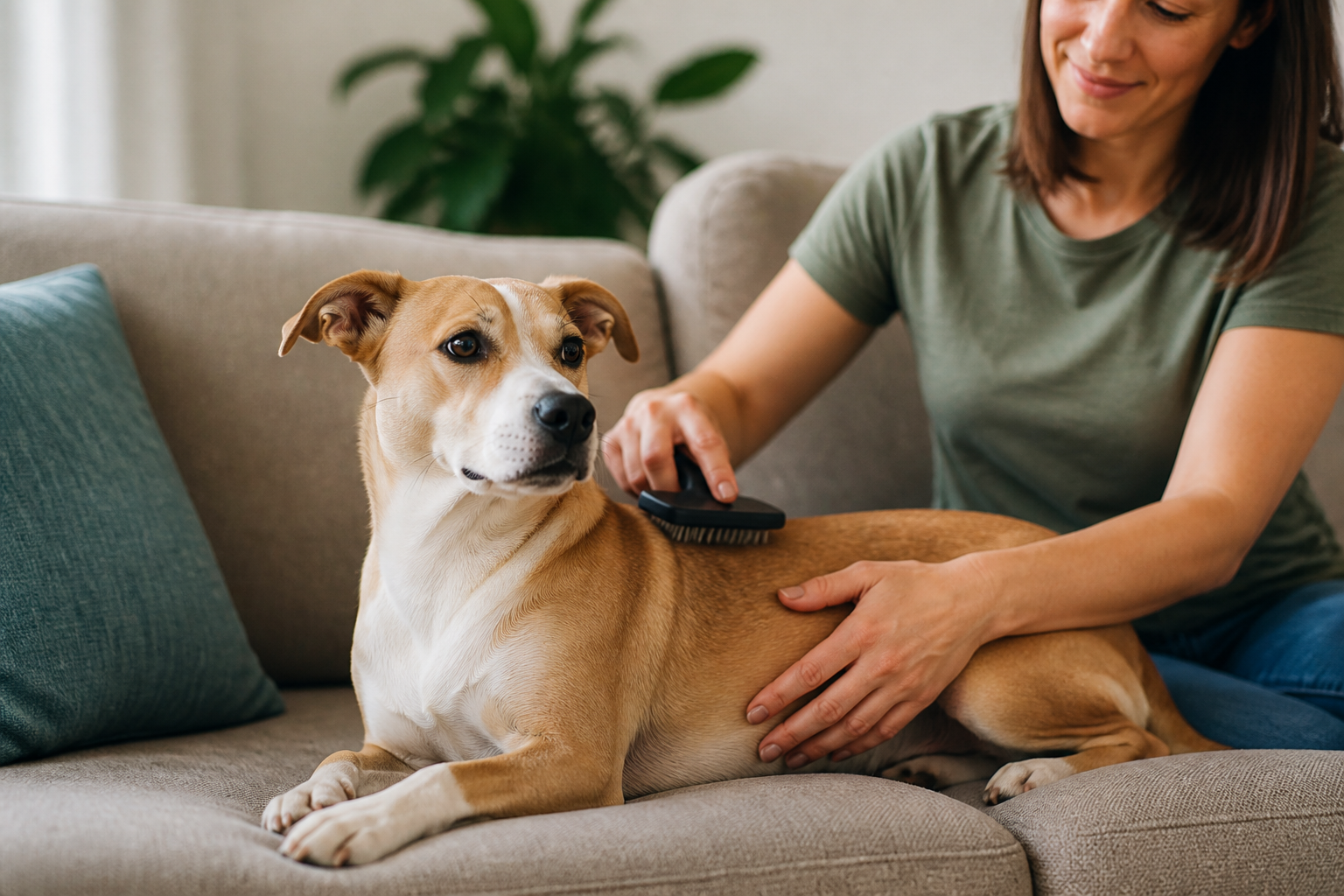
You might have chosen a Boxer, a Beagle, or a Doberman specifically to avoid the intensive grooming required by longer-haired breeds. It is easy to assume that because there are no long locks to tangle or mat, the brush can stay in the drawer. At BaxterBoo, we frequently help pet owners who are surprised to learn that short-haired dogs actually require regular grooming to maintain their health. Brushing is not just about aesthetics or preventing knots. It is a vital part of skin care, oil distribution, and early disease detection for every dog regardless of hair length. This post explains why your short-coated companion needs a consistent brushing routine and how the right tools make all the difference. We will cover the biological needs of the skin and the best ways to keep your dog comfortable during the process.
Quick Answer: Yes, short-haired dogs need regular brushing. It removes dead skin cells and loose hair while distributing natural oils that keep the coat shiny and the skin hydrated.
The Purpose of Brushing Short Coats
Many people think brushing is only for removing tangles. While this is true for a Golden Retriever, short-haired dogs have different needs. Their hair still goes through a natural growth cycle. Every hair follicle eventually reaches a resting phase and falls out. In short-haired breeds, these dead hairs often get trapped against the skin or become embedded in your furniture. Regular brushing lifts this dead hair away before it becomes a nuisance.
The skin of a dog produces a natural oil called sebum. This oil is the first line of defense against environmental irritants. It keeps the skin supple and gives the fur a healthy glow. When a dog has a short coat, these oils can sometimes pool near the base of the hair. Brushing acts as a manual distribution system. It pulls the sebum from the skin and spreads it along the entire length of the hair. This prevents the skin from becoming too oily and the hair from becoming brittle.
Brushing also serves as a form of massage. The action of the bristles or rubber nubs increases blood flow to the surface of the skin. Better circulation means better nutrient delivery to the hair follicles. This can result in a stronger, healthier coat over time. It also helps to exfoliate the skin by removing dandruff and dead skin cells that can lead to irritation or a dull appearance. For additional supplies that support your dog’s coat, explore our dog skin and coat care category.
Why Low Maintenance Does Not Mean No Maintenance
The term "low maintenance" is often applied to dogs like Great Danes or Greyhounds. While you will not spend hours de-matting their fur, they still require hygiene management. Short hair can actually be more difficult to remove from fabrics than long hair. The short, stiff hairs act like tiny needles that weave themselves into carpets and car seats. Regular brushing sessions significantly reduce the amount of "needle hair" that ends up in your home.
Short-haired dogs can still experience matting, though it looks different than it does on a long-haired dog. Mats in short coats often occur in high-friction areas like the armpits or where a collar or harness rubs. These small, tight clumps can be very painful because they pull directly on the skin. Brushing helps you find these spots before they become a serious issue.
Key Takeaway: Brushing short-haired dogs is a functional health task rather than a cosmetic one. It focuses on skin health, oil management, and reducing environmental shedding.
The Secret to Managing Short Hair Shedding
It is a common myth that short-haired dogs shed less than long-haired dogs. In many cases, the opposite is true. Breeds like Pugs and Labs are notorious for heavy shedding. Because their hair is short, the growth cycle is often faster. This means they are constantly cycling through new hair and dropping the old stuff.
To manage this, you need to understand the two main types of short coats:
- Smooth Coats: These dogs have a single layer of hair that lies flat against the body. Think of a Miniature Pinscher or a Greyhound. They shed, but the volume is generally lower.
- Dense or Double Coats: These dogs have a thick, short undercoat beneath a coarser outer layer. Labs and Beagles fall into this category. They "blow" their coats twice a year, resulting in a massive amount of loose fur.
Using a de-shedding tool once a week can help capture hair that is about to fall out. For dense coats, you might need to brush every few days during the change of seasons. This keeps the undercoat from becoming packed down against the skin, which can trap heat and moisture. You can compare options in our dog brushes and combs collection.
Essential Tools for Short Haired Dogs
Using the wrong brush on a short-haired dog can be painful. A slicker brush with sharp metal pins is often too aggressive for a dog with very little padding between their fur and skin. You want tools that prioritize skin comfort.
Rubber Curry Brushes
This is often the best choice for smooth-coated dogs. The rubber nubs grab onto loose hair without scratching the skin. You can use it in a circular motion, which feels like a massage to the dog. It is also a great tool to use during bath time to help work the shampoo down to the skin.
Bristle Brushes
A soft to medium bristle brush is excellent for finishing. It is the best tool for distributing those natural oils we discussed. The closely packed bristles pick up fine dust and dandruff that other brushes might miss.
Grooming Gloves
If your dog is nervous about traditional brushes, grooming gloves are a perfect alternative. You simply wear the glove and pet your dog as you normally would. The silicone or rubber palms pick up loose fur while your dog thinks they are just getting extra attention.
De-shedding Tools
For dogs with dense undercoats, a dedicated de-shedding tool is necessary. These are designed to reach through the topcoat and pull out the loose undercoat. Use these with a light hand to avoid "brush burn" on the skin. For more at-home options, browse our dog grooming tools.
Vet Tip: Always check your dog's skin for redness or irritation after using a new grooming tool. If you notice any bald spots or scratches, you may be using too much pressure or the wrong type of brush for their coat density.
Identifying Skin Issues and Fleas
Brushing is the best time to perform a "body scan" on your pet. Because you are moving the hair and looking closely at the skin, you can spot problems that are hidden during normal play. This includes lumps, bumps, scratches, or hot spots. Finding a new lump early can be a lifesaver, especially in senior dogs.
This is also your primary defense against parasites. As you brush, look for "flea dirt," which looks like small specks of black pepper. If these specks turn red when placed on a damp paper towel, your dog has fleas. You can also spot ticks before they have a chance to fully engorge. For more information about parasite prevention, read our guide to flea and tick prevention products.
Our pharmacy at BaxterBoo carries a variety of FDA-approved flea and tick preventives through our partnership with Pet's Choice. If you notice signs of parasites during your grooming session, we provide access to the medications your vet might prescribe. This includes both over-the-counter options and prescription treatments for ongoing protection. You can also explore our flea and tick combs and brushes for grooming-focused parasite checks.
Bottom line: Regular brushing sessions are your best opportunity to monitor your dog's skin health and catch parasites before they cause an infestation.
Establishing a Grooming Routine
Getting a short-haired dog to enjoy brushing is usually easy because the process is quick. Most smooth-coated dogs only need a thorough brushing once a week. If your dog has a denser coat, you may want to aim for two or three times a week.
Step 1: Start with a rubber curry brush. Use circular motions over the entire body to loosen dead hair and massage the skin.
Step 2: Follow up with a bristle brush. Use long, sweeping strokes in the direction of hair growth to smooth the coat and spread oils.
Step 3: Check the "hidden" areas. Gently brush the belly, the back of the legs, and the area around the tail where loose hair tends to accumulate.
Step 4: Reward your dog. Give them a high-quality treat or extra praise so they associate the brush with a positive experience.
If you find any unusual skin conditions, such as extreme flakiness, persistent redness, or an unpleasant odor, consult your veterinarian. These can be signs of underlying allergies or infections that require professional diagnosis. We carry a wide selection of medicated shampoos and skin supplements that can support your dog's recovery once a vet has determined the cause. For bath-related grooming guidance, read these dos and don’ts for bathing your dog.
Conclusion
Brushing a short-haired dog is a simple task that offers significant health benefits. It keeps the skin healthy, the coat shiny, and your home cleaner. By choosing the right tools like rubber curry brushes or soft bristle brushes, you make the experience enjoyable for your pet. Remember to use this time to check for any new lumps or signs of fleas. Regular grooming is a great way to bond with your dog while staying on top of their physical wellness. Our team at BaxterBoo is here to help you find the right supplies for your dog's specific coat type. To make sure you never run out of grooming essentials or skin support supplements, consider joining our Autoship programme. You will save on your first order and earn rewards on every purchase through the MVP Rewards programme.
FAQ
How often should I brush my short-haired dog?
For most smooth-coated dogs, once a week is sufficient to maintain skin health and manage shedding. If your dog has a denser coat or is currently in a heavy shedding season, you may want to increase this to two or three times a week.
Can I use a slicker brush on a short-haired dog?
It is generally better to avoid traditional slicker brushes with sharp metal pins on very short-haired dogs. Their skin is more exposed, and the metal can cause scratches or irritation. Stick to rubber brushes, grooming gloves, or soft bristle brushes for the safest results.
Why does my short-haired dog smell even though they look clean?
Short-haired dogs can develop a "doggy smell" when dead hair, skin cells, and excess oils become trapped against the skin. Regular brushing removes this buildup and exfoliates the skin, which significantly reduces odors between baths.
Does brushing help with my dog's dry skin?
Yes, brushing is very beneficial for dry skin. It stimulates the sebaceous glands to produce natural oils and then spreads those oils across the skin and coat. This provides a natural layer of moisture and protection that helps prevent flakiness.






