
 Save 15% on your 1st Autoship learn more

 Email us
 Live Chat
 FAQs
FAQs





Introduction
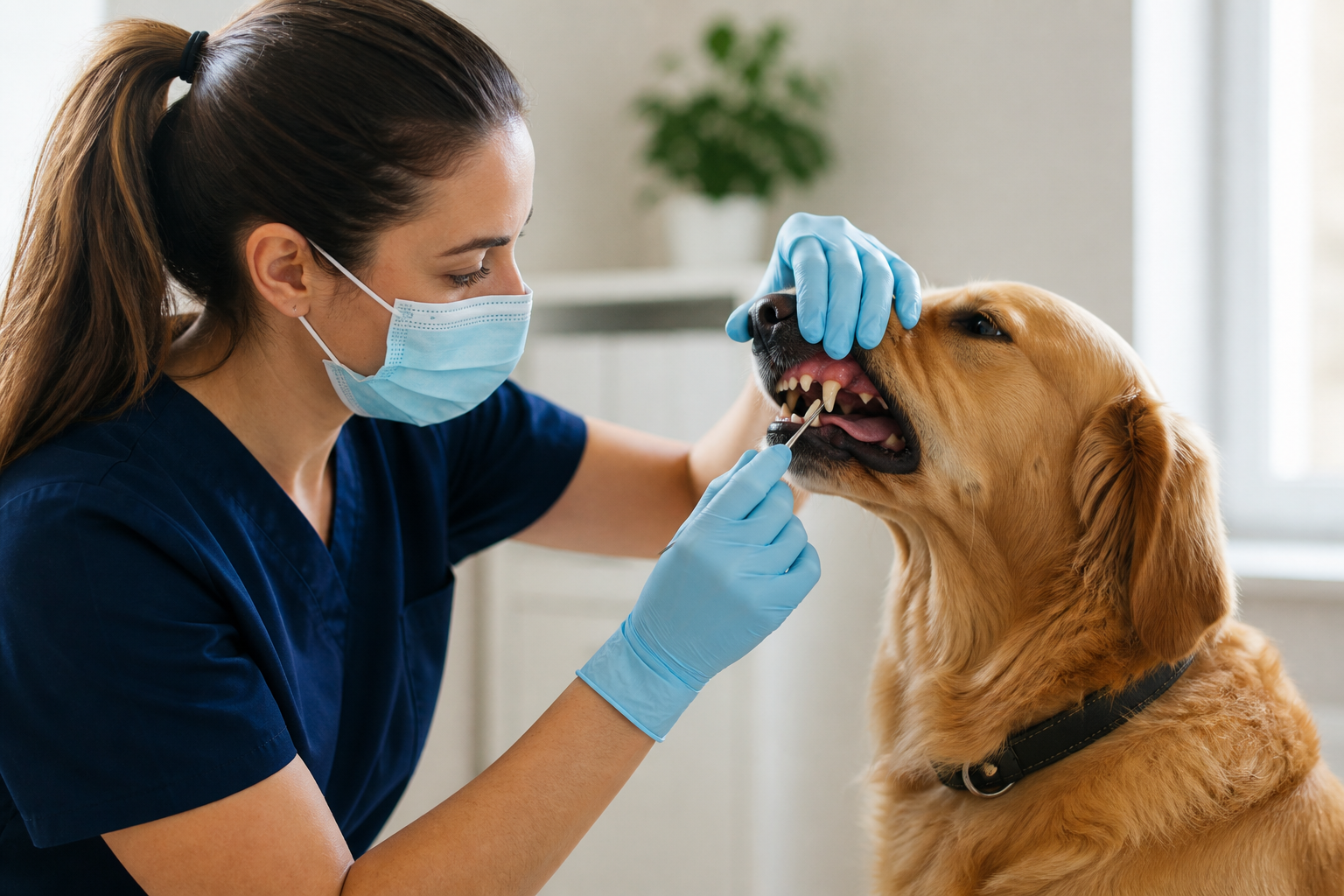
You lean in for a happy morning lick and catch a whiff of something less than pleasant. That "dog breath" people joke about is often a sign of underlying dental health issues. While at-home brushing helps, you might find yourself wondering if a professional intervention is necessary. Many pet owners ask if veterinarians actually perform deep cleanings for dogs. The answer is yes. Veterinary clinics offer specialized dental services that go far beyond what a toothbrush can achieve at home.
At BaxterBoo, we understand that your dog’s health starts in the mouth. Dental disease is one of the most common issues we see in dogs of all ages. This post will cover what happens during a professional cleaning, why anesthesia is used, and how much you can expect to pay for the procedure. We will also look at how to maintain those pearly whites between visits to the clinic.
Quick Answer: Yes, veterinarians perform professional dental cleanings that involve scaling plaque and tartar from above and below the gumline. These procedures require general anesthesia to ensure the safety and comfort of your dog while allowing for a thorough examination.
What Happens During a Professional Dog Teeth Cleaning
A professional dental cleaning at a veterinary clinic is a medical procedure. It is not the same as a quick "dental scrape" that some groomers might offer. A true cleaning involves several distinct steps designed to identify and treat oral health problems before they become painful.
The Initial Examination
Before any cleaning begins, your vet will perform a physical exam. They look for obvious signs of trouble like broken teeth, swelling, or heavy tartar. They also check your dog's general health to ensure they are a good candidate for the procedure. This is the time to mention if your dog has had trouble eating or seems sensitive around the mouth.
Pre-Anesthetic Blood Work
Safety is the priority in any medical procedure. Most vets require blood tests before a dental cleaning. These tests check organ function, specifically the liver and kidneys. These organs process the anesthesia. If the blood work shows any concerns, your vet may adjust the anesthetic protocol or postpone the cleaning until the underlying issue is addressed.
The Cleaning Process
Once your dog is safely under anesthesia, the real work begins. A veterinary technician or the vet will use specialized tools to clean the teeth.
Step 1: Supragingival scaling. / The technician uses ultrasonic and hand scalers to remove plaque and tartar from the visible parts of the teeth.
Step 2: Subgingival scaling. / This is the most critical step. The tools reach under the gumline where bacteria hide and cause periodontal disease.
Step 3: Polishing. / Scaling creates tiny scratches on the tooth enamel. Polishing smooths these out so plaque cannot easily stick to the teeth in the future.
Step 4: Irrigation. / The mouth is rinsed to remove any debris or paste left over from the scaling and polishing.
Dental Radiographs
Many veterinary clinics now include X-rays as a standard part of a dental cleaning. A dog’s tooth is like an iceberg. Most of the structure is hidden below the gumline. X-rays can reveal abscesses, bone loss, or fractured roots that are invisible to the naked eye. Finding these issues early can save your dog from significant pain later on.
Key Takeaway: A professional cleaning is a comprehensive medical procedure that addresses health issues beneath the gums where at-home brushing cannot reach.
Why Anesthesia Is Necessary for Dog Dental Care
One of the most common concerns for pet owners is the use of anesthesia. It can feel scary to have your dog "put under" for a cleaning. However, anesthesia is essential for several reasons.
First, it protects your dog's airway. When a vet scales teeth, they use water to cool the tools and rinse away bacteria. Anesthesia involves an endotracheal tube. This tube prevents water and bacteria from being inhaled into the lungs, which could cause pneumonia.
Second, it allows for a thorough cleaning. No dog will sit perfectly still while a metal tool scrapes under their gums. Without anesthesia, the vet cannot safely reach the back of the mouth or the inner surfaces of the teeth. Anesthesia ensures your dog feels no pain or anxiety during the process.
Vet Tip: If you are worried about anesthesia, ask your vet about their specific monitoring protocols. Modern veterinary medicine uses advanced monitoring of heart rate, oxygen levels, and blood pressure to keep pets safe during dental procedures.
The Cost of Professional Dog Teeth Cleaning
The cost of a dental cleaning can vary significantly based on your location and your dog's specific needs. A routine cleaning for a young, healthy dog is much more affordable than a procedure for a senior dog with multiple extractions.
| Service Type | Estimated Cost Range | What It Includes |
|---|---|---|
| Routine Cleaning | $350 - $600 | Anesthesia, scaling, polishing, basic exam |
| Advanced Cleaning | $700 - $1,200 | X-rays, blood work, minor treatments |
| Surgical Dental | $1,500+ | Extractions, oral surgery, antibiotics, pain meds |
Factors That Influence the Price
The severity of dental disease is the biggest factor. If your dog has Stage 4 periodontal disease, they may need several teeth removed. This requires more time under anesthesia, specialized surgical tools, and local nerve blocks.
The size of your dog also matters. Larger dogs require more anesthetic medication and longer cleaning times. Additionally, board-certified veterinary dentists charge more than general practitioners. You might seek a specialist if your dog has a complex issue like a jaw fracture or an oral tumor.
If your dog needs medications after the procedure, such as antibiotics or pain relief, our pet pharmacy can help. We work with Pet's Choice to provide FDA-approved medications that your vet might prescribe for recovery.
Bottom line: While the upfront cost of a dental cleaning may seem high, it is much cheaper than treating the systemic health problems caused by untreated oral infections.
Signs Your Dog Needs a Professional Cleaning
It is not always easy to tell when a dog is in pain. They are experts at hiding discomfort to avoid showing weakness. However, there are several red flags that suggest it is time to call the vet.
- Bad Breath: This is often the first sign of bacterial overgrowth.
- Discolored Teeth: Yellow or brown buildup is tartar, which cannot be brushed away.
- Red or Bleeding Gums: Healthy gums should be pale pink. Redness indicates gingivitis.
- Difficulty Eating: If your dog drops food or only eats on one side of their mouth, they likely have a painful tooth.
- Pawing at the Face: This can be a sign of oral pain or something stuck in the teeth.
- Loose or Missing Teeth: This indicates advanced periodontal disease and bone loss.
If you notice any of these signs, schedule a consultation with your veterinarian. For more warning signs, read our guide to recognizing bad teeth in dogs.
Risks of Ignoring Dental Health
Dental care is about more than just a bright smile. It is a vital part of overall wellness. When bacteria grow unchecked in the mouth, they can enter the bloodstream through the inflamed gum tissue.
This bacteria can travel to major organs. Over time, chronic dental infections are linked to heart disease, liver damage, and kidney failure. In small breeds, severe dental disease can even lead to a weakened jawbone that is prone to fractures. By keeping the mouth clean, you are protecting your dog's entire body.
Vet Tip: Small and flat-faced breeds, like Pugs or Chihuahuas, often have crowded teeth. This makes them much more prone to rapid tartar buildup and gum disease. These breeds may need professional cleanings more frequently than larger dogs.
Maintaining Dental Health at Home
Once your dog has had a professional cleaning, the goal is to keep those teeth clean for as long as possible. Plaque begins to reform on the teeth within hours of a cleaning. Without intervention, it hardens into tartar in just a few days.
Daily Brushing
Brushing is the gold standard of at-home care. You should use a toothbrush and toothpaste specifically designed for dogs. Human toothpaste contains ingredients like xylitol or fluoride that are toxic to pets.
Start slowly by letting your dog lick the toothpaste off your finger. Gradually introduce the brush, focusing on the outside of the teeth where tartar builds up most. Even brushing two or three times a week can make a significant difference.
For additional guidance, explore our dog dental care collection.
Dental Chews and Diets
If your dog refuses the toothbrush, dental chews can help. Products like Greenies Dental Dog Chew - Fresh are designed to mechanically scrape plaque away as the dog chews. Some specialty dog foods, like those from Royal Canin or Farmina Vet Life, have kibble shapes that act like a toothbrush.
Water Additives and Gels
For dogs that are difficult to handle, water additives or dental gels can provide some protection. These products contain enzymes that help break down plaque-causing bacteria. While they are not a replacement for brushing or professional cleaning, they are a helpful addition to a dental routine.
You can find more options in our dog dental health category.
Bottom line: A combination of at-home care and regular veterinary checkups is the best way to ensure your dog lives a long, pain-free life.
Conclusion
Professional dental cleaning is a cornerstone of responsible pet ownership. While vets do clean dog teeth, the process is far more involved than a simple cosmetic polish. It is a necessary medical intervention that prevents pain and protects your dog's vital organs from infection. By combining regular vet visits with consistent at-home care using treats and brushes, you can keep your dog's mouth healthy for years to come.
- Vets use anesthesia to ensure the cleaning is safe, thorough, and painless.
- Costs range based on the severity of dental disease and the need for extractions.
- Home care like brushing and dental treats helps extend the time between professional cleanings.
- Untreated dental issues can lead to serious heart, liver, and kidney problems.
If your vet has recommended a dental procedure or prescribed a specific dental diet, we are here to support you. Our pharmacy offers a wide range of prescription pet foods and medications through our partnership with Pet's Choice. You can also join our MVP Rewards programme to earn points on all your dental care supplies, from toothbrushes to specialized treats. Keeping your dog healthy should be rewarding for both of you.
FAQ
Is anesthesia safe for my older dog during a teeth cleaning?
While any medical procedure has risks, modern anesthesia is very safe for seniors when proper protocols are followed. Your vet will perform pre-anesthetic blood work to check organ function and may use a tailored anesthetic plan. The risk of leaving a chronic infection in a senior dog's mouth is often higher than the risk of the anesthesia itself.
How often should my dog get their teeth professionally cleaned?
Most dogs benefit from a professional cleaning once a year starting around age two. Small breeds or dogs with misaligned teeth may need more frequent visits, perhaps every six months. Your veterinarian will assess your dog's oral health during their annual physical exam and recommend the best schedule.
Can I clean my dog's teeth at home instead of going to the vet?
At-home brushing is excellent for preventing plaque, but it cannot remove tartar once it has hardened. It also cannot reach the bacteria hiding deep under the gumline. Think of home brushing like your daily routine and the vet visit like your deep cleaning at the dentist; you need both for total health.
Why is professional dog teeth cleaning so expensive?
The cost reflects the specialized equipment, the high level of training required, and the safety measures involved. A dental cleaning includes anesthesia, monitoring by a trained technician, scaling, polishing, and often X-rays. If extractions are needed, the price increases because it becomes a surgical procedure requiring additional time and pain management.






