
 Save 15% on your 1st Autoship learn more

 Email us
 Live Chat
 FAQs
FAQs





Introduction
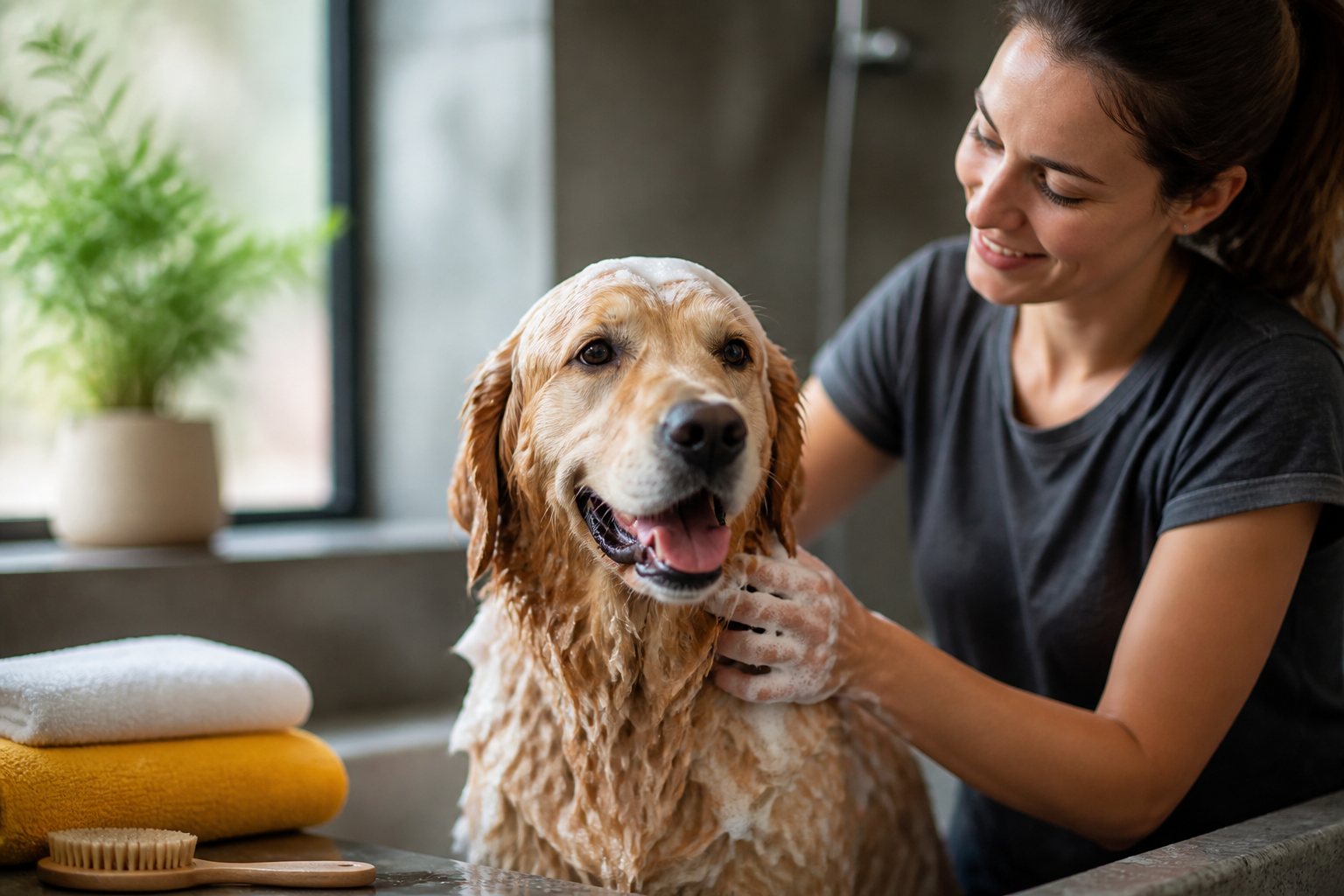
You are standing in the bathroom with a pile of towels and a dog who already looks suspicious of your intentions. You notice a few tangles behind their ears and wonder if the water will help loosen them or if you should grab the brush now. At BaxterBoo, we hear this question frequently from pet owners who want to make bath time more efficient and less stressful. The order in which you groom matters for your dog's comfort and the health of their skin. While it might seem easier to scrub first and brush later, the general rule for most dogs is to brush before they ever touch the water. This post will cover why the pre-bath brush is a standard practice and when you might need to adjust your routine for different coat types.
Quick Answer: For most dogs, you should brush thoroughly before the bath to remove loose fur and prevent mats from tightening. Brushing after the bath should only happen once the coat is completely dry to avoid pulling on the skin or damaging the hair.
The Science of Wet Fur and Mats
The primary reason to brush before a bath is the way water interacts with tangled hair. If your dog has any mats or tight knots, adding water acts like a setting agent. Think of a wool sweater that shrinks and tightens when it gets wet. Dog hair functions in a similar way. When water hits a knot, the hair fibers swell and then lock together as they dry. This makes an existing mat much tighter and harder to remove.
If you try to wash a matted dog, the soap and water often get trapped inside the knot. You might think you are getting them clean, but the core of that mat stays dirty and damp. This trapped moisture is a perfect breeding ground for bacteria and can lead to painful skin infections or hot spots. Brushing first ensures that the shampoo can actually reach the skin and that the rinse water can carry away all the dirt.
Key Takeaway: Water makes existing tangles tighter and more difficult to remove. Always clear out knots while the coat is dry to ensure the shampoo can reach the skin.
The Impact on Your Tools
Brushing a dirty dog also protects your grooming equipment. Professional groomers often prefer to work on clean hair because dirt and grit can dull clipper blades and scissors. For home grooming, brushing out the loose fur before the bath keeps your drain from clogging. It also prevents your brushes from getting filled with mud and dander that should be washed away in the tub.
Removing the Undercoat
Many breeds have a dense undercoat that sheds constantly. If you do not brush this out before the bath, the water will weigh down the dead fur. This creates a heavy, sodden mess that is difficult to soap up and even harder to dry. By removing the bulk of the dead undercoat first, you make the bath much faster. You will also use less shampoo because you are not wasting product on hair that is about to fall out anyway.
When Brushing After the Bath is Necessary
While the pre-bath brush is the standard, there is still work to do after the dog is dry. Once your dog has been washed, conditioned, and completely dried, a final brush helps set the coat. This "finishing brush" removes any last bits of shedding hair that the bath loosened up. It also helps distribute the natural oils across the coat, giving your dog that healthy, post-grooming shine.
There are a few specific situations where you might focus more on the post-bath brush:
- Short-Haired Breeds: For dogs with very short coats like Boxers or Beagles, matting is not an issue. You can use a rubber curry brush during the bath to help loosen dead hair, then do a quick brush once they are dry.
- Blow-Out Techniques: If you use a high-velocity pet dryer, you can often "blow out" the undercoat as the dog dries. This still requires a final brush once the hair is dry to tidy everything up.
- Applying Leave-In Conditioners: If you use a detangling spray or leave-in conditioner after the bath, you will need to brush it through the coat once the hair is dry to ensure even coverage.
Vet Tip: If you notice your dog’s skin is red, flaky, or has an unusual odor after a bath, consult your veterinarian. These can be signs of a skin infection or allergies that may require specialized treatment or prescription shampoos.
A Step-By-Step Grooming Routine
Following a consistent routine makes the process predictable for your dog. This helps reduce anxiety and ensures you do not miss any important steps.
Step 1: The Pre-Bath Inspection. / Run your hands over your dog’s body to check for lumps, bumps, or ticks. This is the best time to find anything unusual because the coat is still in its natural state.
Step 2: Thorough Dry Brushing. / Use a slicker brush or an undercoat rake to remove loose fur. Pay close attention to high-friction areas like the armpits, behind the ears, and where the collar sits.
Step 3: The Bath. / Use lukewarm water and a shampoo formulated specifically for dogs. Human shampoos have a different pH balance and can strip away essential oils, leading to irritation. For bathing essentials, browse our dog grooming collection.
Step 4: Conditioning. / If your dog has a long or curly coat, a conditioner is helpful. It smooths the hair cuticle and makes the post-bath brush much easier.
Step 5: Proper Drying. / Squeeze the water out with a towel rather than rubbing vigorously. Rubbing can create new tangles. Use a pet-safe dryer on a low heat setting until the coat is bone dry. For additional bathing supplies, explore our bath and shower supplies.
Step 6: The Finishing Brush. / Once the hair is 100% dry, go over the coat one last time with a soft bristle brush or a comb to ensure every tangle is gone.
Choosing the Right Tools for the Job
Not all brushes are created equal. Using the wrong tool for your dog’s coat type can lead to skin irritation or an ineffective grooming session. At BaxterBoo, we carry a wide range of expertly curated grooming supplies to match every breed. You can compare options in our dog brushes and combs category.
Slicker Brushes
These are the most common brushes for dogs with medium to long hair. They have fine, short wires close together on a flat surface. They are excellent for removing mats and tangles before a bath. If you have a Golden Retriever, a Poodle, or a Yorkie, this is likely your primary tool.
Undercoat Rakes
For heavy shedders like German Shepherds or Huskies, an undercoat rake is essential. These tools have long, sturdy teeth that reach through the topcoat to pull out the dead fluffy hair underneath. Using this tool before a bath will significantly reduce the amount of fur in your bathtub.
Rubber Curry Brushes
These are best for short-haired dogs. The rubber nubs massage the skin and pull away loose surface hair. These are unique because they can be used both before the bath and during the shampooing process to help work the soap into the coat.
Bristle Brushes
These are finishing tools. They do not do much for heavy tangles, but they are great for smoothing the hair and adding shine. Use a bristle brush as the very last step after your dog is clean and dry.
- Check the brush pins for sharpness before using.
- Match the pin length to your dog's coat depth.
- Replace brushes that have bent or missing bristles.
Bottom line: The right tools make the difference between a painful tugging session and a comfortable massage for your dog.
Addressing Skin Health and Irritation
Grooming is the best time to monitor your dog's skin health. As you brush through the coat, look for signs of redness, hot spots, or parasites like fleas and ticks. If you find that your dog constantly struggles with itchy skin or frequent infections, it may be time to look at professional solutions. For everyday coat maintenance, see our dog skin and coat care selection.
Our pharmacy at BaxterBoo offers a wide range of FDA-approved medications through our partnership with Pet's Choice. This includes prescription-strength medicated shampoos for dogs with chronic dermatitis or fungal infections. Sometimes, a simple bath is not enough to solve a skin issue, and a veterinarian may prescribe a specific treatment plan. You can explore our pet pharmacy when your veterinarian recommends prescription care.
We also carry prescription pet foods designed for skin and coat sensitivities. If your dog’s coat is dull or they are constantly scratching, it might be an internal issue rather than a grooming problem. Managing these conditions through our pharmacy and proper nutrition can make the grooming process much easier over time.
Vet Tip: Never use a human blow dryer on a high heat setting for your dog. Their skin is much thinner than ours and can burn easily. Always use a cool or low-warm setting.
Managing Shedding and the MVP Rewards Program
If you find yourself grooming your dog several times a week to keep up with the shedding, you are likely going through brushes and shampoos quickly. We designed our MVP Rewards program to help regular groomers save money. You can earn up to 5% back on every purchase, including grooming tools, wipes, and conditioners. Learn more about the MVP Rewards programme.
For the items you use every time, like shampoo or flea and tick preventives, our Autoship programme is a great option. You save on your first order and get free MVP Gold membership. This ensures you never run out of the supplies you need to keep your dog's coat in top shape. Regular grooming is a commitment, and we want to make it as affordable as possible for our customers.
Common Grooming Mistakes to Avoid
Even with the best intentions, it is easy to make a few mistakes during the bath and brush process. Being aware of these can save your dog a lot of discomfort. BaxterBoo’s guide to the dos and don’ts of bathing your dog covers additional ways to make bath time easier.
Brushing While Wet
Unless you are using a specific wet-brush designed for the tub with plenty of conditioner, avoid brushing wet hair. Wet hair is weaker and more elastic than dry hair. When you pull a brush through it, the hair can stretch and snap. It also pulls more on the skin, which can make your dog learn to hate grooming.
Skipping the Rinse
Shampoo residue is a major cause of post-bath itching. Even if you brushed perfectly before the bath, leftover soap will trap dirt and irritate the skin. Continue rinsing until the water runs completely clear and you no longer feel any "slickness" on the fur. Pay close attention to the belly and under the legs.
Ignoring the Ears and Eyes
Water in the ears can lead to infections, especially in breeds with floppy ears. You can place a cotton ball gently in the outer ear canal to keep water out during the bath. For the face, skip the sprayer and use a damp washcloth to clean around the eyes and muzzle. This is much less scary for the dog and prevents water from getting up their nose.
Shaving Too Close
In the summer, it is tempting to shave a thick-coated dog to keep them cool. However, for many breeds, the coat actually provides insulation against the heat and protection from the sun. Instead of shaving, focus on a very deep pre-bath brush to remove all the dead undercoat. This allows air to circulate to the skin naturally.
- Always test the water temperature on your own wrist.
- Use a non-slip mat in the tub to prevent injuries.
- Reward your dog with treats throughout the process to build a positive association.
Maintaining the Coat Between Baths
You do not have to wait for bath day to pick up the brush. In fact, brushing your dog two or three times a week is the best way to prevent mats from ever forming. This makes the eventual bath much easier for both of you. Regular brushing also helps you bond with your pet and keeps your home cleaner by capturing the fur before it ends up on the sofa. For more guidance on managing loose fur, read how Australian Shepherds shed.
If your dog has a particularly long or difficult coat, you might consider using a grooming spray between baths. These sprays help moisturize the hair and make the brush glide through more easily. It is a simple way to maintain that professional look without the hassle of a full bath.
If you are dealing with a senior dog who has mobility issues, grooming can become a challenge. They may have trouble standing in the tub for long periods. In these cases, focus heavily on the pre-bath brush to keep them clean, and consider using waterless shampoo or grooming wipes for the "bath" portion. This reduces the physical strain on their joints while still keeping them hygienic. For another option between full baths, read about waterless dog bathing and grooming.
Key Takeaway: Consistency is the secret to a healthy coat. A five-minute brush every other day is more effective than a two-hour session once a month.
Conclusion
Brushing your dog before the bath is the most important step in a successful grooming routine. It prevents mats from tightening, protects your dog's skin from irritation, and ensures that they actually get clean. By removing the loose fur first, you make the bath faster and the drying process more efficient. While the post-bath brush is great for a final polish, it should only happen once the coat is completely dry.
Remember to keep an eye on your dog's skin health during every session. If you notice persistent issues, our pharmacy and Pet's Choice partnership are here to help with FDA-approved medications and prescription diets. We invite you to explore our full collection of dog grooming tools and shampoos to find the perfect match for your dog's unique coat.
Bottom line: Protect your dog's skin and your own sanity by always reaching for the brush before you turn on the faucet.
FAQ
Is it ever okay to brush a dog while they are wet?
It is generally best to avoid brushing wet fur because it is more prone to breakage and can be painful for the dog. The only exception is if you are using a wide-tooth comb or a specific wet-brush while the dog is saturated in heavy conditioner during the bath. Once you rinse the conditioner out, you should wait for the coat to be fully dry before brushing again.
What should I do if I find a mat after the dog is already wet?
If you discover a knot during the bath, do not try to pull it out with a brush. Instead, apply a large amount of conditioner directly to the mat and try to gently work it apart with your fingers. If it does not budge, leave it alone until the dog is dry. Once dry, you can use a detangling spray and a slicker brush to carefully work through it, or see a professional if it is too close to the skin.
Can I skip the pre-bath brush for short-haired dogs?
While short-haired dogs do not get mats, a pre-bath brush is still beneficial. Using a rubber curry brush or a soft bristle brush before the bath helps loosen dead hair and dander. This means more fur ends up in the brush and less ends up clogging your bathtub drain. It also helps the shampoo penetrate deeper into the coat.
How do I know if I have brushed enough before the bath?
You are ready for the bath when you can run a medium-tooth comb through your dog's entire coat without it getting stuck on any tangles. Pay extra attention to the "friction zones" like the neck, the tail base, and the backs of the legs. If the comb glides through smoothly, you have successfully cleared the way for a thorough and effective cleaning.






