
 Save 15% on your 1st Autoship learn more

 Email us
 Live Chat
 FAQs
FAQs





Introduction
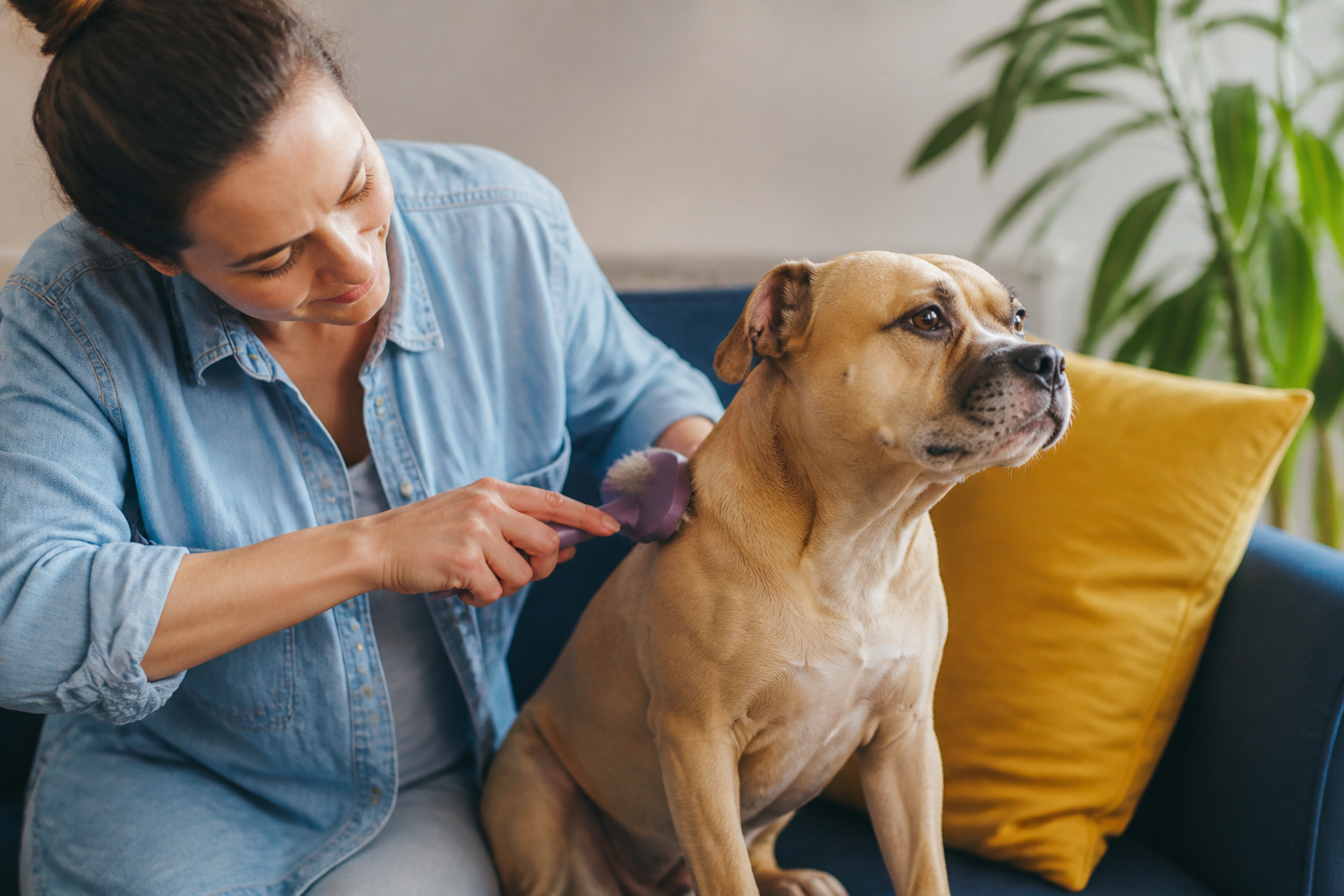
You might have chosen a short-haired dog because you wanted to skip the long hours of detangling and professional grooming. Many owners think that a smooth coat means a maintenance-free life. Then you sit on your sofa and realize your clothes are covered in tiny, needle-like hairs that are almost impossible to remove. At BaxterBoo, we talk to plenty of pet parents who are surprised by how much their "low-maintenance" pups actually shed. Brushing is not just for the long-haired breeds of the world. It is a fundamental part of keeping your dog comfortable and your home clean. This guide explains why brushing is necessary for short coats and which tools will make the job easier. You will learn how regular grooming supports skin health and helps you catch health issues early.
Quick Answer: Yes, you must brush short-haired dogs to remove dead hair and distribute skin oils. Regular sessions reduce shedding around your house and allow you to check for skin issues or parasites.
The Science of the Short Coat
Short-haired dogs have a unique coat structure that requires specific care. While they do not get the massive tangles that a Golden Retriever might, they still have a life cycle for every hair. Each follicle grows a hair, reaches a certain length, and then dies. When that hair dies, it stays on the dog until it is physically removed. If you do not brush your dog, that dead hair sits against the skin. This can trap heat and moisture. It can also lead to a duller appearance over time.
Brushing acts as a mechanical exfoliator for your dog. It pulls away the dead skin cells and dander that can cause "doggy odor." When you use a brush, you are also stimulating the sebaceous glands. These glands produce sebum, which is the natural oil that makes a coat shine. By moving these oils from the skin down the hair shaft, you create a waterproof barrier and a healthy glow.
Smooth vs. Short and Dense
Not all short coats are the same. A Boxer or a Greyhound has a smooth, single coat. These dogs have very little undercoat and require a gentle touch. A Labrador or a Pug has a short but very dense coat. These breeds often have a thick undercoat that sheds profusely. You might find that these dense-coated dogs require more frequent brushing than you expected.
Key Takeaway: Brushing removes dead hair before it falls on your furniture and helps spread natural oils for a shiny coat.
Managing the Shedding Cycle
Shedding is the most common reason owners start a brushing routine. Short-haired dogs often shed year-round rather than in one big "blow out" like long-haired breeds. Because the hairs are short and stiff, they tend to weave themselves into fabric. This makes them much harder to vacuum than long, soft fur.
Regular brushing sessions can reduce the amount of hair in your home by up to 80 percent. When you brush, you control where the hair goes. It ends up in the brush or in a neat pile on the floor rather than on your rugs. For dogs with dense undercoats, a weekly session is usually enough. During the spring and fall, you may need to increase this to two or three times a week. For more shedding-care ideas, read about managing seasonal shedding in dogs.
Reducing Dander and Allergens
If anyone in your home has mild pet allergies, brushing is your best friend. Most allergies are triggered by dander and saliva on the hair. By removing the dead skin and hair outdoors or in a controlled area, you keep those allergens out of the air. We recommend doing your heavy brushing sessions near an air purifier or outside on a porch to keep the indoor air clean.
Essential Tools for Short Hair
You cannot use the same brush on a Doberman that you would use on a Poodle. The tools for short hair must be effective at grabbing tiny hairs without scratching the skin. Because there is very little "cushion" on a short-haired dog, the wrong tool can be painful. Browse our dog brushes and combs to find options for different coat types.
The Rubber Curry Brush
This is the gold standard for short-haired dogs. Tools like the Kong ZoomGroom or similar rubber brushes use soft "fingers" to grab hair. The rubber creates friction against the coat. This pulls out the dead hair and massages the skin at the same time. Most dogs love the feeling of a rubber curry brush. It feels like a firm massage rather than a grooming chore.
The Bristle Brush
A natural bristle brush is perfect for finishing. The bristles are packed closely together. This helps to pick up fine dust and dander that other brushes might miss. It is also the best tool for moving oils across the coat. Look for a brush with a mix of natural and synthetic bristles for the best results. A versatile option is the U-Groom Combo Brush for Dogs and Cats, which combines pins and bristles.
Grooming Gloves
If your dog is nervous about traditional brushes, try a grooming glove. You simply wear the glove and pet your dog as you normally would. The rubber nubs on the palm catch the loose fur. This is a great way to bond with a new puppy or a rescue dog that is wary of grooming tools.
The Slicker Brush (Use with Caution)
Slicker brushes have fine wire pins. They are excellent for removing debris and loose hair from denser short coats, like those on a Beagle. However, you must use a light hand. If you press too hard, the pins can reach the skin and cause "brush burn." Always test the brush on your own arm first to gauge the pressure.
Vet Tip: Check your dog's skin for redness or small bumps after brushing. If you see signs of irritation, you may be using too much pressure or the wrong type of brush for their skin sensitivity.
Identifying Health Issues Early
One of the biggest benefits of brushing is the "hands-on" time it provides. When you brush your dog every week, you become an expert on their body. You will notice a new lump, a small cut, or a patch of dry skin immediately. Early detection is vital for many canine health conditions.
Brushing is also the best time to check for parasites. Fleas and ticks love to hide in the warm areas of a dog's body. As you move the hair with a brush, look for "flea dirt" or small, raised bumps that could be ticks. If you find signs of pests, we can help. Our dog flea and tick pharmacy offers a range of FDA-approved flea and tick preventatives. Through our pharmacy partners, you can access prescription medications that keep your pet safe from heartworm and other parasites.
Spotting Skin Conditions
Short-haired dogs are often prone to skin allergies and environmental irritation. During your grooming session, look for:
- Flaky or "dandruff" patches
- Hot spots or oozing sores
- Redness between the toes
- Symmetrical hair loss
If you notice any of these signs, it is time to consult your veterinarian. They can help diagnose whether the issue is related to diet, environment, or a medical condition.
The Best Brushing Technique
How you brush is just as important as the tool you use. For a smooth-coated dog, always brush in the direction of hair growth. Start at the neck and work your way back toward the tail. Use long, sweeping strokes with a bristle brush. Use circular motions if you are using a rubber curry brush. This circular action helps to loosen the hair from the follicle.
Handling Sensitive Areas
Be very gentle around the belly, the armpits, and the legs. The skin in these areas is much thinner. Most short-haired dogs do not have much fat or fur to protect these spots. If your dog has a very thin coat, you might even consider using a soft damp cloth for these sensitive areas instead of a brush.
The Finishing Touch
After you have removed the bulk of the loose hair, use a soft cloth or a chamois to wipe down the coat. This removes the very last bits of dust. It leaves the coat looking like polished glass. This is the secret to those "show dog" looks you see in photographs.
Brushing and the Bathing Routine
Brushing should always happen before a bath. If you put a shedding dog into the tub without brushing first, you will end up with a drain full of hair. More importantly, the water can mat down the dead hair. This makes it harder for the shampoo to reach the skin. For additional bathing guidance, see these dos and don'ts for bathing your dog.
Step 1: Use a rubber curry brush on the dry coat to loosen as much hair as possible.
Step 2: Use a slicker or bristle brush to remove the loosened hair.
Step 3: Bathe the dog using a gentle shampoo. You can even use the rubber curry brush in the tub to work the lather down to the skin.
Step 4: Dry the dog thoroughly.
Step 5: Perform a final light brushing once the coat is completely dry to catch any remaining "post-bath" shedding.
Most short-haired dogs only need a bath every 6 to 8 weeks. Brushing between baths helps keep them smelling fresh so you do not have to over-bathe them. Over-bathing can strip away those healthy oils we mentioned earlier. When it is time for a bath, explore our dog shampoo and conditioner selection.
Bottom line: Brushing before a bath makes the cleaning process more effective and keeps your plumbing clear of dog hair.
Breed-Specific Brushing Needs
While the general rules apply to most, some breeds have specific requirements. Knowing your dog's breed history can help you plan your routine.
- Labrador Retrievers: These dogs have a dense, oily double coat. They need frequent brushing, especially during the spring. A slicker brush followed by a rubber curry is a great combination for them.
- Boxers and Great Danes: These have very short, single coats. A soft bristle brush or a grooming glove is usually all they need once or twice a week.
- Pugs: Despite their small size, Pugs are legendary shedders. They have a lot of hair per square inch. Daily brushing with a rubber curry is often necessary to keep the hair under control.
- Chihuahuas (Short Haired): Their skin can be very sensitive. Use the softest brushes available and keep sessions short.
Training Your Dog to Love Brushing
If your dog hides when they see the brush, you need to change their perspective. Start by leaving the brush on the floor near their food bowl. Let them sniff it and realize it is not a threat. Once they are comfortable with the object, try one or two light strokes. Follow those strokes with a high-value treat.
Keep your initial sessions very short. Two minutes of a positive experience is better than ten minutes of a struggle. Eventually, most dogs view brushing as a form of petting. It becomes a calm, relaxing part of their day. This bond-building time is one of the most rewarding parts of being a pet owner.
Making Care Easy with BaxterBoo
We want to make pet care as simple as possible for you. Maintaining a short coat does not have to be a chore if you have the right supplies. Beyond brushes and combs, we offer a wide range of shampoos and conditioners designed for sensitive skin.
If you find a brand of grooming supplies or food that works perfectly for your pup, consider our Autoship program. You can schedule regular deliveries of your favorites. This saves you time and ensures you never run out of the essentials. Plus, our MVP Rewards program lets you earn points on every purchase. You can use those points to save on future orders for toys, treats, or gear.
Conclusion
Brushing your short-haired dog is a simple act that yields big results. It keeps your furniture cleaner, your dog's skin healthier, and your bond stronger. By choosing the right tools like rubber curries and soft bristle brushes, you can turn grooming into a massage your dog will look forward to. Remember to watch for skin changes and keep up with parasite prevention. Our pet pharmacy is always here to support your pet's health with professional-grade medications and expert care.
- Brush at least once a week to manage shedding.
- Use rubber tools for a gentle, effective massage.
- Check for lumps, bumps, and fleas during every session.
- Always brush before bath time.
Key Takeaway: Regular brushing is a foundational health habit that prevents skin issues and keeps shedding under control in short-haired dogs.
FAQ
How often should I brush my short-haired dog?
Most short-haired dogs benefit from being brushed once or twice a week. If your dog is a heavy shedder, like a Labrador or a Pug, you might find that a quick daily session is more effective. Regularity is more important than the length of the session.
Does brushing actually stop a dog from shedding?
Brushing does not stop the biological process of shedding, but it controls where that hair ends up. By removing the hair with a brush, you prevent it from falling onto your clothes and furniture. It also helps remove dead skin cells that can lead to itching and further shedding.
What is the best brush for a dog with very sensitive skin?
A rubber curry brush or a grooming glove is the best choice for sensitive pets. These tools have soft, flexible nubs that do not scratch or irritate the skin. They provide a massaging sensation that most sensitive dogs find very soothing.
Can I brush my short-haired dog too much?
While it is hard to over-brush, you should watch for "brush burn" or skin irritation. If the skin looks red or your dog seems uncomfortable, you may be using too much pressure. Always use tools designed specifically for short hair to avoid reaching the skin with sharp pins or bristles.






