
 Save 15% on your 1st Autoship learn more

 Email us
 Live Chat
 FAQs
FAQs





Introduction
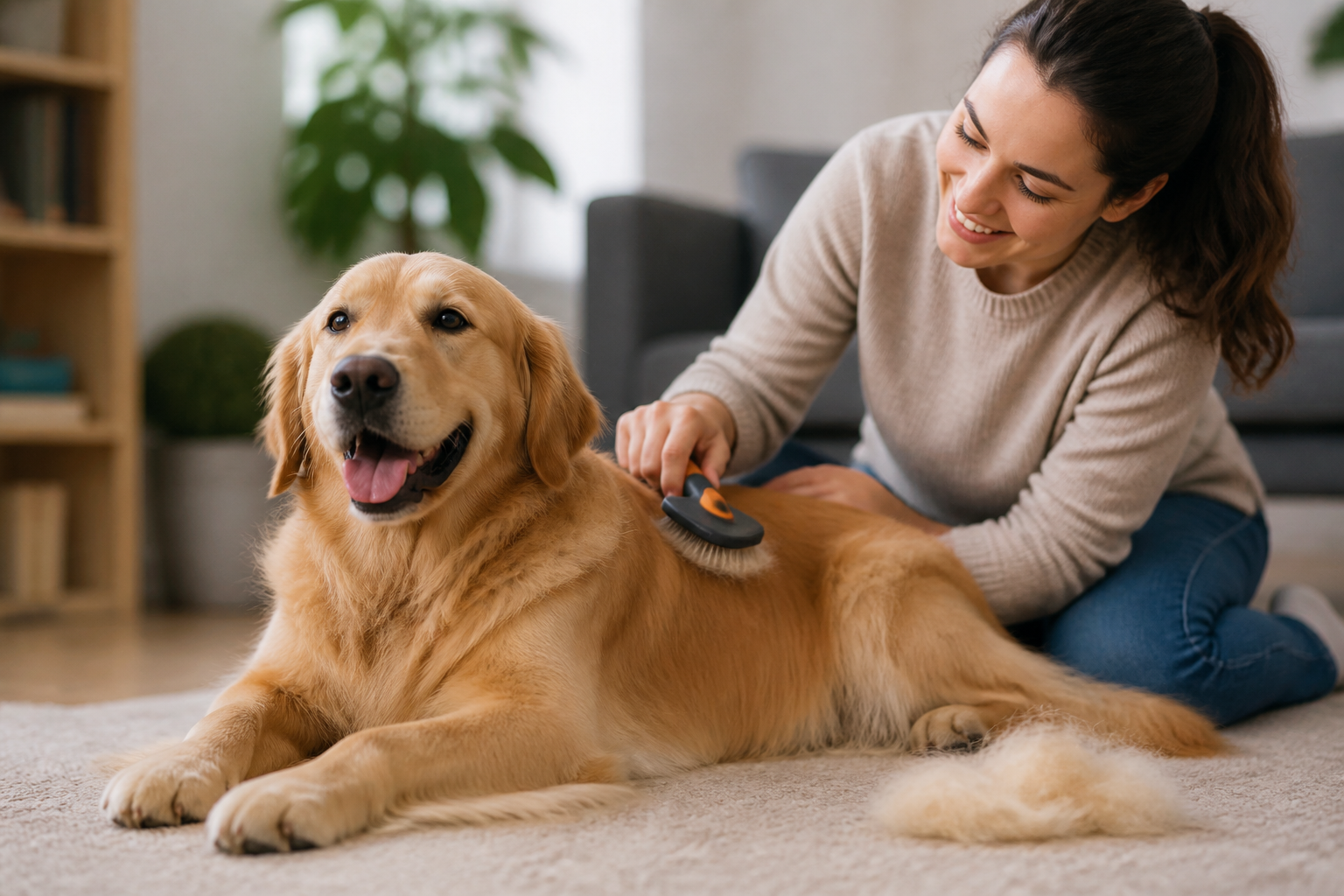
You just finished vacuuming the living room and sit down for a moment of peace. Then you look at your socks and realize they are already covered in a fresh layer of fur. It is a scene every pet owner knows well. Managing a shedding dog can feel like a losing battle against a furry tide. At BaxterBoo, we hear from owners every day who are looking for a way to keep their homes cleaner while keeping their dogs comfortable. You want to know if picking up that brush every single day actually makes a difference or if it is just more work for the same result. This post explores the impact of daily grooming on your dog's coat and your home's cleanliness. We will cover the best tools for the job and how to know when shedding is a sign of a health issue. Daily brushing is the single most effective way to manage shedding at the source.
Quick Answer: Yes, brushing your dog every day significantly reduces the amount of loose hair in your home. It captures dead fur before it falls and distributes natural skin oils to keep the coat healthy.
The Reality of Why Dogs Shed
Shedding is a natural biological process. It is how your dog gets rid of old, unneeded, or damaged hair. Most dogs have a cycle where hair grows, rests, and then falls out to make room for new growth. This cycle is influenced by several factors including genetics, light exposure, and temperature.
Many people think temperature is the only trigger for shedding. In reality, the amount of daylight, known as the photoperiod, is a major driver. As the days get longer in the spring, your dog’s body gets the signal to drop its heavy winter undercoat. This is often called blowing coat. It can result in massive clumps of fur all over your house for several weeks.
Indoor dogs may shed more consistently throughout the year. Because we use artificial lighting and climate control, their bodies do not always receive clear seasonal signals. This leads to a steady drift of hair rather than two big seasonal events. Daily brushing helps manage this constant cycle by removing the hair before it has a chance to drift onto your rug.
How Daily Brushing Changes the Shedding Game
When you brush your dog every day, you are essentially intercepting the hair. If the hair is in the brush, it cannot be on your sofa. This simple habit changes the environment of your home. It also changes the health of your dog’s skin.
Brushing does more than just move hair. It stimulates the skin and increases blood flow to the hair follicles. This can actually strengthen the hair that remains, potentially reducing breakage. It also spreads natural oils across the hair shaft. This gives your dog a healthy shine and prevents the skin from becoming dry and flaky.
Daily sessions do not have to be long. Even five to ten minutes of focused brushing can remove a surprising amount of fur. For dogs with thick undercoats, like German Shepherds or Huskies, this daily maintenance prevents the hair from matting. Once fur mats, it traps heat and moisture against the skin, which can lead to irritation or infections.
Key Takeaway: Daily brushing is a proactive approach that stops fur from entering your living space while improving the dog's skin health and coat shine.
Choosing the Right Tool for Your Dog's Coat
Using the wrong brush is a common mistake. If you use a brush that only reaches the top layer of a double-coated dog, you will still see plenty of shedding. You need a tool designed for your dog's specific hair type. Explore our dog brushes and combs to compare options for different coats.
Short and Smooth Coats
Dogs like Labradors, Boxers, or Beagles have short hair that can be surprisingly difficult to manage. Their fur is often stiff and embeds itself into fabric.
- Rubber Curry Brushes: These are excellent for short hair. The rubber nubs massage the skin and pull loose hair out through friction.
- Grooming Mitts: These allow you to pet your dog while removing hair. They are great for dogs that are nervous about traditional brushes.
Double Coats
Breeds like Golden Retrievers, Collies, and Newfoundlands have a soft undercoat and a tougher outer coat.
- Undercoat Rakes: These have long, blunt tines that reach through the topcoat to pull out the loose undercoat.
- Slicker Brushes: These feature fine wire bristles that help remove tangles and loose fur from the surface and mid-layers.
Long or Silky Coats
Dogs like Yorkies or Setters have hair that can tangle easily.
- Pin Brushes: These look like human hairbrushes and are gentle on long, flowing hair.
- Stainless Steel Combs: These are vital for checking for small tangles or mats after you have finished brushing.
| Coat Type | Primary Tool | Benefit |
|---|---|---|
| Short/Smooth | Rubber Curry Brush | Massages skin and grabs stiff hairs |
| Double Coat | Undercoat Rake | Removes the "blow out" layer effectively |
| Long/Silky | Pin Brush | Detangles without breaking long strands |
| Wire Coat | Slicker Brush | Removes dead hair from dense textures |
A Simple Daily Brushing Routine
Establishing a routine makes the process easier for both you and your pet. It should be a positive experience that your dog looks forward to. Use these steps to get the most out of your daily session.
Step 1: Choose the right time. / Pick a moment when your dog is relaxed, such as after a walk or in the evening while you are watching television.
Step 2: Start with a quick scan. / Run your hands over your dog's body to check for any new bumps, ticks, or sore spots.
Step 3: Brush in sections. / Work on one area at a time, such as the back, then the sides, then the chest. This ensures you do not miss spots like the "trousers" on the back of the legs.
Step 4: Use the right direction. / For most dogs, brushing in the direction of hair growth is best. However, for double-coated breeds, you can occasionally brush against the grain to loosen the deep undercoat.
Step 5: Reward your dog. / Give a small treat or extra praise once you finish. This builds a positive association with the grooming tools.
The Role of Nutrition in Reducing Shedding
While brushing handles the hair that has already died, nutrition influences how long the hair stays attached. A dog with poor nutrition will have a brittle, dull coat that sheds excessively. High quality food provides the building blocks for strong hair follicles.
We carry brands like Farmina, The Honest Kitchen, and Stella and Chewy's that focus on nutrient density. Look for foods rich in Omega-3 and Omega-6 fatty acids. These fats are essential for skin elasticity and hair strength. If your dog's skin is dry, the hair follicles will be weak.
Supplements can also play a role. Adding a salmon oil or a dedicated skin and coat supplement from brands like Zesty Paws can make a visible difference in a few weeks. Always ensure your dog has plenty of fresh water. Dehydration is a hidden cause of skin dryness and increased shedding. Browse our dog skin and coat care options when building a broader coat-care routine.
Vet Tip: If your dog is shedding in patches or has red, itchy skin, it may be more than a grooming issue. Consult your veterinarian to rule out food allergies or environmental sensitivities. Our pharmacy offers prescription diets and allergy medications through our partnership with Pet's Choice for these specific health needs.
When Shedding Becomes a Health Concern
It is important to know the difference between normal shedding and hair loss. Normal shedding is a thinning of the coat across the whole body. Abnormal hair loss, or alopecia, often looks different.
Watch for these warning signs:
- Symmetrical bald patches on the sides of the body
- Skin that looks black or thickened in hairless areas
- Constant scratching, biting, or licking at the skin
- An unpleasant odor coming from the coat
- Thinning hair accompanied by weight gain or lethargy
These symptoms can point to hormonal imbalances like hypothyroidism or Cushing's disease. They could also indicate parasites like mange or a fungal infection like ringworm. If you notice these signs, a vet visit is necessary. Our pharmacy carries FDA-approved treatments for many of these conditions, including flea and tick preventives and medicated shampoos. You will need a valid prescription from your vet for many of these items, which we can then fill and deliver to your door. For everyday wellness products, you can also browse our dog healthcare category.
Professional Grooming vs. Home Maintenance
Daily brushing at home is your first line of defense. However, professional groomers have access to tools that can give you a "reset" during heavy shedding seasons. High-velocity dryers are a favorite tool for professionals. These blowers use a powerful stream of air to literally blast the loose undercoat out of the dog's fur after a bath.
You can mimic some of these professional results at home by using a deshedding shampoo. Brands like Furminator or TropiClean make formulas designed to loosen the undercoat during the bath. When you combine a deshedding bath with a thorough daily brushing, you will see a massive reduction in the fur piles around your home. For more bath-time guidance, read these dos and don'ts for bathing your dog.
If you have a breed with a double coat, avoid the temptation to shave them in the summer. A dog's coat actually provides insulation against the heat. Shaving a double-coated dog can damage the hair follicles and cause the coat to grow back patchy or not at all. It also leaves their skin vulnerable to sunburn. Stick to daily brushing to keep the "air conditioning" of their coat working properly.
Bottom line: Professional tools help for seasonal blowouts, but daily home brushing is the only way to maintain a hair-free home year-round.
Why Consistency Matters
The biggest challenge with daily brushing is consistency. It is easy to skip a day when you are tired. However, hair does not stop falling just because you are busy. When you skip several days, the loose hair begins to tangle with the attached hair. This creates a trap for dirt and dander.
Think of daily brushing as a bonding activity. It is a quiet time for you to connect with your pet. Many dogs grow to love the sensation of the brush. It mimics the grooming behavior they would experience from other dogs in a pack. By making it a habit, you reduce your own stress because you are no longer constantly cleaning up fur.
We recommend keeping your grooming tools in a convenient spot. If the brush is tucked away in a closet, you are less likely to use it. Keep a rubber mitt near the door or a slicker brush by the couch. This makes it easy to do a quick five-minute session whenever you have a moment.
Managing the Mess During Grooming
Even if you capture most of the hair in the brush, some will inevitably fly off. This can make the grooming process feel messy. If weather permits, brushing your dog outside is the easiest solution. The wind will take away the finest hairs, and birds often use the discarded fur for nesting material.
If you must brush indoors, try doing it on a hard surface like tile or linoleum. This makes it much easier to sweep up the remnants than if you were on a carpet. Some owners like to use a damp cloth to wipe down the dog after brushing. This picks up any lingering loose hairs that are sitting on top of the coat.
For those with highly sensitive noses, grooming also helps reduce allergens in the home. Most people are not allergic to the hair itself but to the dander and saliva attached to it. By removing the hair before it can circulate, you are also reducing the amount of dander in your air.
Conclusion
Managing your dog’s shedding is a journey, not a destination. While you will never stop a dog from shedding entirely, brushing them every day is the most powerful tool you have. It keeps your home cleaner, improves your dog's skin health, and gives you a daily moment to check on their physical wellbeing.
To stay on top of your dog's coat health, remember these points:
- Match your brush to your dog's specific coat type.
- Prioritize nutrition and hydration to strengthen the hair.
- Watch for signs of abnormal hair loss that require a vet's attention.
- Use high-quality grooming products to loosen the undercoat.
We are here to help you find the right supplies for your routine. Our BaxterBoo warehouse is stocked with top-tier brushes, supplements, and shampoos to make grooming easier. For any ongoing skin concerns that require prescription care, our pharmacy partnership is a reliable resource. Keeping your dog healthy and your home clean is easier when you have the right tools and a consistent plan.
Key Takeaway: A five-minute daily brushing session saves hours of cleaning and keeps your dog's skin in peak condition.
FAQ
Does daily brushing really make a difference for short-haired dogs?
Yes, short-haired dogs like Pugs or Labs often have dense coats that shed constantly. While the hairs are small, they are stiff and difficult to remove from furniture. Daily brushing with a rubber curry tool or a grooming mitt removes these hairs before they can embed themselves in your carpets.
Can I brush my dog too much?
It is possible to irritate the skin if you use too much pressure or the wrong tool. If you see redness or if your dog seems to be in pain, you should lighten your touch or switch to a softer brush. Always follow the natural direction of the hair and avoid staying on one spot for too long.
Why is my dog shedding more even though I brush them every day?
If shedding increases suddenly despite grooming, it may be due to a seasonal "blow out" or a change in the environment like increased stress or indoor heating. However, if you see bald spots or skin irritation, it is time to see a vet. These can be signs of underlying health issues that require medical treatment or a change in diet.
What is the best way to clean my grooming brushes?
To keep your brushes effective, you should remove the hair after every use. For slicker brushes, you can use a comb to pull the hair out of the wire bristles. Rubber brushes can be washed with mild soap and water to remove skin oils and dander. Ensure brushes are completely dry before using them again to prevent the growth of bacteria.






