
 Save 15% on your 1st Autoship learn more

 Email us
 Live Chat
 FAQs
FAQs





Introduction
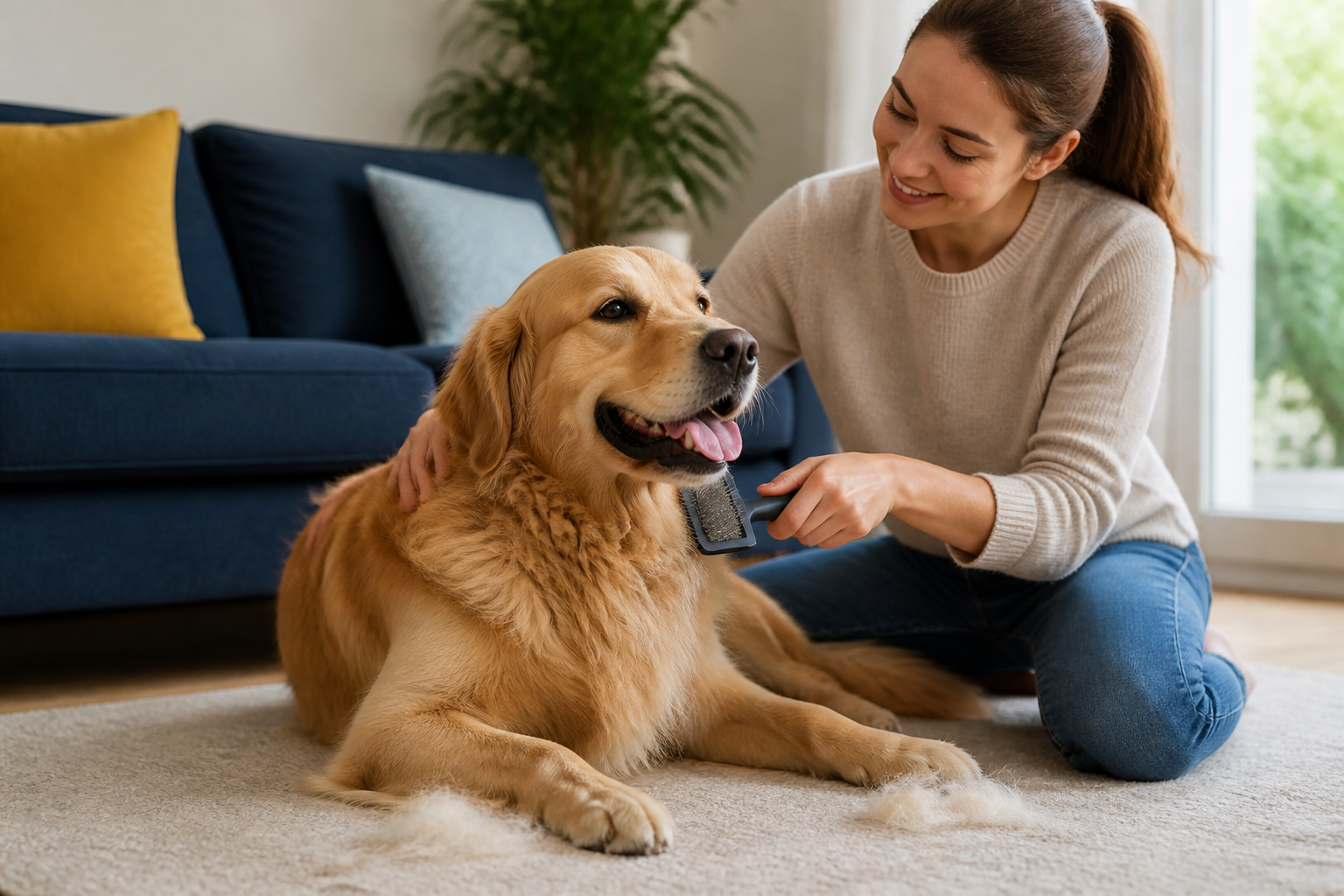
Finding a tumbleweed of fur rolling across your hardwood floors is a rite of passage for most dog owners. You might find white hairs on your black slacks or realize your sofa has changed color entirely since you brought your new friend home. At BaxterBoo, we talk to pet parents every day who feel like they are losing the battle against loose fur. The short answer is yes. Brushing is the single most effective way to manage shedding. It does not stop the biological process of hair growth and loss. However, it gives you control over where that hair ends up. This post will cover how to choose the right tools, the best brushing techniques for different coat types, and when shedding might actually be a sign of a health issue.
Quick Answer: Brushing is the most effective way to reduce shedding because it removes dead hair directly from the dog before it falls onto your furniture. It also stimulates the skin to produce natural oils that keep the coat healthy and rooted longer.
How Brushing Manages the Shedding Cycle
To understand why brushing works, you have to look at how a dog’s coat functions. Every hair on your dog’s body goes through a specific life cycle. It grows, it reaches a certain length, it dies, and then it falls out to make room for a new one. This process is constant. Some breeds have shorter cycles, while others have very long ones.
When you brush your dog, you are manually intervening in this cycle. Instead of waiting for the dead hair to work its way out of the coat and drop onto your rug, the brush pulls it out. For double-coated breeds, this is especially important. These dogs have a soft, dense undercoat that gets trapped beneath a tougher outer layer. If you do not brush them, that undercoat becomes a thick mat of dead hair that eventually sheds in large, messy clumps.
Brushing also helps with skin health. The physical action of the bristles or pins massages the skin. This increases blood flow to the hair follicles. It also spreads sebum, which is the natural oil your dog produces. A well-oiled hair shaft is more flexible and less likely to break. This means fewer broken bits of fur scattered around the house.
Matching the Brush to the Coat Type
Using the wrong tool is a common mistake that can make grooming frustrating for both you and your pet. A brush that works for a Golden Retriever will likely be useless, or even painful, for a short-haired Boxer. We carry a wide variety of tools at BaxterBoo because we know that one size definitely does not fit all in the world of grooming. Explore our dog grooming supplies to find tools for different coat types.
Short and Smooth Coats
If you have a Beagle, Pug, or Labrador, you are dealing with short, stiff hairs. These dogs do not get tangles, but they shed constantly. For these coats, look for rubber curry brushes or grooming mitts. Tools like the Kong ZoomGroom are excellent here. The rubber "fingers" grab onto the short hairs and pull them out without scratching the skin.
Double Coats
Breeds like Huskies, Shepherds, and Newfoundlands have a "blow out" twice a year. This is when the entire undercoat sheds at once. For these dogs, a deshedding rake or an undercoat rake is mandatory. These tools have long, sturdy teeth that reach through the topcoat to grab the fuzzy undercoat. Browse our dog brushes and combs for options designed to reach loose undercoat.
Long or Silky Coats
Yorkies or Spaniels need slicker brushes. These have fine, wire bristles that are slightly angled. They are perfect for removing small knots and capturing fine hairs. Always be gentle with these, as the wire pins can be sharp if you press too hard against the skin. For additional grooming guidance, see our tips on grooming dogs with curly or textured hair.
Key Takeaway: The effectiveness of brushing depends entirely on the tool reaching the layer of hair that is actually shedding. Ensure your brush teeth are long enough to reach the skin but gentle enough not to irritate it.
The Best Brushing Techniques for Maximum Hair Removal
Simply dragging a brush over your dog’s back is a good start, but a systematic approach will remove much more hair. Start at the head and work your way back toward the tail. This follows the natural direction of hair growth.
For dogs with thick fur, try the "line brushing" method. Use one hand to lift a section of hair upward. Use the other hand to brush the hair downward from the skin out. This ensures you are not just skimming the surface. You want to see the skin as you brush. If you only brush the top, the undercoat will stay trapped and eventually mat.
Be extra thorough around the "high-shed" zones. These are usually the neck, the back of the thighs, and the base of the tail. These areas have denser fur and tend to drop the most hair. If your dog is nervous, keep sessions short. Five minutes of brushing every day is much better than a marathon forty-minute session once a month.
- Brush in the direction of hair growth.
- Use long, gentle strokes rather than short, choppy ones.
- Check for skin redness or irritation after every few passes.
- Reward your dog with a small treat like a Greenies dental chew to create a positive association.
Beyond the Brush: The Role of Bathing and Drying
While brushing is the primary tool, bathing is the secret weapon for reducing shedding. A bath helps loosen the hair that is stuck in the coat. Using a specific deshedding shampoo can make a big difference. These shampoos often contain omega fatty acids and proteins that strengthen the hair and help "release" the dead undercoat in the tub.
After the bath, the way you dry your dog matters. Towel drying is okay, but it often just pushes the loose hair deeper into the coat. A high-velocity pet dryer is what professional groomers use to "blow out" the coat. These dryers use a powerful stream of air to literally blast the loose hair away from the skin. For more bath-time guidance, read our tips for bathing your dog.
If you do this at home, it is best to do it outside or in a dedicated grooming area. The amount of hair that comes off during a high-velocity dry can be staggering. It is much easier to sweep up a pile of fur on the patio than to vacuum it out of your bathroom rug.
Vet Tip: Avoid bathing your dog more than once every four weeks unless specifically directed by a veterinarian. Over-bathing can strip away essential oils, leading to dry, flaky skin and even more shedding.
Nutrition and its Impact on Shedding
What goes into your dog is just as important as what you do to their coat. If a dog is not getting the right nutrients, their hair follicles will be weak. This leads to excessive, year-round shedding. High-quality food should be the foundation of their diet. Look for brands that list real meat as the first ingredient and avoid heavy fillers.
We often recommend looking into brands like Farmina and The Honest Kitchen. These companies focus on nutrient density. When a dog’s body has all the vitamins and minerals it needs, it can afford to put energy into maintaining a strong, healthy coat.
Omega-3 and Omega-6 fatty acids are particularly important for skin health. Many owners see a significant reduction in "nuisance shedding" by adding a fish oil supplement or salmon oil to the food bowl. These fats nourish the skin and create a stronger bond between the hair and the follicle. You can also explore our dog skin and coat care options when considering supportive products.
Key Takeaway: A shiny, resilient coat starts in the gut. If your dog is shedding excessively despite regular brushing, consider upgrading their diet or adding an omega fatty acid supplement.
When Shedding Becomes a Medical Concern
Every dog sheds, but there is a point where it becomes abnormal. If you notice bald patches, red skin, or if your dog is constantly scratching and licking, this is not just a grooming issue. These are signs of an underlying condition.
Common medical causes for excessive shedding include:
- Skin allergies (environmental or food-based).
- Parasites like fleas, ticks, or mites.
- Hormonal imbalances, such as hypothyroidism or Cushing's disease.
- High levels of stress or anxiety.
If your dog’s shedding seems extreme or if the skin looks irritated, a trip to the vet is necessary. They can perform skin scrapings or blood tests to find the root cause. If the issue is related to allergies or chronic conditions, our pet pharmacy can help with prescription products when directed by your veterinarian. Having the right medication delivered to your door makes it much easier to keep your pet’s skin healthy and their shedding under control.
Dealing with Seasonal Blowouts
Many owners are surprised when their "non-shedding" dog suddenly starts losing hair in the spring. This is the seasonal blowout. As the days get longer and the temperature rises, a dog’s body gets the signal to drop its heavy winter undercoat. This is a survival mechanism to prevent overheating.
During these two to three-week periods, you may need to brush your dog every single day. If you skip even two days, the hair can begin to felt and mat near the skin. Mats are not just unsightly. They are painful because they pull on the skin and can trap moisture, leading to "hot spots" or bacterial infections.
Using a tool like a slicker brush or a coat king rake during these transitions is vital. You should also consider our Autoship programme for your grooming supplies and supplements. This ensures you never run out of the deshedding shampoo or the salmon oil right when the shedding season hits its peak.
Bottom line: You cannot stop a seasonal blowout, but daily brushing and the right tools will keep the mess contained and your dog comfortable.
Training Your Dog to Enjoy Brushing
Brushing only reduces shedding if you actually do it. If your dog runs and hides every time they see the brush, the fur will continue to pile up. Start training your dog to accept grooming as early as possible.
Begin by letting them sniff the brush. Give them a treat. Then, touch them with the back of the brush (the non-bristle side) and give another treat. Gradually move to one or two soft strokes. The goal is to make the dog think that the brush is a "treat wand."
If your dog is particularly sensitive, try a grooming glove. Since it feels like you are just petting them, many dogs find it less intimidating than a plastic or metal tool. Once they are comfortable with the glove, you can slowly transition to a more effective brush for their coat type. A gentle option is our selection of grooming gloves.
Cleaning the Home After a Grooming Session
No matter how much you brush, some hair will still find its way into your home. To make your life easier, use the right cleaning tools. A vacuum with a HEPA filter is best for capturing the fine dander that comes off with the hair. For furniture, a simple rubber squeegee or a damp rubber glove works better than most lint rollers. Just run the rubber over the fabric, and the hair will clump together for easy removal.
We recommend keeping a dedicated "grooming kit" in a specific spot. Having your brushes, wipes, and treats in one place makes it easier to fit a quick five-minute session into your daily routine. Consistency is the secret to a hair-free home.
Summary of Shedding Management
Managing your dog's coat is a multi-step process that involves the right tools, a good routine, and proper nutrition. Brushing is the most direct way to handle the problem. It physically removes the fur before it can scatter. When combined with high-quality food and the occasional deshedding bath, you can significantly reduce the amount of vacuuming you have to do.
- Select a tool that matches your dog's specific coat type.
- Brush daily during seasonal changes and at least twice a week otherwise.
- Support coat health from the inside with high-quality protein and omega fatty acids.
- Watch for signs of skin irritation and consult a vet for any bald patches or redness.
At BaxterBoo, we have been helping pet owners find the best solutions for their dogs since 2006. Whether you need a new slicker brush, a bottle of salmon oil, or a prescription diet from our pharmacy, we are here to help you keep your home clean and your dog happy.
Bottom line: While you will never stop a dog from shedding entirely, a proactive grooming routine can reduce the mess in your home by up to eighty percent.
FAQ
How often should I brush my dog to see a difference in shedding?
For most dogs, brushing two to three times a week is enough to noticeably reduce the hair on your floors. However, during the spring and fall shedding seasons, daily brushing is recommended for double-coated breeds to prevent mats and manage the heavy volume of loose fur.
Can I use a human hairbrush on my dog?
It is not recommended because human brushes are designed for much finer hair and different skin sensitivity. Pet-specific brushes have pins or bristles angled to reach through dense fur to the skin without causing irritation. Using the wrong brush can be ineffective at removing the undercoat or may even scratch your dog's skin.
Will shaving my dog stop them from shedding?
No, shaving does not stop shedding. It just makes the shed hairs shorter and often sharper, which can make them harder to remove from furniture. Shaving can also damage a double coat permanently and interfere with a dog's ability to regulate their body temperature and protect themselves from the sun.
Why is my dog shedding so much more than usual?
Excessive shedding can be caused by seasonal changes, but it can also stem from stress, poor nutrition, or medical issues like allergies and skin infections. If the shedding is accompanied by bald spots, itching, or skin redness, you should consult your veterinarian to rule out underlying health conditions.






