
 Save 15% on your 1st Autoship learn more

 Email us
 Live Chat
 FAQs
FAQs





Introduction
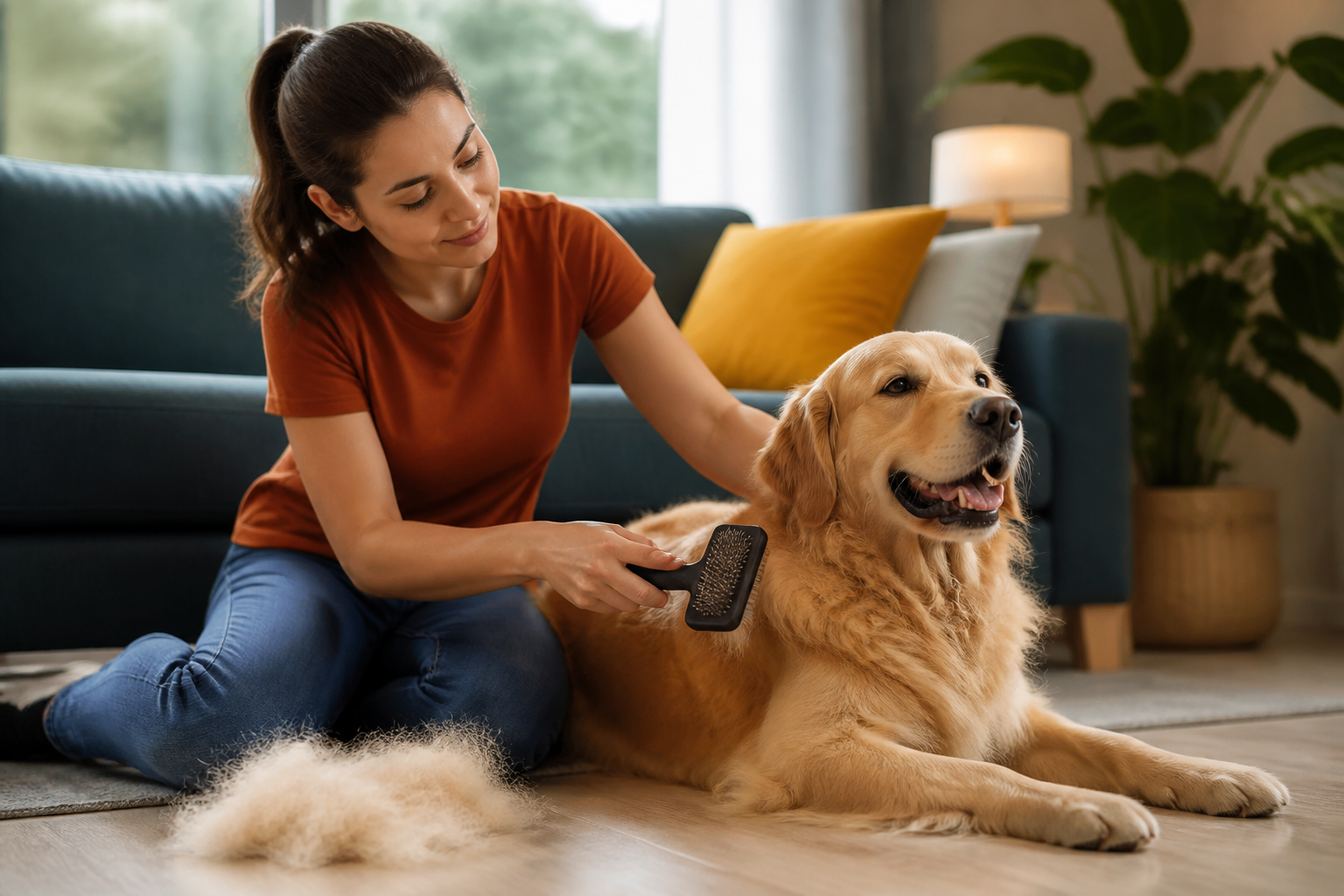
You just finished vacuuming the living room, but as your dog walks across the rug, a fresh cloud of fur settles onto the fibers. It is a cycle every pet owner knows well. Whether you have a Golden Retriever with a heavy double coat or a short-haired Beagle, loose hair seems to find its way into every corner of your home. At BaxterBoo, we understand that managing a shedding coat can feel like a full-time job. You might wonder if your daily grooming routine actually makes a difference or if you are simply moving hair around. The short answer is yes. Brushing is your best defense against the tumbleweeds of fur. This guide covers how brushing impacts the shedding cycle, the specific tools you need for success, and how to support coat health from the inside out.
Quick Answer: Yes, brushing is the most effective way to reduce shedding in the home. It captures loose, dead hair directly from the coat before it can fall onto your furniture. Regular grooming also distributes natural skin oils, which keeps the hair follicles healthy and reduces breakage.
How Brushing Controls the Shedding Cycle
Every hair on your dog’s body has a life cycle. It grows, reaches a certain length, and then eventually dies and falls out to make room for new growth. Shedding is a completely natural process. Some breeds shed small amounts year-round. Others experience a massive coat blow once or twice a year.
Brushing does not stop the biological process of hair falling out. Instead, it acts as a collection system. When you use a brush, you are manually removing the hair that has already detached from the follicle but is still trapped within the coat. For double-coated breeds, this dead undercoat can get tangled in the guard hairs. If you do not brush it out, it eventually forms clumps or drops off as your dog moves.
Regular grooming sessions also help you monitor your dog’s skin health. As you move through the fur, you can spot hot spots, ticks, or dry patches early. This proactive approach prevents secondary skin issues that could lead to even more hair loss. Explore our dog grooming supplies for tools that support regular coat care.
Matching the Right Brush to Your Dog's Coat
Not all brushes are created equal. Using the wrong tool can be ineffective or even uncomfortable for your pet. You want a tool that reaches the right layer of the coat without irritating the skin underneath.
Short and Smooth Coats
Breeds like Pugs, Boxers, and Labradors have short hair that often feels like little needles when it gets stuck in fabric. Even though the hair is short, these dogs can shed a surprising amount. For these coats, you need tools that create friction to grab those tiny hairs.
- Rubber Curry Combs: These are excellent for short hair. The rubber nubs massage the skin and pull loose hair away easily. Many dogs find the sensation very relaxing.
- Grooming Mitts: A rubber mitt allows you to pet your dog while removing fur. This is a great choice for dogs that are nervous about traditional brushes.
- Soft Bristle Brushes: These are perfect for finishing. They smooth the hair and move natural oils across the surface for a healthy shine.
Double Coats and Heavy Shedders
Huskies, German Shepherds, and Golden Retrievers have a soft undercoat for insulation and a tougher outer coat for protection. These breeds require more heavy-duty tools to reach through that dense fur.
- Undercoat Rakes: These have long, blunt-ended pins that reach through the top layer to pull out the fuzzy undercoat.
- Slicker Brushes: These feature fine wire bristles that are slightly bent. They are great for removing tangles and loose hair from the surface and mid-layers.
- De-shedding Tools: Specialized tools are designed to reach deep and remove the dead undercoat before it blows out. Use these with a light touch to avoid skin irritation.
Long or Silky Coats
Dogs with long, flowing hair like Yorkies or Setters need tools that prevent mats while removing loose strands.
- Pin Brushes: These look similar to human hairbrushes. They are gentle on long hair and help prevent breakage while you work through the coat.
- Steel Combs: A fine-toothed comb is essential for checking your work. If the comb glides through without catching, you have successfully removed the loose hair and tangles.
| Coat Type | Primary Tool | Benefit |
|---|---|---|
| Short/Smooth | Rubber Curry Brush | Massages skin and grabs stiff hairs |
| Double Coat | Undercoat Rake | Reaches deep to remove dead fuzz |
| Long/Silky | Pin Brush | Removes loose hair without breaking long strands |
| Curly/Wire | Slicker Brush | Breaks up mats and captures dead curls |
Key Takeaway: Using a brush specifically designed for your dog’s coat type ensures you remove the maximum amount of hair with the least amount of effort.
For more options, browse our dog grooming tools, including brushes, combs, and other at-home care essentials.
The Secret to an Effective Brushing Routine
Consistency is more important than the length of the grooming session. Five minutes of brushing every day is significantly more effective than a thirty-minute session once a month. Daily sessions prevent the hair from accumulating in the first place.
When you brush, always follow the direction of hair growth. For heavy shedders, you might need to use a technique called line brushing. This involves parting the hair and brushing small sections from the skin outward. This ensures you are not just skimming over the top of the coat.
If your dog is not a fan of grooming, start slow. Give them a treat like a Kong stuffed with a little peanut butter to keep them occupied. Brush for one minute, then stop. Gradually increase the time as they become more comfortable. We carry a wide variety of toys and treats that can make grooming time a much more positive experience for your pet.
Managing the Seasonal Coat Blow
Twice a year, usually in the spring and fall, many dogs undergo a major shedding event known as blowing their coat. This is triggered by changes in daylight and temperature. During this time, the amount of hair coming off your dog can feel overwhelming.
During a coat blow, you may need to increase your brushing frequency to twice a day. This is also a great time to incorporate a "de-shedding bath." Using a high-quality shampoo can help loosen the dead hair in the tub rather than on your carpet. For additional guidance, read how Australian Shepherds shed.
Vet Tip: If your dog's shedding is accompanied by bald patches, red skin, or intense itching, it is time for a checkup. While shedding is normal, these symptoms can indicate allergies, parasites, or underlying health conditions that require professional diagnosis and treatment.
Bathing and Drying Techniques
Bathing plays a supporting role in your shedding management plan. A warm bath helps to open the pores and release the hair that is ready to fall out. However, the real magic happens during the drying phase.
Many professional groomers use high-velocity dryers to "blow out" the coat. These dryers use a powerful stream of air to push water and loose hair away from the skin. If you are grooming at home, you can achieve a similar effect by towel drying thoroughly and then using a pet-specific blow dryer. Do not use a human hair dryer on a high heat setting, as this can burn your dog's sensitive skin.
Always brush your dog once they are completely dry. You will be amazed at how much more hair comes out after a bath. We offer a curated selection of grooming supplies that can help you get professional results in your own bathroom. For more bath-time guidance, see these dos and don’ts for bathing your dog.
Nutrition and the Shedding Connection
A dog's coat is a reflection of their internal health. If the skin is dry and flaky, the hair follicles will be weak. This leads to excessive shedding and breakage. High-quality nutrition is the foundation of a healthy coat.
Look for foods that are rich in Omega-3 and Omega-6 fatty acids. These healthy fats nourish the skin and help the hair stay rooted in the follicle for its full life cycle. Brands like Farmina, Zesty Paws, and Open Farm offer excellent options for coat support.
Essential Nutrients for Coat Health
- Omega-3 Fatty Acids: Usually derived from fish oil, these reduce inflammation and keep the skin hydrated.
- Biotin and B-Vitamins: These support keratin production, which is the primary protein in hair.
- Zinc: A deficiency in zinc can lead to hair loss and skin infections.
- Clean Protein: Hair is mostly made of protein. A diet with high-quality meat sources ensures the body has the building blocks it needs for strong fur.
If your dog is a very heavy shedder, you might consider adding a supplement. We carry a variety of salmon oils and skin-and-coat chews that are easy to add to any meal. Our guide to choosing between chews, powders, and oils offers more ways to think about supplement formats.
Bottom line: A healthy dog with a well-nourished coat will still shed, but the hair will be stronger and the skin will be less prone to irritation.
When Shedding Points to a Health Issue
Sometimes, shedding is not just shedding. If you notice a sudden change in the volume of hair loss or if your dog’s coat looks dull and brittle, it might be a sign of an underlying issue.
Common health-related causes of hair loss include:
- Allergies: Food or environmental allergies often cause skin irritation, leading to scratching and hair loss.
- Hormonal Imbalances: Conditions like hypothyroidism or Cushing’s disease can cause symmetrical hair loss.
- Stress: Significant changes in the home or anxiety can lead to "stress shedding."
- Parasites: Fleas, ticks, and mites cause itching that results in fur being pulled out.
Our pharmacy provides access to FDA-approved medications and prescription pet foods to help manage these conditions. Through our partnership with Pet's Choice, we can help you get the treatments your veterinarian prescribes for chronic skin issues or allergies. Whether your dog needs a prescription flea preventive or a specialized hypoallergenic diet, our pet pharmacy is a convenient resource for keeping your pet healthy.
Practical Steps for a Hair-Free Home
While you can never stop a dog from shedding entirely, you can manage the mess. Combining a solid grooming routine with a few household habits makes a world of difference.
- Step 1: Brush Daily. Spend five minutes every evening removing the day's loose fur.
- Step 2: Use Furniture Covers. Washable covers protect your sofa and are much easier to clean than upholstery.
- Step 3: Vacuum Regularly. Use a vacuum with a HEPA filter to capture hair and dander.
- Step 4: Maintain Hydration. Ensure your dog drinks plenty of water, as dehydrated skin sheds more.
Managing shedding is about being proactive. By capturing the hair at the source, you spend less time cleaning and more time enjoying your dog's company.
At BaxterBoo, we have been helping pet owners since 2006. We handpick every product in our warehouse to ensure it meets our high standards for quality and value. From the perfect undercoat rake to the best omega supplements, we have the gear you need to stay ahead of the fur.
Key Takeaway: A multi-faceted approach—combining the right tools, consistent grooming, and high-quality nutrition—is the only way to effectively manage dog shedding.
Summary
Brushing is a simple but powerful tool in your pet care toolkit. It keeps your dog comfortable, their skin healthy, and your home much cleaner. While the tumbleweeds of fur might never disappear completely, they do not have to take over your life. By choosing the right brushes and staying consistent, you can significantly reduce the amount of hair on your floors. Remember to support your dog’s coat from the inside out with premium food and supplements. If you ever feel like the shedding is more than just a seasonal blow, consult your veterinarian to rule out any health concerns.
Check out our full collection of grooming tools and supplements to start your new routine today. You can also save on your favorite items by signing up for our Autoship programme, which ensures you never run out of the essentials while earning you a free MVP Gold membership.
FAQ
How often should I brush my dog to see a reduction in shedding?
For most breeds, brushing three to four times a week will noticeably reduce the amount of hair in your home. However, heavy shedders or double-coated breeds often benefit from a quick daily brushing session. Consistency is key because it prevents loose hair from building up and matting.
Can I use a human hairbrush on my dog?
It is not recommended to use human brushes because dog skin is much more sensitive than ours. Human brushes often lack the necessary reach to get through a dog's coat or may have bristles that are too sharp for their skin. Using a brush specifically designed for pets ensures effective hair removal without causing discomfort or skin irritation.
Does bathing my dog more often help with shedding?
Bathing can help loosen dead hair, but doing it too frequently can actually make shedding worse. Over-bathing strips the skin of natural oils, leading to dryness and irritation, which can cause hair to fall out more easily. Stick to a bath every four to six weeks unless your dog gets particularly dirty.
Why does my dog seem to shed more in the spring?
This is known as blowing the coat. As the days get longer and the temperature rises, dogs naturally shed their heavy winter undercoat to prepare for the summer heat. This process usually lasts a few weeks and requires more frequent brushing to manage the large volume of loose fur.






