
 Save 15% on your 1st Autoship learn more

 Email us
 Live Chat
 FAQs
FAQs





Introduction
You are sitting on the couch with a fresh stalk of celery and your dog is staring at you with intense interest. Many owners wonder if this crunchy snack is safe or if it offers any health benefits beyond being a low calorie treat. At BaxterBoo, we believe in providing honest answers about what goes into your pet's bowl. Celery is indeed a safe, hydrating snack that can provide a bit of help with fresh breath and mechanical cleaning. It is not a replacement for a toothbrush, but it can be a useful tool in your oral care kit. This article covers how celery affects canine dental health, the nutritional perks it offers, and how to serve it safely to avoid common hazards.
Quick Answer: Celery can help clean a dog's teeth through mechanical scraping and by stimulating saliva, which rinses away food particles. However, it is not a substitute for regular brushing and should only be considered a supplemental treat for breath freshening.
How Celery Works on Canine Teeth
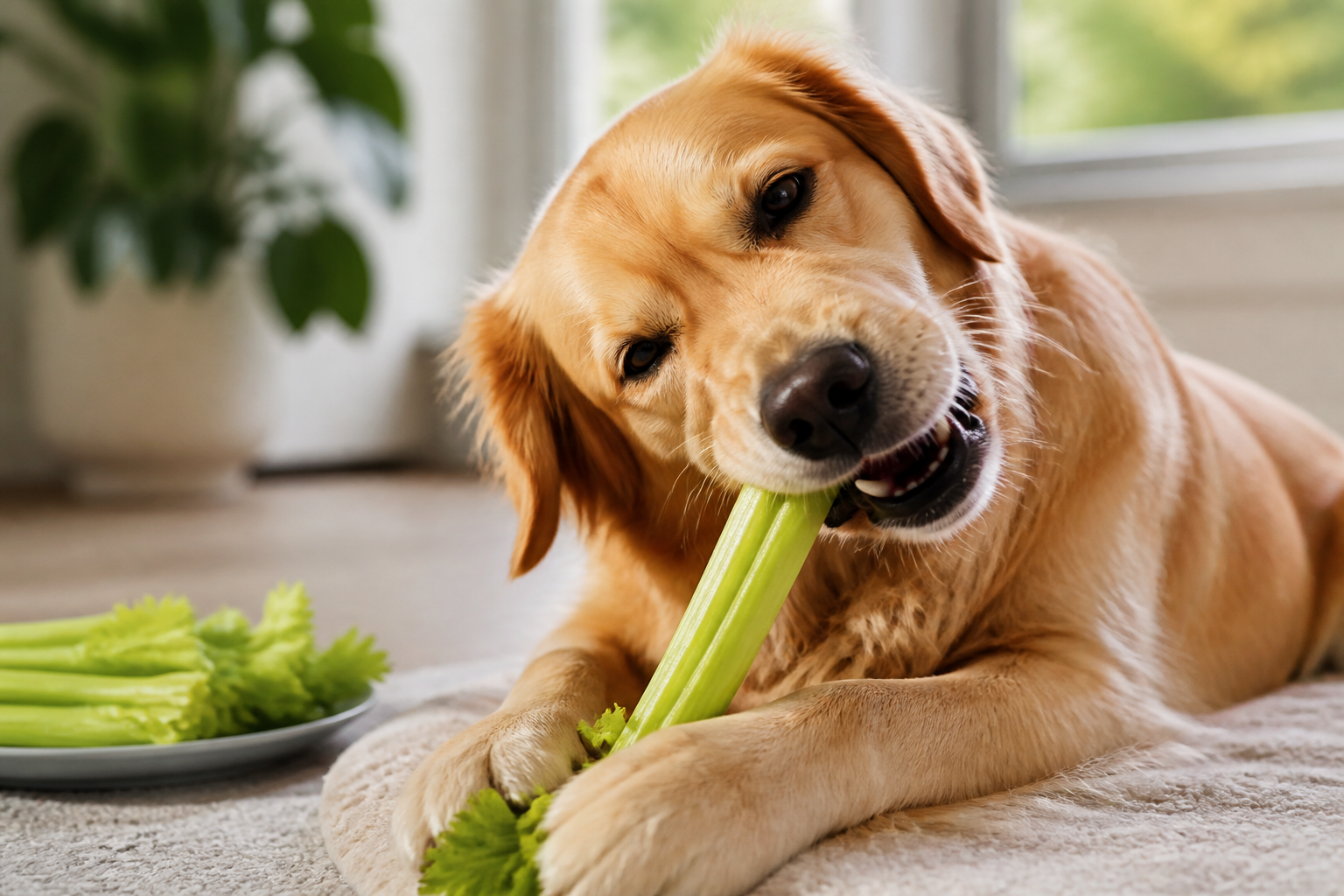
When a dog crunches down on a piece of raw celery, the physical structure of the vegetable goes to work. The firm, fibrous nature of the stalk acts as a very mild abrasive. As your dog chews, the fibers rub against the surface of the teeth. This action can help dislodge small bits of food or very soft, new plaque that has not yet hardened into tartar.
The texture of celery is often compared to natural dental floss. Those long, stringy fibers can occasionally slide between teeth or along the gumline. While they are not as effective as actual flossing or professional scaling, every bit of friction helps in a mouth that does not get brushed daily.
Beyond the physical scrubbing, celery is excellent at promoting saliva production. Because celery requires significant chewing effort, the mouth naturally produces more spit to help break it down. Saliva is one of the best natural defenses against tooth decay. It contains enzymes and minerals that help neutralize acids produced by bacteria. It also physically washes away debris that might otherwise sit on the teeth and turn into plaque.
Key Takeaway: The mechanical action of chewing celery helps scrape away soft debris and increases saliva, which acts as a natural mouthwash for your dog.
The Limits of Mechanical Cleaning
It is important to understand that celery has its limits. It is excellent for "maintenance" but cannot fix existing problems. If your dog already has a heavy buildup of yellow or brown tartar, no amount of celery will scrape it off. Tartar is calcified plaque that is bonded to the tooth enamel. Removing it usually requires professional ultrasonic scaling performed by a veterinarian.
Similarly, celery cannot reach deep into the pockets under the gumline where periodontal disease often starts. Brushing with a soft-bristled brush and pet-safe toothpaste is the only way to effectively clean those hidden areas at home. Think of celery as a breath mint or a light snack after a meal rather than a deep cleaning session. For more routine guidance, read our article on the warning signs of bad teeth in dogs.
Nutritional Benefits Beyond Dental Care
While you might be reaching for celery to help with stinky breath, your dog is getting several other health boosts. Celery is a powerhouse of vitamins and minerals that support overall wellness. Since it is composed of approximately 95 percent water, it is also one of the most hydrating treats you can offer.
Vitamins for Immune and Bone Health
Celery contains a variety of essential vitamins. Vitamin K is a standout, as it plays a critical role in bone health and ensures the blood clots properly. For older dogs, maintaining bone density is vital for mobility. Vitamin A is also present, which supports healthy vision, skin, and coat quality.
Another important nutrient found in celery is Vitamin C. While dogs can actually produce their own Vitamin C, supplemental amounts from fresh vegetables can act as an antioxidant. This helps reduce inflammation throughout the body. This is particularly beneficial for senior dogs who might be dealing with joint stiffness or other age-related inflammatory conditions.
Minerals and Electrolytes
The mineral profile of celery includes potassium and manganese. Potassium is an electrolyte that supports heart health and nerve function. Manganese helps the body process proteins and carbohydrates while also supporting bone and joint health. These minerals are often found in high-quality foods like those from Open Farm or Stella and Chewy's, but fresh celery provides them in a raw, easily accessible form.
Weight Management Benefits
One of the biggest advantages of celery is its calorie count. A single medium stalk of celery contains only about seven calories. This makes it an ideal treat for dogs that need to lose weight or those on a strict calorie budget. Many traditional dog treats are high in fats and carbohydrates, which can lead to obesity if given too frequently.
If your dog is currently on a weight management plan, replacing high-calorie biscuits with celery chunks can help them feel full without adding to their waistline. For dogs with severe weight issues, we often recommend consulting with a vet about specialized prescription diets. Our pharmacy carries options like Farmina Vet Life for weight management, which can be part of a structured health plan. You can also explore our guide to pet weight management and healthy treat choices.
Bottom line: Celery is a low-calorie, nutrient-dense snack that supports hydration, bone health, and weight management while providing a light dental scrub.
Potential Risks and Safety Concerns
While celery is safe, it is not entirely without risk. As with any human food, the way you prepare and serve it makes all the difference. Most problems associated with celery for dogs involve the size of the pieces and the way the dog consumes them.
Choking Hazards and Blockages
The most significant risk with celery is choking. Celery stalks are very tough and fibrous. If a dog, particularly a small breed or a puppy, tries to swallow a large chunk without chewing it thoroughly, it can become lodged in the throat. Even if it makes it past the throat, a large piece of undigested, stringy celery can potentially cause a blockage in the digestive tract.
To minimize this risk, always chop celery into bite-sized pieces. A good rule of thumb is to make the pieces no larger than your dog's regular kibble. This ensures that even if they gulp it down quickly, it will pass through their system safely.
The Stringy Fiber Problem
Those long, tough strings that run down a celery stalk can be difficult for some dogs to digest. In some cases, they can cause an upset stomach or result in stringy stools that are difficult for the dog to pass. If you notice your dog struggling to digest raw celery, you might try lightly steaming it first. This softens the fibers without removing all the nutritional value, making it much easier on the stomach.
Pesticides and Preparation
Celery is frequently listed on the "Dirty Dozen," a list of produce that often contains higher levels of pesticide residue. Because of this, it is very important to wash every stalk thoroughly under cold running water. If your budget allows, buying organic celery is a great way to reduce your dog's exposure to chemicals.
Always serve celery plain. While humans love celery with salt, ranch dressing, or peanut butter, these additions can be dangerous for dogs.
- Salt: Can lead to sodium ion poisoning in large amounts.
- Xylitol: Some peanut butters contain this artificial sweetener, which is highly toxic to dogs.
- Onions/Garlic: Never give celery that has been cooked in a soup or stew with onions or garlic, as these are toxic to canines.
Vet Tip: If your dog has a history of sensitive stomach issues or chronic digestive problems, introduce celery slowly. Watch for signs of gas, bloating, or loose stools. If any of these occur, stop feeding celery and consult your veterinarian to discuss alternative low-fiber treats.
Incorporating Celery into a Dental Routine
If your dog enjoys the taste of celery, you can use it as a reward during your daily routine. However, it should only be one part of a multi-step approach to oral hygiene. At BaxterBoo, we recommend a "layered" dental plan to keep your dog's mouth healthy. Our dog dental care collection includes chews, toys, and water additives for your routine.
Step-by-Step Dental Care Plan
Step 1: Daily Brushing. Use a soft brush and enzymatic toothpaste. This is the only way to remove plaque before it hardens. For additional guidance, review our pet dental care tips.
Step 2: Dental Chews. Products like Greenies or dental toys from Kong help provide more intense mechanical cleaning than celery can offer. Browse our dental dog treats for options suited to different chewing styles.
Step 3: Fresh Food Additions. Offer crunchy vegetables like celery or carrots as mid-day snacks to freshen breath and stimulate saliva.
Step 4: Water Additives. Consider using a dental water additive that helps break down the biofilm on the teeth throughout the day.
Step 5: Professional Exams. Ensure your vet checks your dog's teeth at every annual wellness visit.
Key Takeaway: Celery works best as a "breath-freshening" supplement to a routine that includes regular brushing and professional veterinary checkups.
When to Seek Professional Dental Care
Sometimes, even the best home care isn't enough. Dental disease is progressive, and it can eventually lead to systemic health problems. Bacteria from an infected mouth can enter the bloodstream and affect the heart, liver, and kidneys.
If you notice any of the following symptoms, it is time to stop the celery treats and call the vet:
- Extremely foul breath that does not improve with brushing
- Red, swollen, or bleeding gums
- Loose or missing teeth
- Difficulty eating or dropping food while chewing
- Pawing at the mouth or face
If your veterinarian diagnoses periodontal disease, they may prescribe medications or specialized diets. Our pet pharmacy carries prescription pet medications and foods designed for specific health needs. Having a dedicated pharmacy means you can get the exact treatment your vet recommends delivered right to your door alongside your regular supplies.
Better Alternatives for Heavy Cheapers
Some dogs are "power chewers" who will make short work of a piece of celery in seconds. For these dogs, celery offers almost zero dental benefit because it doesn't stay in contact with the teeth long enough. If your dog is a gulper rather than a cruncher, you might want to look into more durable dental options.
Hard rubber toys or specific dental chews are designed to be chewed for several minutes. This prolonged contact is much more effective at scraping away plaque. Brands like Kong offer toys with special grooves that can be filled with pet-safe pastes to encourage longer chewing sessions. Our KONG dental dog toys are designed to combine chewing and play.
We also carry a wide variety of dedicated dental treats that are specifically formulated to reduce tartar buildup through both mechanical action and chemical enzymes.
Bottom line: For dogs that swallow food whole, celery is just a snack. To get real dental benefits for a fast eater, look for durable dental toys or specialized chews.
Safe Serving Ideas
To make celery more exciting for your dog, you can get creative with how you serve it. Since celery is mostly water, it is very versatile.
Frozen Celery Sticks
During the hot summer months, frozen celery can be a refreshing and soothing treat. The cold temperature can also help soothe the gums of a teething puppy or an older dog with mild gum inflammation. Simply wash, chop, and freeze the pieces on a baking sheet before transferring them to a bag. For more ideas, see our guide to puppy teething toys and safe chewing.
The Veggie Topper
If your dog isn't sure about the taste of plain celery, try dicing it into very small bits and using it as a topper for their regular kibble. Brands like NutriSource or Acana pair well with fresh toppers. The extra crunch adds texture to the meal, and the high water content can help if your dog doesn't drink enough water throughout the day.
Celery and Safe Peanut Butter
If you want to give a high-value reward, you can fill a celery "boat" with a tiny amount of xylitol-free peanut butter. This encourages the dog to spend more time licking and chewing, which increases the saliva benefits. Just remember to keep the peanut butter amount small, as it is very high in fat.
Summary of the BaxterBoo Approach
We believe that the best way to care for your dog is through a combination of fresh, whole foods and expertly designed products. Celery is a fantastic, budget-friendly addition to your dog's life. It provides hydration, essential vitamins, and a small amount of dental support.
However, we always want to be realistic. Celery will not cure gum disease or remove heavy tartar. Use it as a healthy tool in a larger kit that includes quality dog food, regular brushing, and professional veterinary care. If you are looking for more ways to support your dog's health, our MVP Rewards program is a great way to earn points on all your dental care supplies, from toothbrushes to prescription diets.
Whether you are visiting our warehouse in Vernon Hills or ordering online for home delivery, we are here to help you find the best products for your pet's specific needs. We have been operating since 2006 and carry over 500 trusted brands to ensure you never have to compromise on quality. For regularly purchased supplies, you can also learn about our Autoship programme.
FAQ
Does celery really help with my dog's bad breath?
Yes, celery can help freshen your dog's breath in two ways. The mechanical action of chewing helps remove food particles that cause odors, and the high water content stimulates saliva flow which naturally rinses the mouth. It acts more like a temporary breath mint rather than a permanent solution for dental hygiene.
Can puppies eat celery for their teeth?
Puppies can eat celery, but you must be extremely careful with the size of the pieces. Puppies are still learning how to chew properly and have smaller throats, making them a higher risk for choking. While the cool, crunchy texture may feel good on teething gums, it should be given in very small, supervised amounts.
How much celery can I give my dog daily?
Celery should be treated like any other treat, meaning it should not make up more than 10 percent of your dog's daily caloric intake. For most medium-sized dogs, one or two chopped stalks a few times a week is plenty. Always introduce it slowly to make sure it doesn't cause digestive upset like gas or diarrhea.
Is raw or cooked celery better for cleaning teeth?
Raw celery is much better for cleaning teeth because it is firmer and more fibrous. The crunch provides the abrasive action needed to scrape away plaque. Cooked celery is softer and easier to digest for senior dogs or those with sensitive stomachs, but it loses most of its mechanical dental benefits once it is softened.






