
 Save 15% on your 1st Autoship learn more

 Email us
 Live Chat
 FAQs





Introduction
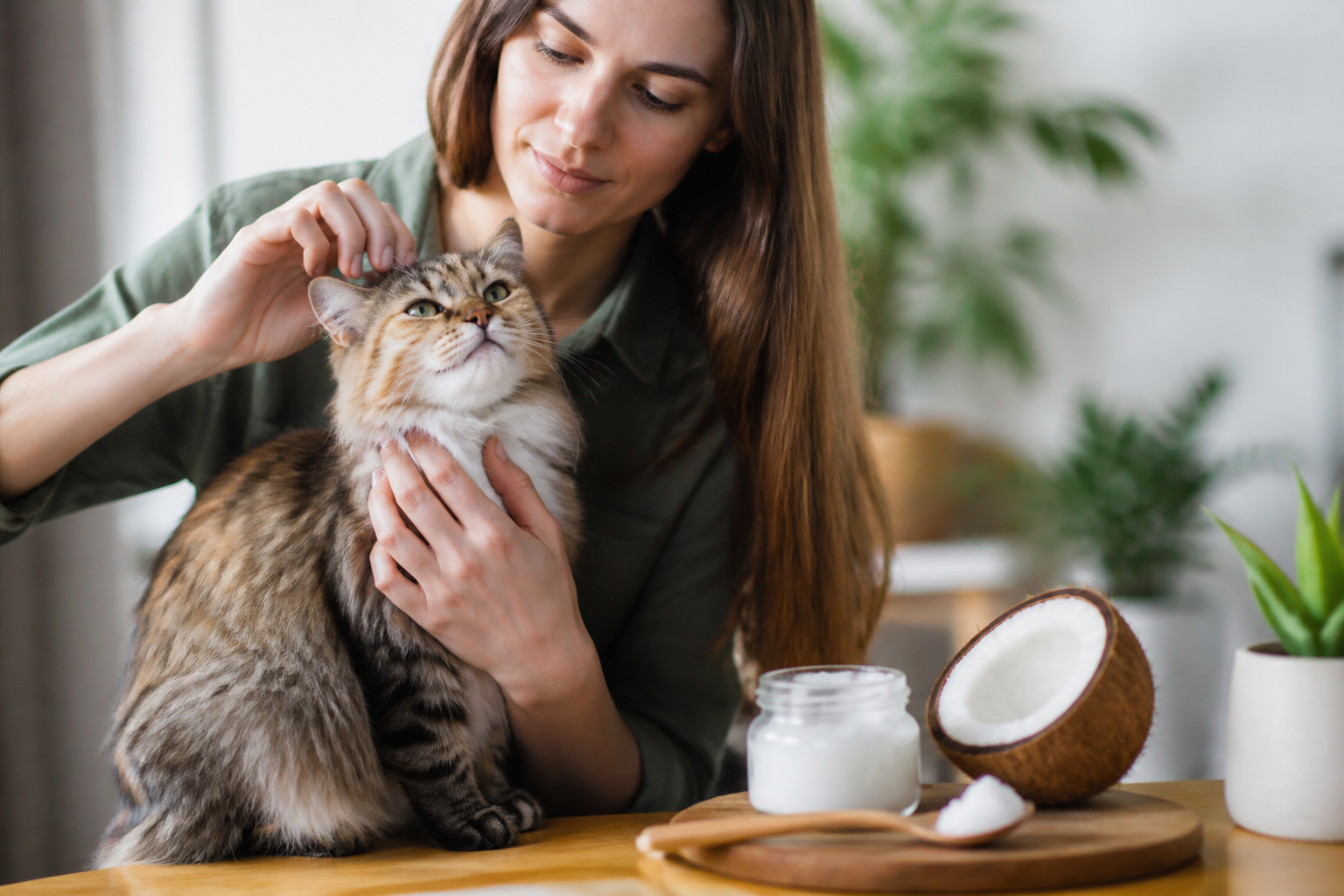
You are petting your cat and suddenly notice tiny white flakes scattered across their dark fur. It looks like a light dusting of salt, but it is actually a sign that your cat has dry, itchy skin. At BaxterBoo, we know how much you want your feline friend to feel comfortable and look their best. You might have heard that coconut oil is a miracle cure for everything from dry skin to digestive issues. This post explores whether coconut oil is a truly effective solution for cat dandruff or just another internet trend. We will look at how it works, the safest ways to use it, and when those flakes might mean a trip to the vet is necessary. Coconut oil can be a helpful tool for skin health, but only when used with the right knowledge and care.
Understanding Cat Dandruff and Why It Happens
Cat dandruff is not just a cosmetic issue. It occurs when the skin becomes irritated or overly dry, causing dead skin cells to shed more rapidly than usual. In a healthy cat, the skin produces natural oils that keep the surface hydrated and the fur soft. When this balance is disrupted, flakes appear.
Several factors can lead to these white flakes. Dry indoor air during the winter is a common culprit. If your home has low humidity, your cat's skin can lose moisture quickly. Poor nutrition can also play a role. If a cat is not getting enough omega fatty acids in their diet, their skin barrier may weaken.
Age and weight are also factors. Senior cats or overweight cats often have trouble reaching certain spots during grooming. When a cat stops grooming their back or the base of their tail, dead skin cells and loose fur build up. This creates a perfect environment for dandruff to form.
Cat Skin & Coat Care













How Coconut Oil Interacts with Feline Skin
Coconut oil is unique because it is rich in medium chain triglycerides or MCTs. The most important of these is lauric acid. This specific fatty acid has antimicrobial and anti-inflammatory properties. When you apply coconut oil to the skin, it does more than just sit on the surface. It can actually penetrate the hair shaft and the top layer of the skin to provide deep hydration.
For cats with dandruff, this oil acts as an occlusive layer. This means it helps seal in existing moisture so it cannot evaporate into the air. It also helps soothe the itching that often accompanies dry skin. If your cat is constantly scratching a specific spot, the anti-inflammatory nature of the lauric acid may provide some much-needed relief.
Quick Answer: Yes, coconut oil can help with cat dandruff by moisturizing dry skin and strengthening the natural skin barrier. It can be applied topically to specific dry patches or added to your cat's food in very small amounts to support skin health from the inside.
Topical Application for Instant Relief
If your cat has visible flakes on their back or tail, topical application is often the fastest way to help. This method focuses the moisture exactly where it is needed most without adding extra calories to your cat's diet. For another option, explore our cat skin and coat care collection.
How to Apply Coconut Oil Topically
Step 1: Choose the right oil.
Always use unrefined, virgin, cold-pressed coconut oil. This version retains the most nutrients and does not contain harsh chemicals or bleaches found in refined oils.
Step 2: Warm a small amount.
Coconut oil is solid at room temperature. Take a tiny amount, about the size of a pea, and rub it between your palms. Your body heat will melt it into a liquid instantly.
Step 3: Massage it into the skin.
Do not just wipe it on the fur. Part the hair so you can see the skin and gently massage the oil into the flaky areas. Focus on the base of the tail and the lower back where dandruff is most common.
Step 4: Distract your cat.
Most cats will immediately want to lick the oil off. While it is safe to ingest, it needs time to soak into the skin. Try to apply it right before a meal or a play session to keep their mind off their fur.
The Benefits of External Use
Applying the oil externally allows you to treat "hot spots" or areas of intense dryness without affecting the rest of the body. It also gives you a chance to check the skin for other issues like redness, bumps, or parasites. You can also review our cat grooming supplies for brushing tools and other grooming essentials.
Key Takeaway: Topical application is best for localized dry spots and provides an immediate physical barrier against moisture loss, but it can make the coat appear greasy if you use too much.
Supporting Skin Health Through Diet
You can also feed coconut oil to your cat to support their skin from the inside out. When ingested, the healthy fats in coconut oil are processed by the liver and used as energy. Some of these fats eventually help nourish the skin cells from the deeper layers.
However, you must be much more careful with internal use. Cats are obligate carnivores, and their bodies are not designed to process large amounts of plant based fats. Giving too much can lead to weight gain or digestive upset. For additional options, browse our cat healthcare products.
Dosage Guidelines for Ingestion
If you decide to add coconut oil to your cat's bowl, start very slow. A good starting point is 1/8 of a teaspoon once a day. You can mix it directly into their wet food. Most cats enjoy the mild, sweet taste.
If your cat tolerates this amount for a week without any loose stools, you can increase it slightly. An average sized cat should never have more than 1/2 a teaspoon per day. Large breeds like Maine Coons might be able to handle a bit more, while tiny cats should stay at the minimum dose.
Vet Tip: Always consult your veterinarian before adding any oil or supplement to your cat's diet, especially if they have a history of pancreatitis or sensitive digestion. High fat intake can trigger serious inflammation in the pancreas for some cats.
Comparing Coconut Oil to Fish Oil
While coconut oil is popular, it is not the only option for cat dandruff. Many pet owners also look at fish oil. Both have benefits, but they work in different ways. Our skin and coat supplements for cats include options for exploring both types of support.
| Feature | Coconut Oil | Fish Oil (Omega-3) |
|---|---|---|
| Fat Type | Medium Chain Triglycerides | Long Chain Omega-3 (EPA/DHA) |
| Best Application | Topical and Oral | Primarily Oral |
| Primary Benefit | Moisturizing and Antimicrobial | Reducing Systemic Inflammation |
| Scent | Mild and Sweet | Strong and Fishy |
| Absorption | Fast Energy | Incorporates into Cell Membranes |
Fish oil is often considered more effective for chronic skin issues because cats are biologically better at absorbing animal based fats. However, coconut oil is much easier to apply topically and does not leave your cat smelling like a sardine. Many owners use a combination of both: fish oil in the food for long term health and coconut oil on the skin for immediate flakiness.
Potential Risks and Side Effects
Coconut oil is generally safe, but it is not a perfect solution for every cat. You should be aware of a few common issues before you start a routine.
The most common side effect of eating coconut oil is diarrhea. Because it is a fat, it can act as a mild laxative. If you notice your cat visiting the litter box more often or having soft stools, stop the oil immediately.
Weight gain is another concern. Coconut oil is calorie dense. A single teaspoon contains about 40 calories. For a cat that only needs 200 to 250 calories a day, that is a significant addition. If your cat is already overweight, adding oil to their food could make the problem worse.
Finally, consider the "grease factor." If you apply too much oil topically, your cat will look like they haven't groomed in weeks. Their fur will become clumpy and may even attract more dirt and dust. Use the smallest amount possible to avoid this.
When Dandruff Is a Sign of Parasites
Sometimes, what looks like dandruff is actually something else entirely. Fleas and mites can cause skin irritation that leads to flaking. One specific type of mite, called Cheyletiella, is often nicknamed "walking dandruff" because the tiny white mites move around on the cat's skin.
If you see the flakes moving, or if your cat is scratching uncontrollably, coconut oil will not solve the problem. You will need a professional flea and tick preventive. Our cat flea and tick products include options for parasite-related concerns. You can also read our guide to flea and tick prevention for more information.
If you suspect your cat has an infestation, a veterinarian can perform a skin scraping or a comb test to find the culprits. Once the parasites are gone, you can use coconut oil to help the skin heal and recover from the irritation.
The Role of Grooming and Hydration
While coconut oil helps, it is only one part of a healthy skin routine. Regular brushing is essential for managing dandruff. Brushing removes the dead skin cells before they can clump together and become visible flakes. It also stimulates the skin to produce those natural oils we mentioned earlier. For more grooming guidance, read our article about caring for cats during grooming.
Hydration is also key. Many cats do not drink enough water, which leads to dehydrated skin. You can encourage your cat to drink more by using a pet fountain or adding a bit of water to their wet food.
If your cat's dandruff is caused by environmental dryness, consider using a humidifier in the rooms where they spend the most time. Keeping the air at a comfortable humidity level can prevent the skin from drying out in the first place.
Choosing Quality Products for Your Cat
When shopping for skin care, quality matters. We carry several trusted brands at BaxterBoo that focus on natural ingredients. Brands like Zesty Paws and Honest Paws offer supplements that are formulated specifically for pets. You can compare options in our selection of Honest Paws products and our Zesty Paws skin and coat products.
If you are looking for topical solutions, look for products that use organic coconut oil as a base. Avoid anything with artificial fragrances or alcohols, as these will only dry out the skin further.
Bottom line: Coconut oil is a safe, natural way to treat mild cat dandruff when used in moderation and applied correctly to the skin or food.
Conclusion
Coconut oil is a versatile and affordable tool for managing your cat's dandruff. It provides deep hydration when applied topically and offers healthy fats when added to food. By starting with small amounts and choosing high quality, unrefined oil, you can help your cat achieve a shinier coat and flake free skin. Remember that while coconut oil helps with dryness, it cannot cure underlying issues like parasites or serious allergies. For those concerns, our pharmacy and the expertise of your veterinarian are your best resources.
If you want to stay stocked up on skin and coat supplements, consider our Autoship program. You will save on every order and earn a free MVP Gold membership to help you get the best value for your pet's needs.
FAQ
Can I use the same coconut oil I use for cooking?
Yes, as long as it is unrefined, virgin, and organic coconut oil with no added ingredients. Avoid "refined" or "deodorized" oils, as these have been processed with chemicals that may be harsh on a cat's sensitive skin. Always check the label to ensure there are no flavorings or preservatives like xylitol, which is toxic to pets. One available option is CocoTherapy Coconut Oil for Pets.
How long does it take to see results with coconut oil?
For topical application, you may notice a reduction in flakes almost immediately as the oil moisturizes the skin surface. When adding it to food, it typically takes two to four weeks of consistent use to see a noticeable improvement in the coat's shine and overall skin health. If you do not see any change after a month, the dandruff may be caused by a deeper nutritional deficiency or environmental factor.
Will coconut oil make my cat's fur look greasy?
It can if you use too much. To avoid a greasy look, always melt the oil in your hands first and use a very small amount, focusing on the skin rather than the fur. If your cat's coat becomes oily, you can use a damp cloth to gently wipe away the excess or reduce the frequency of application.
Can coconut oil help my cat with hairballs?
Yes, coconut oil can act as a natural lubricant in the digestive tract. By helping ingested fur move more smoothly through the system, it can reduce the frequency of hairballs. It is a popular natural alternative to petroleum based hairball gels, though it should still be used in small amounts to avoid stomach upset. For additional reading, see our guide to sensitive stomach food choices for cats.






- Site & Contents BaxterBoo.com. BaxterBoo is located in the United States.
- Privacy & Security
- Terms of Use
- Accessibility Statement
