
 Save 15% on your 1st Autoship learn more

 Email us
 Live Chat
 FAQs
FAQs





Introduction
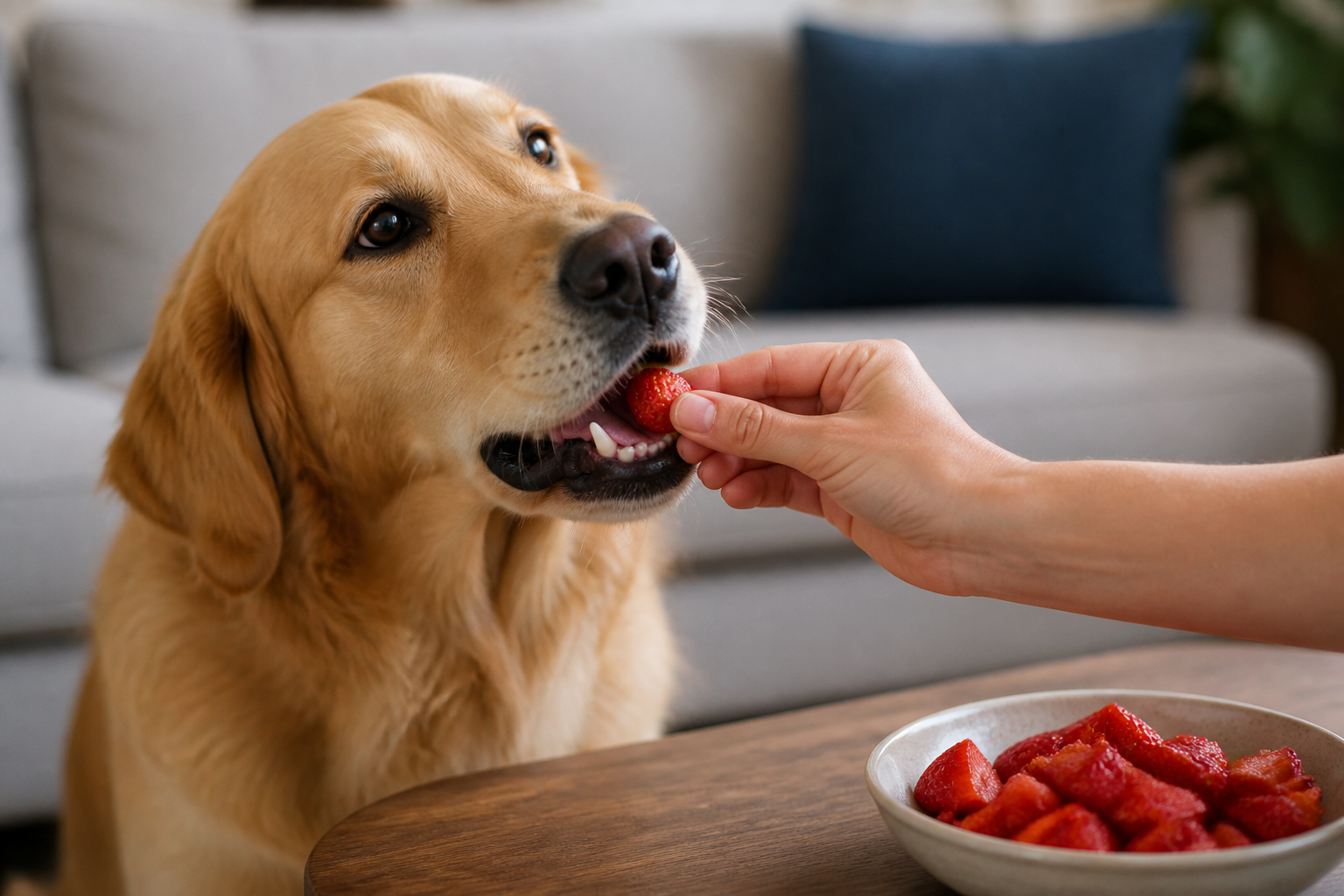
You might be standing in your kitchen, slicing up fresh fruit for a snack, when you notice your dog watching every move. You have probably heard that certain fruits can help with doggy breath or yellowing teeth. The idea of using a natural, tasty treat like crushed strawberries to handle dental hygiene is very appealing. It sounds much easier than a wrestling match with a toothbrush and pet toothpaste.
At BaxterBoo, we know that keeping a dog's mouth clean is one of the most challenging parts of pet ownership. Many owners look for home remedies to supplement professional care. This article will look at the science behind strawberries and dental health. We will cover the benefits of malic acid, the risks of natural sugars, and how to safely serve this fruit. You will learn if strawberries can truly replace a toothbrush or if they are just a healthy snack.
The Science Behind Strawberries and Dental Health
Strawberries are more than just a sweet summer treat. They contain specific compounds that interact with the surface of a dog's teeth. The most important of these is malic acid. This is a natural enzyme found in many fruits, but it is particularly concentrated in strawberries.
Malic acid acts as a natural astringent. In simple terms, it helps to lift and break down surface stains on the tooth enamel. When you crush a strawberry and apply it to a surface, this acid goes to work on the organic material that causes discoloration. This is why you may see strawberries mentioned in DIY teeth whitening tips for humans. In dogs, the effect is similar. It focuses primarily on the visible stains rather than the deep bacteria.
Vitamin C and Gum Support
Beyond the acid, strawberries are high in Vitamin C. While dogs produce their own Vitamin C, an extra boost from whole food sources can support their immune system. Healthy gums are the foundation of a healthy mouth. Vitamin C helps maintain the connective tissues in the gums. This can help prevent the early stages of gingivitis.
However, a berry cannot reach under the gumline where the real problems start. It is a surface level helper. It works best on the parts of the tooth you can see. It does very little for the hidden areas where plaque turns into hard tartar.
Why Crushing the Berry Matters
Feeding a whole strawberry is a great treat, but crushing it changes how it interacts with the teeth. When you crush the fruit, you release more of the juices and enzymes. This allows the malic acid to coat more of the tooth surface. It also makes the fruit easier to use as a topper for dry kibble or a coating for a dental toy.
Quick Answer: Crushed strawberries can help whiten a dog's teeth because they contain malic acid, which breaks down surface stains. However, they cannot remove hardened tartar or replace the mechanical scrubbing action of a toothbrush.
Can Crushed Strawberries Actually Clean Your Dog's Teeth?
There is a big difference between whitening a tooth and cleaning a tooth. Cleaning involves removing plaque and preventing tartar buildup. Tartar is a hard, mineralized substance that sticks to the teeth. Once tartar forms, no amount of fruit or brushing can remove it. Only a professional veterinary cleaning with specialized tools can get the job done.
Strawberries fall into the whitening category. They are excellent for removing the yellow tint caused by food or saliva. They are not a substitute for the physical action needed to scrape away plaque. Plaque is a sticky film of bacteria that forms constantly. To get rid of it, you need something abrasive. This is why we recommend items like Greenies dental chews or sturdy dental toys.
The Role of Saliva
Chewing on a strawberry, especially a crushed or mashed one, stimulates saliva production. Saliva is the mouth's natural defense mechanism. It helps wash away food particles and neutralizes the acids produced by bacteria. By increasing saliva flow, strawberries indirectly help keep the mouth a bit cleaner.
Limitations of Fruit as a Cleaner
You must remember that strawberries are high in natural fructose. Sugar is the primary fuel for the bacteria that cause tooth decay and gum disease. If you leave crushed strawberries on the teeth without any other form of cleaning, the sugar could actually contribute to plaque over time. This is why strawberries should be viewed as an occasional supplement rather than a daily cleaning tool.
How to Safely Prepare Strawberries for Your Dog
If you want to try using strawberries for their whitening benefits, preparation is key. You cannot just hand your dog a whole berry and expect a sparkling smile. Follow these steps to ensure the treat is safe and effective.
Step 1: Remove the stems and leaves. While the green tops are not toxic, they are bitter and can cause a minor stomach upset in sensitive dogs.
Step 2: Wash the fruit thoroughly. Many strawberries are sprayed with pesticides. Use cool water to rinse away any chemicals or dirt.
Step 3: Mash or puree the berries. Use a fork or a blender to create a smooth consistency. This releases the malic acid.
Step 4: Serve in moderation. Use the mashed fruit as a topper for their regular meal or spread it onto a lick mat.
Step 5: Monitor for reactions. If your dog has never had strawberries, start with a very small amount to ensure they do not have an allergic reaction or diarrhea.
Bottom line: Preparation involves washing, de-stemming, and mashing to maximize the enzyme benefits while minimizing choking risks.
Nutritional Benefits Beyond the Smile
Strawberries offer more than just dental perks. They are a low calorie snack that provides a variety of nutrients. If you are looking for a way to treat your dog without causing weight gain, these berries are a strong candidate.
- Antioxidants: These help fight free radicals in the body, which can support long term brain and heart health.
- Fiber: Strawberries contain a good amount of dietary fiber. This helps with digestion and can keep your dog feeling full.
- Potassium: This mineral is vital for heart function and muscle health.
- Hydration: Strawberries are mostly water. They are a refreshing snack on a hot day.
When you use crushed strawberries as a treat, you are providing a complex nutritional profile. This is much better than giving a processed biscuit filled with fillers and artificial dyes. We carry several brands at BaxterBoo, such as Stella & Chewy's or The Honest Kitchen that prioritize these kinds of whole food ingredients in their recipes.
Potential Risks and What to Avoid
While strawberries are safe for most dogs, there are a few situations where they can cause trouble. You should always be aware of your specific dog's health needs before adding new human foods to their bowl.
The Sugar Factor
The natural sugar in strawberries is much healthier than white sugar, but it is still sugar. For a healthy dog, a few berries are fine. For a dog with diabetes or a dog that is significantly overweight, even the sugar in fruit can be a problem. If your dog is managing a chronic condition, always talk to your veterinarian before introducing fruit.
Toxic Additives and Xylitol
This is the most dangerous risk. You must only feed your dog fresh or plain frozen strawberries. Never give them canned strawberries, strawberry jam, or strawberry syrup. These products are loaded with extra sugar and preservatives.
Many "sugar-free" strawberry products contain Xylitol. This is an artificial sweetener that is extremely toxic to dogs. Even a small amount can cause liver failure or a life-threatening drop in blood sugar. Stick to the produce aisle and avoid the pantry.
Choking Hazards
Small dogs can easily choke on a whole, firm strawberry. This is another reason why crushing the berry is the best approach. It removes the physical risk while keeping the nutritional value.
Vet Tip: If your dog has red, swollen gums or bleeding in the mouth, stop using home remedies and schedule a veterinary exam. These are signs of periodontal disease that require medical intervention.
Building a Better Dental Routine
If you want to keep your dog's teeth truly clean, you need a multi-layered approach. Crushed strawberries can be the "polish" at the end of the process, but they should not be the only step.
Daily Brushing
This is the gold standard. Using a dog-specific toothbrush and enzymatic toothpaste is the only way to effectively remove plaque daily. The enzymes in the toothpaste work similarly to the malic acid in strawberries but are formulated specifically to target canine oral bacteria. A dog toothbrush for daily brushing can help you establish this routine.
Specialized Dental Diets
For dogs prone to heavy tartar buildup, a prescription dental diet can make a massive difference. These kibbles are usually larger and have a specific texture. They do not crumble immediately when the dog bites them. Instead, the tooth sinks into the kibble, which gently scrubs the surface.
Our pharmacy carries FDA-approved prescription pet foods through our partnership with Pet's Choice. If your vet recommends a dental-specific diet like Royal Canin Dental or Farmina Vet Life, you can fulfill those needs through the BaxterBoo pharmacy section.
Dental Chews and Treats
Not every dog will sit still for a brushing session. Dental treats like Greenies or Cosequin dental bones are designed to be abrasive. As your dog chews, the treat scrapes against the teeth. This mimics the action of a toothbrush. Combining these treats with the occasional crushed strawberry snack is a great way to maintain oral health between professional cleanings. Explore our dental treats and chews for additional options.
Key Takeaway: A complete dental routine includes physical brushing, abrasive treats, and regular veterinary checkups. Strawberries are a helpful, whitening addition but not a primary cleaning tool.
Comparing Dental Fruits: Strawberries vs. Apples
Strawberries are not the only fruit often suggested for dental health. Apples are the other big contender. Many owners wonder which is better for their dog's mouth.
| Feature | Strawberries | Apples |
|---|---|---|
| Active Component | Malic Acid | Mechanical Fiber |
| Primary Benefit | Whitening and Staining | Scrubbing and Breath |
| Sugar Content | Moderate | High |
| Preparation | Must be crushed/de-stemmed | Must remove core and seeds |
| Texture | Soft | Crunchy/Abrasive |
Apples provide more "scrubbing" because they are crunchy. However, they do not have the same level of whitening enzymes as strawberries. Using both in moderation can provide a balanced approach to fruit-based dental care. Just remember to always remove apple seeds, as they contain trace amounts of cyanide.
For more ideas about choosing dental chews, read 10 Best Dental Chews for Dogs.
When to See Your Veterinarian
Home care is wonderful, but it has limits. Most dogs will need a professional dental cleaning at some point in their lives. Small breeds are especially prone to dental issues because their teeth are crowded into a small mouth.
Watch for these red flags:
- Persistent bad breath that does not go away after eating.
- Yellow or brown crust near the gumline (tartar).
- Dropping food while eating or chewing on only one side of the mouth.
- Excessive drooling or pawing at the face.
- Loose or missing teeth.
If you notice these signs, your dog might be in pain. Dental infections can also travel through the bloodstream and damage the heart, liver, and kidneys. Regular checkups allow your vet to catch these problems early. For dogs with chronic oral health issues, our pharmacy offers various medications and treatments to manage infections and pain, all coordinated through the Pet's Choice partnership.
Read more about warning signs of dental disease in dogs if you are unsure whether your dog needs professional attention.
Conclusion
Crushed strawberries are a healthy and functional treat for most dogs. The malic acid they contain can help brighten your dog's smile by breaking down surface stains. They also provide a great source of Vitamin C and antioxidants. However, they should never be the only way you clean your dog's teeth. They lack the abrasive power to remove plaque and cannot touch hardened tartar.
To keep your dog healthy, combine these fruit treats with regular brushing and high-quality dental chews. Always prioritize fresh fruit over processed options to avoid dangerous additives like Xylitol. If you are ever worried about your dog's oral health, a quick trip to the vet is the best course of action.
- Strawberries whiten teeth but do not remove tartar.
- Only use fresh or plain frozen berries.
- Crushing the berries makes them safer and more effective.
- Maintain a full routine with brushing and dental treats.
If you need to stock up on dental supplies, visit our dog dental care collection to find everything from toothbrushes to specialized treats.
FAQ
Can I use strawberry puree as dog toothpaste?
You can use it as a natural "polish" for a few minutes, but it does not replace the benefits of enzymatic pet toothpaste. Puree lacks the ingredients that kill harmful bacteria and can leave sugar on the teeth if not rinsed or brushed away later. It is better used as a meal topper or a short-term treat.
How often can I give my dog crushed strawberries for their teeth?
You should follow the 90/10 rule, where treats make up no more than 10% of your dog's daily calories. For most dogs, a few crushed strawberries two or three times a week is plenty. Giving them too often can lead to an upset stomach or weight gain due to the natural sugar content.
Are frozen strawberries just as good for cleaning teeth?
Yes, frozen strawberries contain the same malic acid as fresh ones. They have the added benefit of being a hard, cold treat that can soothe teething puppies or provide a refreshing snack in the summer. Just make sure to slice or crush them first to prevent your dog from choking on a hard, frozen lump.
What if my dog eats the strawberry leaves?
The leaves and stems are not toxic, so you do not need to panic if your dog snags a few. However, they are quite fibrous and bitter, which can lead to indigestion or a mild stomach ache. It is always best to remove them and stick to the red fruit to ensure your dog has a positive experience.






