
 Save 15% on your 1st Autoship learn more

 Email us
 Live Chat
 FAQs
FAQs





Introduction
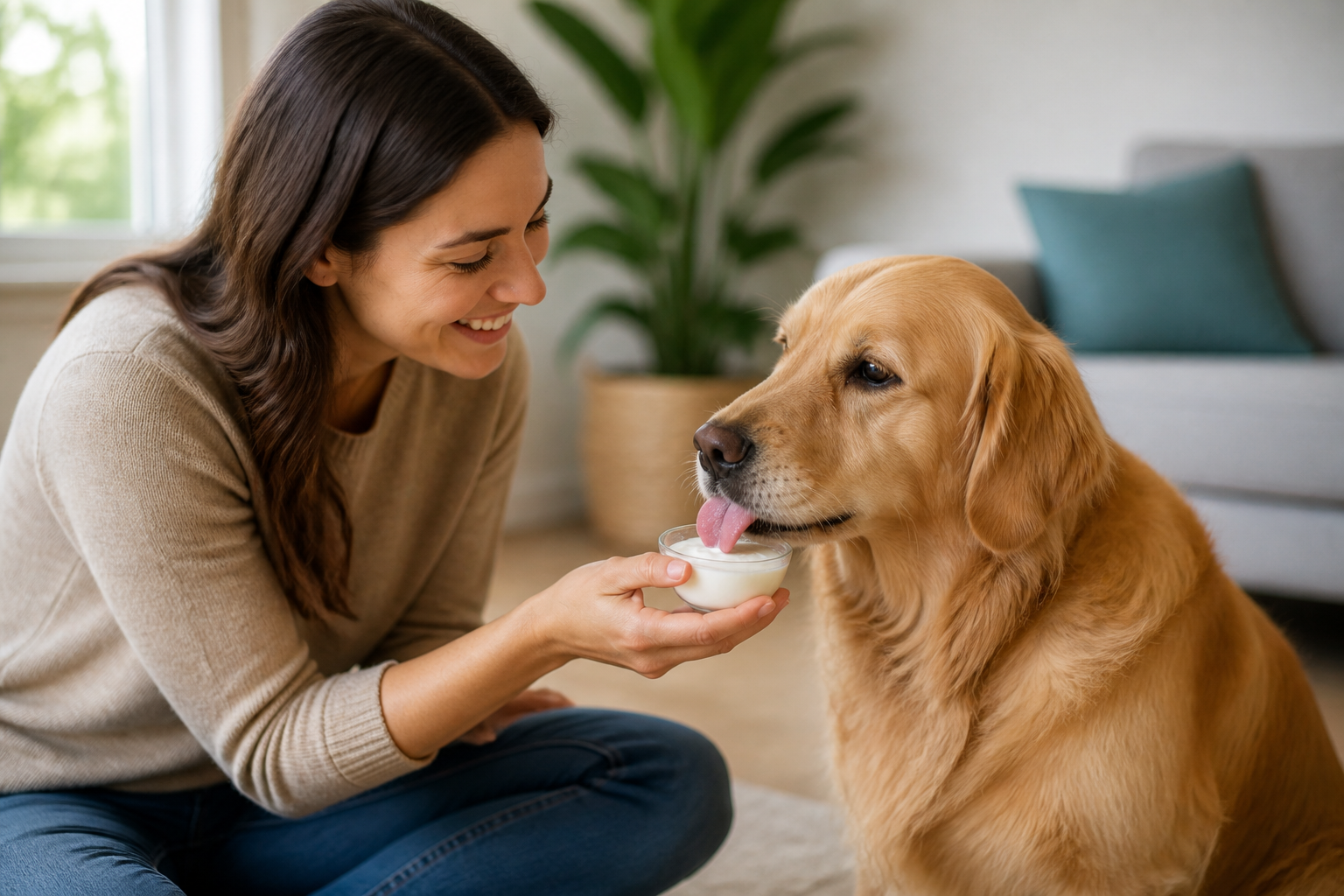
You are relaxing on the sofa when your dog hops up to give you a friendly nudge. They let out a big yawn right in your face, and suddenly, you are hit with a wave of "dog breath" so strong you have to turn away. It is a common moment for pet owners, and it often leads to a search for natural ways to fix the funk. You may have heard that a scoop of yogurt can act as a secret weapon for canine dental hygiene. At BaxterBoo, we understand that maintaining a healthy mouth is about more than just a fresh smell: it is a pillar of your dog's overall wellness. This article will explain if yogurt truly cleans teeth, how it works, and how to use it as part of a broader dental plan. While yogurt offers unique benefits, it is important to understand what it can and cannot do for your dog's smile.
Quick Answer: Yogurt does not mechanically "scrub" teeth like a brush, but its probiotics can reduce the harmful bacteria that cause plaque and bad breath. It also contains calcium and whey peptides that help strengthen enamel and fight tartar buildup.
How Yogurt Supports Your Dog's Dental Health
When we think of cleaning teeth, we usually imagine the physical action of brushing or the crunch of a hard biscuit. Yogurt does not provide that abrasive texture. Instead, it works on a microscopic level to change the environment inside your dog's mouth.
The Power of Probiotics
The most significant benefit of yogurt comes from its live, active cultures. These beneficial bacteria are famous for supporting gut health, but they start their work the moment they hit the tongue. Harmful bacteria like mutans streptococci are the primary culprits behind plaque formation and tooth decay. When your dog eats yogurt, the "good" bacteria compete with these harmful microbes for space and nutrients.
By crowding out the bad bacteria, probiotics can help reduce the sticky film of plaque that eventually hardens into tartar. This bacterial balance is also why yogurt is so effective at freshening breath. Foul odors are often the byproduct of certain bacteria breaking down proteins in the mouth. When the microbiome is balanced, those odors decrease.
Calcium and Phosphorus for Enamel
Yogurt is a powerhouse of minerals. Calcium and phosphorus are essential for maintaining the structural integrity of your dog's teeth. These minerals help remineralize the enamel, which is the hard outer layer that protects the sensitive parts of the tooth. Stronger enamel is more resistant to the acid produced by bacteria, making it harder for cavities or decay to take hold.
Whey Peptides and Tartar Defense
A lesser-known benefit of yogurt involves the whey. Research suggests that certain peptides found in whey can actually interfere with the way bacteria stick to the surface of the teeth. If the bacteria cannot latch on, they cannot form the colonies that lead to tartar. While this will not remove existing, hard tartar, it is a proactive way to prevent new buildup from forming.
Key Takeaway: Yogurt is a "biological" cleaner rather than a mechanical one. It improves oral health by balancing mouth bacteria and providing the minerals needed for strong, resilient teeth.
Choosing the Right Yogurt for Your Dog
Not all yogurt is created equal. If you grab the wrong container from the grocery store, you could accidentally do more harm than good. Many products marketed to humans are loaded with ingredients that are dangerous for dogs.
The Dangers of Xylitol
This is the most critical rule for any pet owner. Many "sugar-free" or "low-calorie" yogurts are sweetened with xylitol. This sugar alcohol is extremely toxic to dogs. Even a small amount can cause a life-threatening drop in blood sugar and liver failure. Always read every line of the ingredient label before sharing a spoonful.
Avoiding Added Sugars and Flavors
Standard yogurt often contains high amounts of cane sugar, corn syrup, or fruit preserves. Sugar is just as bad for a dog's teeth as it is for ours. It provides a feast for the very bacteria you are trying to eliminate. Flavored yogurts like vanilla or strawberry also contain artificial flavorings and preservatives that can upset a dog's stomach.
Plain Greek Yogurt vs. Regular Yogurt
Plain, unsweetened Greek yogurt is generally the best choice for dogs. It is strained more than regular yogurt, which results in a higher concentration of protein and a lower level of lactose. It also has a thicker consistency that can be easier to mix into food or spread onto a lick mat.
Vet Tip: If your dog has never had dairy before, start with a very small amount, such as one teaspoon. Watch for signs of digestive upset like gas, bloating, or loose stools, as many dogs have some level of lactose intolerance.
How to Feed Yogurt for Dental Benefits
To get the most out of yogurt's oral health properties, you should consider how it is served. Since it is a liquid or semi-solid, it does not stay in the mouth long if simply swallowed.
Using Lick Mats
A lick mat is an excellent tool for dental health. When you spread yogurt over the textured surface, your dog has to use their tongue to get every bit. This repetitive licking action stimulates saliva production. Saliva is a natural mouthwash that helps neutralize acids and wash away food particles. The friction of the tongue against the mat can also help clear away some surface debris.
Creating Frozen Treats
You can freeze plain yogurt in silicone molds to create healthy dental snacks. Frozen yogurt takes longer to eat, meaning the probiotics have more "contact time" with the gums and teeth. You can even mix in dog-safe herbs like chopped parsley or dill, which have natural antibacterial properties and further help with bad breath.
Mixing with Dental-Specific Kibble
Some high-quality dry dog foods are specifically shaped to scrub teeth as the dog chews. If you add a dollop of yogurt to this kibble, you get the best of both worlds: the mechanical cleaning of the kibble and the probiotic protection of the yogurt.
Steps for Introducing Yogurt into a Dental Routine:
- Choose a plain, non-fat, or low-fat Greek yogurt with no added sweeteners.
- Confirm the ingredient list does not contain xylitol or birch sugar.
- Start with one teaspoon per day to ensure your dog tolerates dairy.
- Increase to one tablespoon for medium dogs or two for large dogs if no digestive issues occur.
- Use a lick mat or freeze the yogurt to increase the time it stays in the mouth.
Potential Risks and Considerations
While yogurt is generally safe, it is not a "magic bullet" for every dog. There are a few situations where you should skip the dairy and look for other dental solutions.
Lactose Intolerance
Unlike humans, many dogs lose the ability to digest lactose after they are weaned from their mother's milk. If your dog lacks the lactase enzyme, yogurt can cause significant abdominal pain and diarrhea. If you notice your dog becomes gassy or uncomfortable after eating yogurt, they may be better off with a dairy-free probiotic supplement specifically formulated for dogs.
Caloric Intake and Weight Management
Even healthy treats add calories to a dog's daily total. Obesity is a major health concern for pets and can lead to joint issues and metabolic diseases. Yogurt should be counted as part of the "10% rule," meaning all treats combined should not exceed 10% of your dog's daily caloric needs. For a small dog, even two tablespoons of yogurt could be a significant portion of their daily intake.
Serious Dental Conditions
If your dog already has advanced periodontal disease, bleeding gums, or loose teeth, yogurt will not fix the problem. Bacteria from infected gums can enter the bloodstream and cause damage to the heart, liver, and kidneys. In these cases, you must consult your veterinarian for a professional cleaning and medical treatment.
Bottom line: Yogurt is a preventative supplement, not a cure for established dental disease or a substitute for professional veterinary care.
More Than Just Yogurt: A Holistic Dental Plan
To keep your dog's mouth truly healthy, you need a multi-layered approach. Yogurt is just one piece of the puzzle. At BaxterBoo, we carry a wide range of products that work alongside a healthy diet to protect your dog's teeth.
The Role of Our Pharmacy
Sometimes, the buildup of tartar is too much for over-the-counter solutions. If your vet diagnoses your dog with a specific oral infection or advanced gingivitis, they may prescribe specialized dental rinses or medications. Our pet pharmacy offers FDA-approved medications and prescription pet foods through our partnership with Pet's Choice. These professional products are designed to treat the root cause of dental pain and infection, providing a level of care that snacks alone cannot match.
Brushing: The Gold Standard
No food or treat can replace the effectiveness of a toothbrush. Brushing manually removes the plaque biofilm before it can mineralize into tartar. You should use a toothbrush specifically designed for dogs and toothpaste that is safe for them to swallow. Never use human toothpaste, as it contains detergents and sweeteners like xylitol that are toxic to pets. Our Nutri-Vet Dog Toothpaste is formulated specifically for dogs.
Dental Chews and Toys
Chewing is a natural behavior for dogs that provides significant dental benefits. Specific dental chews are engineered to be firm but flexible, allowing the dog's teeth to sink into the treat so the edges can scrub the gum line. Similarly, rubber toys with ridges or "nubs" help massage the gums and scrape away soft debris while the dog plays. You can explore our dog dental and breath care collection for additional options.
Comparing Dental Health Options
| Method | How it Works | Primary Benefit |
|---|---|---|
| Yogurt | Probiotics and minerals | Balances mouth bacteria; freshens breath |
| Brushing | Mechanical scrubbing | Removes plaque before it turns to tartar |
| Dental Chews | Abrasive texture | Cleans hard-to-reach back molars |
| Raw Carrots | Crunchy fiber | Scrapes teeth; low-calorie snack |
| Pharmacy Rinses | Antimicrobial agents | Treats infections and severe inflammation |
For more ideas, read these pet dental care tips for ways to build a consistent routine.
The Impact of Diet on Oral Health
What your dog eats every day has a massive impact on their teeth. High-starch diets can be problematic because starch breaks down into simple sugars that feed plaque-producing bacteria.
Dry Kibble vs. Wet Food
There is a long-standing debate about whether dry food is better for teeth. While some standard kibble is too small and brittle to do much cleaning, specialized dental diets use a fibrous matrix that does not shatter instantly. This forces the dog to chew more thoroughly, providing a scrubbing effect. Wet food, while often more palatable, can easily get stuck in the crevices between teeth and along the gum line, making regular brushing even more vital.
Beneficial Fruits and Vegetables
In addition to yogurt, other fresh foods can help. Crunchy vegetables like carrots and celery act like nature's toothbrushes. They require significant chewing and have a high water content that helps wash the mouth. Slices of apple can also be beneficial, as they contain malic acid, which may help dissolve some surface stains, though they should be given in moderation due to their natural sugar content.
Natural Additives
You can also look into water additives or food toppers. Some products contain enzymes that break down the protein bonds in plaque. Others use kelp-based powders that change the chemistry of the dog's saliva to make it less hospitable to tartar-forming bacteria. When combined with the probiotic power of yogurt, these additives create a comprehensive defense system for your dog's mouth. Our dental chews and treats offer another way to supplement brushing.
Conclusion
Yogurt is a fantastic, cost-effective way to support your dog's oral health from the inside out. By introducing beneficial probiotics and essential minerals, you can help manage bad breath and slow the progression of plaque. However, it works best as part of a larger routine that includes regular brushing and professional veterinary check-ups. For dogs with existing dental issues, remember that our pharmacy provides access to prescription diets and medications through our partnership with Pet's Choice.
- Choose plain, unsweetened Greek yogurt to avoid toxins like xylitol.
- Use lick mats or frozen treats to increase the time probiotics stay in the mouth.
- Monitor your dog for signs of lactose intolerance.
- Combine yogurt with mechanical cleaning methods like brushing and dental chews.
If you are looking for the best tools to keep your pet's smile bright, browse our Medical & Mobility section for dental care supplies or check out the MVP Rewards program to earn points on your favorite dental treats.
Key Takeaway: While yogurt helps balance oral bacteria and strengthen enamel, it is most effective when paired with mechanical brushing and professional veterinary guidance.
FAQ
Can I give my dog flavored yogurt for their teeth?
No, you should avoid flavored yogurts like vanilla, strawberry, or blueberry. These products usually contain high amounts of added sugar, which feeds the bacteria that cause tooth decay and plaque. They may also contain artificial flavorings, dyes, or sweeteners like xylitol that are dangerous for dogs. Always stick to plain, unsweetened yogurt to ensure it is safe and effective for dental health.
How much yogurt should I feed my dog daily?
The amount depends on your dog's size and calorie needs, but generally, one to two teaspoons is enough for small dogs, while large dogs can have one to two tablespoons. Yogurt should be treated as a supplement or treat, meaning it should not make up more than 10% of their total daily food intake. Overfeeding yogurt can lead to weight gain or digestive upset due to the lactose content.
Does yogurt remove existing tartar from a dog's teeth?
No, yogurt cannot remove hard tartar that has already mineralized on the teeth. Once tartar forms, it usually requires professional scaling by a veterinarian to be removed safely. Yogurt is a preventative tool; its probiotics and enzymes help stop new plaque from forming and hardening, but they are not strong enough to break down existing stone-like tartar deposits.
Is Greek yogurt better for dogs than regular yogurt?
Greek yogurt is generally a better choice for dogs because it is strained more than regular yogurt. This process removes more of the liquid whey, resulting in a product that is higher in protein and lower in lactose, which is easier on the dog's digestive system. It also has a thicker texture that stays on lick mats or toys longer, providing more time for the beneficial bacteria to work in the mouth.






