Save 15% on your 1st Autoship learn more

 Email us
 Live Chat
 FAQs
FAQs





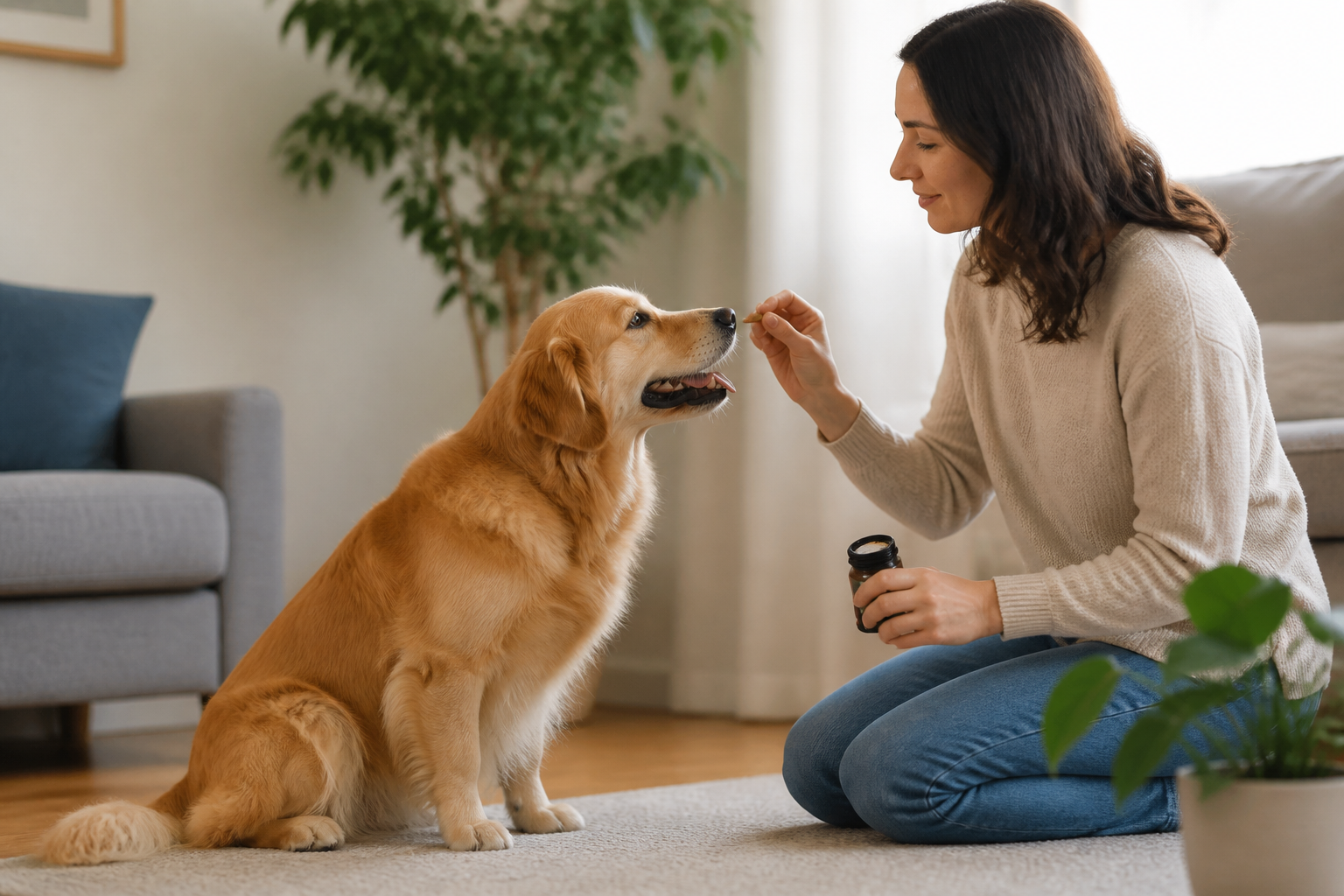
Introduction
Finding a pile of soft, un-scoopable stool in the backyard is a stressful moment for any dog owner. It usually means your dog is uncomfortable and you have a messy cleanup ahead. At BaxterBoo, we see many pet parents looking for ways to firm up their dog's digestion without jumping straight to heavy medications. Probiotics are often the first step in restoring balance to a sensitive stomach. This post covers how these beneficial bacteria work, which strains are best for loose stools, and how to choose the right supplement. We want to help you understand when a simple powder will do and when it is time to consult your veterinarian. Probiotics can be a powerful tool for maintaining your dog's gut health and overall comfort.
Understanding Soft Stool in Dogs
Soft stool is not the same as full-blown liquid diarrhea. It usually looks like a pile of soft serve ice cream or stool that loses its shape when you try to pick it up. This happens when food moves through the digestive tract too quickly. The colon does not have enough time to absorb the excess water.
Common triggers for soft stool include:
- Switching to a new brand of dog food too quickly.
- Eating rich "people food" or fatty treats.
- Stress from travel, boarding, or loud noises.
- Recent rounds of antibiotics that killed off good bacteria.
- Minor dietary indiscretions, like eating grass or old scraps.
While a single soft stool is usually not an emergency, consistent loose stools can lead to dehydration. It also makes it hard for your dog to absorb all the nutrients from their food.
Quick Answer: Probiotics help soft stool by reintroducing beneficial bacteria to the gut. These "good" microbes crowd out harmful ones, absorb excess water, and help the intestinal lining heal. Most dogs see improvement within two to five days.
How Probiotics Support the Canine Gut
A dog's digestive system is home to trillions of microorganisms known as the microbiome. This community includes bacteria, yeast, and other microbes. When the microbiome is balanced, your dog has firm stools, a shiny coat, and plenty of energy.
When harmful bacteria take over, the balance shifts. This is called dysbiosis. Probiotics are live, beneficial bacteria that you add to your dog's diet to correct this shift. They work by producing short-chain fatty acids. These acids inhibit the growth of "bad" bacteria like E. coli or Salmonella.
Probiotics also strengthen the intestinal barrier. This prevents toxins and undigested food from leaking into the bloodstream. For a dog with soft stool, this means a calmer gut and more consistent waste. For additional guidance about dietary triggers, read our guide to what can cause diarrhea in dogs.
Choosing the Best Probiotics for Soft Stool
Not every probiotic is the same. Some are better for skin allergies, while others focus specifically on the digestive tract. When looking at a label, you want to see specific strains that have been studied in dogs. You can compare options in our dog digestive health category.
Enterococcus Faecium
This is one of the most common strains found in veterinary-strength probiotics. It is very effective at shortening the duration of diarrhea and firming up soft stools. It is hardy enough to survive the acidic environment of a dog's stomach.
Lactobacillus Acidophilus
This strain is excellent for general stool quality. It helps increase the number of "good" bacteria in the colon. It is often used for dogs that have chronic, intermittent soft stool rather than a sudden case of diarrhea.
Bifidobacterium Animalis
This strain has been shown to reduce the time it takes for a dog to recover from acute digestive upset. It is a great choice for dogs that have a "nervous stomach" during travel or boarding.
Key Takeaway: Look for a supplement that contains at least one of these three strains. Multi-strain formulas are often more effective because different bacteria work in different parts of the digestive tract.
Prebiotics vs. Probiotics: What is the Difference?
You will often see the word "prebiotic" on supplement containers. Think of probiotics as the "good bugs" and prebiotics as the "bug food." Prebiotics are types of fiber that humans and dogs cannot digest. However, the beneficial bacteria in the gut love them.
Common prebiotics include:
- Inulin
- Chicory root
- Fructooligosaccharides (FOS)
When you give both together, it is called a synbiotic. This combination ensures that the new bacteria you are introducing have the fuel they need to thrive. Many high-quality dog foods now include prebiotics to support natural digestion.
For another perspective on supporting sensitive digestion through diet, explore these affordable diet ideas for dogs with sensitive stomachs.
Probiotic Forms: Powders, Chews, and Pastes
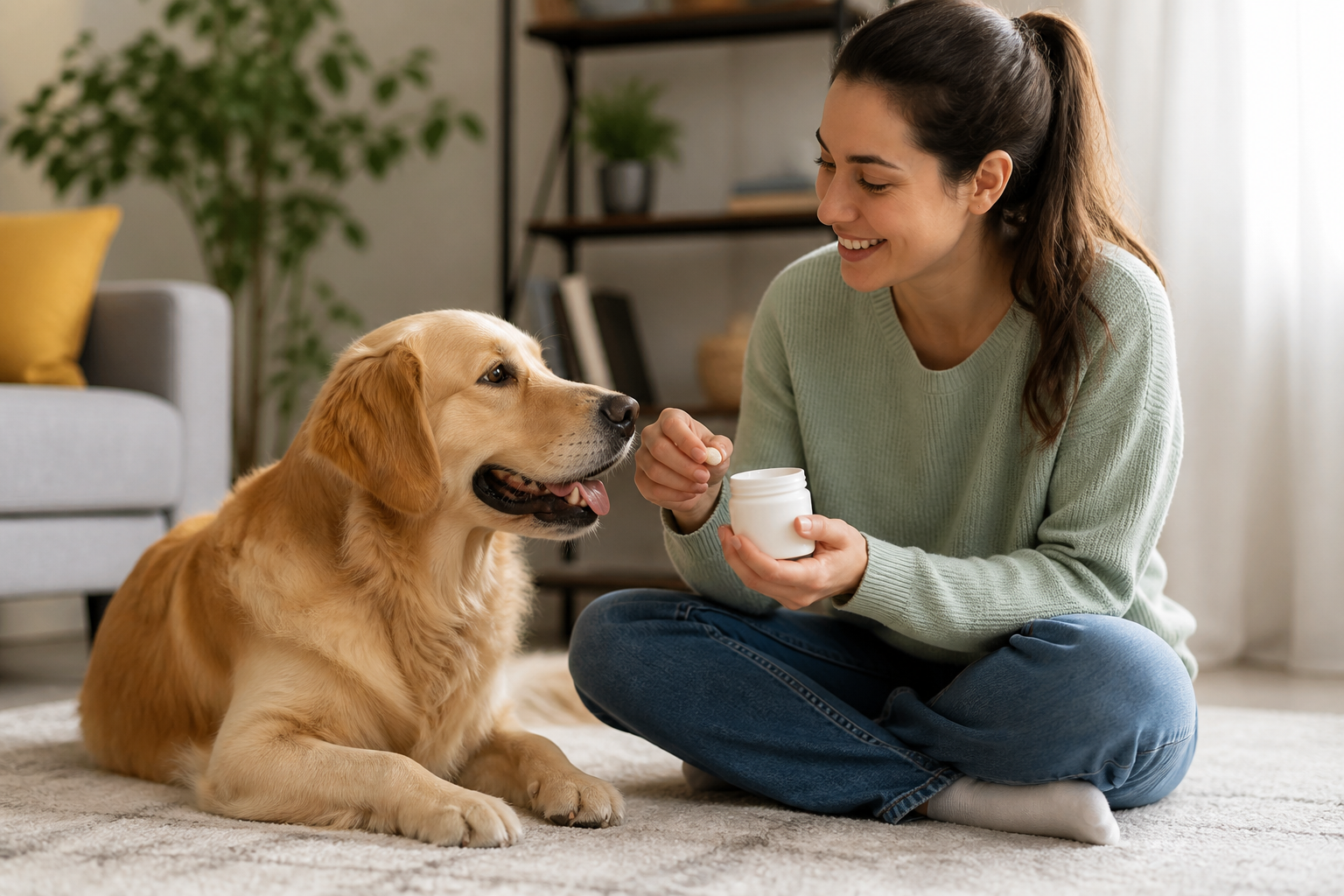
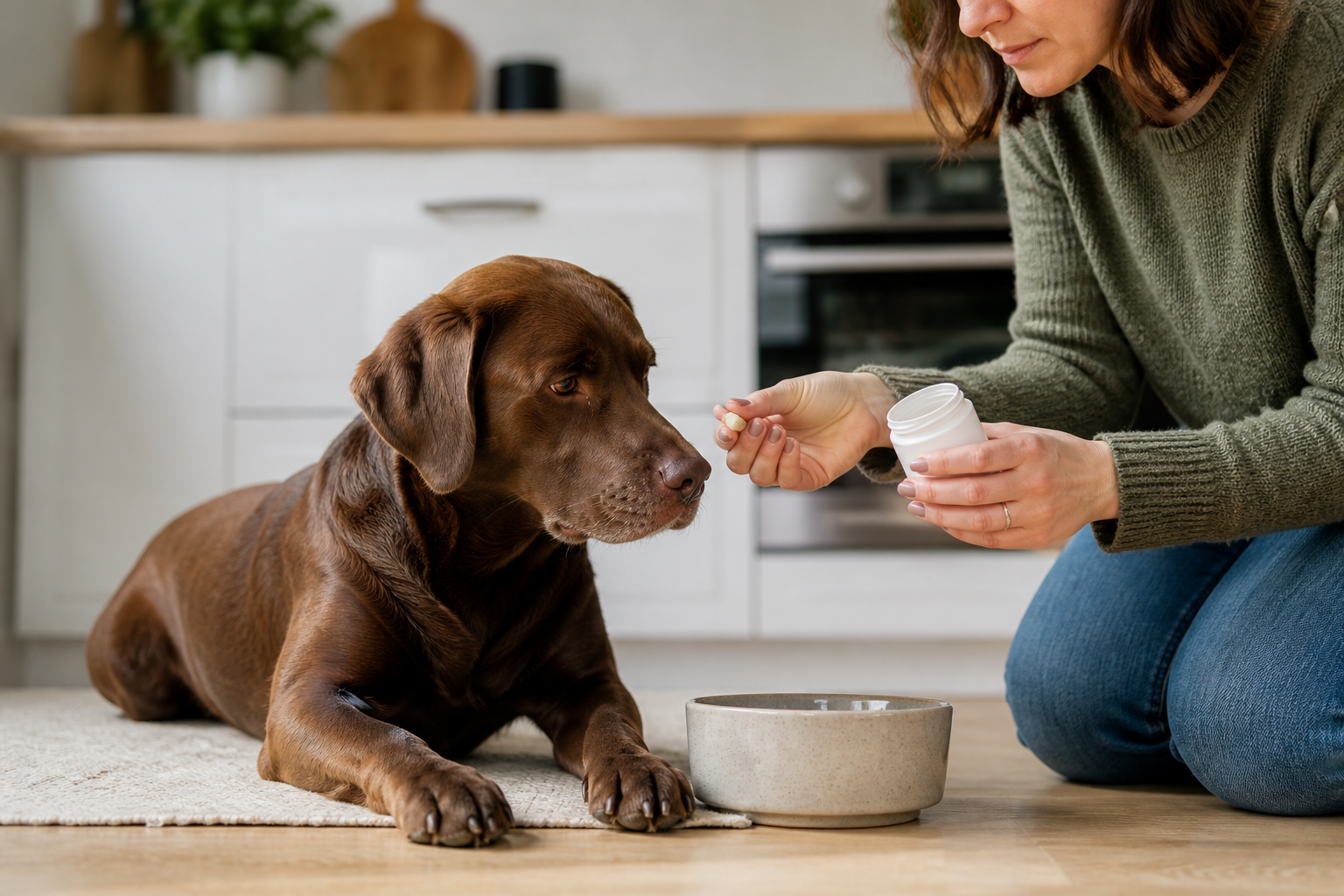
The way you give the probiotic can matter just as much as the strain inside. Dogs can be picky, so choosing the right format makes the process easier. For dogs that prefer a powder mixed into food, Native Pet Probiotic Powder Dog Food Topper is one available option.
| Format | Best For | Pros | Cons |
|---|---|---|---|
| Powders | Daily maintenance | Easy to mix with wet food; usually flavorless. | Hard to give to dogs that only eat dry kibble. |
| Soft Chews | Picky eaters | Tastes like a treat; no measuring required. | Usually contains more fillers and preservatives. |
| Pastes | Acute loose stool | High concentration; can be given directly by mouth. | More expensive; some dogs dislike the syringe. |
| Capsules | Accurate dosing | Protects bacteria from stomach acid. | Can be difficult to hide in food. |
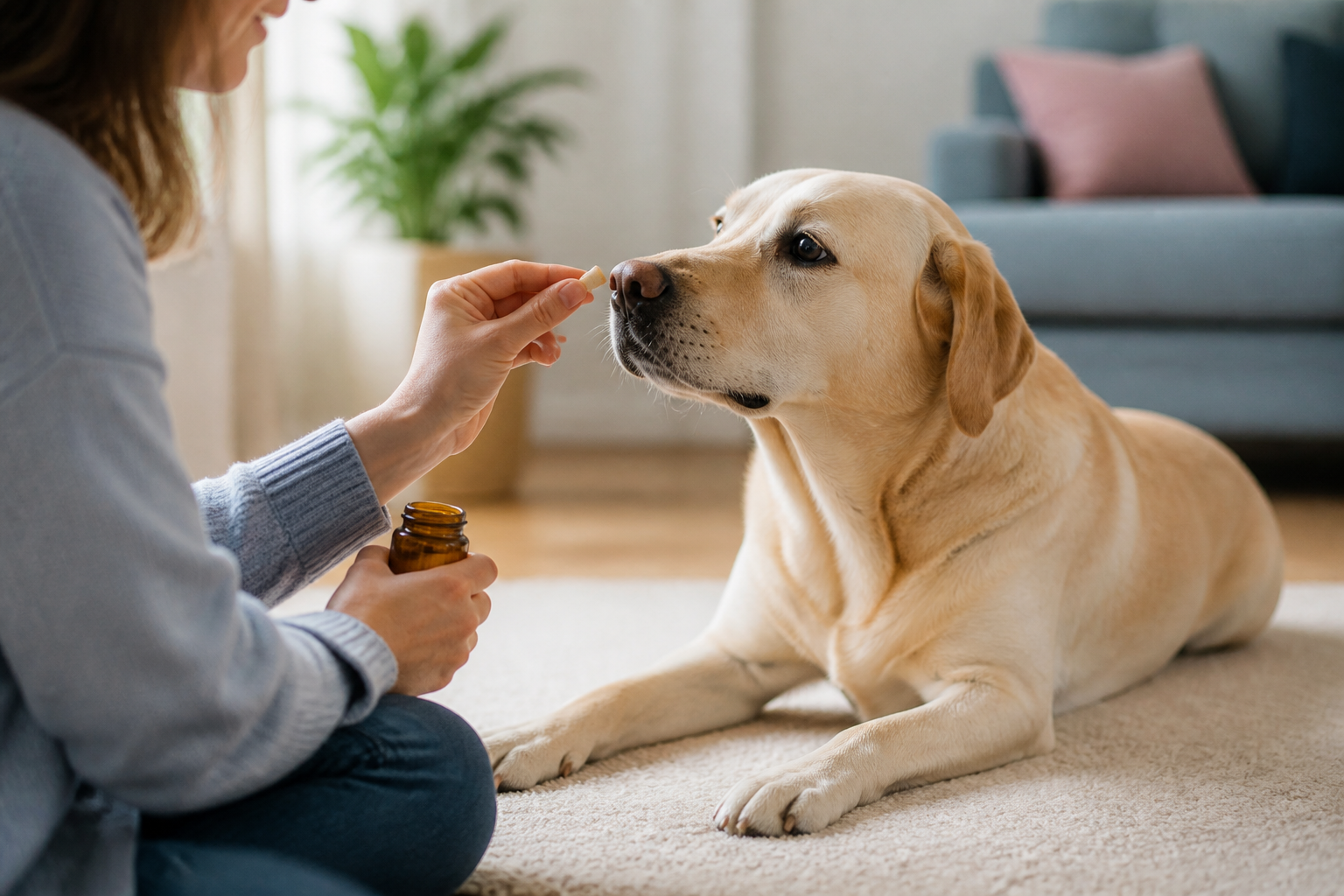
Soft chews can be a convenient alternative for selective eaters, such as NaturVet Advanced Probiotics & Enzymes Soft Dog Chew.
The Role of the Pharmacy and Prescription Diets
Sometimes soft stool is a symptom of a deeper issue. Conditions like Inflammatory Bowel Disease (IBD), Giardia, or severe food sensitivities need more than just an over-the-counter supplement. If your dog's stool does not firm up within a week of starting probiotics, it is time for a vet visit.
Through our partnership with Pet's Choice, the BaxterBoo pharmacy offers access to FDA-approved medications and prescription pet foods. A veterinarian might prescribe a high-fiber or hydrolyzed protein diet. These specialized foods are designed to be extremely easy on the gut. Our pharmacy can help you manage these chronic conditions with the same convenience as our standard orders.
Vet Tip: If your dog has blood in their stool, is vomiting, or seems very lethargic, do not wait for probiotics to work. Contact your vet immediately. Soft stool combined with these symptoms can indicate a serious infection or obstruction.
Can Dogs Take Human Probiotics or Yogurt?
It is a common question: "Can I just give my dog a spoonful of yogurt?" While yogurt contains live cultures, it may not be the best choice. Many dogs are lactose intolerant. Adding dairy to an already upset stomach can actually make soft stools worse.
Human probiotic capsules are also formulated for the human gut. Humans have a different pH balance and a different mix of natural bacteria than dogs. While a human supplement probably won't hurt your dog, it likely won't provide the targeted help they need for canine-specific issues.
The Problem with "Fortified" Foods
Some kibbles claim to have probiotics "added after baking." While this is a good start, bacteria are sensitive to heat, light, and air. By the time a bag of food has been opened for two weeks, many of those live cultures may no longer be active. A dedicated supplement is usually a more reliable way to ensure your dog is getting a therapeutic dose.
How to Read a Probiotic Label
To get the most value for your money, you need to understand the "Guaranteed Analysis" on the back of the bottle.
- CFU Count: This stands for Colony Forming Units. It tells you how many live bacteria are in each dose. For soft stools, look for a count in the billions.
- Expiration Date: Probiotics are living things. If the product is past its date, the bacteria are likely dead.
- Specific Strains: Avoid products that just say "probiotic blend." You want to see the Latin names like Enterococcus faecium.
- Storage Requirements: Some probiotics must be refrigerated to stay alive. Others are "shelf-stable." Make sure you follow the directions, or the product will become useless.
Key Takeaway: Always check for a "Best By" date and a CFU count of at least 1 billion for active digestive support.
Steps for Starting Your Dog on Probiotics
If you are ready to help your dog's digestion, follow these steps to ensure a smooth transition.
Step 1: Choose your format. / Pick a powder or chew based on your dog's eating habits.
Step 2: Start with a half dose. / Sometimes a sudden influx of new bacteria can cause temporary gas. Start small for the first two days.
Step 3: Monitor the stool. / Check your dog's waste daily. You are looking for a firmer, more formed shape.
Step 4: Keep it consistent. / Give the supplement at the same time every day. Probiotics work best when they maintain a steady population in the gut.
The Timeline: When Will You See Results?
Probiotics are not an instant fix like some medications, but they do work relatively quickly.
- Days 1-2: You might notice a decrease in gas and gurgling sounds in your dog's stomach.
- Days 3-5: This is when most owners see the stool start to firm up. It should be easier to pick up with a waste bag.
- Weeks 2-4: Long-term benefits start to kick in. This includes better nutrient absorption and a stronger immune system.
If you are using probiotics because your dog is on antibiotics, start them the same day as the medication. However, try to give the probiotic a few hours apart from the antibiotic dose. This prevents the antibiotic from immediately killing the "good" bacteria you just introduced.
Bottom line: Expect to see a noticeable difference in stool consistency within three to five days of daily use.
Supporting Senior Dogs and Puppies
Age plays a big role in how a dog processes food. Puppies have developing immune systems and are prone to picking up bugs from the ground. Probiotics can help them transition to solid food and manage the stress of moving to a new home.
Senior dogs often have less diverse microbiomes. This can lead to more frequent bouts of soft stool or constipation. For older dogs, a daily probiotic can be a vital part of their wellness routine. It helps them get the most nutrition out of their senior-specific diet. We carry a wide range of supplements tailored for these different life stages.
When to Stop Giving Probiotics
For many dogs, a daily probiotic is a great long-term health choice. Our Autoship programme is a popular way for owners to keep these supplements on hand without running out. This is especially helpful for dogs with naturally sensitive stomachs.
However, if you are only using them for a specific event—like a house move or a round of antibiotics—you can usually stop once the stool has been firm for at least seven days. Tapering off is not usually necessary. You can simply stop adding the supplement to their food.
Conclusion
Managing soft stool is about more than just cleaning up the yard. It is about ensuring your dog feels their best from the inside out. Probiotics offer a gentle, effective way to rebalance the gut and firm up stools. Whether you choose a tasty chew or a high-potency powder, consistency is the key to success. Our MVP Rewards programme allows you to earn points on these essential health items, making it easier to provide consistent care. If your dog's issues persist, remember that our pharmacy is here to provide the prescription support your vet recommends. Supporting your dog's microbiome is one of the simplest ways to improve their daily quality of life.
FAQ
Can I give my dog probiotics every day?
Yes, daily probiotics are safe for most healthy dogs and can actually prevent future digestive issues. They are particularly helpful for dogs with chronic sensitive stomachs or those that frequently eat things they shouldn't in the yard. Always follow the dosage instructions on the packaging based on your dog's weight.
Why did my dog's stool get softer after starting probiotics?
Sometimes a dog's system needs a few days to adjust to a new supplement. A temporary increase in gas or slightly softer stools can happen during the first 48 hours as the microbiome rebalances. If the loose stools continue for more than three days, stop the supplement and speak with your veterinarian.
How do I know if the probiotic is working?
The most obvious sign is a change in stool consistency. You should see "logs" that are firm, moist, and easy to pick up without leaving a residue on the grass. Other signs include less flatulence, a better appetite, and less "stomach gurgling" after meals.
Do I need a prescription for dog probiotics?
Most probiotics are available over the counter as nutritional supplements. However, some high-concentration versions or specific "therapeutic" diets containing probiotics may be recommended by your vet. For those needs, our pharmacy carries a variety of professional options through our Pet's Choice partnership.