
 Save 15% on your 1st Autoship learn more

 Email us
 Live Chat
 FAQs





Introduction
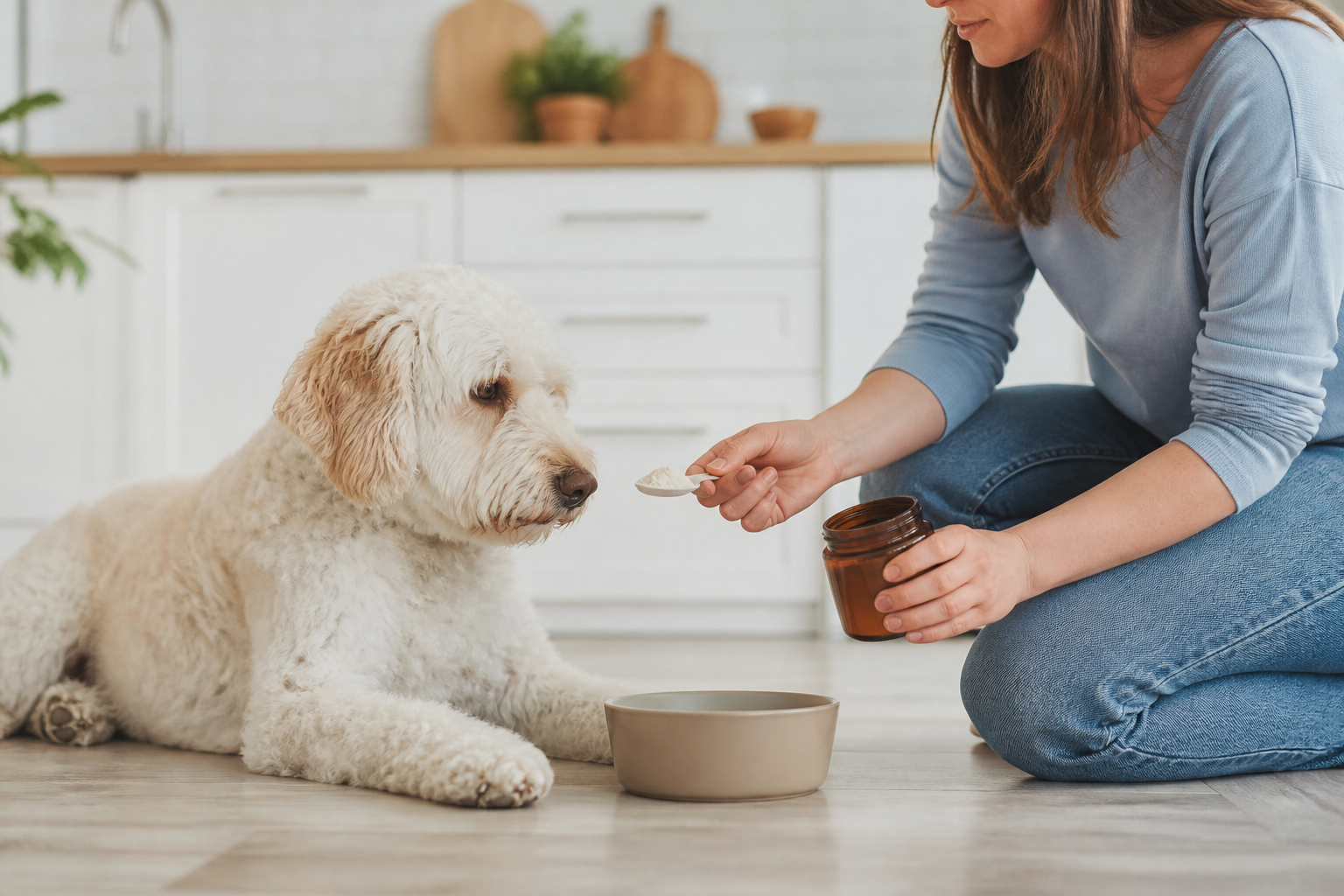
If you have ever noticed your dog constantly licking their paws or shaking their head due to itchy ears, you are far from alone. Many pet owners find themselves in a frustrating cycle of treating red, inflamed skin only for the symptoms to return a few weeks later. You might even notice a distinct, musty smell often compared to corn chips coming from your dog’s paws or skin folds. These common issues are usually the result of yeast overgrowth, which is frequently triggered by underlying allergies. At BaxterBoo, we have spent years helping pet parents navigate these seasonal and chronic struggles by finding the right balance of nutrition and support. This post covers how the gut microbiome influences skin health and how the right probiotic strains can help break the itch cycle. Improving your dog's internal environment is often the first step toward lasting external comfort.
The Connection Between Yeast and Allergies
Yeast is a type of fungus that naturally lives on a dog’s skin in small numbers without causing trouble. Problems arise when the environment changes or the immune system becomes distracted. The most common yeast species affecting dogs is Malassezia pachydermatis. When it grows out of control, it transforms from a harmless resident into an opportunistic pathogen that causes intense irritation.
Allergies are the most frequent trigger for this overgrowth. Whether your dog reacts to food ingredients or environmental triggers like pollen and dust mites, the result is the same: inflammation. This inflammation damages the skin barrier and creates a warm, moist environment. This is exactly what yeast needs to multiply rapidly.
Many dogs get stuck in an itch and lick cycle. When the skin feels itchy, the dog licks the area to soothe it. The saliva adds moisture and heat, creating a perfect incubator. The new yeast growth causes more itching, which leads to more licking. Breaking this loop requires addressing the skin surface and the internal immune response simultaneously.
Quick Answer: Dog probiotics for yeast and allergies work by supporting the gut-skin axis to regulate the immune system. While they do not kill yeast directly, they help balance the microbiome to reduce the inflammatory responses that lead to yeast flares.
Dog Vitamins & Supplements




Understanding the Gut-Skin Axis
It might seem strange to treat a skin problem by focusing on the digestive tract, but the two are closely linked. This connection is known as the gut-skin axis. Approximately 70 percent of a dog's immune system resides in the gut. The bacteria living there act as a training ground for immune cells, teaching them how to react to various triggers.
When the gut microbiome is out of balance, a condition called dysbiosis occurs. This can lead to systemic inflammation, which makes the skin more reactive to allergens. A healthy gut helps maintain a strong skin barrier. Think of the skin barrier as a sealant that keeps moisture in and irritants out. When this barrier is weak, yeast can easily settle into the gaps.
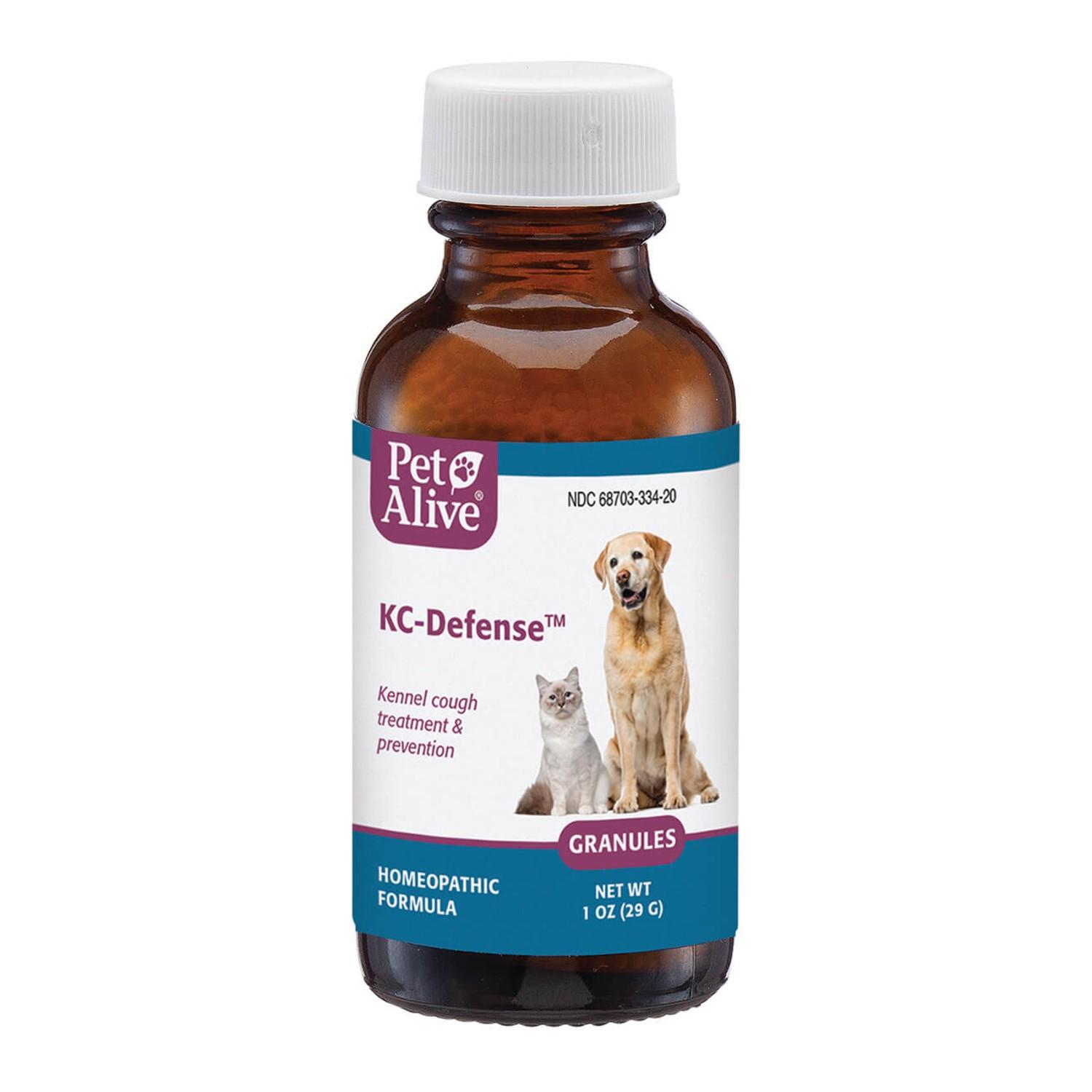
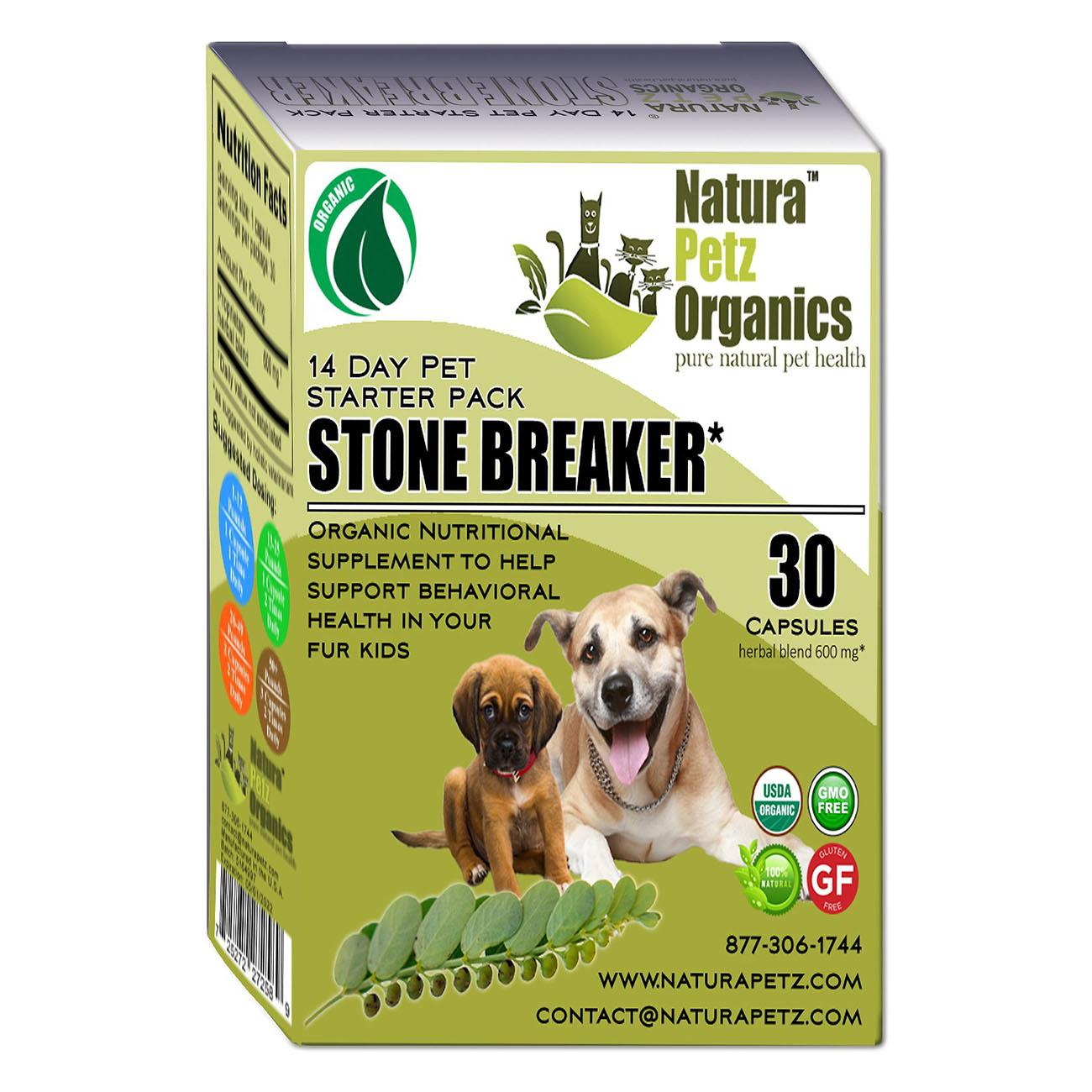
Probiotics are beneficial bacteria that help restore this balance. By populating the gut with helpful microbes, you can help your dog's body manage its inflammatory signals more effectively. This does not mean yeast infections start in the gut, but rather that gut health determines how well the body can keep skin yeast in check. Explore our dog digestive health selection for probiotic and digestive support options.
Key Takeaway: A balanced gut microbiome is essential for a resilient skin barrier and a calm immune system, which helps prevent the inflammation that fuels yeast overgrowth.
Top Probiotic Strains for Dogs with Skin Issues
Not all probiotics are the same. Different strains perform different jobs in the body. When you are looking at labels for skin and allergy support, specific names matter more than a general list of bacteria.
- Lactobacillus rhamnosus GG: This is one of the most studied strains for canine allergies. Research has shown it can help reduce the severity of skin redness and irritation in puppies prone to atopic dermatitis.
- Bifidobacterium animalis: This strain is known for supporting general immune function. It can help alleviate skin irritations by modulating the way the body reacts to environmental allergens.
- Enterococcus faecium: Often used for digestive stability, this strain helps ensure the gut environment stays inhospitable to harmful bacteria. A stable gut environment is the foundation for a healthy immune response.
- Lactobacillus acidophilus: This common strain helps lower the pH in the gut. While it works internally, the resulting shift in immune signals can help reduce the systemic inflammation that causes itchy skin.
We carry several trusted brands, such as Zesty Paws and Honest Paws, that include these specific strains in their formulations. It is always better to choose a product that names the exact strain rather than just the genus.
Vet Tip: If your dog has a severe or persistent yeast infection, always consult your veterinarian for a formal diagnosis. They can check for underlying issues like thyroid problems or deep bacterial infections that a supplement alone cannot address.
How to Read a Probiotic Label
Choosing a supplement can be overwhelming because marketing often overshadows the facts. To find the best dog probiotics for yeast and allergies, you need to look past the front of the package.
First, check the CFU count. CFU stands for Colony Forming Units, which tells you how many live bacteria are in each dose. However, a high number is not the only factor. You want a guarantee that those CFUs are alive at the date of expiration, not just at the time of manufacture. Bacteria naturally die off over time, especially if the product is not stored correctly.
Second, look for prebiotics. A prebiotic is a type of fiber, like inulin or fructooligosaccharides (FOS), that feeds the probiotic bacteria. When a supplement contains both, it is called a synbiotic. This combination ensures the beneficial bacteria have the fuel they need to settle in and do their job.
Third, verify the quality standards. Look for the NASC (National Animal Supplement Council) quality seal. This indicates that the manufacturer has passed independent audits and follows strict labeling and quality control guidelines. We prioritize stocking brands that meet these high standards to ensure your dog gets exactly what is promised on the bottle.
Red Flags on Probiotic Labels
- Vague ingredient lists like "probiotic blend" without naming strains.
- Claims that the product "cures" yeast infections or "eliminates" allergies.
- No expiration date or storage instructions.
- The inclusion of artificial sweeteners like xylitol, which is toxic to dogs.
The Role of Diet in Managing Yeast
While supplements are helpful, they cannot fix a poor diet. Yeast thrives on sugar and simple carbohydrates. If your dog's food is heavy on fillers like corn, wheat, or white potatoes, you might be unintentionally feeding the yeast.
Transitioning to a high quality, limited ingredient diet can make a significant difference. Brands like The Honest Kitchen or Stella and Chewy's offer options that focus on whole proteins and complex carbohydrates. These foods are less likely to spike blood sugar levels or trigger common food sensitivities.
Some pet owners find success with raw or freeze-dried diets because they are minimally processed. These diets often contain natural enzymes that support digestion and reduce the burden on the immune system. If you decide to change your dog's food, do it slowly over a period of seven to ten days to avoid upsetting their stomach. Browse our dog food selection when comparing formulas.
Bottom line: Diet and probiotics must work together to create an environment where yeast cannot flourish.
When to Use the BaxterBoo Pharmacy
Sometimes, a supplement and a diet change are not enough to clear a deep seated infection. If your dog's skin is broken, bleeding, or has a very strong odor, they likely need medical intervention. This is where our pharmacy becomes a vital resource for your pet's health.
Through our partnership with Pet's Choice, we offer access to FDA approved medications and prescription pet foods. If your veterinarian determines that your dog has a severe allergy, they may prescribe a specialized diet like Farmina Vet Life or Royal Canin Veterinary Diet. These foods are specifically formulated to manage medical conditions and are often the only way to stabilize a highly reactive dog.
The pharmacy also carries prescription strength flea and tick preventatives. Flea allergy dermatitis is a major cause of skin inflammation, and even a single bite can trigger a massive flare up. Keeping your dog on consistent protection is a non negotiable part of managing skin health. Our pharmacy makes it easy to get these essential items delivered alongside your regular gear.
Managing the External Environment
While probiotics work from the inside, you still need to manage the external symptoms to keep your dog comfortable. Yeast loves moisture, so keeping your dog dry is critical.
If your dog goes for a swim or a walk in the rain, dry them thoroughly. Pay special attention to the paws, the groin, and any skin folds. Using an antifungal or medicated shampoo can also help reduce the yeast population on the skin surface. Look for ingredients like ketoconazole or chlorhexidine, which are effective at targeting yeast and bacteria. For more paw-care ideas, read our guide to healthy dog paw pads.
For dogs with itchy paws, a simple foot soak after walks can remove environmental allergens like pollen and grass. This prevents them from licking the irritants and starting the moisture cycle. Small habits like these, combined with internal support, create a comprehensive approach to relief.
Checklist for Starting Probiotics
- Consult your vet to rule out other medical conditions.
- Select a probiotic with named strains like Lactobacillus rhamnosus GG.
- Ensure the product includes a prebiotic for better effectiveness.
- Start with a half dose to let your dog's digestive system adjust.
- Track your dog's itch levels and skin appearance in a journal.
Setting Realistic Expectations
It is important to remember that probiotics are not a quick fix. You will not see a change overnight. It usually takes four to eight weeks of consistent use to see an improvement in skin and coat health. Digestion often improves first, with stool quality becoming more consistent within the first week or two.
The skin is the last part of the body to show the benefits of internal changes. You should look for small signs of progress, such as less frequent paw licking or a reduction in the "corn chip" smell. Consistency is the most important factor. If you skip doses, the beneficial bacteria cannot establish a strong presence in the gut.
Using a service like Autoship can help you stay consistent. It ensures you never run out of your dog's supplements or specialized food. Plus, it often comes with savings and a free MVP Gold membership, making it a practical choice for managing chronic conditions.
The Importance of Veterinary Guidance
We always recommend working closely with your veterinarian when managing yeast and allergies. Allergies are complex and can change over time. What worked for your dog last year might not be as effective this year. A vet can perform skin scrapings or ear swabs to confirm that yeast is the actual problem.
They can also help you determine the correct dosing for supplements and medications. While probiotics are generally very safe, every dog is an individual. Some dogs with extremely sensitive stomachs may need a very slow introduction to new bacteria to avoid gas or loose stools.
If your dog's symptoms are severe, your vet might recommend a combination of prescription medication and long term probiotic support. This "top down and bottom up" approach is often the most successful way to handle stubborn yeast infections.
Vet Tip: Keep a record of when your dog's symptoms flare up. Noting the season, changes in weather, or new foods can help your vet identify the primary allergen faster.
Conclusion
Managing a dog with yeast and allergies requires patience and a multi-faceted approach. By focusing on the gut-skin axis through high quality probiotics, you can support your dog’s immune system and help them maintain a healthy skin barrier. Remember to look for specific strains, choose products with prebiotics, and keep the skin clean and dry. BaxterBoo is here to support you with expertly curated supplements, premium food, and a full service pharmacy for your prescription needs. Whether you visit our warehouse in Vernon Hills or order online for delivery, we are committed to helping your pet feel their best.
Key Takeaway: Success in managing yeast comes from combining internal gut support, a low sugar diet, and consistent environmental management.
The most effective next step for many owners is to browse our collection of dog digestive and probiotic supplements or consult with a vet about prescription options available through our pharmacy. Ensuring your dog has the right internal tools is the best way to stop the itch for good.
FAQ
Can I give my dog human probiotics for their yeast issues?
It is best to avoid human probiotics because the bacterial strains in a dog's gut are different from those in ours. Additionally, some human products contain sweeteners like xylitol or other additives that are dangerous for dogs. Always choose a product specifically formulated for canine physiology to ensure safety and effectiveness.
How long does it take for probiotics to help a dog's itchy skin?
While you might see improvements in digestion within a few days, skin and coat changes usually take longer. It generally takes four to eight weeks of daily, consistent use to see a noticeable reduction in itching and yeast overgrowth. Consistency is key to allowing the beneficial bacteria to balance the immune system.
Will probiotics alone cure my dog’s yeast infection?
Probiotics are a supportive tool rather than a standalone cure for an active infection. They help balance the gut and immune system to prevent future flares, but an existing infection usually requires topical treatments or medication. For severe cases, visit our pharmacy section to learn about prescription options your vet may recommend.
Are there side effects to starting a dog on probiotics?
Most dogs tolerate probiotics very well, but some may experience temporary digestive changes like gas or slightly loose stools. To minimize this, start with a smaller dose and gradually increase it to the full amount over a week. If digestive upset persists or worsens, consult your veterinarian for guidance.






- Site & Contents BaxterBoo.com. BaxterBoo is located in the United States.
- Privacy & Security
- Terms of Use
- Accessibility Statement
