Save 15% on your 1st Autoship learn more

 Email us
 Live Chat
 FAQs
FAQs





Introduction
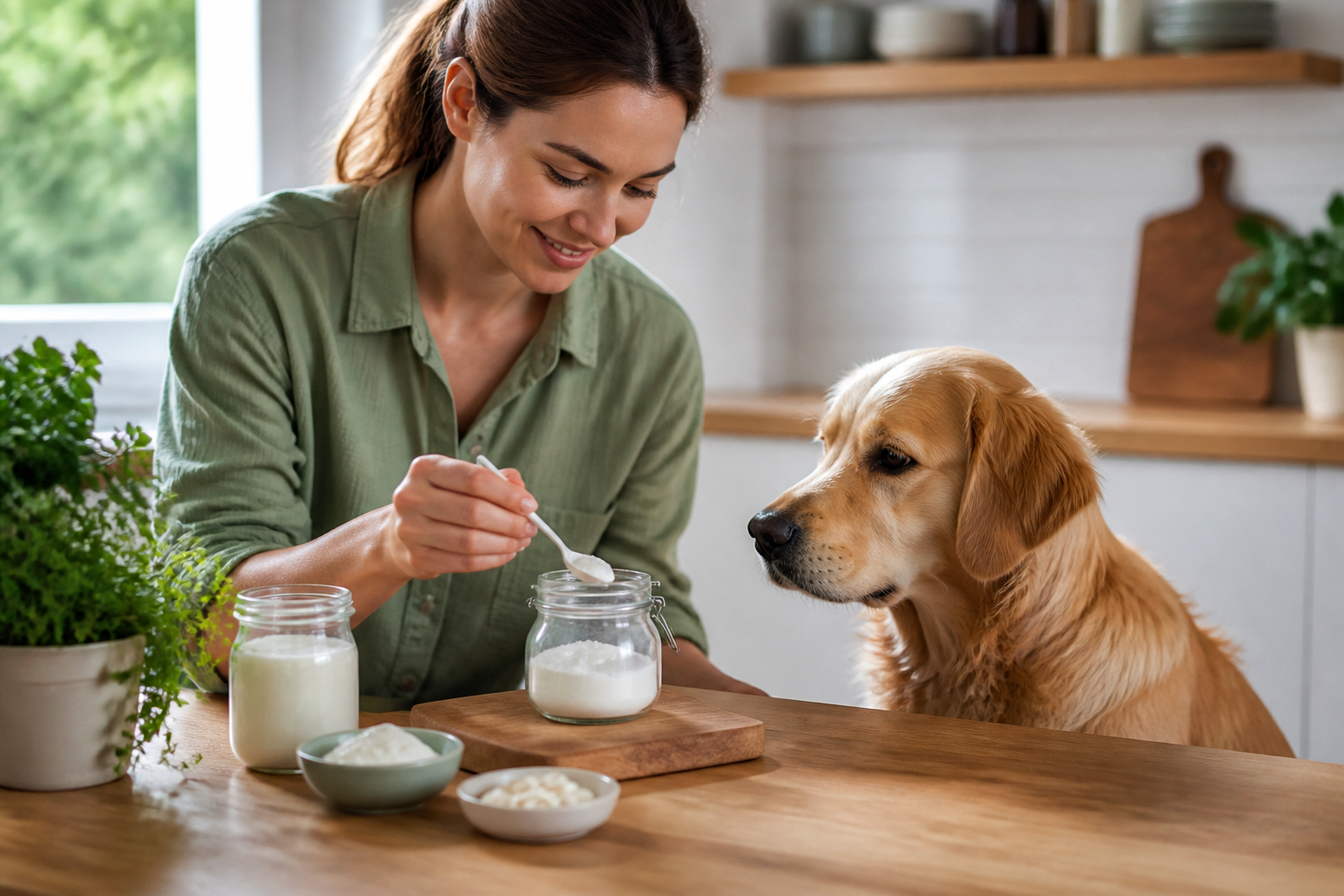
You are standing in your kitchen and you hear a loud, gurgling sound coming from your dog’s stomach. Maybe they have been dealing with occasional gas that clears the room. Perhaps their stools have been a bit soft lately after a dietary change. At BaxterBoo, we know that a happy dog starts with a healthy gut. While there are many supplements on the market, you might be looking for ways to support your dog’s digestive system using items already in your pantry or fridge.
This post covers everything you need to know about making DIY dog probiotics safely at home. We will look at natural food sources, easy recipes, and how to tell if your dog needs a more specialized approach. Your dog's microbiome is a complex world of bacteria that helps them stay strong. By learning to use natural ferments and prebiotics, you can provide fresh, cost-effective support for their daily wellness.
Understanding the Canine Microbiome
The microbiome is a massive community of microbes living in your dog’s digestive tract. It consists of trillions of bacteria, fungi, and viruses. Most of these are helpful. They assist with breaking down food, producing essential vitamins, and keeping the immune system sharp. When this community is balanced, your dog usually has consistent energy and healthy skin.
Problems arise when the balance shifts. This shift is often called dysbiosis. It can happen because of stress, a sudden change in kibble, or a round of antibiotics. Antibiotics are life-saving, but they do not distinguish between good and bad bacteria. They often clear out the beneficial microbes along with the ones causing an infection. This is where probiotics come in to help rebuild the population.
Quick Answer: Probiotics are live, beneficial bacteria that support a healthy digestive tract. DIY options include plain yogurt, kefir, and fermented vegetables which help restore balance to your dog's gut flora.
Key Probiotic Strains for Dogs
Not all bacteria are the same. If you are looking at labels or researching fermented foods, you will see specific names. These are the strains that have shown the most benefit for canine health in various studies.
- Lactobacillus acidophilus: This is one of the most common strains. It helps with stool quality and may reduce gas.
- Bifidobacterium animalis: This strain is often used to manage diarrhea and shorten the time it takes for a dog to recover from an upset stomach.
- Enterococcus faecium: This is a hardy strain that survives the acidic environment of the stomach well.
- Lactobacillus plantarum: This is frequently found in fermented vegetables like sauerkraut.
When you make probiotics at home, you are often introducing several of these strains at once. This variety is generally good for a healthy dog. It creates a more diverse environment in the gut.
Key Takeaway: A diverse range of bacterial strains is better than a single strain. Natural foods like kefir often provide a wider variety of beneficial microbes than basic supplements.
Why Choose DIY Probiotics?
Making your own probiotic toppers or treats has several advantages. First, you have total control over the quality. You know exactly what went into the jar. There are no hidden fillers, artificial colors, or chemical preservatives. Many store-bought treats use high heat during processing. This heat can kill the very bacteria you are trying to provide.
Second, DIY options are often much fresher. Live cultures in yogurt or fermented carrots are active and ready to work. Third, it is budget-friendly. A large tub of plain Greek yogurt or a bunch of carrots is much cheaper than a box of individual probiotic sachets. We love helping our customers find value without compromising on quality.
The Difference Between Probiotics and Prebiotics
You cannot have a successful probiotic routine without prebiotics. Think of probiotics as the "workers" and prebiotics as the "fuel." Prebiotics are types of fiber that humans and dogs cannot digest. However, the good bacteria in the gut love to eat them.
Common prebiotic foods for dogs include:
- Canned pumpkin (plain, not pie filling)
- Steamed broccoli
- Sliced bananas
- Cooked sweet potatoes
- Raw dandelion greens
If you give your dog probiotics without any prebiotic fiber, the good bacteria may not survive long enough to colonize the gut. Combining the two is often called "synbiotics." Most of our favorite DIY recipes include both to give your dog the best results.
Vet Tip: Always introduce new fibers like pumpkin or broccoli slowly. Too much fiber too fast can cause temporary bloating or gas, which is the opposite of what you want to achieve.
Safe Dairy Sources for Probiotics
Many people worry about giving dogs dairy. While some dogs are lactose intolerant, fermented dairy is different. The fermentation process breaks down much of the lactose. This makes it easier for many dogs to digest.
Plain Greek Yogurt
Plain Greek yogurt is a staple for a reason. It is thick, high in protein, and loaded with Lactobacillus. You must ensure it is plain. Never use "vanilla" or "fruit-flavored" versions. These contain high amounts of sugar. Most importantly, check the label for Xylitol. This artificial sweetener is highly toxic to dogs.
Kefir
Kefir is even more powerful than yogurt. It usually contains a much wider variety of bacterial strains and beneficial yeasts. It has a thin, pourable consistency. You can find cow milk kefir or goat milk kefir in most grocery stores. Goat milk kefir is often even easier on the canine stomach than cow milk.
Buttermilk
Traditional buttermilk is the liquid left over after churning butter. It contains live cultures if it has not been heat-treated afterward. It is a lean option for dogs that need to watch their fat intake but still want a probiotic boost.
Non-Dairy DIY Options
If your dog truly cannot handle dairy, you still have excellent options. These are great for dogs with known milk allergies.
Sauerkraut
Plain sauerkraut is a probiotic powerhouse. It is made by fermenting cabbage in a salt brine. The process creates massive amounts of Lactobacillus. You must only use "raw" or "refrigerated" sauerkraut. The shelf-stable cans in the grocery aisle have been pasteurized, which kills the bacteria. Also, ensure there are no added onions or caraway seeds, as onions are toxic to dogs.
Fermented Vegetables
You can ferment carrots, zucchini, or green beans at home. These provide a crunch that many dogs love. Fermenting them makes the nutrients in the vegetables easier for your dog to absorb.
Green Tripe
Green tripe is the untreated stomach lining of a cow or deer. It is naturally full of digestive enzymes and probiotics. It is very smelly, but dogs find it irresistible. It is a "whole food" way to support gut health. We carry a variety of high-quality treats and foods that include tripe for this reason.
Step-by-Step: Making Fermented Carrots for Dogs
If you want to try fermenting at home, carrots are the perfect starting point. They are safe, cheap, and hold their texture well.
- Step 1: Prep your veggies. Wash and peel three large carrots. Slice them into bite-sized rounds or sticks that fit your dog's size.
- Step 2: Create the brine. Mix one cup of filtered water with half a teaspoon of sea salt. Do not use iodized table salt. Stir until the salt is completely dissolved.
- Step 3: Pack the jar. Place the carrots in a clean glass mason jar. Pour the brine over them until they are completely covered. Leave about an inch of air at the top.
- Step 4: The fermenting phase. Close the lid loosely so gas can escape. Keep the jar on your counter out of direct sunlight for three days.
- Step 5: Storage. Once you see small bubbles, the fermentation is active. Move the jar to the refrigerator. You can add one or two slices to your dog’s meal daily.
Bottom line: Fermenting vegetables at home is a simple three-day process that creates a fresh, crunchy probiotic topper.
DIY Probiotic Recipe: Frozen Pumpkin Yogurt Drops
These are excellent for hot summer days or as a quick reward after a walk. They combine the probiotic power of yogurt with the prebiotic fiber of pumpkin.
Ingredients:
- 1 cup plain Greek yogurt (check for Xylitol)
- 1/2 cup plain canned pumpkin puree
- 1 tablespoon of honey (optional)
Directions:
- In a medium bowl, whisk the yogurt and pumpkin together until the color is consistent.
- If your dog likes a hint of sweetness, stir in the honey.
- Place a silicone mold or a sheet of parchment paper on a baking tray.
- Use a spoon to drop small "buttons" of the mixture onto the tray.
- Freeze for at least four hours or until solid.
- Transfer the drops to a freezer-safe bag.
Give one or two drops per day depending on your dog's size. These are a favorite among our team because they are so easy to make in big batches.
Safety Precautions and Potential Risks
While DIY probiotics are generally safe, there are a few things to keep in mind. Every dog is an individual. What works for one might not work for another.
Start Very Slow
The most common mistake is giving too much at once. If you flood the gut with new bacteria, it can cause "die-off" symptoms. This might look like temporary diarrhea, gas, or even a mild skin itch. Start with a teaspoon for large dogs or a quarter teaspoon for small dogs. Increase the amount over a week.
Watch the Sodium
Fermented foods like sauerkraut use salt. While a little salt is necessary for the fermentation process, too much is bad for dogs. This is especially true for dogs with heart or kidney issues. Always rinse store-bought sauerkraut before feeding it. If you ferment at home, keep the salt concentration as low as safely possible.
Avoid Dangerous Ingredients
Many fermented foods intended for humans contain garlic, onions, or chives. These are part of the Allium family and are toxic to dogs. They can cause damage to red blood cells. Always read labels carefully if you are not making the food yourself.
Vet Tip: If your dog has a compromised immune system or is undergoing chemotherapy, consult your veterinarian before adding live bacterial cultures to their diet.
Signs Your Dog Needs Professional Probiotics
Sometimes, DIY kitchen solutions are not enough. If your dog is dealing with a chronic health condition, they may need a standardized, high-potency supplement or a prescription diet.
Signs that you should talk to your vet include:
- Chronic, watery diarrhea that lasts more than 48 hours.
- Blood or excessive mucus in the stool.
- Unexplained weight loss.
- Frequent vomiting or refusal to eat.
- Severe skin allergies that do not respond to diet changes.
For these situations, a targeted approach is best. Our pharmacy offers a range of medications and prescription pet foods. This includes clinical-strength probiotics and specialized diets designed for pets with severe GI sensitivities. These products are formulated to provide a specific number of Colony Forming Units (CFUs) that stay stable throughout the shelf life of the product.
Comparing DIY to Commercial Supplements
It is helpful to understand when to use each option. DIY is great for maintenance and general wellness. Commercial supplements are often better for specific medical issues.
| Feature | DIY Probiotics | Commercial Supplements |
|---|---|---|
| Cost | Low | Moderate to High |
| Variety | High natural variety | Targeted specific strains |
| Convenience | Requires prep time | Ready to use |
| CFU Count | Unknown/Variable | Standardized and measured |
| Shelf Life | Short (days to weeks) | Long (months to years) |
If you are traveling or boarding your dog, a commercial powder or pill might be easier to manage than a jar of fermented carrots. However, for daily life at home, the fresh DIY route is a wonderful way to add nutrition to the bowl. For dogs with sensitive stomachs, this guide to affordable diets for dogs with sensitive stomachs offers another food-focused resource.
Supporting Your Senior Dog's Gut
As dogs age, their digestive systems often become less efficient. Their microbiome can lose diversity. This can lead to poor nutrient absorption and a weaker immune system. Adding a daily probiotic can be a game-changer for a senior dog. It helps them get the most out of their senior-specific food.
For older dogs, focus on the softer DIY options. Plain kefir or a spoonful of yogurt is easier to eat than crunchy fermented vegetables if they have dental issues. You might also notice that their breath improves. Bad breath is often linked to an imbalance of bacteria in the mouth and gut.
Key Takeaway: Senior dogs often see the most visible improvements from probiotics, including better energy levels and improved stool consistency.
How to Store Your DIY Probiotics
Proper storage is critical because you are dealing with live organisms. Heat and light are the enemies of probiotics.
- Refrigeration: Keep all yogurt, kefir, and fermented veggies in the fridge. The cold temperature slows down the fermentation process so the food does not get too sour or "fizzy."
- Air-tight containers: Use glass jars with tight lids. This prevents mold from growing and keeps the probiotics fresh.
- Check for spoilage: If a fermented food smells "off" (like rotting instead of tangy), or if you see fuzzy mold on the surface, toss it out. When in doubt, throw it away.
We recommend making small batches every week rather than one giant batch once a month. This ensures your dog is always getting the most active cultures possible.
The Role of Diet in Gut Health
Probiotics are only one piece of the puzzle. The quality of your dog's main meals matters immensely. A diet high in fillers and simple sugars can feed the "bad" bacteria in the gut. This makes it much harder for your DIY probiotics to do their job.
Look for foods that prioritize high-quality animal proteins and complex carbohydrates. Brands like Farmina, The Honest Kitchen, and Stella and Chewy's often include natural prebiotic fibers in their recipes. You can compare formulas in our dog food selection when building a consistent foundation for your dog’s meals.
Bottom line: You cannot out-supplement a poor diet. Start with high-quality food and use DIY probiotics as a functional boost.
Summary
Supporting your dog's gut health does not have to be complicated or expensive. By using simple ingredients like plain Greek yogurt, kefir, and home-fermented vegetables, you can create a thriving microbiome for your pet. Remember to introduce new foods slowly and watch for any signs of sensitivity. Whether you are freezing pumpkin drops or slicing up fermented carrots, these small additions can lead to better digestion and a stronger immune system.
At BaxterBoo, we are committed to helping you provide the best care for your pets. If you find that your dog needs a more potent solution, our pharmacy is here to provide prescription-strength support they might need. For everyday wellness, our digestive health selection and curated selection of premium foods and treats offer the perfect foundation for a healthy life.
- Start with small amounts of plain Greek yogurt or kefir.
- Mix probiotics with prebiotics like pumpkin for the best results.
- Ensure all DIY ingredients are free of Xylitol, onions, and excess salt.
- Consult your vet for chronic digestive issues or prescription needs.
FAQ
Can I give my dog human probiotic capsules?
While some human probiotics are safe, many contain strains that are not effective for dogs or have dosages that are too high. Some also contain fillers like lactose or sugar that might upset a dog's stomach. It is generally safer to stick to dog-specific supplements or natural whole-food sources like yogurt.
How long does it take for DIY probiotics to work?
You might notice an improvement in gas or stool quality in as little as two to three days. For more chronic issues like skin health or immune support, it can take four to six weeks of consistent use to see a real change. Consistency is key when rebuilding the microbiome.
Is it possible to give my dog too many probiotics?
Yes, giving too much too fast can cause a "bacterial bloom." This usually leads to temporary diarrhea, bloating, or gas. Always start with a very small amount and work your way up to a standard dose over at least a week.
Can I bake probiotic treats in the oven?
No, high heat kills the beneficial bacteria. Probiotics are living organisms that generally die at temperatures above 115 degrees Fahrenheit. To keep the benefits, use "no-bake" recipes or freeze your treats as "pupsicles" instead.