
 Save 15% on your 1st Autoship learn more

 Email us
 Live Chat
 FAQs





Introduction
You are petting your cat when you notice small white flakes scattered across their dark fur. It might look like a dusting of flour or salt. This is a common sight for many pet owners, but it often leads to questions about health and comfort. At BaxterBoo, we know that a flaky coat is usually a sign that your cat needs a little extra help with their skin or grooming routine. This post covers the primary causes of feline flakes and the best methods for cat dandruff removal. We will look at grooming techniques, nutritional changes, and environmental adjustments to restore your cat's glossy coat. Understanding the "why" behind the flakes is the first step toward a healthier, happier pet.
Quick Answer: Cat dandruff is often caused by dry skin, poor grooming, or underlying health issues like obesity or allergies. Most cases improve with regular brushing, increased hydration, and omega fatty acid supplements.
Understanding Feline Dandruff vs. Dander
Many people use the terms dander and dandruff as if they are the same thing. They are actually quite different. Dander consists of microscopic skin cells that all healthy cats shed naturally. You cannot see dander with the naked eye. It is the material that carries proteins from cat saliva, which often triggers allergies in humans.
Dandruff is visible. It appears as larger, white or gray flakes that cling to the hair shafts or fall onto your furniture. While dander is a normal biological process, dandruff is typically a symptom of an issue. It indicates that the skin is either too dry or too oily. When skin cells die and slough off in large clumps, it creates the visible flakes you see during cuddle time.
Key Takeaway: Dander is a microscopic, normal part of skin shedding, while dandruff is visible flaking that signals a need for skin care.
Cat Skin & Coat Care












Common Causes of Flaky Skin in Cats
Identifying the cause of the flakes is essential for effective cat dandruff removal. In many cases, the environment is the culprit. Low humidity during the winter months can sap moisture from a cat's skin. This leads to itchiness and flaking.
Diet also plays a significant role. If a cat is not getting enough healthy fats, their skin barrier can weaken. We often see this in cats on low-quality diets or those who only eat dry kibble. Hydration is equally important. Cats have a low thirst drive and often live in a state of mild dehydration, which shows up in the quality of their coat. You can explore our wet cat food selection when looking for higher-moisture meal options.
Lifestyle factors can prevent a cat from taking care of themselves. If a cat is overweight, they may not be able to reach certain spots on their back or near their tail. This is where dandruff usually builds up. Similarly, senior cats with arthritis may find grooming painful. They stop cleaning themselves as thoroughly, leading to a build-up of dead skin and loose hair.
Medical Conditions to Watch For
Sometimes, dandruff is a sign of a more serious medical problem. Parasites like fleas or mites can cause skin irritation. There is even a specific mite called Cheyletiella that looks like "walking dandruff" because the mites move under the scales of the skin.
Other medical causes include:
- Fungal infections like ringworm
- Bacterial skin infections
- Hyperthyroidism or diabetes
- Food or environmental allergies
Vet Tip: If your cat is losing hair, itching constantly, or has red and inflamed skin, please consult your veterinarian. These symptoms often require a professional diagnosis and targeted medication.
The Importance of Regular Grooming
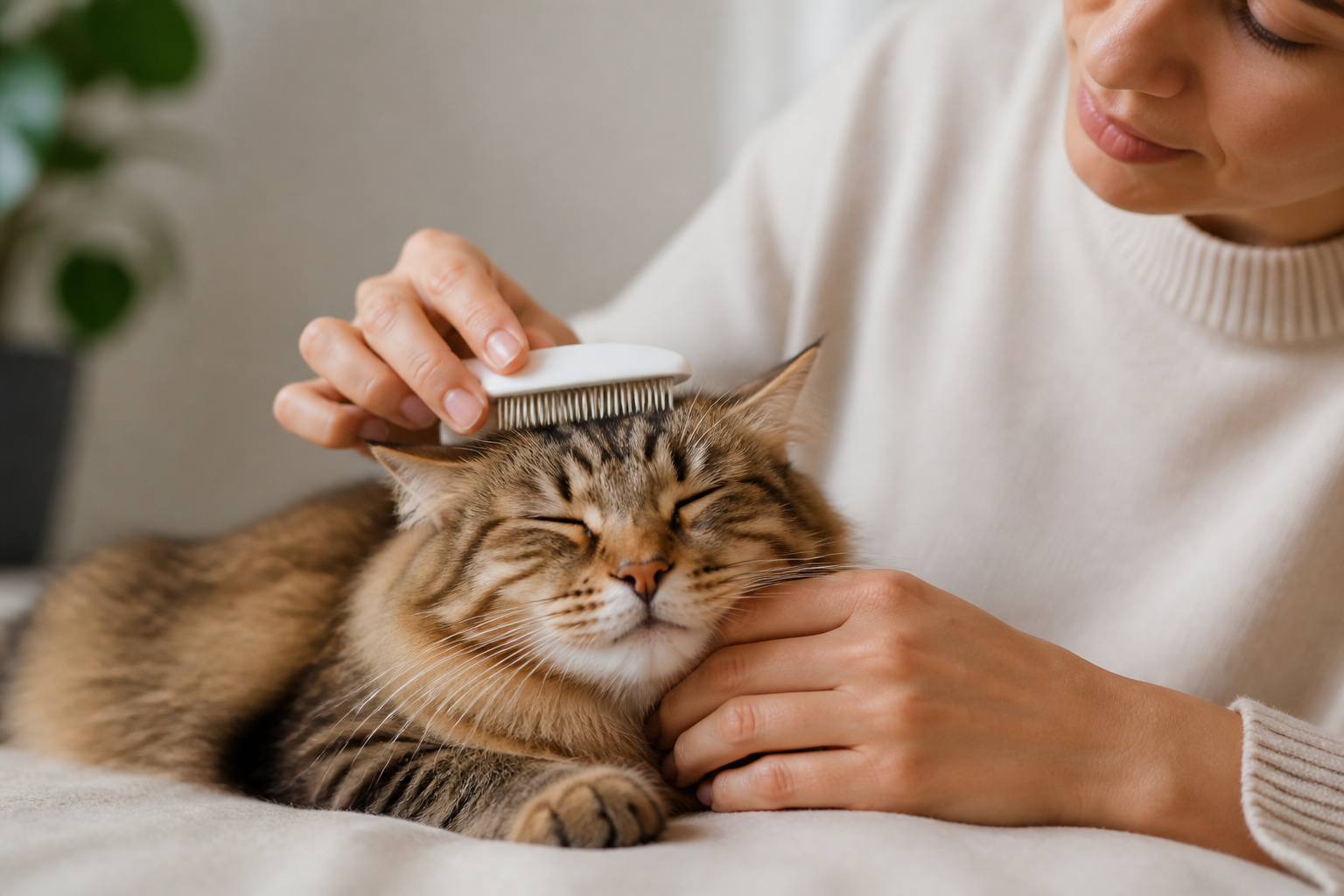
Brushing is one of the most effective ways to manage cat dandruff removal. When you brush your cat, you do more than just remove loose fur. You stimulate the skin and encourage the production of natural oils. These oils act as a protective barrier and keep the skin supple. For more grooming ideas, read about maintaining your cat's coat and whiskers.
For short-haired cats, a rubber grooming tool or a soft bristle brush works well. Long-haired cats require more intensive care. We carry tools such as the U-Groom Combo Brush for Dogs and Cats that are designed to help remove tangles and move natural oils through the coat. Brushing moves the oils from the base of the hair across the entire strand. This prevents the "greasy base, dry tip" problem that many long-haired cats face.
How to Brush for Dandruff Removal
Step 1: Choose a quiet time / Wait until your cat is relaxed or sleepy to start the grooming session.
Step 2: Start gently / Use light strokes in the direction of hair growth to get your cat comfortable.
Step 3: Focus on the lower back / This is the most common area for dandruff accumulation.
Step 4: Use a fine-tooth comb / A metal comb can help lift stubborn flakes away from the skin surface.
Step 5: Reward your pet / Give them a healthy treat to make grooming a positive experience.
Bottom line: Daily brushing is the simplest and most effective home remedy for preventing and removing cat dandruff.
Nutritional Support for Healthy Skin
What goes into your cat's body is just as important as what you put on their fur. Skin is the largest organ of the body. It requires specific nutrients to stay healthy. Omega-3 and Omega-6 fatty acids are vital for skin health. These healthy fats reduce inflammation and help the skin retain moisture. One option is the Zesty Paws Wild Alaskan Salmon Oil Skin & Coat Supplement, which is listed among BaxterBoo's cat products.
We recommend looking for supplements from trusted brands like Zesty Paws or Honest Paws. Fish oil is a popular choice because it is highly palatable for most cats. You can simply pump the oil over their food once a day. Over a few weeks, you should notice the coat becoming shinier and the skin becoming less flaky.
The Benefits of Wet Food
Many cats benefit from a transition to wet food or a mix of wet and dry. Brands like Tiki Cat, Fussie Cat, and Weruva provide high moisture content that supports overall hydration. Proper hydration ensures that skin cells remain plump and healthy rather than drying out and flaking off. For a specific high-moisture option, consider Feline Natural Grain Free Wet Cat Food.
| Supplement/Food Type | Main Benefit | Recommended Use |
|---|---|---|
| Fish Oil (Omega-3) | Reduces skin inflammation | Daily topper on food |
| Wet Cat Food | Increases systemic hydration | Replace or supplement kibble |
| Limited Ingredient Diet | Identifies food sensitivities | For cats with potential allergies |
| Hydration Boosters | Encourages more water intake | Added to water bowl or food |
Managing Weight and Mobility
If your cat is struggling to groom because of their size or age, cat dandruff removal becomes a lifestyle challenge. An overweight cat cannot reach the base of their tail. This area will quickly become matted and flaky. Helping your cat reach a healthy weight is a long-term solution for better skin.
For senior cats, arthritis can make the twisting and turning required for grooming very difficult. You may need to take over the grooming duties entirely for these cats. Focus on the areas they can no longer reach. Providing a comfortable, warm environment can also help with joint stiffness, making it easier for them to move and groom. Our guide to arthritis care for cats covers additional mobility considerations.
Our pharmacy carries prescription weight management foods and joint support medications through our partnership with Pet's Choice. If your vet recommends a specific diet like Farmina Vet Life or Royal Canin, you can easily manage those needs through the BaxterBoo website.
Key Takeaway: Proper weight management and joint support are often the hidden keys to resolving chronic dandruff in older or sedentary cats.
Environmental Adjustments
Your home environment plays a direct role in your cat's skin health. During the summer, air conditioning can dry out the air. In the winter, forced-air heating is even worse. If the air in your home is dry, your cat's skin will be too.
Using a humidifier in the rooms where your cat spends the most time can make a big difference. This adds moisture back into the environment and prevents the skin from becoming brittle. You should also ensure that your cat has access to multiple water sources. Some cats prefer running water, so a pet fountain can be a great way to encourage more drinking.
Reducing Stress
Stress can manifest in many ways in cats, including skin issues. A stressed cat might over-groom or stop grooming altogether. Both behaviors lead to coat problems. Ensure your cat has "safe zones" like cat trees or quiet beds where they can retreat. Using calming diffusers or supplements can also help stabilize their mood and, by extension, their skin health.
When to Use Medicated Products
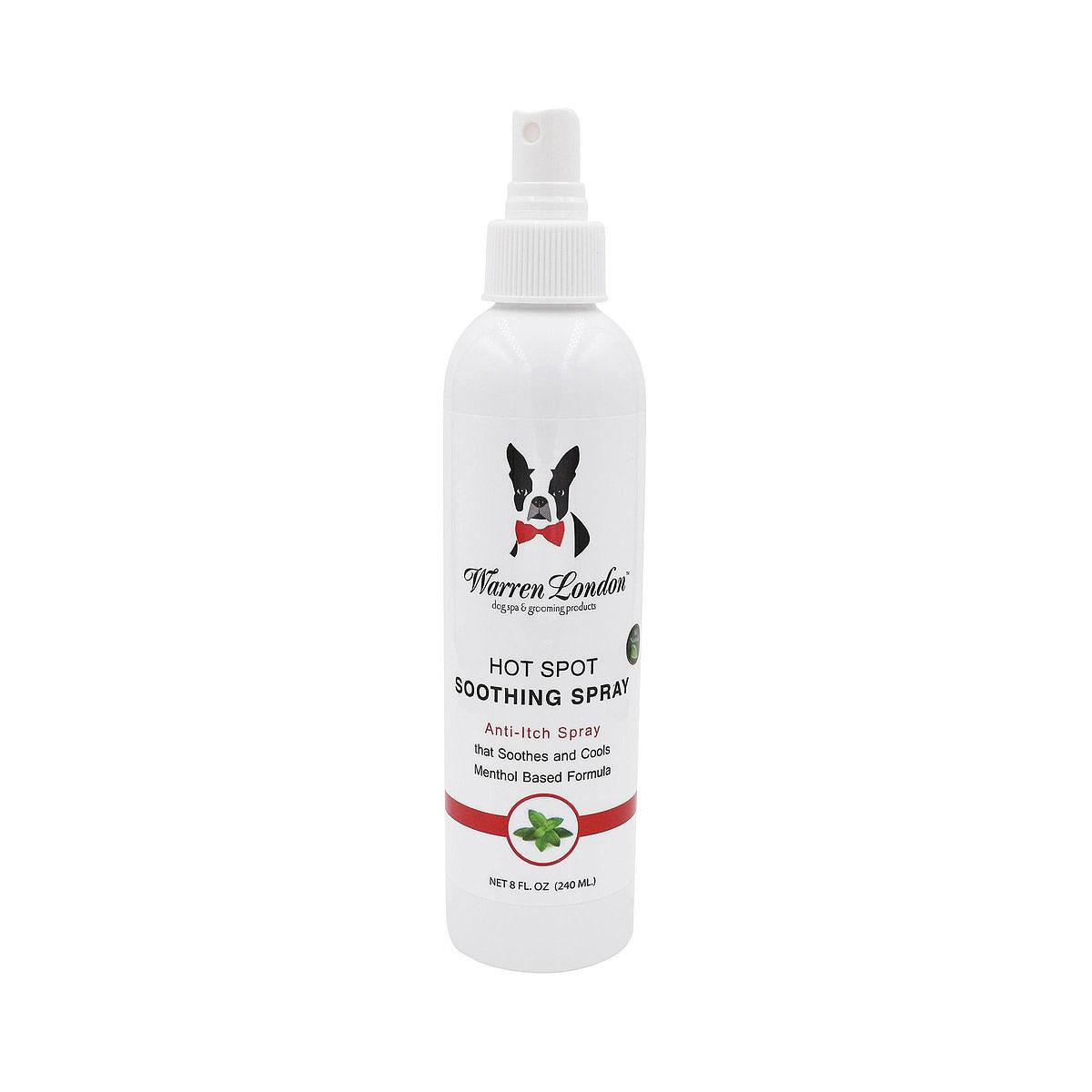
Sometimes, standard grooming and diet changes are not enough for cat dandruff removal. This is especially true if the dandruff is caused by a fungal or bacterial infection. In these cases, your veterinarian might suggest a medicated shampoo or a topical treatment. Our cat skin and coat care collection includes grooming and skin-care products for different needs.
Be very careful when choosing a cat shampoo. Never use human dandruff shampoo on a cat. Cats have a different skin pH than humans. Human products are too acidic and can cause chemical burns or severe irritation on a cat's sensitive skin. Always use a product specifically formulated for felines.
If your vet identifies parasites like mites or fleas, you will need a targeted treatment. Our Catego topical flea and tick treatment for cats is one product listed for feline parasite protection. Brands like Frontline and NexGard offer reliable protection. Treating the parasites is the only way to stop the dandruff they cause.
Vet Tip: Always follow the full course of any medicated treatment your vet prescribes, even if the skin looks better after just a few days. Stopping early can allow the infection or parasites to return.
Transitioning to a New Routine
Changing your cat's skin care routine should be done gradually. Cats are sensitive to change. If you are introducing a new food, mix it with their old food over seven to ten days. This prevents digestive upset.
The same applies to grooming. If your cat is not used to being brushed, start with just one minute a day. Praise them and give them treats. Slowly increase the time as they become more comfortable. For cat dandruff removal to be successful, it needs to be a stress-free part of their daily life.
Step 1: Evaluate the diet / Add omega supplements or wet food gradually.
Step 2: Increase grooming / Set a daily five-minute window for brushing.
Step 3: Monitor the environment / Add a humidifier if the air feels dry.
Step 4: Check for parasites / Ensure your flea and tick prevention is up to date.
Step 5: Consult a professional / Visit the vet if flakes persist or other symptoms appear.
Bottom line: Consistency is the most important factor when trying to improve your cat's coat and remove dandruff.
BaxterBoo Selection and Expert Care
At BaxterBoo, we have been helping pet owners care for their companions since 2006. We handpick every product in our warehouse to ensure it meets our standards for quality and safety. Whether you need a specific brush for a long-haired cat or a high-protein wet food to boost hydration, our team is here to help.
We carry over 500 trusted brands, making us a one-stop shop for all your cat's needs. From everyday grooming supplies to specialized prescription diets available through our pharmacy partnership, we aim to make pet care simple and affordable. Our MVP Rewards programme and Autoship programme help you save money while ensuring you never run out of the essentials your cat needs for a healthy, flake-free coat.
Summary of Cat Dandruff Removal
Removing dandruff from your cat's coat requires a multi-step approach. You must address the internal health of the cat through diet and the external health through grooming. Most cases of dandruff are not emergencies, but they are a signal that something in your cat's environment or routine needs to change.
- Start with daily brushing to distribute natural oils.
- Increase hydration by adding wet food or fish oil supplements.
- Monitor your cat's weight and mobility to ensure they can groom themselves.
- Rule out parasites like fleas and mites with a veterinary visit.
Bottom line: A combination of proper nutrition, consistent grooming, and veterinary guidance will resolve most cases of feline dandruff.
FAQ
Why does my cat have dandruff only on their lower back?
The lower back and base of the tail are the hardest areas for a cat to reach, especially if they have limited mobility. If a cat is overweight or has arthritis, they often stop grooming this area, leading to a build-up of dead skin and loose fur. Regular brushing by the owner is usually necessary to keep this specific spot clear of flakes.
Can I get rid of cat dandruff with a bath?
While a bath can help wash away existing flakes, it is rarely a permanent solution and can sometimes make the problem worse. Frequent bathing can strip the skin of its natural protective oils, leading to even more dryness and flaking. It is better to focus on brushing and nutrition unless your vet has prescribed a specific medicated shampoo for an infection.
Is cat dandruff contagious to humans or other pets?
Standard dandruff caused by dry skin or poor grooming is not contagious. However, if the dandruff is caused by parasites like fleas or "walking dandruff" mites, those can definitely spread to other pets and even cause itchy spots on humans. If you suspect parasites are the cause, it is important to treat all animals in the household and clean the environment thoroughly.
Will switching to wet food really help with my cat's dandruff?
Yes, wet food can significantly improve skin health because it increases your cat's overall water intake. Many cats live in a state of chronic mild dehydration because they do not drink enough from a water bowl. The extra moisture in wet food helps keep the skin cells hydrated from the inside out, which reduces the likelihood of the skin becoming dry and flaky.






- Site & Contents BaxterBoo.com. BaxterBoo is located in the United States.
- Privacy & Security
- Terms of Use
- Accessibility Statement
