
 Save 15% on your 1st Autoship learn more

 Email us
 Live Chat
 FAQs





Introduction
Petting your cat is one of the best parts of being a pet owner. Their fur is usually soft, sleek, and clean. You might feel a sudden change in texture or see small white flakes scattered across their coat during a grooming session. While these flakes are common, they often signal that your cat’s skin needs a little extra attention. At BaxterBoo, we know that seeing your cat uncomfortable is stressful for any owner. This guide covers the most effective home remedy for cat dandruff and explains when a simple change at home is enough. We will look at dietary shifts, grooming habits, and environmental changes to help your cat get back to their sleekest self. Understanding the root cause of these flakes is the first step toward a healthier coat.
Understanding Cat Dandruff versus Dander
It is important to know exactly what you are looking at when you see white specks on your cat. Many owners confuse dandruff with dander, but they are quite different. Dander consists of microscopic skin cells that all cats shed naturally. You cannot see individual pieces of dander with the naked eye. This is the material that often triggers allergies in humans.
Dandruff is different. These are larger, visible flakes of dead skin that have clumped together. While a few flakes might appear during a seasonal change, a large amount of dandruff usually indicates an issue. The skin might be too dry, or it could be too oily. In both cases, the natural cycle of skin cell replacement has been disrupted.
Quick Answer: Cat dandruff is visible white flakes of dead skin caused by dryness, poor grooming, or underlying health issues. Most mild cases respond well to increased hydration, regular brushing, and omega fatty acid supplements.
Cat Skin & Coat Care









Common Causes of Flaky Skin in Cats
You cannot find the right home remedy for cat dandruff without knowing why the flakes started. Cats are usually excellent at grooming themselves. If dandruff is building up, something is preventing them from maintaining their coat or their skin health is compromised.
Environmental Factors and Humidity
Low humidity is a frequent culprit for dry skin. This is especially true during winter months in the United States. When you turn on the heater, the air inside your home becomes very dry. This saps moisture from your cat's skin. Since cats spend most of their time indoors, they are highly susceptible to these environmental shifts.
Mobility and Weight Issues
If your cat is carrying extra weight, they may have trouble reaching certain spots. You will often see dandruff accumulate at the base of the tail or along the middle of the back. These are the hardest areas for a rounder cat to reach. Similarly, senior cats with arthritis may find the twisting required for grooming to be painful. When a cat stops grooming, dead skin cells and natural oils build up and turn into flakes.
Nutritional Deficiencies
A coat reflects what a cat eats. If their diet lacks essential fatty acids, their skin barrier becomes weak. This lead to moisture loss and flaking. Lower quality kibble often lacks the specific balance of Omega-3 and Omega-6 oils needed for a glossy coat. Exploring our cat food category can help you compare options for your cat’s routine.
Key Takeaway: Dandruff is often a symptom of an external problem like dry air or a physical limitation like obesity rather than just a skin disease.
The Best Home Remedy for Cat Dandruff: Hydration
The most effective way to treat dandruff from the inside out is through better hydration. Cats have a low thirst drive. In the wild, they get most of their water from their prey. A diet consisting only of dry kibble can leave a cat in a state of mild, chronic dehydration. This shows up first on the skin and coat.
Switching to Wet Food
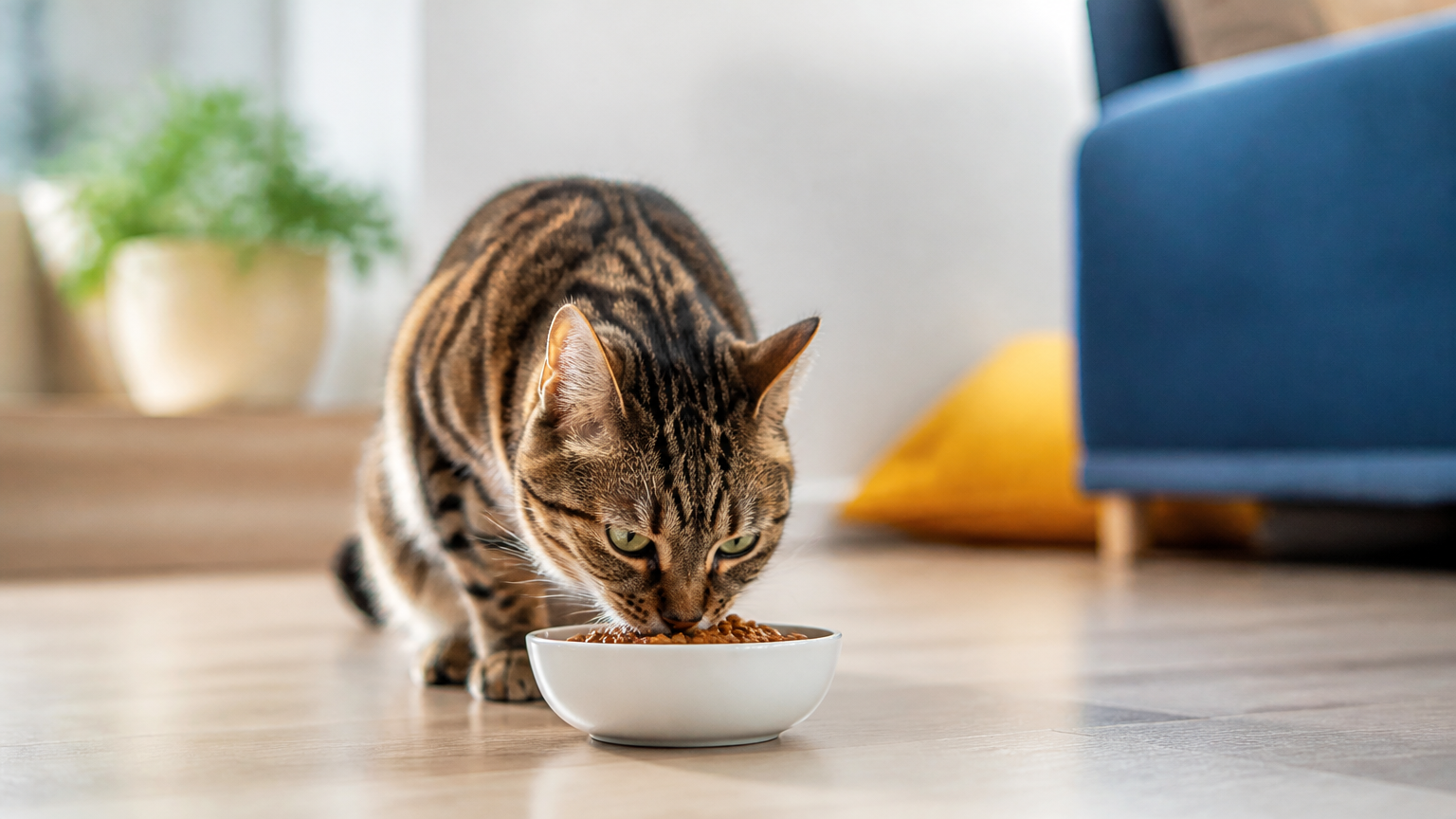
Transitioning your cat to a diet that includes canned food is a powerful home remedy. Wet food typically contains about 75 percent water. This provides a steady stream of hydration that a water bowl alone cannot match. If your cat is picky, try mixing a small amount of wet food into their kibble.
Using Water Fountains
Many cats prefer running water over standing water. A pet fountain encourages more frequent drinking. The sound of moving water triggers their natural instincts. This simple change can significantly improve their overall skin moisture levels.
Adding "Tuna Juice" or Broth
If your cat refuses to drink more, you can add a tablespoon of tuna juice to their water. Ensure it is tuna packed in water, not oil, and has no added salt. You can also use pet safe bone broth. This makes the water more enticing and provides extra nutrients for the skin.
Vet Tip: If your cat has chronic dandruff along with increased thirst or changes in urination, consult your veterinarian. These can be signs of underlying conditions like diabetes or kidney issues that require medical management.
Improving the Home Environment
Since dry air is a major cause of flaky skin, controlling the climate in your home is vital. This is a passive home remedy for cat dandruff that benefits everyone in the household.
Use a Humidifier
Placing a humidifier in the room where your cat spends the most time can work wonders. Aim for a humidity level between 40 and 50 percent. This prevents the skin from losing moisture to the air. You should notice a difference in the feel of their fur within a few weeks.
Avoid Over-Bathing
It is tempting to wash away the flakes with a bath. However, most cats do not need regular baths. Soap and water can actually strip away the natural oils that keep the skin supple. Unless your cat has gotten into something messy, skip the tub. If you must bathe them, use a soap free shampoo specifically formulated for cats with dry skin.
Grooming as a Remedy
Regular brushing is one of the most practical ways to manage dandruff. It mimics the natural grooming process that your cat might be missing. We recommend a consistent routine and our cat grooming supplies to keep the skin stimulated.
Step 1: Choose the right tool. / Use a soft bristle brush for short haired cats or a stainless steel comb for long haired cats.
Step 2: Brush in the direction of hair growth. / This removes loose fur and dead skin cells before they can clump into dandruff.
Step 3: Focus on hard to reach areas. / Spend extra time on the lower back and the base of the tail where flakes tend to settle.
Step 4: Keep sessions short and positive. / Use treats to make grooming a bonding experience rather than a chore.
Brushing does more than just remove flakes. It stimulates the blood flow to the surface of the skin. This encourages the production of natural oils. As you brush, these oils are distributed along the hair shaft. This creates a natural protective barrier and a healthy shine.
Essential Supplements for Skin Health
Sometimes, even a great diet needs a boost. Supplements are a popular home remedy for cat dandruff because they target the biological building blocks of the skin.
Omega-3 Fatty Acids
Fish oil is the gold standard for cat skin health. These fats reduce inflammation and help the skin retain moisture. You can find these in liquid pumps or chewable treats. Most cats enjoy the taste of salmon or pollock oil.
Vitamin E
Vitamin E is an antioxidant that protects skin cells from damage. It is often included in high quality skin and coat supplements. Check with your vet for the proper balance, as many supplements already combine Vitamin E with fish oils for maximum effect.
Key Takeaway: Consistency is vital. Most skin supplements take 4 to 6 weeks to show visible results in the coat.
When to Use the BaxterBoo Pharmacy
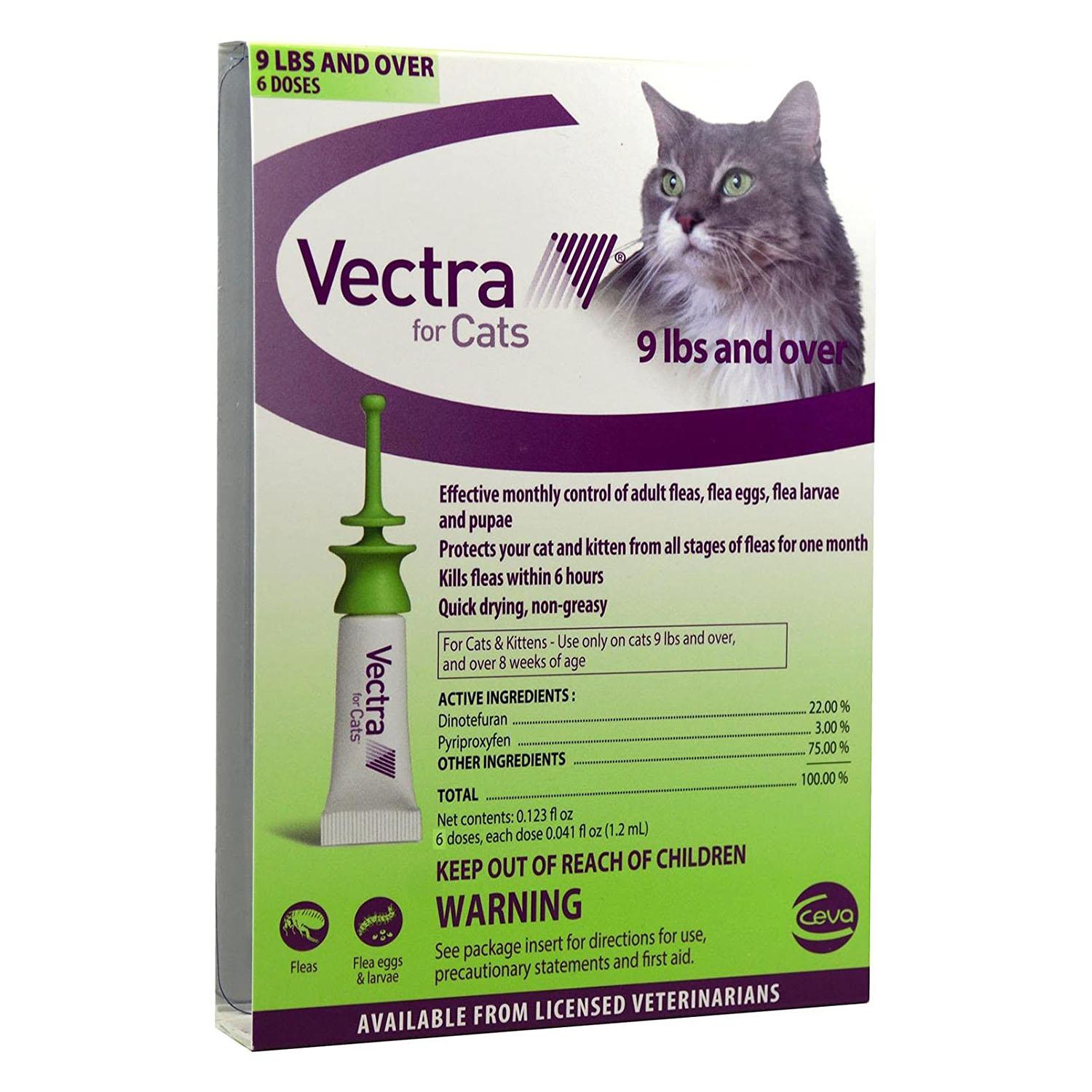
While many cases of flaky skin are minor, some require professional intervention. If your cat is scratching constantly or has red, inflamed skin, a home remedy may not be enough. Parasites like fleas or mites are common causes of dandruff that need specific medications.
Our pet pharmacy carries FDA approved treatments that can help. Through our partnership with Pet's Choice, we offer prescription flea and tick preventives that clear up parasite related dandruff quickly. If your vet determines that a food allergy is the cause, we also provide prescription diets. These specialized foods are formulated to remove common allergens and support the skin barrier.
Bottom line: If home remedies do not clear up the flakes within a month, it is time to talk to a vet about prescription options.
Identifying "Walking Dandruff"
There is one specific condition that looks like dandruff but is actually a parasite. Cheyletiella mites are often called "walking dandruff." If you look closely at the white flakes and see them moving, your cat has mites.
This condition is highly contagious to other pets and can even cause itchy spots on humans. You cannot treat this with simple brushing or hydration. It requires a dedicated anti-parasitic treatment. If you suspect mites, keep your cat away from other animals and schedule a vet visit immediately. You will likely need a prescription strength spot on treatment from a pharmacy to fully eradicate the mites.
Nutritional Checklist for a Flake-Free Coat
When reviewing your cat's food, look for these specific indicators of quality. A better diet is the most sustainable home remedy for cat dandruff.
- Real Animal Protein: The first ingredient should always be a named meat like chicken or salmon.
- Specific Fats: Look for added fish oil, flaxseed, or biotin on the label.
- Minimal Fillers: Avoid foods with excessive corn, wheat, or soy, which can trigger sensitivities.
- AAFCO Statement: Ensure the food is "complete and balanced" for your cat's life stage.
Managing Stress Related Skin Issues
Cats are sensitive creatures. Changes in the household can lead to stress, which often manifests as poor skin health. A new baby, a move, or even a new piece of furniture can cause a cat to over-groom or stop grooming altogether.
If you think stress is the cause, try to create a "safe zone" for your cat. Provide high perches and quiet hiding spots. Using pheromone diffusers can also help calm an anxious cat. When a cat feels safe, their grooming habits usually return to normal, and the dandruff clears up.
Summary of Home Care
Treating cat dandruff is usually a matter of improving daily routines. By focusing on hydration and regular grooming, you can solve most mild cases without stress.
- Increase water intake through wet food and fountains.
- Brush your cat daily to distribute natural oils.
- Add an Omega-3 supplement to their meal.
- Maintain a healthy weight to ensure they can groom themselves.
- Use a humidifier during dry winter months.
We invite you to explore our collection of grooming tools and supplements at BaxterBoo to support your cat's health. For those who need more targeted support, our pharmacy offers a range of prescription diets and medications through Pet's Choice. Keeping your cat flake-free is a journey, but with the right tools, it is a simple one.
FAQ
Can I use human dandruff shampoo on my cat?
No, you should never use human products on a cat. The pH balance of human skin is very different from a cat's skin. Human shampoos, especially medicated ones, contain ingredients like zinc or salicylic acid that can be toxic if your cat licks their fur. Always use a shampoo specifically formulated for felines.
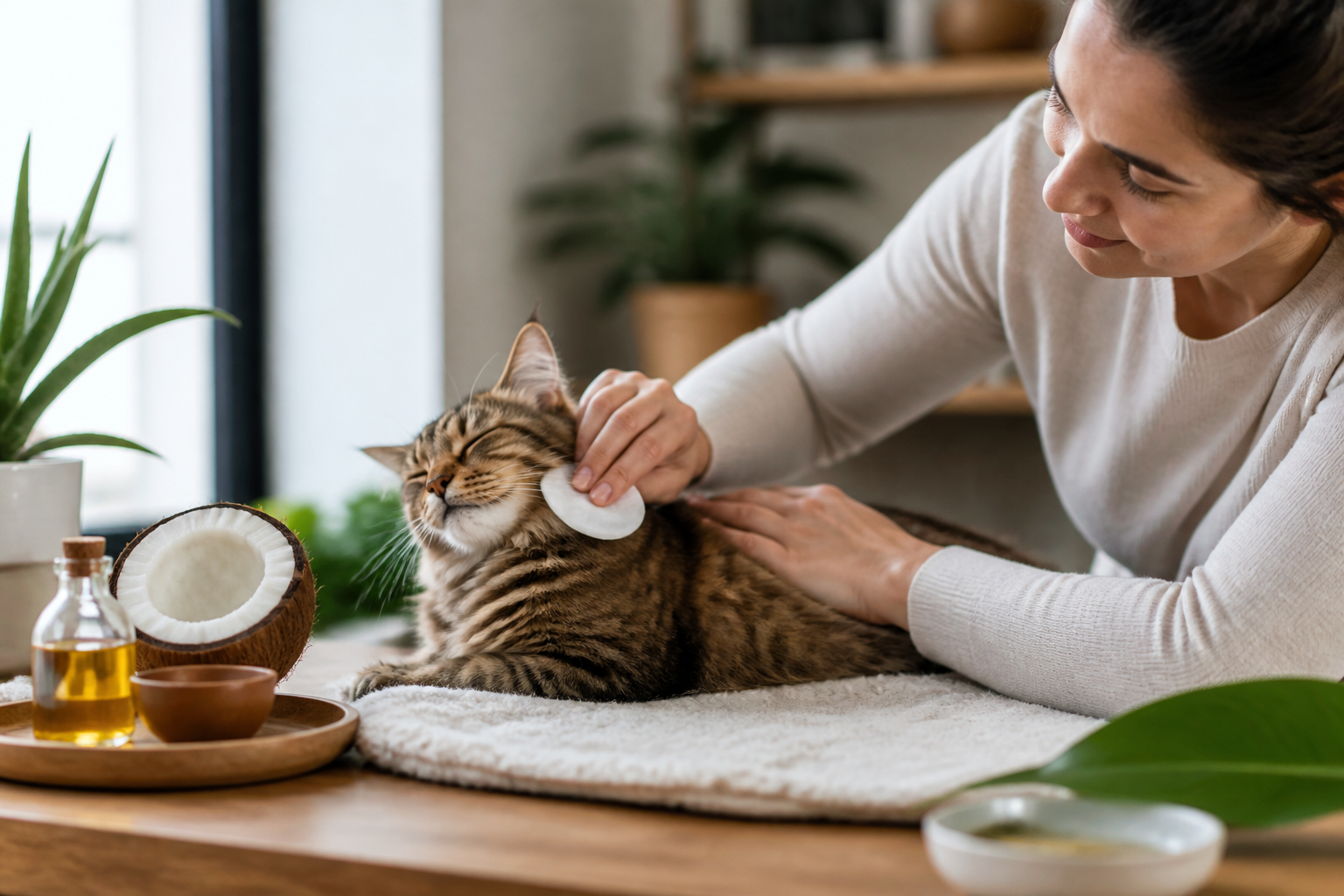
Is coconut oil a good home remedy for cat dandruff?
Coconut oil can be used as a topical treatment for very small dry patches, but it is not a total solution. Many cats will simply lick the oil off, which can lead to an upset stomach or weight gain. It is much more effective to provide fatty acids through their diet rather than applying oil to their fur.
How do I know if the dandruff is caused by fleas?
Flea dandruff is usually accompanied by "flea dirt," which looks like small black specks of pepper. If you see both white flakes and black specks, your cat likely has a flea infestation. You can check by using a fine-toothed flea comb and wiping the debris on a wet white paper towel. If the black specks turn red, it is flea dirt. Our cat flea and tick collection includes combs and topical options for flea-related concerns.
How long does it take for dandruff home remedies to work?
Skin cells take time to regenerate, so you should not expect an overnight fix. If you change your cat's diet or start a supplement, it usually takes about 3 to 6 weeks to see a significant improvement. Consistency is key during this time to ensure the new skin cells grow in healthy and hydrated. For recurring flea concerns, you can also read our guide to flea and tick prevention and how flea collars work.





- Site & Contents BaxterBoo.com. BaxterBoo is located in the United States.
- Privacy & Security
- Terms of Use
- Accessibility Statement
