
 Save 15% on your 1st Autoship learn more

 Email us
 Live Chat
 FAQs
FAQs





Introduction
You lean in for a morning nuzzle and your dog greets you with breath that smells less like a friend and more like a dumpster. Most of us have been there. While "dog breath" is often treated as a joke, it is usually the first sign that your pet needs a better oral hygiene routine. At BaxterBoo, we have spent nearly two decades helping pet owners navigate the overwhelming aisles of dental sprays, toothbrushes, and chews to find what actually works. Maintaining your dog's mouth is about more than just a fresh scent: it is about preventing systemic health issues and painful extractions. This guide covers the most effective tools, from enzymatic pastes to specialized diets, so you can choose the best dental care routine for your dog.
Quick Answer: The most effective tools to clean dog teeth include a dog-specific toothbrush, enzymatic toothpaste formulated for pets, and dental wipes. For dogs that resist brushing, you can use water additives, dental chews, and prescription dental diets to help reduce plaque and tartar buildup.
The Foundation of Dog Dental Care: Brushes and Paste
Brushing is the gold standard for canine oral health. It is the only way to physically scrub away the sticky film known as plaque before it hardens into tartar. Once plaque mineralizes into tartar, or calculus, it cannot be removed with a brush: only a professional veterinary cleaning can scrape it away.
Choosing the Right Toothbrush
You should never use a human toothbrush for your dog. Human brushes are often too large and have bristles that are too stiff for a dog's delicate gums. We recommend choosing a brush based on your dog's size and temperament:
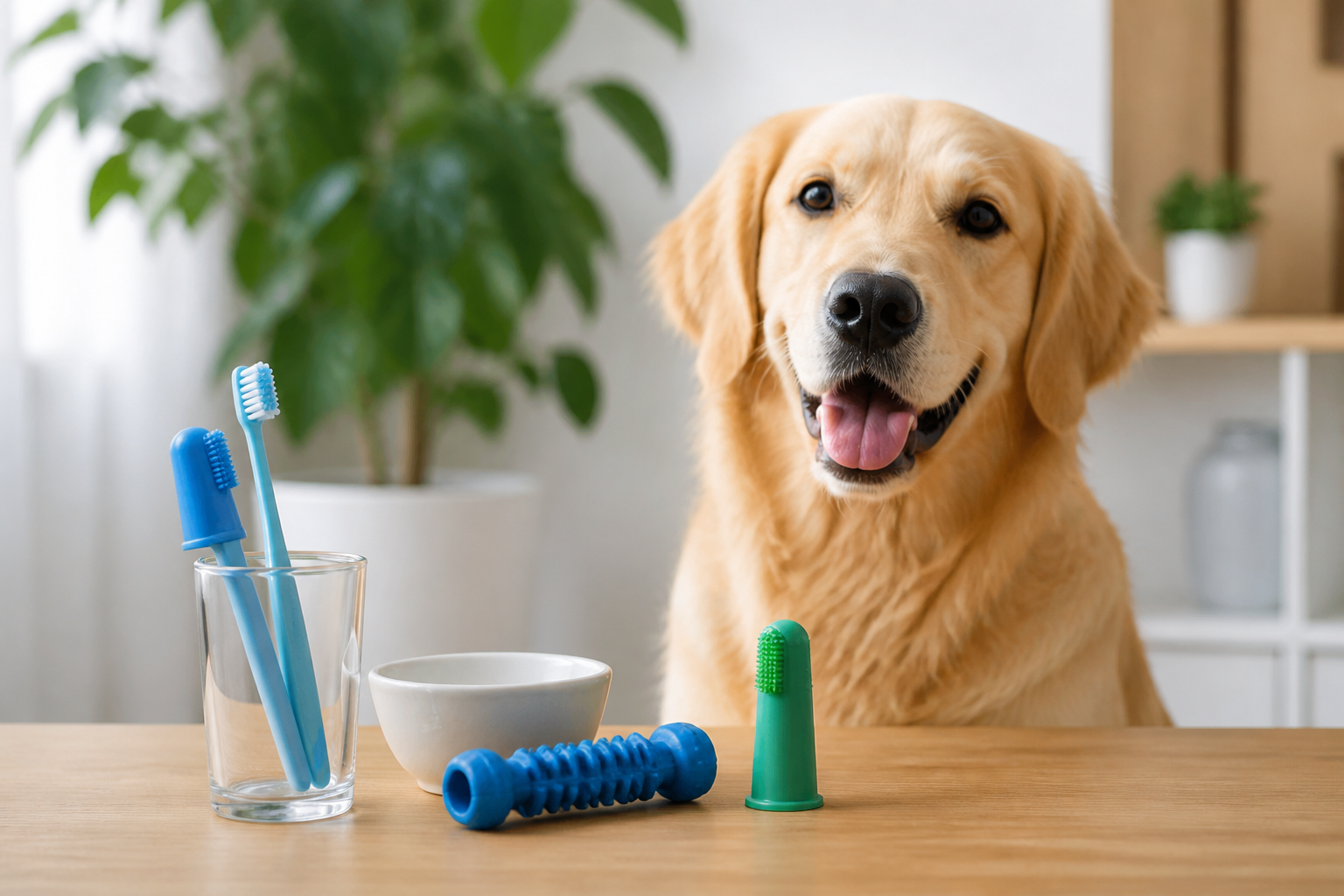
- Finger Brushes: These are small silicone or rubber caps that fit over your index finger. They are excellent for puppies or dogs that are nervous about having objects in their mouth because you can feel exactly where the brush is.
- Double-Headed Brushes: These have two sets of bristles at different angles to clean the front and back of the teeth at the same time. These are great for dogs that do not have much patience for long sessions.
- Small-Headed Brushes: For toy breeds like Chihuahuas or Yorkies, a brush with a very small, angled head is necessary to reach the back molars in a cramped mouth.
For more options, browse our dog grooming supplies, including pet toothbrushes.
The Dangers of Human Toothpaste
If there is one rule to remember, it is this: never use human toothpaste on a dog. Human toothpaste often contains xylitol, an artificial sweetener that is highly toxic to dogs and can cause liver failure or life-threatening drops in blood sugar. It also contains foaming agents like Sodium Lauryl Sulfate that are meant to be spit out. Dogs swallow everything, and these chemicals can cause severe stomach upset.
Instead, use an enzymatic toothpaste designed specifically for pets. These pastes contain enzymes that break down food particles and bacteria even if you only manage to get a small amount on the teeth. Most dog toothpastes come in flavors like poultry, beef, or peanut butter to make the experience a treat rather than a chore.
Vet Tip: If your dog has red, swollen, or bleeding gums, do not start a vigorous brushing routine. These are signs of active periodontal disease and brushing may be painful. Consult your veterinarian for a dental exam first to ensure it is safe to proceed with home care.
Alternatives for Dogs That Hate Brushing
Not every dog will sit still for a toothbrush. If you are struggling with a wiggly pet, there are other effective ways to manage their oral hygiene. Consistency is more important than the specific tool you use.
Dental Wipes
Dental wipes are pre-moistened pads that you wrap around your finger. They are textured to help rub away plaque. While they do not reach into the tiny crevices between teeth as well as a brush, they are much better than doing nothing. Wipes are often treated with baking soda or enzymes to help neutralize odors and kill bacteria on the surface of the teeth.
Dental Gels and Sprays
Topical gels are designed to be applied directly to the gum line. Many formulas do not even require a brush: the dog's natural saliva moves the gel around the mouth. These are especially useful for senior dogs or pets with sensitive mouths. Sprays work in a similar way, though some dogs find the "hiss" of a spray bottle intimidating.
You can compare brushless options in our dog dental care collection.
Step-by-Step Transition to Brushing
- The Taste Test: Let your dog lick a small amount of poultry-flavored toothpaste off your finger for a few days.
- The Touch: Rub your finger along their gums and teeth while they lick the paste to get them used to the sensation.
- The Introduction: Show them the brush or wipe and let them sniff it. Put a little paste on it and let them lick it off.
- The Scrub: Gently lift the lip and brush the large canine teeth in a circular motion for a few seconds.
- The Reward: Always follow a dental session with praise or a small dental treat.
Key Takeaway: While brushing is the most effective method, dental wipes and enzymatic gels provide a helpful alternative for pets that are sensitive to traditional toothbrushes.
For additional guidance on recognizing oral health concerns, read our tips for spotting warning signs of bad teeth in dogs.
What to Use to Clean Dog Teeth Through Diet
What your dog eats every day has a significant impact on their dental health. While most people believe that any dry kibble cleans teeth, that is not strictly true. Most kibble is small and shatters instantly when a dog bites it, providing very little abrasive action.
Specialized Dental Diets
Certain premium brands like Royal Canin and Farmina offer specialized dental diets. These kibbles are usually much larger than standard food. They are designed with a specific fiber matrix that does not shatter immediately. Instead, the tooth sinks into the kibble, allowing the edges of the food to "scrub" the tooth surface like a squeegee.
Our pharmacy at BaxterBoo carries prescription dental diets through our partnership with Pet's Choice. If your veterinarian recommends a specific medical diet for your dog's oral health, you can fulfill that prescription through our pet pharmacy. Prescription diets are often formulated to change the chemical composition of the saliva, making it harder for plaque to stick to the teeth.
Dental Chews and Treats
Dental treats like Greenies or Kong dental toys are popular for a reason. They are designed to encourage prolonged chewing. This mechanical action helps scrape away debris. Look for the Veterinary Oral Health Council (VOHC) seal on packaging. This seal indicates that the product has met specific standards for reducing plaque or tartar in clinical trials.
Browse our dental supplements and oral care options to find products that fit your dog's routine.
A Note on Raw Bones
Many owners use raw, meaty bones to keep teeth white. While the "gnawing" action is excellent for cleaning, bones come with risks. They can cause tooth fractures if the bone is too hard, and cooked bones are strictly off-limits because they can splinter and cause internal damage. Always supervise your dog with any chew and talk to your vet before introducing bones into their routine.
Bottom line: Prescription dental diets and VOHC-approved chews provide mechanical and chemical cleaning that complements your daily brushing efforts.
Water Additives and Oral Rinses
For the most effortless way to support oral health, consider water additives. These are liquid solutions that you pour directly into your dog's water bowl. They are usually odorless and tasteless, so most dogs do not even notice they are there.
Water additives work by using ingredients like chlorhexidine or zinc gluconate to kill the bacteria that cause plaque and bad breath. They are particularly effective at reaching the entire mouth, including the tongue and the very back of the throat. However, they should not be the only tool you use. Think of them like a mouthwash for humans: they are a great supplement, but they cannot replace the physical act of brushing.
When to Use Oral Rinses
Vets often recommend specialized oral rinses after a professional dental cleaning or surgery. These rinses are more concentrated than water additives and are applied directly to the gums to help prevent infection and reduce inflammation. If your dog is prone to chronic gingivitis, a daily rinse can be a very effective part of their health management.
For more ideas, see these pet dental care tips.
Key Takeaway: Water additives are a "hands-off" way to reduce bacteria levels in the mouth and should be used alongside mechanical cleaning methods like brushing or chewing.
Signs Your Dog Needs Professional Care
No matter how diligent you are with at-home cleaning, most dogs will eventually need a professional cleaning. Small breeds and dogs with crowded teeth are especially prone to dental issues. Knowing when to stop the DIY methods and call the vet is vital for your dog's comfort.
Red Flags for Dental Disease
If you notice any of the following, it is time to schedule a veterinary exam:
- Persistent Bad Breath: If the smell does not improve after brushing or using additives, it may indicate an infection deep in the gums.
- Difficulty Eating: Dropping food, chewing on only one side of the mouth, or whining while eating are signs of dental pain.
- Discolored Teeth: Yellow or brown deposits that do not brush away are tartar, which requires professional scaling.
- Bleeding Gums: Seeing blood on a chew toy or in the water bowl is a sign of advanced gingivitis.
- Lumps or Bumps: Any unusual growths on the gums or under the tongue need immediate veterinary attention.
Professional Cleaning and the Pharmacy
A professional dental cleaning is performed under anesthesia. This allows the vet to take X-rays to see what is happening beneath the gum line, where 60 percent of dental disease hides. They use ultrasonic scalers to remove tartar and then polish the teeth to smooth out micro-scratches where bacteria could hide.
Following a professional cleaning, your vet might prescribe antibiotics or pain relief. BaxterBoo offers these FDA-approved medications through our pharmacy partnership. Managing your dog's recovery with the right medications ensures that their mouth heals quickly and they can return to their normal routine.
Vet Tip: Annual dental checkups are the best way to catch problems before they lead to expensive surgeries. Many pet insurance plans, such as those through our partner FIGO, can help cover the costs of dental emergencies or illnesses.
Making Dental Care a Habit
The key to success is not finding a "miracle" product, but rather finding a routine you can actually stick to. If you try to brush your dog's teeth every single day and it feels like a battle, you will eventually quit. Instead, aim for three times a week and supplement the other days with dental chews and water additives.
At BaxterBoo, we want to make it easy to keep your pet healthy. Programs like our Autoship programme allow you to have your favorite dental treats and toothpaste delivered on a regular schedule, so you never run out. Plus, our MVP Rewards program lets you earn points on every dental care purchase, which can be used for future savings.
Keeping your dog's teeth clean is one of the best things you can do for their longevity. Bacteria from the mouth can enter the bloodstream and affect the heart, liver, and kidneys. By spending five minutes a day on their oral health, you are investing in many more years of healthy, happy cuddles.
Bottom line: A multi-modal approach combining brushing, specialized food, and professional veterinary oversight is the most effective way to manage your dog's dental health.
Summary of Dental Cleaning Tools
| Tool Type | Best For | Effectiveness | Ease of Use |
|---|---|---|---|
| Toothbrush & Paste | Removing active plaque | High | Moderate (requires training) |
| Dental Wipes | Quick daily maintenance | Moderate | Easy |
| Water Additives | Breath freshening | Low (on plaque) | Very Easy |
| Dental Chews | Mechanical scraping | Moderate | Very Easy |
| Prescription Diets | Dogs prone to tartar | High | Very Easy |
FAQ
Can I use baking soda to clean my dog's teeth?
While baking soda is an ingredient in some pet toothpastes, using it straight from the box is not recommended. It has a very salty taste that most dogs dislike and can cause an upset stomach if swallowed in large quantities. It also lacks the beneficial enzymes found in formulated dog toothpastes that help break down bacteria.
How often do I really need to brush my dog's teeth?
Ideally, you should brush your dog's teeth every day to prevent plaque from hardening into tartar. However, we know that is not always realistic for busy owners. Aiming for at least three times a week is usually enough to significantly reduce the risk of dental disease when combined with other tools like dental chews.
My dog's breath still smells after brushing. What should I do?
Persistent bad breath despite regular brushing is often a sign of periodontal disease below the gum line or an internal health issue. You should schedule a visit with your veterinarian for a thorough exam. Our pharmacy carries medications and specialized diets that may be part of a treatment plan for chronic oral health issues.
Are dental chews enough to keep teeth clean without brushing?
Dental chews are a helpful supplement, but they are rarely enough on their own. They primarily clean the chewing surfaces of the back molars and do very little for the teeth at the front of the mouth. For the best results, use chews as a "helper" alongside regular brushing or the use of dental wipes.






