
 Save 15% on your 1st Autoship learn more

 Email us
 Live Chat
 FAQs
FAQs





Introduction
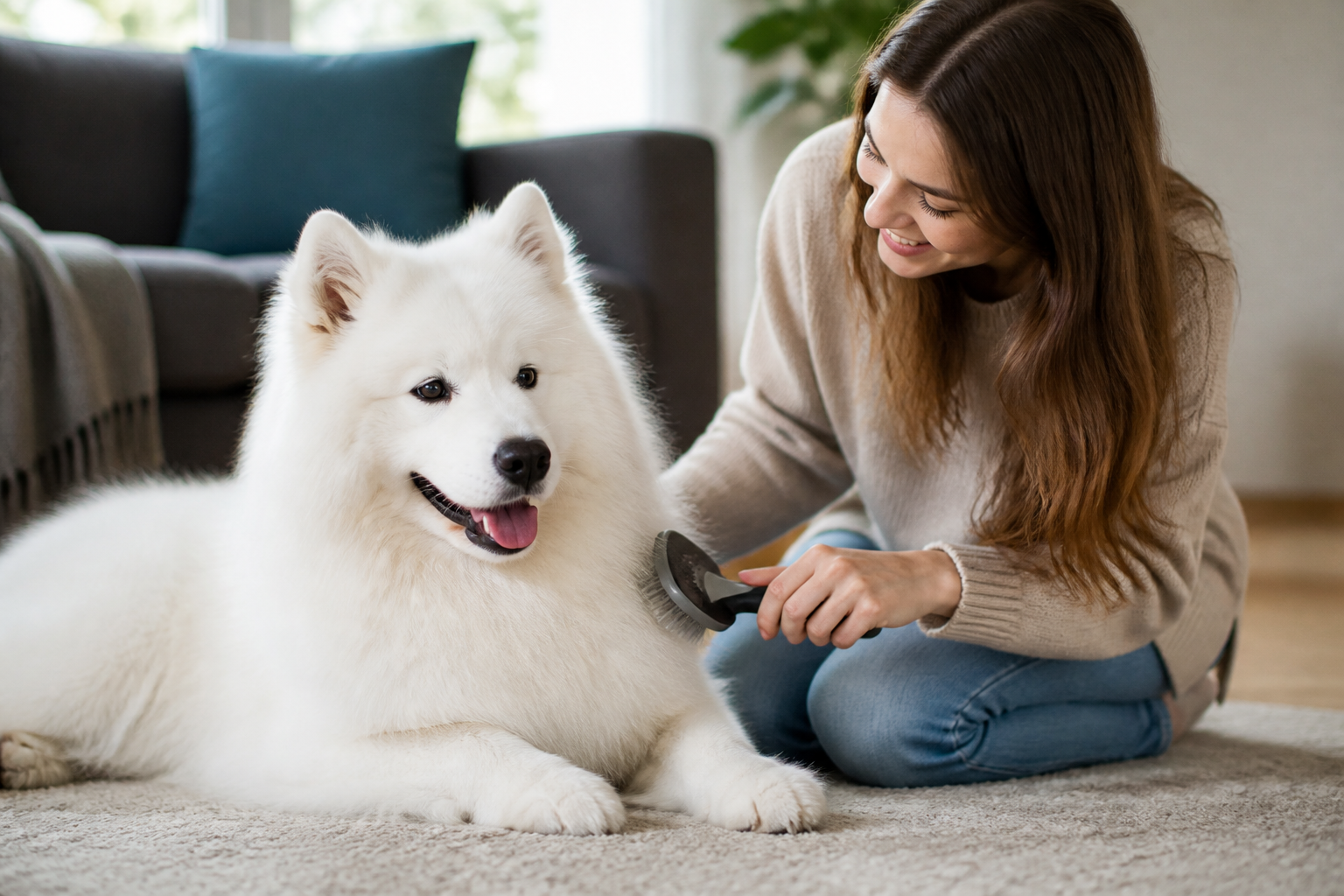
If you share your home with a Husky, a Golden Retriever, or a German Shepherd, you already know the specific struggle of the "fur tumbleweed." You sweep the floor in the morning only to find a fresh layer of fuzzy insulation under the dining table by noon. This is the reality of living with a double-coated dog. These breeds have unique grooming needs that a standard brush simply cannot handle.
At BaxterBoo, we have spent years helping pet parents navigate the challenges of heavy shedding and undercoat maintenance. Choosing the right tool is the difference between a quick grooming session and a frustrated afternoon of pulling at tangles. This guide will help you understand the anatomy of your dog's fur and identify exactly which tools will keep your home cleaner and your pet more comfortable. Mastering the double coat requires a specific strategy and the right set of brushes to reach through the top layer.
Understanding the Double Coat Anatomy
Before you can choose the best brush, you need to understand what you are actually brushing. A double coat consists of two distinct layers that serve very different purposes.
The topcoat is made of "guard hairs." These are the longer, coarser hairs that you see and feel when you pet your dog. Their job is to repel water, block UV rays, and protect the skin from physical debris like thorns or dirt. This layer does not shed as frequently and stays relatively consistent throughout the year.
Underneath those guard hairs lies the undercoat. This layer is soft, dense, and woolly. It acts like a thermal base layer, trapping air to keep the dog warm in the winter and cool in the summer. This is the layer responsible for the massive "coat blow" that happens twice a year. When this hair dies, it often gets trapped under the guard hairs rather than falling straight to the ground. If you do not remove it, it becomes compacted, leading to painful mats and skin irritation.
Key Takeaway: Brushing a double-coated dog is a two-part job. You must use tools that can penetrate the protective topcoat to reach the dense undercoat where shedding starts.
The Undercoat Rake: Your Most Important Tool
If you only buy one specialized tool for a double-coated breed, it should be an undercoat rake. This tool looks like a small gardening rake with a single or double row of metal tines. Unlike a standard hairbrush, the teeth are designed to bypass the topcoat guard hairs and hook into the loose, dead fluff of the undercoat.
When shopping for a rake, look for one with rounded tips. This ensures that you do not scratch or irritate the dog's skin while you work. The length of the tines should match the length of your dog's fur. A Siberian Husky will need longer tines than an Australian Cattle Dog.
We carry various styles of rakes that cater to different coat densities. The goal is to glide the rake through the fur with minimal resistance. If the rake catches, it means you have found a knot or a section of compacted undercoat that needs more focus.
Quick Answer: The best brush for a double-coated dog is an undercoat rake. It is specifically designed to reach through the topcoat and pull out the dead, shedding fur from the insulating underlayer without damaging the guard hairs.
The Slicker Brush for Daily Maintenance
While the rake does the heavy lifting, the slicker brush is your daily workhorse. These brushes have a flat or slightly curved head with rows of thin, wire pins. The pins are usually angled to help grab loose hair and debris from the surface and middle layers of the coat. You can compare options in our dog brushes and combs collection.
Slicker brushes are excellent for removing small tangles before they turn into mats. They are also perfect for "fluffing" the coat after a deep rake session. When using a slicker brush, use short, gentle strokes. Because the pins are thin and can be sharp, you should avoid pressing too hard against the skin.
How to Use a Slicker Brush Effectively
- Start at the rear of the dog and work forward.
- Brush in the direction of hair growth.
- Use a "tap and pull" motion rather than a long, dragging stroke.
- Clear the brush head frequently to keep the pins effective.
The Metal Comb for Quality Control
A high-quality metal comb is often overlooked, but it is the secret weapon of professional groomers. These combs usually have wide-spaced teeth on one end and finer teeth on the other. After you think you are finished brushing with your rake and slicker, run the metal comb through the fur.
If the comb glides through from the skin to the tips of the hair, you have successfully removed all the loose undercoat. If the comb snags, there is still dead hair or a small mat hiding deep near the skin. This "quality control" step prevents "felted" mats from forming, which are very difficult to remove once they become solid.
Vet Tip: If you notice your dog's skin is red, flaky, or has an unusual odor while brushing, consult your veterinarian. These can be signs of underlying allergies or infections that require professional diagnosis and treatment.
De-Shedding Tools and Blades
Many owners reach for specialized de-shedding blades or tools like the Furminator. These tools are incredibly effective at removing massive amounts of hair in a short time. They feature a fine-toothed metal edge that catches the undercoat. For additional guidance, read how Australian Shepherds shed and how to manage their coats.
However, these should be used with caution. Because the teeth are so close together, they can occasionally cut or "bulk" the topcoat if used too aggressively. For many double-coated breeds, using a de-shedding tool once a week during peak shedding season is plenty. For the rest of the year, stick to the rake and slicker brush to maintain the integrity of the guard hairs.
Tips for Using De-Shedding Blades
- Always use the tool on a completely dry coat.
- Do not stay in one spot for too long to avoid "brush burn."
- Use very light pressure. Let the weight of the tool do the work.
- Avoid sensitive areas like the belly, ears, and "trousers" unless the tool is specifically designed for them.
The Importance of Line Brushing
For dogs with very thick coats, like the Great Pyrenees or Old English Sheepdog, surface brushing is not enough. You must use a technique called line brushing. This ensures that you are reaching the skin and not just smoothing over the top of a giant mat.
To line brush, use one hand to push the hair up and away, exposing a "line" of skin. Use your other hand to brush the hair downward from that line. Work your way across the dog in sections. This methodical approach is the only way to guarantee that the undercoat is fully thinned and ventilated.
Bottom line: Line brushing is the most effective way to prevent mats in thick, double-coated breeds by ensuring no section of the undercoat is missed.
Why You Should Never Shave a Double Coat
It is tempting to shave a heavy-coated dog in the summer, thinking it will help them stay cool. However, this is one of the biggest mistakes you can make with a double-coated breed. Shaving actually interferes with the dog's ability to regulate their temperature.
The undercoat protects them from the heat, and the topcoat protects them from the sun. Without these layers, the dog is at a higher risk of heatstroke and painful sunburns. Furthermore, the hair may not grow back the same. Often, the soft undercoat grows back faster than the guard hairs, leading to a patchy, velcro-like texture that mats even more easily than before.
- Shaving removes the natural insulation against heat.
- It exposes skin to harmful UV rays.
- It can cause permanent damage to the coat's texture.
- It does not actually stop shedding; the hairs just become shorter.
Grooming from the Inside Out
A healthy coat starts with proper nutrition. If your dog's skin is dry or their fur is brittle, no amount of brushing will make it look perfect. High-quality food rich in Omega-3 and Omega-6 fatty acids supports skin elasticity and hair strength.
Our pharmacy offers a range of FDA-approved treatments and prescription diets for dogs with chronic skin conditions or allergies. Through our partnership with Pet's Choice, we can help you manage your pet's skin health with the same convenience as your regular pet supplies. If your dog is constantly itchy or has "hot spots," they may need more than just a new brush. Visit our dog pharmacy for prescription products recommended by your veterinarian.
Key Takeaway: Healthy skin produces a healthy coat. Combine a regular grooming routine with high-quality nutrition and supplements to reduce excessive, brittle shedding.
Bathing and the Double Coat
Bathing a double-coated dog is a major undertaking. The water often rolls right off the guard hairs, making it difficult to get the undercoat wet. When you do get them wet, they can take hours or even a full day to dry completely. For more bathing guidance, see these dog bathing dos and don'ts.
Always brush your dog thoroughly before a bath. If you get a mat wet, it acts like a sponge and tightens as it dries, making it nearly impossible to remove. Use a high-velocity dryer if possible to "blast" the water and loose undercoat out of the fur. This is a favorite trick of professional groomers to manage shedding.
Bathing Checklist for Heavy Shedders
- Brush out all mats before the dog gets wet.
- Use a de-shedding shampoo to help loosen the undercoat.
- Rinse twice to ensure no soap is trapped in the dense fur.
- Dry the dog completely to prevent "damp dog" smell and skin infections.
Managing the Fur in Your Home
Even with the best brushes, you will still deal with some hair. Making grooming a positive experience will encourage your dog to sit still longer, allowing you to get more hair off them and less on your rug.
We recommend using a grooming table or a specific "grooming spot" in your house. This helps your dog understand that it is time to work. Offering high-value treats during the process can turn a chore into a bonding activity. For many owners, our Autoship program is a great way to ensure they never run out of the treats, shampoos, and replacement brush heads they need for their weekly routine.
Signs You Need a Professional Groomer
While most double-coat maintenance can happen at home, there are times when you should seek professional help. If your dog has become severely matted or "pelted," do not try to cut the mats out with scissors. A dog's skin is very thin and can easily be cut.
A professional groomer has high-powered dryers and specialized tools that can safely remove heavy matting. They can also perform "sanitary trims" and "paw pad trims" that are difficult to do at home. If you are overwhelmed by the seasonal coat blow, a "de-shedding treatment" at a salon can give you a massive head start.
Vet Tip: If your dog experiences sudden, patchy hair loss or develops bald spots, this is not normal shedding. Schedule an appointment with your vet to rule out thyroid issues, parasites, or skin infections.
Summary of Essential Tools
Building a grooming kit for a double-coated dog does not have to be expensive, but it must be intentional. Focus on quality over quantity. A few well-made tools will last the life of your dog.
- Undercoat Rake: For deep shedding and undercoat removal.
- Slicker Brush: For daily surface brushing and smoothing.
- Metal Comb: For checking your work and detangling small knots.
- De-shedding Tool: For seasonal use during heavy shedding.
- Bristle Brush: Optional, for adding shine to the topcoat.
Bottom line: Consistency is more important than the length of the session. Ten minutes of brushing three times a week is more effective than an hour-long session once a month.
Conclusion
Managing a double-coated dog is a commitment, but the reward is a beautiful, healthy pet and a much cleaner home. By using an undercoat rake to reach the source of the shedding and a slicker brush for daily maintenance, you can stay ahead of the fur. Remember that the coat serves a vital purpose in protecting your dog from the elements, so treat it with care. Explore our full collection of dog grooming tools and brushes to find the perfect match for your dog's specific coat type.
If you notice skin irritation or persistent itching, our pharmacy is here to provide the medications and prescription diets your vet recommends. Keeping your dog comfortable is a team effort between grooming, nutrition, and veterinary care.
FAQ
How often should I brush my double-coated dog?
For most double-coated breeds, you should aim for a thorough brushing session at least two to three times a week. During the heavy shedding seasons of spring and fall, you may need to brush them daily to keep up with the dead undercoat. Regular sessions prevent mats from forming and reduce the amount of hair that ends up on your furniture.
Can I use a human hairbrush on my dog?
It is not recommended to use human brushes on double-coated dogs because the bristles are not designed to penetrate thick fur. Human brushes often have small plastic balls on the tips of the pins which can snag and pull on a dog's dense undercoat. Dog-specific tools like undercoat rakes and slicker brushes are much more efficient and comfortable for the animal.
What is the best way to remove a mat from a double coat?
The best way to remove a mat is to use a metal comb or a de-matting tool to slowly tease the fibers apart. Start at the end of the hair furthest from the skin and work your way inward. Never use scissors to cut a mat out, as it is very easy to accidentally snip the dog's skin. If a mat is too tight to brush out, consult a professional groomer.
Why does my dog still shed so much even after I brush them?
Double-coated dogs have thousands of hairs per square inch, and they are constantly in various stages of the growth cycle. Brushing removes the dead hair, but more is always ready to take its place. If the shedding seems excessive, ensure you are using an undercoat rake to reach the bottom layer, and consider adding a skin and coat supplement to their diet.






