Save 15% on your 1st Autoship learn more

 Email us
 Live Chat
 FAQs
FAQs





Introduction
You are enjoying a quiet moment petting your cat when you notice a dusting of white flakes along their lower back. It looks like a light sprinkle of salt against their fur. While a few flakes might seem like a minor cosmetic issue, they often signal that your cat’s skin needs a little extra attention. At BaxterBoo, we understand that changes in your cat’s coat can be a bit worrying for any pet parent. This post covers the common causes of feline flakes, the difference between normal shedding and actual skin issues, and practical ways to restore that healthy shine. Our goal is to help you determine if those flakes are a result of dry winter air or something that requires a trip to the vet. Understanding the root cause of cat dandruff and dry skin is the first step toward making your pet comfortable again.
Understanding the Difference Between Dander and Dandruff
Before you start searching for remedies, it is important to know exactly what you are looking at. Many people use the terms dander and dandruff interchangeably, but they are quite different in the world of feline health. Dander is a completely normal part of a healthy cat’s life. It consists of microscopic skin cells that shed naturally as the skin renews itself. You generally cannot see dander with the naked eye, even though it is the primary culprit for human allergies.
Dandruff, on the other hand, is visible. It occurs when the skin’s renewal process speeds up or when dead skin cells clump together. This results in the white or gray flakes you see on the surface of the fur or on your furniture. If you can see the flakes, it is officially dandruff. This visible flaking is often a sign that the skin barrier is struggling or that the cat is unable to keep up with their usual grooming routine.
Quick Answer: Cat dander is microscopic and normal for all healthy cats. Cat dandruff consists of visible white flakes that indicate an underlying issue like dry air, poor nutrition, or a medical condition.
Why Dandruff Appears
The skin is the largest organ of the body. It relies on a delicate balance of moisture and oils to stay flexible and protective. When that balance is disrupted, the top layer of skin cells dies and sheds more rapidly than usual. This can happen if the air is too dry, if the cat is not eating enough healthy fats, or if an underlying illness is affecting their metabolism.
Identifying Other Symptoms
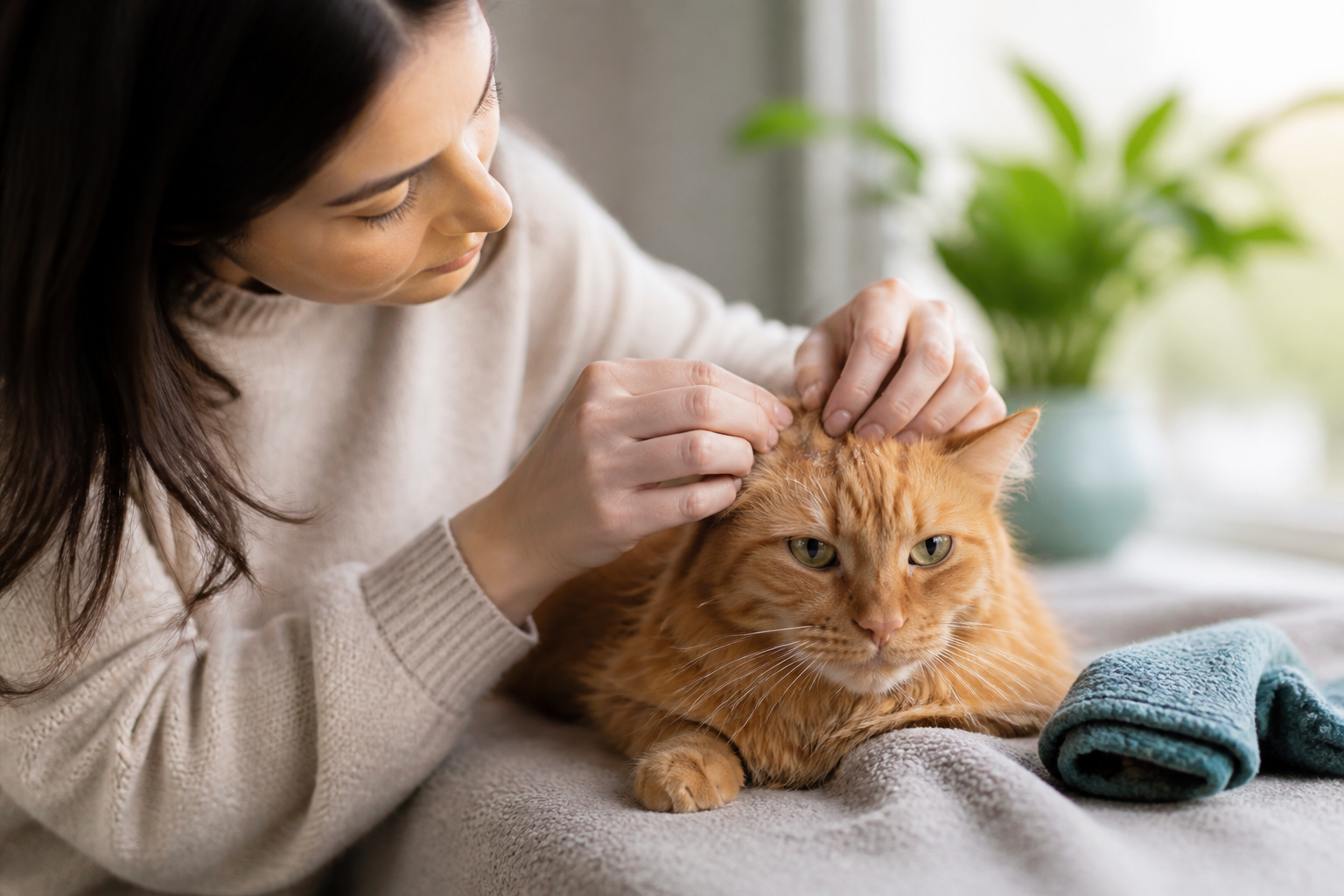
Dandruff rarely travels alone. When you notice flakes, take a closer look at the rest of your cat’s skin and coat. You might notice that the fur feels greasy or looks dull. You should also watch for signs of discomfort. If your cat is scratching more than usual or has red patches of skin, the dandruff is likely a symptom of a larger inflammatory issue. Our cat skin and coat care collection includes grooming and skin-care products for cats with these concerns.
Environmental Causes of Dry Skin
Just like people, cats are sensitive to the environment around them. The most common environmental cause of dry skin is low humidity. This is especially prevalent during the winter months in the United States when central heating systems are running constantly. Forced air heat strips moisture from the environment, which in turn dries out your cat's skin.
If your cat spends a lot of time lounging near a radiator or a heat vent, they are even more likely to develop localized dry patches. The heat causes the moisture in the skin to evaporate quickly, leaving behind a trail of flakes. In these cases, the dandruff is usually a seasonal problem that clears up once the weather turns humid again.
The Role of Air Quality
Dust and allergens in the home can also play a part. Cats that are sensitive to mold, dust mites, or strong cleaning chemicals may develop skin irritation that leads to flaking. If you have recently changed your laundry detergent or started using a new floor cleaner, keep an eye on your cat’s skin.
Key Takeaway: Seasonal changes and indoor heating are major contributors to dry feline skin. Maintaining humidity in the home can often solve mild cases of winter dandruff.
Simple Environmental Fixes
- Place a humidifier in the room where your cat sleeps most often.
- Move cat beds away from direct heat vents or radiators.
- Avoid using heavily scented carpet powders or air fresheners near your cat’s favorite spots.
Grooming Challenges and Mobility Issues
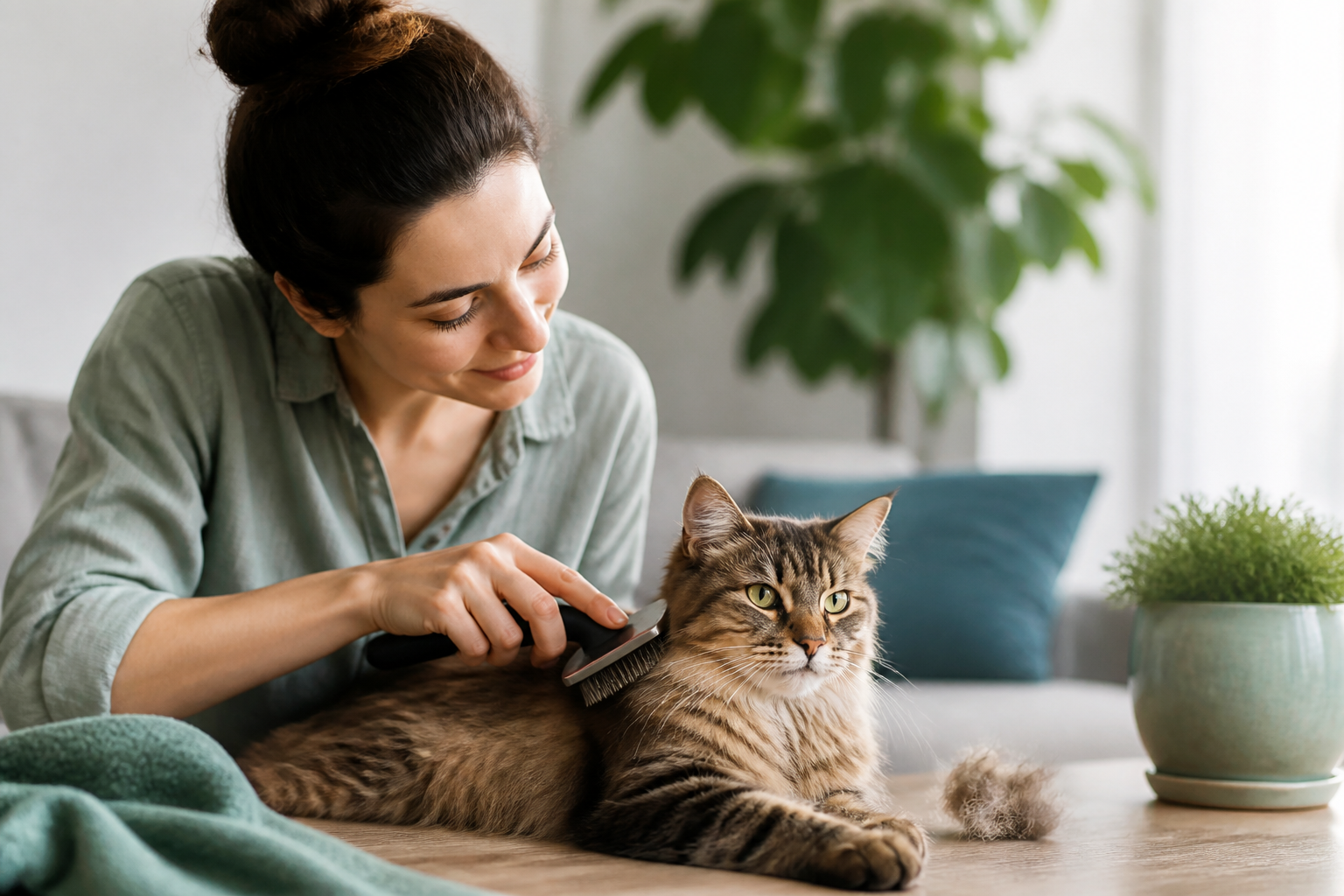
Cats are famous for their grooming habits. They spend a significant portion of their waking hours cleaning their fur and distributing natural oils across their skin. When a cat stops grooming effectively, dead skin cells and loose hair begin to build up. This leads to visible dandruff and sometimes matting. Regular brushing with our cat grooming supplies can help remove loose hair and buildup.
Loss of grooming ability is often a sign that a cat is physically unable to reach certain parts of their body. This is very common in senior cats who are managing arthritis. If it hurts to twist and reach their lower back, that area will quickly become flaky and unkempt. Similarly, obesity is a major factor. Overweight cats often have a hard time reaching their hindquarters, which is why you often see the most dandruff near the base of the tail.
The Buildup of the Undercoat
Some cats have very thick undercoats. If this hair is not brushed out regularly, it traps dead skin cells against the body. This prevents air from reaching the skin and stops the natural shedding process from working correctly. Over time, this trapped material turns into a layer of dandruff that only becomes visible when the cat moves or when you brush them.
Helping Your Cat Groom
If your cat is older or a bit heavy, they need your help to maintain their coat. Brushing is not just about removing hair. It also stimulates the skin to produce healthy oils and improves circulation. For a cat with dry skin, a soft bristle brush or a rubber grooming mitt is often better than a harsh metal comb, as it is gentler on sensitive skin.
Vet Tip: If you notice your cat is only developing dandruff on their lower back or tail area, it may be a sign of limited mobility. Consult your veterinarian to check for signs of arthritis or weight related issues that might be hindering their self grooming.
Nutritional Needs for Healthy Skin
What goes into your cat’s body shows up on their coat. The skin requires a high amount of protein and specific fats to remain healthy. If a cat food is low in essential fatty acids, the skin barrier will weaken. This allows moisture to escape and makes the skin more prone to irritation and flaking.
Omega-3 and Omega-6 fatty acids are the building blocks of a shiny coat. Many commercial diets include these, but some cats require higher levels than others. Cats on very low fat diets for weight loss are particularly at risk for developing dry skin. It is a balance between keeping them at a healthy weight and ensuring they have the nutrients needed for skin health.
Hydration and Skin Elasticity
Cats are notorious for not drinking enough water. Since they evolved from desert animals, they have a low thirst drive. However, chronic mild dehydration can lead to less elastic, drier skin. Switching some or all of your cat’s diet to wet food can significantly increase their daily water intake. This simple change often helps hydrate the skin from the inside out. See our guide to wet cat food and hydration for another perspective on moisture-rich diets.
High Quality Ingredients
At BaxterBoo, we carry a wide variety of premium brands like The Honest Kitchen and Stella and Chewy's that focus on whole food ingredients. These diets often contain the natural fats and minerals necessary to support skin health. If you are considering a diet change to help with dandruff, look for foods that list specific animal proteins and added fish oils. You can explore our cat food selection when comparing wet and dry options.
Bottom line: A diet rich in Omega fatty acids and proper hydration is essential for maintaining a flake free coat.
Parasites and "Walking Dandruff"
Sometimes, those white flakes are not actually skin at all. There is a specific type of mite called Cheyletiella that is often mistaken for dandruff. This condition is actually nicknamed walking dandruff because if you look closely at the flakes, you might see them moving. These mites live on the surface of the skin and are highly contagious between pets.
Other parasites like fleas can also cause flaking. Many cats are allergic to flea saliva, a condition known as flea allergy dermatitis. Even a single flea bite can cause a massive inflammatory response. The cat will itch, bite, and scratch at their skin, which leads to trauma, redness, and a significant amount of dandruff.
The Importance of Prevention
Preventing parasites is much easier than treating an infestation. Even indoor cats are at risk, as fleas and mites can hitch a ride inside on your clothes or other pets. Using a year round preventive is the best way to rule out parasites as a cause for your cat's dry skin. Our cat flea and tick collection offers preventive options for feline households.
Our pharmacy carries a variety of FDA approved flea and tick preventives through our partnership with Pet's Choice. Many of the most effective options require a prescription from your veterinarian. If you suspect mites or a flea allergy, your vet can provide the necessary script to get your cat the targeted treatment they need to stop the itching and flaking. For additional prevention guidance, read how flea collars work.
Recognizing Parasite Signs
- Flakes that seem to move or crawl along the hair shafts.
- Intense itching, especially around the neck and base of the tail.
- Small red bumps or scabs on the skin.
- The presence of flea dirt, which looks like small black pepper flakes.
When Dandruff Indicates an Underlying Medical Condition
In some cases, dandruff is a secondary symptom of a systemic health issue. When the body is fighting a disease, it often diverts resources away from non essential functions like coat maintenance. This is why a dull, flaky coat is often one of the first signs that something else is wrong.
Conditions like hyperthyroidism, diabetes, and kidney disease can all affect skin health. These illnesses change how the body processes nutrients and maintains hydration. For example, a cat with hyperthyroidism may have a metabolism that is running too fast, leading to a greasy, unkempt coat and flaky skin. Similarly, diabetes can lead to dehydration and poor skin quality.
Fungal and Bacterial Infections
Skin infections are another common cause of dandruff. Ringworm, which is actually a fungus and not a worm, often presents as circular patches of hair loss with crusty, flaky skin. Bacterial infections can also occur, especially if a cat has been scratching at their skin and created small tears. These infections require specific medical treatments, such as antifungal or antibiotic medications.
The Role of the Pharmacy
When your veterinarian diagnoses a medical condition like a skin infection or a systemic disease, they may prescribe a specialized diet or medication. Through our partnership with Pet's Choice, we offer a wide range of prescription pet foods, including brands like Royal Canin and Farmina Vet Life. These diets are specifically formulated to manage conditions that can cause skin issues, such as allergies or metabolic diseases. Accessing these through our pet pharmacy makes it easy to keep your cat's treatment plan on track.
Vet Tip: If your cat’s dandruff is accompanied by increased thirst, changes in appetite, or weight loss, schedule a veterinary exam immediately. These can be signs of systemic issues like diabetes or kidney disease that require professional diagnosis and management.
Practical Steps to Manage Feline Dandruff
If your vet has ruled out serious medical issues, you can take several steps at home to manage your cat's dry skin. Consistency is the key to seeing results, as skin takes time to heal and regenerate.
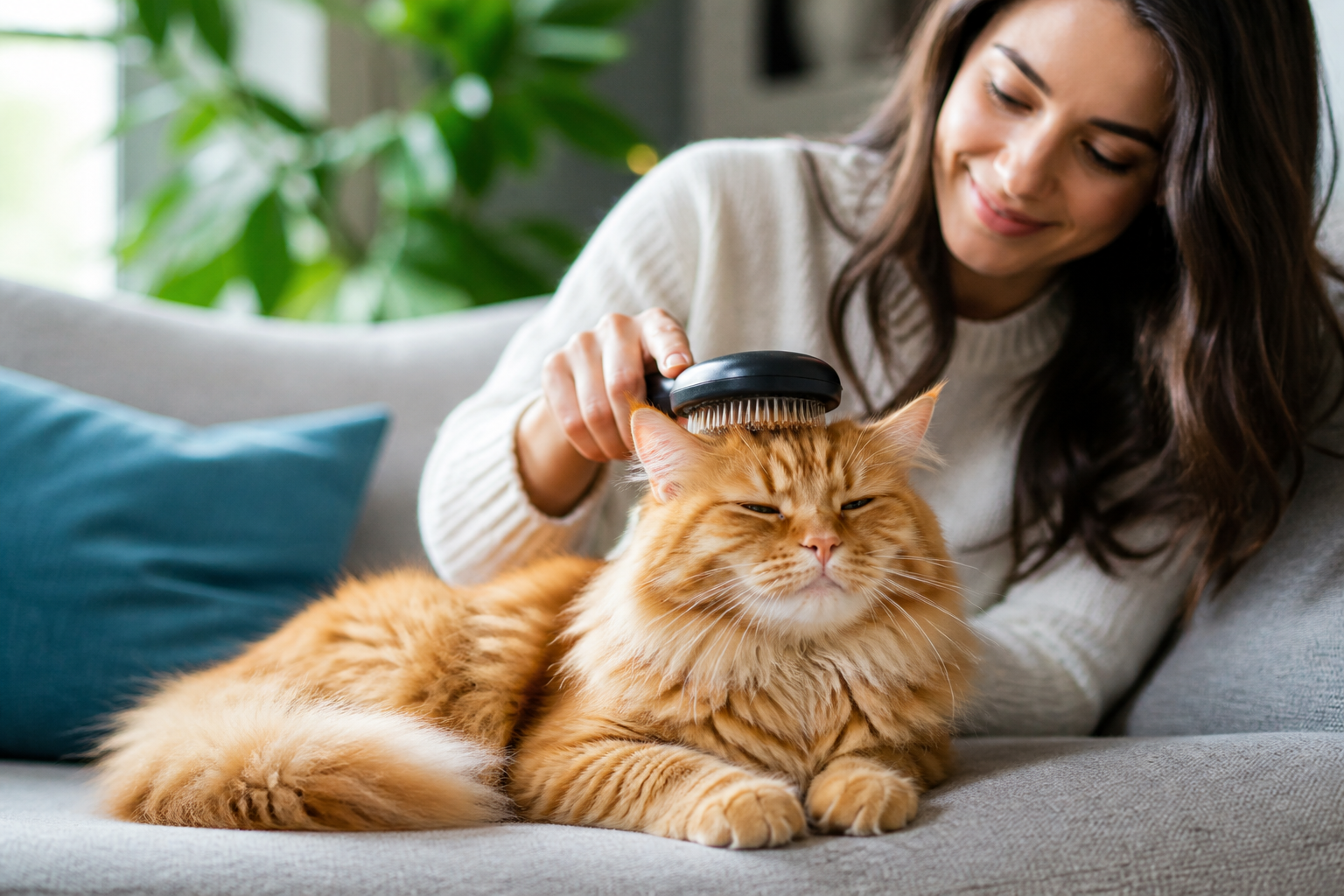
Step 1: Increase grooming frequency. Brush your cat daily using a tool appropriate for their coat type. This helps distribute natural oils and removes the dead skin cells before they can clump into visible dandruff.
Step 2: Evaluate the diet. Consider adding a skin and coat supplement. Products containing fish oil or biotin can provide the extra boost your cat’s skin needs. Always check with your vet before starting a new supplement.
Step 3: Improve home humidity. Run a humidifier in the areas where your cat spends the most time. This is especially helpful during the dry winter months.
Step 4: Maintain parasite protection. Ensure your cat is on a consistent flea and tick preventive. This eliminates one of the most common causes of skin irritation.
Choosing the Right Grooming Tools
Not all brushes are created equal. For a cat with dry, sensitive skin, you want to avoid anything that might scratch or irritate the surface. A soft bristle brush is excellent for short haired cats. For long haired cats, a wide toothed comb can help get through the undercoat without pulling too hard on the skin. Our guide to choosing flea and grooming tools offers another look at products used for coat and parasite care.
Dietary Supplements
Supplements like those from Zesty Paws or Honest Paws can be very effective. These often come in oil or chewable forms that are easy to add to your cat's daily routine. They focus on providing high concentrations of DHA and EPA, which are the specific types of Omega-3s that support skin barrier function.
Key Takeaway: Managing dandruff is a multi-front effort involving better grooming, improved nutrition, and environmental changes.
The Importance of Routine Veterinary Care
While most cases of cat dandruff are minor, you should never ignore a sudden change in your cat's coat. Regular wellness exams allow your vet to catch potential health issues before they become serious. During an exam, your vet can perform skin scrapings or blood tests to determine if the dandruff is a simple case of dry skin or a sign of something more complex.
If your cat is itchy, losing hair, or has visible sores, do not wait for the next annual checkup. These symptoms indicate that the cat is uncomfortable and may have an infection or a severe allergy. A prompt visit can save your cat from weeks of discomfort and prevent the condition from worsening.
Following Your Vet's Advice
If your vet recommends a specific medicated shampoo or a prescription diet, it is important to follow the instructions exactly. Medicated shampoos often need to sit on the skin for several minutes to be effective. Similarly, prescription diets for skin issues can take several weeks to show results, so patience is necessary.
Using the BaxterBoo Pharmacy
We make it simple to get the medications and therapeutic foods your vet recommends. Our pharmacy service, powered by Pet's Choice, ensures you get genuine, FDA approved products. Whether your cat needs a specific allergy medication or a prescription strength flea treatment, we can help you get it delivered right to your door. This is a great way to save time while ensuring your cat gets exactly what the doctor ordered.
Conclusion
Cat dandruff and dry skin are common issues that most owners will face at some point. Whether it is caused by the dry air of a US winter, a gap in nutrition, or an underlying medical condition, there are plenty of ways to help your cat feel better. By focusing on regular grooming, high quality food, and consistent parasite prevention, you can keep your cat's coat shiny and flake free. Remember that your veterinarian is your best resource for diagnosing the root cause of any skin changes. At BaxterBoo, we are here to support you with the gear, supplements, and pharmacy services you need for every stage of your cat's life. We encourage you to check out the MVP Rewards programme to earn points on all your cat care essentials as you work to restore your pet's healthy skin.
Bottom line: A healthy coat starts with a healthy lifestyle, so focus on the basics of nutrition and grooming to keep the flakes away.
FAQ
Is it normal for cats to have a little bit of dandruff?
A very small amount of flaking can be normal, especially during seasonal transitions or in very dry climates. However, if the dandruff is clearly visible, covers a large area of the body, or is accompanied by itching, it usually indicates an underlying issue that needs to be addressed. Regular brushing can often manage minor flakes in healthy cats.
Can I use human dandruff shampoo on my cat?
No, you should never use human dandruff shampoo on a cat. These products are formulated for human skin pH and often contain ingredients that are toxic to cats if ingested during grooming. Always use a shampoo specifically designed for felines, and consult your vet before using any medicated products to ensure they are safe for your pet's specific condition.
How can I tell if my cat's dandruff is actually "walking dandruff"?
Walking dandruff is caused by Cheyletiella mites, which are large enough to be seen with the naked eye. If you look very closely at the flakes and notice them moving or shifting on their own, it is likely a mite infestation. This condition is usually much itchier than standard dry skin and requires specific antiparasitic treatment from a veterinarian.
Does wet food really help with a cat's dry skin?
Yes, wet food can be very beneficial for cats with dry skin because it significantly increases their overall hydration. Since cats have a low thirst drive, they often do not drink enough water to keep their skin perfectly hydrated. The high moisture content in wet food helps maintain skin elasticity and supports the natural oils that prevent flaking.