
 Save 15% on your 1st Autoship learn more

 Email us
 Live Chat
 FAQs





Introduction
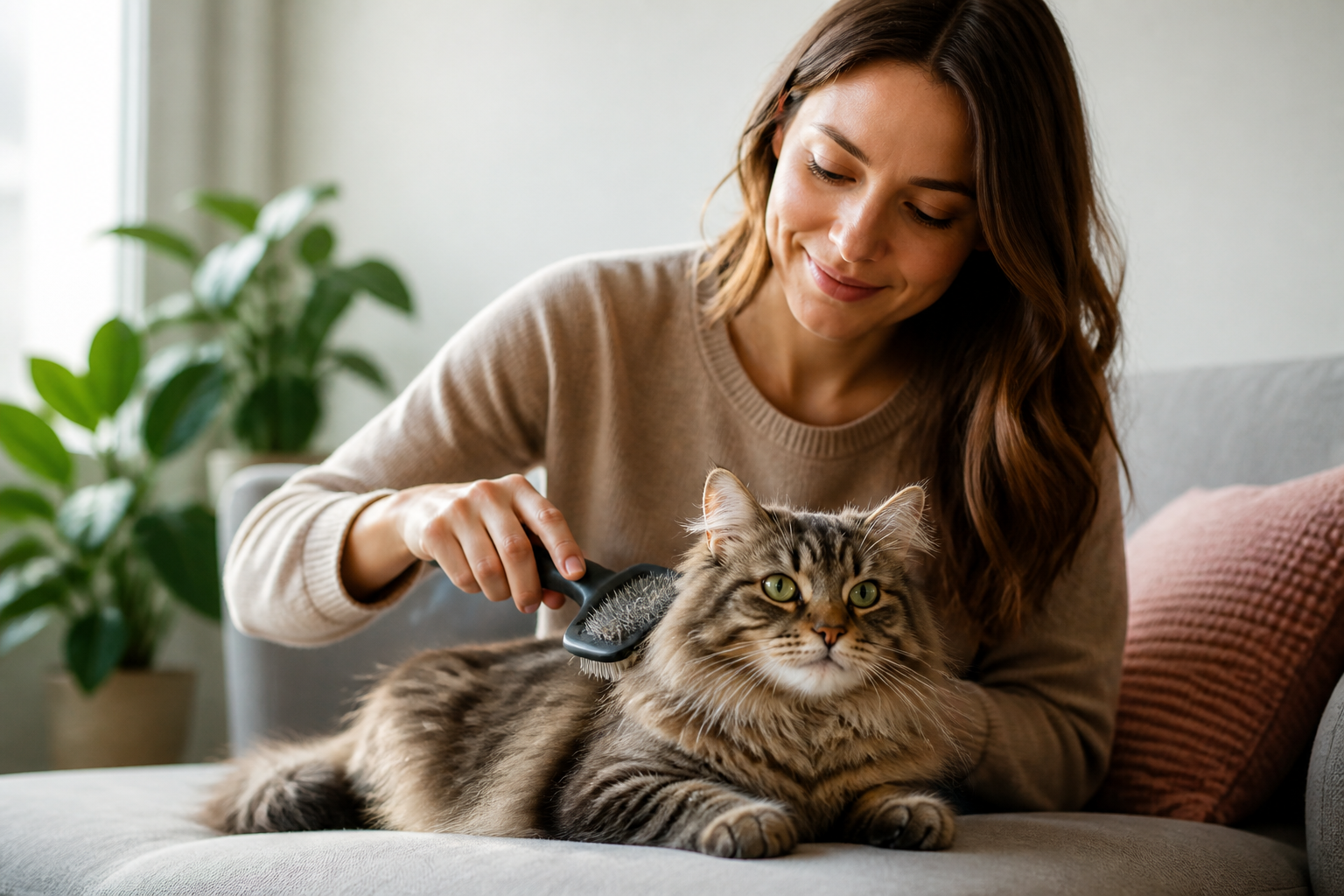
You are sitting on the sofa with your cat and enjoying a quiet moment of petting. As your hand moves down their back, you notice a dusting of white flakes on their fur. You might also see more hair than usual clinging to your clothes or the carpet. Finding white flakes and heavy shedding can be frustrating for any pet owner. This combination of symptoms often points to a shift in your cat's skin health or their ability to groom themselves.
At BaxterBoo, we know that a shiny coat is a primary sign of a healthy pet. We have helped countless owners find the right tools and nutrition to manage skin concerns. This article explains why your cat is shedding with dandruff and how you can help them feel comfortable again. We will cover environmental triggers, nutritional needs, and when it is time to consult a professional. Understanding the root cause is the first step toward a flake-free coat and a happier cat.
Quick Answer: Cat dandruff is the visible buildup of dead skin cells that often occurs alongside increased shedding. It can be caused by dry air, nutritional gaps, or physical issues like obesity that prevent proper grooming. While often a minor issue, persistent flakes and shedding may require a veterinary visit to rule out parasites or underlying health conditions.
Understanding the Difference Between Dandruff and Dander
It is easy to confuse these two terms because they sound so similar. Every cat produces dander as a natural part of living. Dander consists of microscopic skin cells that shed during normal skin turnover. You cannot see dander with the naked eye. It is the tiny particles that often trigger allergies in humans. Because dander is a healthy part of a cat's life, it does not require treatment.
Dandruff is different because the flakes are large enough to see. These are clumps of dead skin cells that have dried out and detached. If you see white or gray flecks on your cat's fur, you are looking at dandruff. This visible shedding of skin usually means the skin is irritated or the natural oil balance is off. While dander is constant and normal, dandruff is a symptom that something has changed in your cat's environment or health.
Key Takeaway: Dander is microscopic and healthy for all cats. Dandruff is visible flaking that indicates skin irritation or a grooming problem.
Cat Skin & Coat Care













Why Dandruff Leads to More Shedding
Cats are famous for their meticulous grooming habits. A healthy cat spends a large portion of their day cleaning their fur and skin. This process removes loose hair and keeps skin oils distributed evenly. When a cat has dandruff, the skin is often dry and itchy. This irritation can lead to more hair falling out than usual.
In some cases, the dandruff itself makes the hair brittle. If the skin lacks moisture, the hair follicles may not hold onto the fur as effectively. You might notice your cat scratching more or even over-grooming specific itchy spots. This extra attention can lead to bald patches or thinning fur. Conversely, if a cat stops grooming because they feel unwell or stiff, both dead hair and skin flakes will build up quickly. This creates a cycle where the coat looks dull and messy while shedding increases.
Environmental Factors and Seasonal Changes
The air inside your home has a massive impact on your cat's skin. This is especially true during the winter months when the heater is running constantly. Forced-air heating strips moisture from the environment. Just as your own skin might get itchy and dry in the winter, your cat’s skin reacts to the low humidity.
Static electricity is another sign of a dry environment. If you feel a zap when you pet your cat, the air is likely too dry for their coat. This lack of moisture causes the skin to flake off as dandruff. Indoor cats are particularly susceptible to these seasonal shifts.
Tips for Managing Indoor Humidity
- Place a humidifier in the room where your cat sleeps most often.
- Keep your cat away from direct heat vents or radiators.
- Provide multiple water sources to encourage hydration.
- Consider a water fountain to make drinking more appealing.
The Role of Nutrition in Skin Health
What your cat eats directly affects the quality of their fur. The skin is the largest organ on a cat's body. It requires a significant amount of protein and healthy fats to stay supple. If a diet is low in essential fatty acids, the skin barrier becomes weak. This weakness leads to moisture loss and flaking.
Omega-3 and Omega-6 fatty acids are vital for skin health. These fats help reduce inflammation and keep the skin hydrated from the inside out. Many high-quality cat foods already include these, but some cats may need a boost. Dehydration is another nutritional factor. Since cats have a low thirst drive, they often do not drink enough water. This can lead to chronically dry skin.
Vet Tip: If your cat has persistent dandruff, talk to your veterinarian about their diet. They may recommend a prescription skin support diet. Our pharmacy carries many of these specialized formulas through our partnership with Pet's Choice to help manage chronic skin conditions.
For hydration-focused meal options, explore our cat food collection.
Physical Limitations and Grooming Habits
Sometimes the problem isn't the skin itself, but the cat's ability to reach it. As cats age, they often develop arthritis or joint stiffness. If it hurts to twist and reach their lower back, they will stop grooming that area. This is why you often see the most dandruff and matted hair near the base of the tail on older cats.
Obesity is another common hurdle. Overweight cats physically cannot reach every part of their body. The areas they miss will quickly accumulate dead skin and loose fur. If you notice flakes primarily on the lower back or rump, it is a strong sign that your cat needs help with grooming. Helping them lose weight can also restore their ability to care for themselves.
For additional guidance on feline weight management, read how to help your indoor cat lose weight.
How to Help a Limited Cat
- Increase the frequency of gentle brushing.
- Use a soft-bristled brush to mimic the sensation of a tongue.
- Target areas like the base of the tail and underarms.
- Consult your vet about weight management or pain relief for joints.
Medical Causes of Cat Dandruff
While dry air and poor grooming are common, dandruff can sometimes signal a medical issue. Parasites are a frequent culprit. Fleas, ticks, and mites can all cause the skin to scale and flake. Cheyletiella mites are specifically known as "walking dandruff" because the tiny white mites move around under the flakes of skin.
Infections can also cause flaking. Ringworm, which is actually a fungus and not a worm, causes circular patches of hair loss and crusty skin. Systemic health issues like hyperthyroidism, diabetes, or kidney disease can also change the texture of the coat. These conditions affect the body's overall metabolism and hydration, which shows up on the skin very quickly.
Key Takeaway: Parasites, fungal infections, and internal diseases can all manifest as flaky skin and hair loss. Always rule out these medical causes if dandruff is severe.
If parasites may be contributing to the problem, browse our cat flea and tick collection.
Practical Steps to Reduce Flakes at Home
If your vet has ruled out serious medical conditions, you can manage most dandruff with a few simple changes. Consistency is the most important part of any grooming or nutritional routine.
Brushing and Coat Care
Brushing is the most effective way to manage shedding and dandruff at the same time. It removes the dead hair before it falls on your furniture. It also massages the skin, which stimulates the production of natural oils. For a cat with dandruff, regular brushing spreads these oils across the entire coat. This helps moisturize the dry spots naturally.
We carry a wide selection of grooming tools at BaxterBoo to suit different coat types. For cats with dandruff, a fine-tooth comb or a soft slicker brush works best. Aim for a five-minute brushing session every day. This is much more effective than one long session once a week.
For more coat-care ideas, read our guide to grooming a Maine Coon’s coat.
You can also find brushes, combs, and other tools in our cat grooming collection.
Switching to Wet Food
If your cat only eats dry kibble, they may be slightly dehydrated. Dry food has very little water content. Switching at least part of their diet to wet food can significantly increase their daily water intake. This extra hydration helps keep the skin moist. You can also add a small amount of warm water to their wet food to create a "gravy" for even more hydration.
Supplements for Skin Support
Fish oil supplements are a popular choice for cats with flaky skin. These are rich in EPA and DHA, which are types of Omega-3 fatty acids. You can find these in liquid forms that pump directly onto their food. Most cats enjoy the fishy taste, making it an easy addition to their routine. Always start with a small amount to make sure it does not upset their stomach.
Bottom line: Daily brushing combined with better hydration and Omega fatty acids can resolve most minor cases of cat dandruff.
When to Consult Your Veterinarian
It is important to know when home care is not enough. While a few flakes are usually fine, certain symptoms indicate a deeper problem. If your cat's behavior changes along with their coat quality, it is time for a professional opinion.
Signs You Should Call the Vet
- Red, inflamed, or bleeding skin.
- Patches of total hair loss.
- Excessive scratching or biting at the skin.
- A foul odor coming from the fur.
- Changes in appetite, thirst, or energy levels.
Your veterinarian can perform skin scrapings or blood tests to find the exact cause. If your cat needs medication, we can help. Our pharmacy offers FDA-approved treatments for fleas, mites, and skin infections. Through our partnership with Pet's Choice, we provide a reliable way to get the prescription medications your vet recommends. This ensures your cat gets the right treatment for their specific diagnosis.
Explore our cat pharmacy when your veterinarian recommends prescription care.
Using Flea and Tick Prevention Correctly
Even indoor cats can get parasites. Fleas can hitch a ride on your clothes or come in through window screens. A single flea bite can cause an allergic reaction in some cats, leading to intense itching and dandruff. Keeping your cat on a year-round preventive is the best way to protect their skin.
There are many options for prevention, including spot-on treatments and oral medications. Some of these require a prescription from your vet. Using these products consistently prevents the skin irritation that leads to flaking and hair loss. It is much easier to prevent an infestation than it is to treat one after it starts.
Vet Tip: Never use flea products meant for dogs on a cat. Some dog medications contain ingredients that are toxic to felines. Always check the label and consult your vet for the safest option for your cat's age and weight.
For more information about repeat deliveries of eligible pet-care products, see our Autoship programme.
Helping Your Cat Feel Their Best
Managing cat shedding with dandruff requires a holistic approach. You have to look at their environment, their diet, and their physical comfort. By providing regular grooming and high-quality nutrition, you can keep their coat looking its best.
At BaxterBoo, we have been helping pet owners since 2006. We handpick every product to ensure it meets our high standards for quality and safety. Whether you need a new grooming brush, a humidifying fountain, or a specific supplement, we are here to support your cat's wellness journey.
- Check for skin flakes during your daily petting sessions.
- Brush your cat daily to distribute natural oils.
- Add wet food to their diet for better hydration.
- Keep up with flea and tick prevention year-round.
- Earn rewards on every purchase through our MVP Rewards program.
If you are dealing with a persistent skin issue, our pharmacy is a great resource. We carry a variety of prescription diets and medications that can get your cat's skin back on track. We are proud to offer value without compromising on the health and safety of your pets.
Bottom line: A combination of proper hydration, regular grooming, and veterinary-approved preventives is the key to ending cat dandruff.
FAQ
Can I use human dandruff shampoo on my cat?
No, you should never use human shampoo on a cat. Human skin has a different pH balance than feline skin. Human products often contain chemicals or scents that can irritate a cat's skin or be toxic if the cat licks their fur. Always use a shampoo specifically formulated for cats, or better yet, consult your vet before giving a bath, as bathing too often can actually make dandruff worse.
Why does my cat only have dandruff on their lower back?
Dandruff on the lower back is often a sign of a mobility issue. If a cat is overweight or has arthritis, they may struggle to reach their hindquarters to groom. This allows dead skin and loose hair to build up in that specific area. Increasing your manual brushing in that spot and talking to your vet about weight or joint health is usually the best approach.
Does "walking dandruff" actually move?
Yes, Cheyletiella mites are large enough that you can sometimes see them moving under the scales of the skin. This gives the appearance that the dandruff flakes are crawling. This is a parasitic infection that is highly contagious to other pets and can even affect humans. If you suspect your cat has these mites, see a veterinarian immediately for a prescription treatment.
Will a humidifier really help my cat's dandruff?
A humidifier can be very helpful, especially during the winter months when indoor air is very dry. Dry air pulls moisture out of your cat's skin, leading to the formation of flakes. By adding moisture back into the environment, you help the skin maintain its natural barrier. You will likely notice a decrease in both dandruff and static electricity when you pet your cat.






- Site & Contents BaxterBoo.com. BaxterBoo is located in the United States.
- Privacy & Security
- Terms of Use
- Accessibility Statement
