
 Save 15% on your 1st Autoship learn more

 Email us
 Live Chat
 FAQs





Introduction
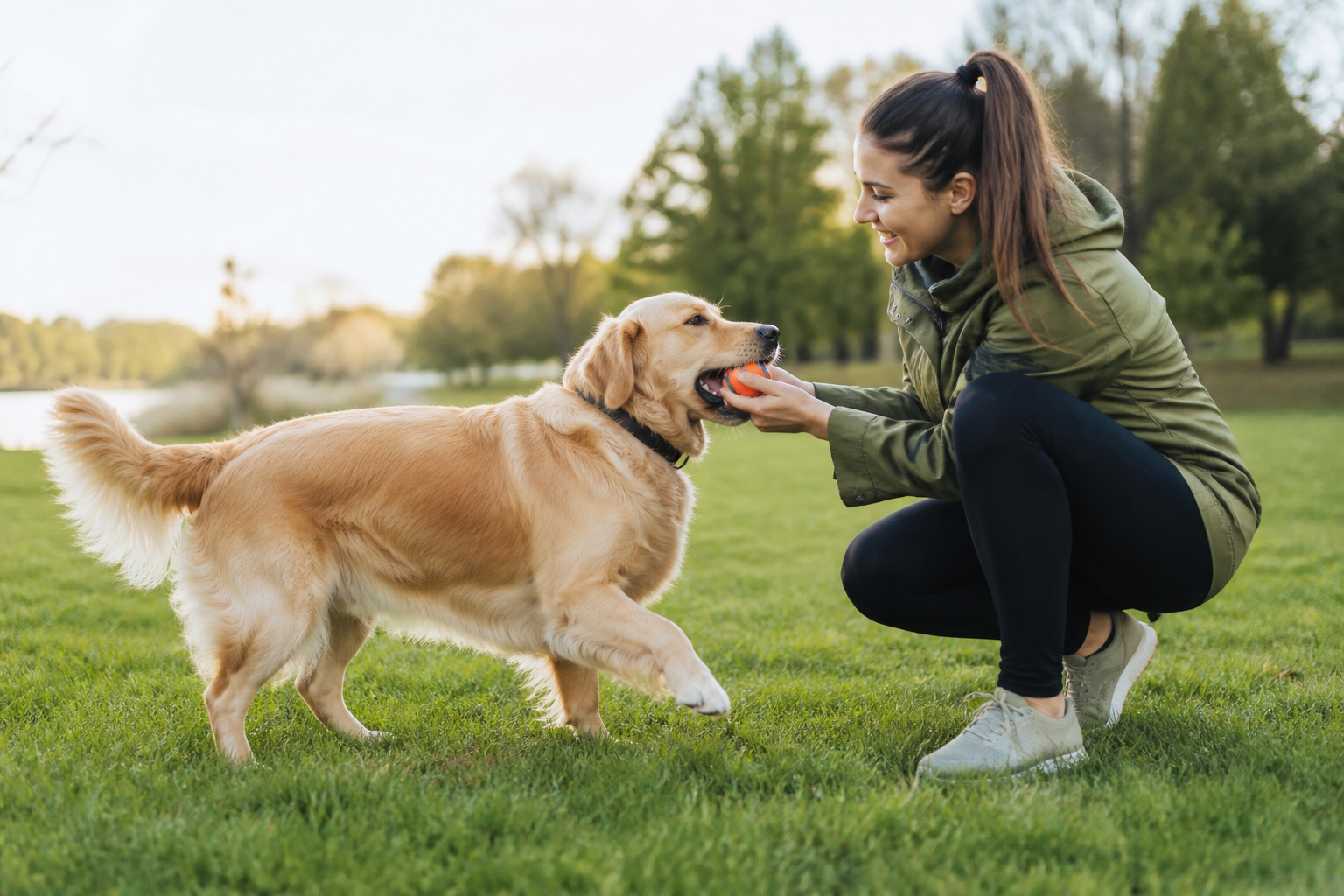
Watching your dog strain in the backyard while nothing happens is a frustrating experience for any pet owner. You can see the discomfort in their posture and the way they keep circling. It is a common situation that many of us at BaxterBoo have helped customers navigate. While occasional "stoppage" is often a simple fix, it is a signal that your dog's internal plumbing needs some support. This article covers how dog constipation probiotics work to balance the gut and get things moving again. We will look at the signs of trouble, common causes of backup, and how specific bacterial strains support a healthy digestive tract. Understanding the relationship between the microbiome and regular bowel movements is the first step toward a more comfortable pet.
Quick Answer: Probiotics help relieve dog constipation by introducing beneficial bacteria that balance the gut microbiome and improve intestinal transit time. They produce short chain fatty acids that naturally lubricate the colon and support smoother waste passage.
Understanding the Signs of a Backed Up Pup
A healthy dog typically has at least one bowel movement every day. The stool should be chocolate brown, firm, and easy to pass. If you notice your dog is straining for long periods without success, they are likely constipated. You might see them posturing several times during a walk with no results. Sometimes, they may pass very small, hard pieces that look like dry pebbles or nuggets. These are clear indicators that waste is moving too slowly through the colon.
Other behavioral changes often accompany physical straining. A constipated dog might seem lethargic or lose interest in their favorite treats. They may experience abdominal bloating or react with a whine when you touch their belly. Some dogs even start scooting their hindquarters across the floor because of the pressure and discomfort. If your dog has not had a bowel movement in over 48 hours, it is time to take action.
Vet Tip: If your dog is straining but also starts vomiting or refuses to drink water, contact your veterinarian immediately. These can be signs of a serious intestinal blockage that requires professional medical attention rather than home remedies.
Dog Digestive & Urinary Aids






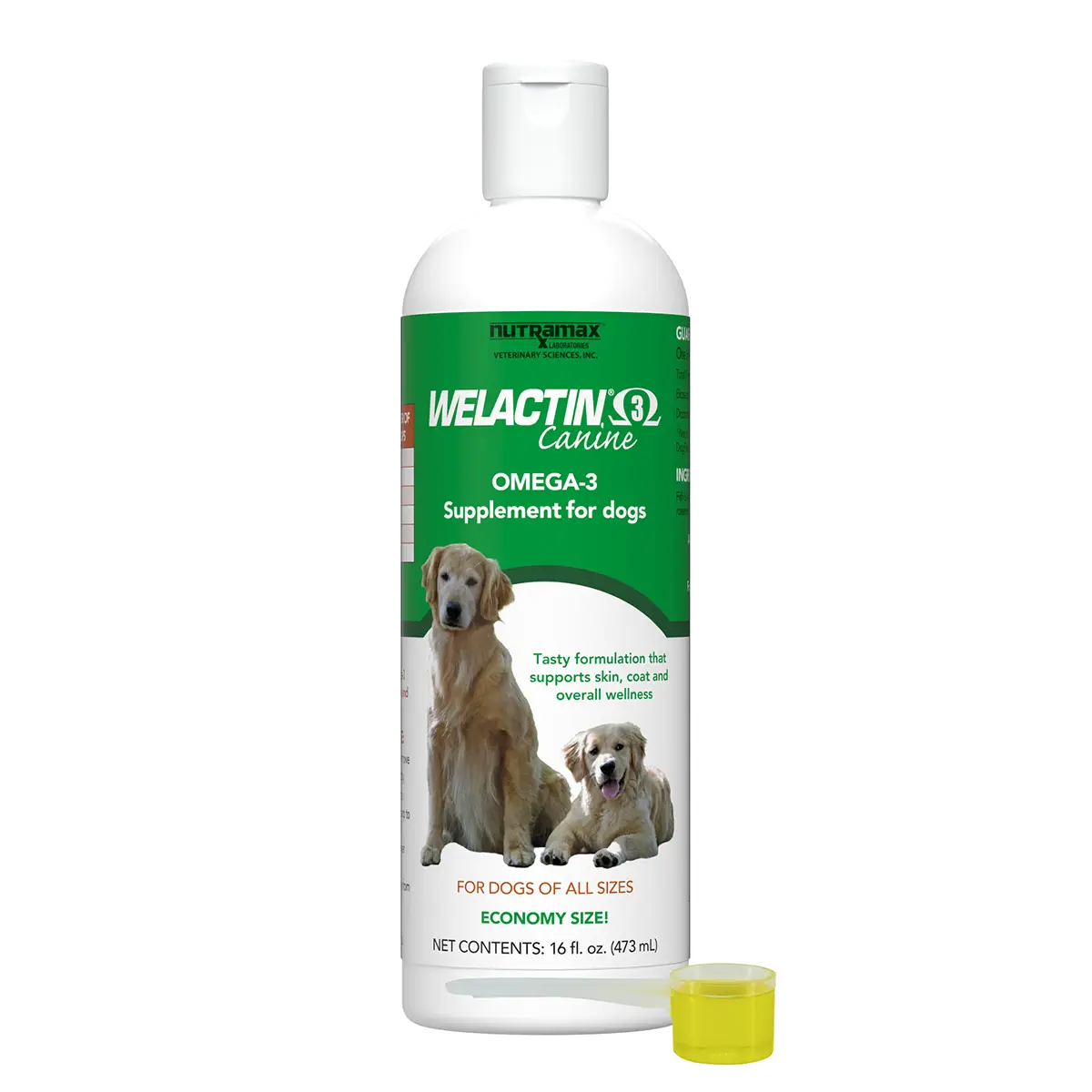


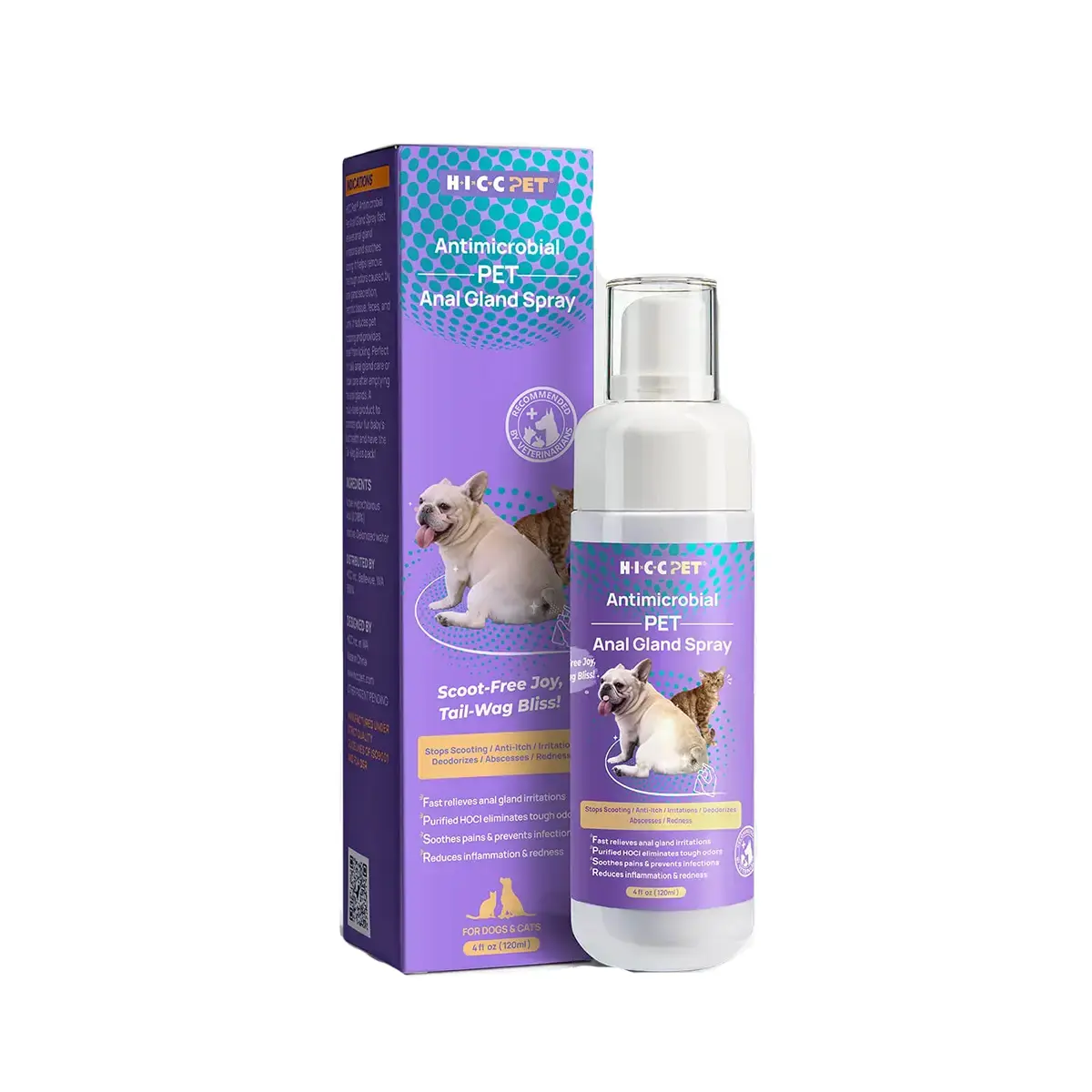
Common Causes of Digestive Slowdowns
Constipation rarely happens without a reason. Often, it is a combination of lifestyle factors and diet. Dehydration is one of the most frequent culprits. When a dog does not drink enough water, the colon absorbs more moisture from the waste to keep the body hydrated. This leaves the stool hard, dry, and very difficult to push through the system. This is especially common in senior dogs or those eating a diet consisting strictly of dry kibble.
Dietary fiber also plays a massive role in regularity. Fiber acts like a broom for the intestines, helping to push waste along the digestive conveyor belt. If a diet is too low in fiber, the intestines can become "lazy." On the other hand, some dogs get into things they should not eat. Ingesting hair, bone fragments, grass, or pieces of toys can create a physical bottleneck in the gut. Lack of exercise is another factor, as physical movement helps stimulate the natural muscle contractions, called peristalsis, that move food through the bowels.
Key Takeaway: Proper hydration and adequate dietary fiber are the two most important pillars of maintaining regular bowel movements in dogs.
How Dog Constipation Probiotics Work
Probiotics are living, beneficial microorganisms that reside in your dog's digestive tract. You can think of them as a "waste management crew" for the gut. When the microbiome is out of balance, harmful bacteria can take over, leading to inflammation and slowed digestion. Introducing specific dog constipation probiotics helps restore the natural order. These good bacteria work by changing the acidity levels in the colon, which makes it easier for waste to move through.
One of the most important things probiotics do is produce short chain fatty acids. These compounds serve as an energy source for the cells lining the colon and help maintain the moisture levels of the stool. By keeping the environment lubricated and healthy, probiotics help regulate the speed at which waste travels. This prevents the "backup" that leads to hard, painful stools. While they are not an overnight laxative, they provide the long term support needed for a predictable bathroom routine. Explore our dog digestive health category for probiotic and digestive support options.
Specific Strains to Look For
Not all probiotics are created equal. When you are looking for a supplement to help with constipation, specific strains are more effective than others. For example, Enterococcus faecium is a hardy strain often used to shorten the duration of digestive upsets. It helps colonize the gut quickly and competes with harmful bacteria for resources. Another helpful strain is Lactobacillus acidophilus, which is well known for improving stool quality and frequency in both dogs and cats.
Bifidobacterium animalis has also shown great results in supporting healthy digestion and immune function. If your dog's constipation is linked to stress or anxiety, Bifidobacterium longum may help manage the gut-brain connection. We carry several trusted brands at BaxterBoo, such as Purina Pro Plan FortiFlora and Nutramax Proviable, which use these researched strains. Always check the label for the number of Colony Forming Units, or CFUs. A high quality supplement usually provides between 1 billion and 10 billion CFUs per daily serving. You can browse our probiotic selection for dogs to compare available formulas.
- Enterococcus faecium (for quick gut colonization)
- Lactobacillus acidophilus (for stool consistency)
- Bifidobacterium animalis (for overall regularity)
- Lactobacillus casei (for general digestive support)
The Power of Prebiotic Fiber
If probiotics are the workers in the gut, prebiotics are the food that keeps them strong. Prebiotics are types of indigestible fiber that nourish the beneficial bacteria already living in your dog's colon. When you combine them, it is often called a symbiotic approach. Adding fiber is one of the fastest ways to help a constipated dog find relief. Plain, canned pumpkin puree is a classic home remedy because it is packed with both soluble and insoluble fiber.
Soluble fiber absorbs water and turns into a gel-like substance, which softens the stool. Insoluble fiber adds bulk, which signals the intestines to contract and move things along. Psyllium husk and ground flaxseed are other great sources of prebiotic fiber. Many high quality probiotic chews already include these ingredients to give the beneficial bacteria the best chance of survival. Adding a small amount of pumpkin to your dog's regular meals can make a world of difference for their comfort. Nutramax Proviable is one example of a multi-strain probiotic and prebiotic option.
Note: When using pumpkin as a fiber source, make sure it is 100 percent pure pumpkin puree. Never use pumpkin pie filling, as it contains sugar, spices, and xylitol, which can be toxic to dogs.
Hydration Strategies for Smoother Digestion
Since dehydration is a primary cause of constipation, increasing fluid intake is essential. Some dogs are picky about their water. If your dog does not seem to drink enough from their bowl, try adding some low sodium bone broth to their water to make it more enticing. You can also mix a bit of warm water or wet food into their dry kibble. This creates a "stew" that guarantees they are getting extra moisture with every bite. For additional ideas, read how to wet dry dog food for better digestion and hydration.
For dogs that prefer moving water, a pet fountain can encourage more frequent drinking. Keeping water bowls in multiple locations around the house is also a simple way to remind them to stay hydrated. If your dog is a senior, they might have joint pain that makes it difficult to walk to the water bowl frequently. Placing a bowl near their favorite sleeping spot can help. Proper hydration ensures that the probiotics and fiber have enough moisture to work effectively.
Exercise and Physical Movement
Never underestimate the power of a good walk. Physical activity is one of the most natural ways to trigger a bowel movement. When your dog moves their body, it stimulates the muscles in the abdomen and the GI tract. This helps "wake up" a lazy gut and encourages waste to move toward the exit. If your dog has been sedentary lately, start with short, 15 minute walks twice a day.
For senior dogs with arthritis, even a slow stroll around the block can help. If they find it too painful to squat, they might hold their stool in, which eventually leads to constipation. Managing their joint health can indirectly improve their bathroom habits. Many owners find that a consistent exercise routine, paired with a daily probiotic, keeps their dog's digestive system running like clockwork.
Transitioning to High Fiber Foods
If your dog struggles with chronic constipation, a change in diet might be necessary. Some commercial kibbles are very processed and lack the roughage needed for healthy transit times. You might look for a high fiber dog food specifically formulated for weight management or digestive health. These recipes often include higher levels of beet pulp, miscanthus grass, or pumpkin.
When switching foods, always do it slowly over seven to ten days. A sudden change in diet can lead to gas or diarrhea, which creates a different kind of digestive upset. Start by mixing 25 percent of the new food with 75 percent of the old food. Every few days, increase the amount of new food. This gives the microbiome time to adjust to the new fiber levels and allows the probiotics to do their job without being overwhelmed. For more guidance, see how dry food can affect your dog's digestion.
Bottom line: A slow transition to a high fiber diet helps prevent the gas and discomfort that can come with sudden nutritional changes.
When to Use the BaxterBoo Pharmacy
Sometimes, home remedies and over the counter supplements are not enough to fix the problem. If your dog's constipation is caused by an underlying medical condition like hypothyroidism or an enlarged prostate, they may need prescription intervention. Our pharmacy offers FDA approved medications and prescription pet foods. This is a great resource if your veterinarian has recommended a specific therapeutic diet, such as Royal Canin Gastrointestinal or Farmina Vet Life. For broader health resources, visit our dog healthcare category.
Prescription diets are formulated with highly digestible proteins and specific fiber blends that are not available in standard retail foods. Your vet might also prescribe a stool softener or a professional strength probiotic if the case is severe. Having access to a real pharmacy means you can get your dog's medications and their favorite toys in one place. We make it easy to manage chronic health needs so you can focus on your dog's recovery.
Vet Tip: Prescription diets and medications require a valid prescription from your veterinarian. Always consult your vet before attempting to use human laxatives or enemas, as these can be extremely dangerous for dogs.
Long Term Prevention and Consistency
The best way to handle constipation is to stop it before it starts. Consistency is the most important factor in gut health. Giving a probiotic once in a while will not have the same effect as a daily regimen. It takes time for the beneficial bacteria to colonize and change the environment of the gut. Most experts suggest waiting at least four weeks to see the full benefits of a new probiotic supplement.
Using a program like our Autoship can help you stay consistent. You can set up recurring deliveries for your dog's probiotics, high fiber treats, and food so you never run out. This ensures there are no gaps in their care. Plus, our MVP Rewards program lets you earn points on every purchase, which helps save money on the premium brands your dog needs to stay healthy. Read more about the MVP Rewards programme.
Steps for Starting a Gut Health Routine:
Step 1: Consult your veterinarian. / Ensure there are no underlying blockages or medical issues causing the constipation.
Step 2: Choose a dog specific probiotic. / Select a supplement with researched strains like Enterococcus faecium and at least 1 billion CFUs.
Step 3: Introduce fiber slowly. / Add a teaspoon of pumpkin or a high fiber treat to their daily meals.
Step 4: Monitor and adjust. / Watch for improvements in stool consistency and frequency over the next few weeks.
The Role of Digestive Enzymes
While probiotics focus on the bacterial balance, digestive enzymes help break down the food itself. Enzymes like amylase, lipase, and protease act as a "waste management crew" that processes fats, proteins, and carbohydrates. If a dog's body is not breaking down food efficiently, it can lead to a buildup of undigested material in the colon. This "sludge" can contribute to a backup and make constipation worse.
Many comprehensive digestive supplements combine probiotics with enzymes. This dual approach ensures that food is broken down properly in the stomach and small intestine, while the probiotics maintain the health of the large intestine. For senior dogs whose natural enzyme production may be slowing down, this extra support is often a literal lifesaver for their comfort levels.
Keeping a "Poop Journal"
It might sound a bit strange, but keeping track of your dog's bathroom habits can be incredibly helpful. Note the frequency, color, and consistency of their stool. This information is invaluable if you need to visit the vet. It helps identify patterns, such as constipation that only happens after they eat a certain treat or during times of high stress.
If you see blood in the stool or if the constipation is followed by a sudden bout of diarrhea, write it down. These details help your vet determine if the issue is a simple lack of fiber or something more complex like Irritable Bowel Disease. A healthy gut is the foundation of your dog's overall wellness, and being an observant pet parent is your best tool for keeping them happy.
FAQ
How long does it take for probiotics to help with dog constipation?
Most dogs show signs of improvement within a few days, but it can take up to four weeks for the gut microbiome to fully stabilize. Consistency is vital, so make sure to give the supplement every day as directed. For chronic issues, your vet may recommend a long term maintenance dose to prevent future backups.
Can I give my dog human probiotics for constipation?
While human probiotics are generally not toxic to dogs, they are not the most effective choice. Dogs have a different gut pH and a unique balance of bacteria compared to humans. Dog specific supplements are formulated with strains that are proven to survive the canine digestive tract and provide the most benefit to their specific microbiome.
Is canned pumpkin better than a probiotic supplement?
Both serve different purposes and often work best when used together. Pumpkin provides the physical fiber needed to move waste, while probiotics address the underlying bacterial balance of the gut. If your dog is currently straining, pumpkin might offer faster relief, but probiotics provide the long term health support to keep the problem from returning.
When should I stop trying home remedies and see a vet?
You should call your veterinarian if your dog has not had a bowel movement in 48 hours or if they are showing signs of distress like vomiting, lethargy, or a painful abdomen. If you suspect your dog has swallowed a foreign object like a toy or a rock, do not wait or try home remedies. This is a potential medical emergency that requires immediate imaging and professional care.






- Site & Contents BaxterBoo.com. BaxterBoo is located in the United States.
- Privacy & Security
- Terms of Use
- Accessibility Statement
