
 Save 15% on your 1st Autoship learn more

 Email us
 Live Chat
 FAQs
FAQs





Introduction
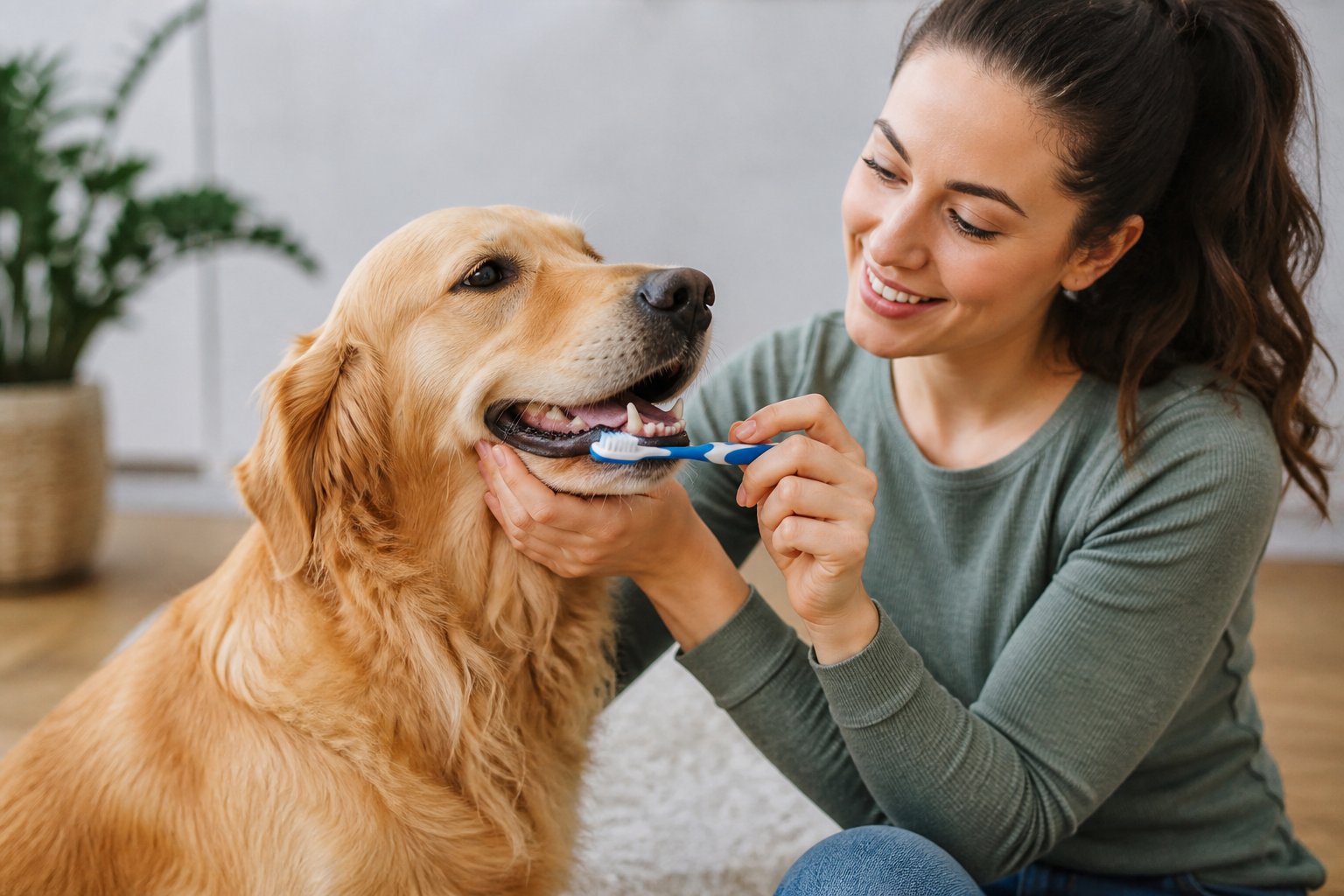
You are sitting on the couch when your dog hops up for a snuggle and a few happy licks. Suddenly, you notice it. That distinct, sharp, and unpleasant smell coming from their mouth is hard to ignore. While many owners assume bad breath is just a natural part of being a dog, it is often the first sign that oral hygiene needs attention. Here at BaxterBoo, we know that keeping those pearly whites clean is about much more than just fresh breath. It is a vital part of your dog's overall health and longevity. This guide covers everything from the basics of brushing to alternative tools for the most stubborn pups. We will help you build a routine that works for your schedule and keeps your dog's tail wagging. Proper dental care can add years to your pet's life by preventing systemic health issues.
Why Dog Oral Health is Vital for Wellness
Many owners do not realize that the mouth is a gateway to the rest of the body. When plaque and tartar build up on the teeth, they harbor bacteria. This bacteria does not just stay in the mouth. It can enter the bloodstream through inflamed gums. Once it is in the blood, it can travel to the heart, liver, and kidneys. This can lead to serious infections or chronic organ damage over time.
Periodontal disease is incredibly common in dogs. Statistics suggest that the majority of dogs show signs of gum disease by the time they are three years old. This starts as simple plaque, which is a soft film of bacteria. If it is not brushed away, it mixes with minerals in the saliva and hardens into tartar. Tartar is like concrete. Once it forms, you cannot brush it away at home. It requires a professional cleaning under anesthesia to remove. For additional information about warning signs, read our guide to recognizing bad teeth in dogs.
Managing these conditions often requires more than just a standard toothbrush. For dogs with advanced dental needs, your veterinarian might recommend a prescription dental diet. Our pharmacy carries a variety of these specialized foods through our partnership with Pet's Choice. These diets are specifically shaped to scrape the teeth as the dog chews. They also contain minerals that help prevent plaque from hardening. You can browse our dog dental care category for additional oral-care options.
Vet Tip: If you notice your dog is dropping food, chewing on only one side of their mouth, or has bleeding gums, schedule a veterinary exam. These can be signs of painful tooth fractures or advanced gum disease that require professional treatment.
Getting Started: The Right Supplies
You cannot simply grab your own toothpaste and start brushing. Human toothpaste contains ingredients like xylitol and fluoride. These are toxic to dogs if swallowed. Since dogs cannot rinse and spit, they will swallow every bit of paste you use. You must use a toothpaste specifically formulated for canines.
These toothpastes come in flavors that dogs actually enjoy. You can find options like poultry, beef, peanut butter, and even seafood. Most of these are enzymatic. This means they contain enzymes that help break down plaque chemically even after you stop brushing. Every product we carry at BaxterBoo is handpicked to ensure it is safe and effective for your pet. Our dog dental care selection includes toothpaste, brushes, and other oral-health supplies.
You also need the right tool. You have a few choices depending on your dog's comfort level:
- Standard dog toothbrush: These have long handles and angled heads to reach the back molars.
- Finger brush: These are small silicone caps that fit over your finger. They are great for puppies or dogs who are nervous about long objects in their mouth.
- Double-headed brush: These clean the top and sides of the tooth at the same time.
- Soft-bristled child's toothbrush: This is a good budget-friendly alternative for small breeds.
The Seven Day Introduction Plan
If you try to jam a toothbrush into a dog's mouth without warning, they will likely resist. You need to build trust first. This process takes patience, but it pays off for the rest of their life.
Days One and Two: The Taste Test
Start by letting your dog lick a small amount of dog toothpaste off your finger. Do this in a calm environment. Praise them and make it feel like a treat. You want them to associate the flavor with a positive experience.
Days Three and Four: Mouth Handling
Gently lift your dog's upper lip. Use your finger to rub their teeth and gums for just a few seconds. Do not worry about a brush yet. You are just getting them used to the sensation of someone touching their mouth. Follow this up with a high-value treat or a favorite game.
Days Five and Six: Introducing the Brush
Put a small dab of toothpaste on the brush. Let your dog lick the paste off the bristles. While they are licking, move the brush slightly so they feel the texture on their tongue and teeth. This helps desensitize them to the feeling of the bristles.
Day Seven: The First Session
Try to brush just the front teeth. Use a gentle circular motion. Do not worry about the inside of the teeth yet. The dog's tongue does a decent job of cleaning those surfaces. Focus on the outside where the lips rest. If they tolerate five seconds, stop and reward them.
Key Takeaway: Consistency is more important than duration. A thirty-second session every day is much better than a ten-minute session once a month.
How Clean Dog Teeth: The Step by Step Process
Once your dog is comfortable with the tools, you can move into a full routine. Follow these steps to make the process efficient and stress-free.
Step 1: Pick a Calm Moment
Do not try to brush your dog's teeth when they are full of energy or waiting for dinner. The best time is usually after a long walk or at the end of the day when they are relaxed. A tired dog is a cooperative dog.
Step 2: Position for Success
For small dogs, it might be easiest to have them in your lap. For large dogs, sit on the floor next to them. Do not stand over them or pin them down. This can be intimidating. Stay at their level and keep your body language relaxed.
Step 3: Use the Proper Angle
Lift the lip and aim the brush at a 45-degree angle. You want the bristles to reach the gum line. This is where the most bacteria hide. Move in small, gentle circles. You do not need to apply much pressure. The enzymes in the paste and the mechanical action of the bristles do the work.
Step 4: Reach the Back Molars
The back teeth are the primary sites for tartar buildup. Slide the brush along the inside of the cheek to reach the very back. Many owners miss these teeth because they are hard to see. If your dog starts to get restless, take a break and try again later.
Step 5: End on a High Note
Always end the session before the dog gets frustrated. Give them plenty of verbal praise. You can even give them a dental chew afterward. This reinforces that brushing leads to good things.
Bottom line: Your goal is to make dental care a neutral or positive part of the day, not a chore that your dog fears.
Alternatives to Brushing
We know that some dogs simply will not tolerate a toothbrush. Maybe they have a history of mouth pain or were not socialized to it as puppies. If you cannot brush, you still have options to maintain their oral health.
Dental Wipes
Dental wipes are pre-moistened pads that you wrap around your finger. They allow you to physically rub the surface of the teeth to remove plaque. They do not reach the gum line as well as a brush, but they are much better than doing nothing. They are often less scary for dogs who dislike the long handle of a toothbrush.
Water Additives
These are tasteless liquids that you add to your dog's water bowl. They contain ingredients that help kill the bacteria that cause plaque. This is an effortless way to provide some level of daily protection. Just make sure you follow the bottle's instructions for the correct ratio. You can also explore our dental care products for water additives and other oral-care choices.
Dental Chews and Toys
Chewing is a natural behavior that helps scrape the teeth. Dental-specific chews are designed with ridges and textures that act like a squeegee on the tooth surface. Look for products with the VOHC seal of approval. This means the Veterinary Oral Health Council has verified that the product effectively reduces plaque or tartar. Our dental chews and treats offer options for incorporating chewing into your dog's routine.
Rubber toys with nubs or rope toys can also help. As the dog gnaws on the toy, the friction helps dislodge soft plaque. This is a great way to incorporate dental health into playtime.
Quick Answer: If your dog hates brushing, start with dental wipes or water additives. These methods provide a baseline of care without the stress of a toothbrush while you work on training.
Managing the Needs of Different Life Stages
A puppy's dental needs are very different from those of a senior dog. Tailoring your approach to their age will yield better results.
Puppies and Teething
Puppies start with deciduous teeth, also known as milk teeth. These eventually fall out to make room for adult teeth. You should start handling a puppy's mouth as soon as you bring them home. Even though they will lose those first teeth, you are building the habit for the future. Use extra caution when they are teething between four and six months of age. Their gums may be sore, so keep sessions very brief and gentle.
Adult Dogs and Maintenance
This is the stage where you want to be most consistent. This is the peak time for plaque to turn into tartar. Maintaining a daily or every-other-day schedule now will save you a lot of money on veterinary bills later. We encourage owners to use our Autoship programme to stay stocked up on toothpaste and chews so they never miss a day.
Senior Dogs and Sensitivity
Older dogs may have existing dental issues, such as receding gums or loose teeth. They might be more sensitive to cold water or firm bristles. Use an extra-soft brush and lukewarm water. Senior dogs are also more likely to need prescription support. Our pharmacy can help provide the medications or diets your vet might prescribe for chronic oral inflammation.
When Home Care is Not Enough
Even with perfect brushing, most dogs will eventually need a professional cleaning. Home care is preventive. It slows down the buildup of tartar, but it cannot remove tartar once it has hardened. Most veterinarians recommend a professional dental exam at least once a year.
During a professional cleaning, the dog is put under general anesthesia. This is the only way to safely clean under the gum line and check the inner surfaces of the teeth. The vet will use an ultrasonic scaler to vibrate the tartar off the teeth. They will also polish the enamel to smooth out microscopic scratches. This prevents plaque from sticking as easily in the future.
We also offer FIGO pet insurance through our site. This can be a great way to help manage the costs of veterinary visits and dental procedures. It is worth looking into before your dog develops a condition that requires extensive surgery or extractions.
Key Takeaway: Professional cleanings are a necessary supplement to home care, not a replacement for it. Combined, they provide the best defense against disease.
Common Mistakes to Avoid
In our years of helping pet owners at BaxterBoo, we have seen a few common hurdles that can derail a dental routine.
One big mistake is using baking soda. While it was once a common recommendation, it is actually quite high in alkaline content. If a dog swallows too much, it can upset their stomach and digestive balance. Stick to pet-safe pastes that are meant to be ingested.
Another mistake is rushing the process. If you force the brush into the mouth, the dog will learn to run away when they see it. If your dog is struggling, go back a step. Spend another few days just on mouth handling before trying the brush again.
Finally, do not forget the gum line. Many people just brush the middle of the teeth. The bacteria that cause the most damage live right where the tooth meets the gum. Make sure your bristles are reaching that edge gently.
Signs of Dental Trouble
You should check your dog's mouth once a week for any changes. Being proactive helps you catch issues before they become emergencies. Look for these signs:
- Excessive drooling that is unusual for your dog.
- Persistent bad breath that does not go away after brushing.
- Yellow or brown crust along the gum line.
- Swollen or red gums.
- Missing or loose teeth.
- Visible bumps or growths on the gums.
If you see any of these, it is time for a check-up. Your vet may need to take X-rays to see what is happening below the surface. Many dental problems happen in the roots where you cannot see them with the naked eye.
Creating a Sustainable Routine
The best way to make sure the teeth get cleaned is to attach the task to an existing habit. You might brush your dog's teeth right after you brush your own at night. Or, you could make it the very first thing you do when you get home from work.
Find a place where you keep all your supplies together. Having the brush, paste, and treats in one spot makes it easy to get started. Many members of our MVP Rewards programme use their points to try out different styles of brushes or flavors of toothpaste to see what their dog likes best.
You do not have to be perfect. If you miss a day, do not stress. Just pick it back up the next day. Even brushing three times a week makes a massive difference compared to not brushing at all.
Conclusion
Taking care of your dog's teeth is one of the kindest things you can do for them. It prevents pain, keeps their breath fresh, and protects their vital organs. By starting slowly and using the right tools, you can turn a potentially stressful task into a bonding moment. Remember that home care works hand-in-hand with professional veterinary visits. If you are ever unsure about a symptom, your vet is your best resource for guidance. We are proud to be part of your pet care journey at BaxterBoo, providing the supplies and pharmacy access you need to keep your pup healthy.
- Start with a pet-safe enzymatic toothpaste.
- Introduce the brush gradually over several days.
- Focus on the outside of the teeth and the gum line.
- Use dental chews and water additives as helpful supplements.
Bottom line: A few minutes of dental care today can prevent a lifetime of oral health struggles for your dog.
FAQ
How often do I really need to brush my dog's teeth?
Ideally, you should brush your dog's teeth every single day to prevent plaque from hardening into tartar. If daily brushing is not possible for your schedule, aim for at least three times per week. Consistency is the most important factor for long-term health.
Can I use a human toothbrush on my dog?
Yes, you can use a human toothbrush as long as the bristles are soft. A child-sized toothbrush is often a great fit for smaller dogs because the head is more compact. However, you must never use human toothpaste because it contains toxic ingredients like xylitol.
My dog's gums bleed a little when I brush, is that normal?
Light bleeding can be a sign of mild gingivitis, which is an inflammation of the gums. If the bleeding is very minor and stops quickly, continue brushing gently to help improve the health of the tissue. If the bleeding is heavy, persistent, or clearly painful for your dog, stop and consult your veterinarian.
Does dry kibble really keep teeth clean?
While some dry kibble provides a very mild abrasive action, most standard kibble crumbles too quickly to provide significant cleaning. Specific dental diets, like those found in our pharmacy, are engineered with a texture that persists as the dog chews. For the best results, you should combine a good diet with active brushing.






