
 Save 15% on your 1st Autoship learn more

 Email us
 Live Chat
 FAQs





Introduction
You are likely staring at a pup who has a gurgly stomach or loose stools that just will not quit. When your dog is uncomfortable, every hour feels like an eternity. You want to know exactly when that new supplement will kick in so your carpet and your dog can finally find some peace. At BaxterBoo, we have helped thousands of pet owners navigate digestive health since 2006. We know that while some probiotics offer a quick fix for minor upsets, others require a long term commitment to change your dog's internal chemistry. This article explains the realistic timelines for different health goals and why consistency is your best tool. You will learn what happens in the first week and why some benefits take over a month to appear.
Quick Answer: Most dogs show initial digestive improvement within two to five days of starting a probiotic. For skin issues or immune support, you should expect to wait four weeks. Behavioral changes for anxious dogs typically take six weeks of daily use.
The First 72 Hours: What Is Happening Inside
When you give your dog that first chew or scoop of powder, the work begins immediately. These beneficial bacteria travel through the stomach and start to colonize the intestinal tract. It is a battle for space. The good bacteria compete with harmful microbes for resources and real estate along the gut wall.
During the first three days, you might not see a visible change in your dog's behavior or stool. However, the internal environment is shifting. The pH levels in the gut begin to drop. This makes the environment less friendly for "bad" bacteria like Salmonella or E. coli. If your dog has a very sensitive system, you might actually notice a slight increase in gas or a temporary softening of the stool. This is often just an adjustment period as the microbiome rebalances itself.
Key Takeaway: The first three days are about colonization rather than visible results. Do not get discouraged if you see a little extra gas during this initial transition.
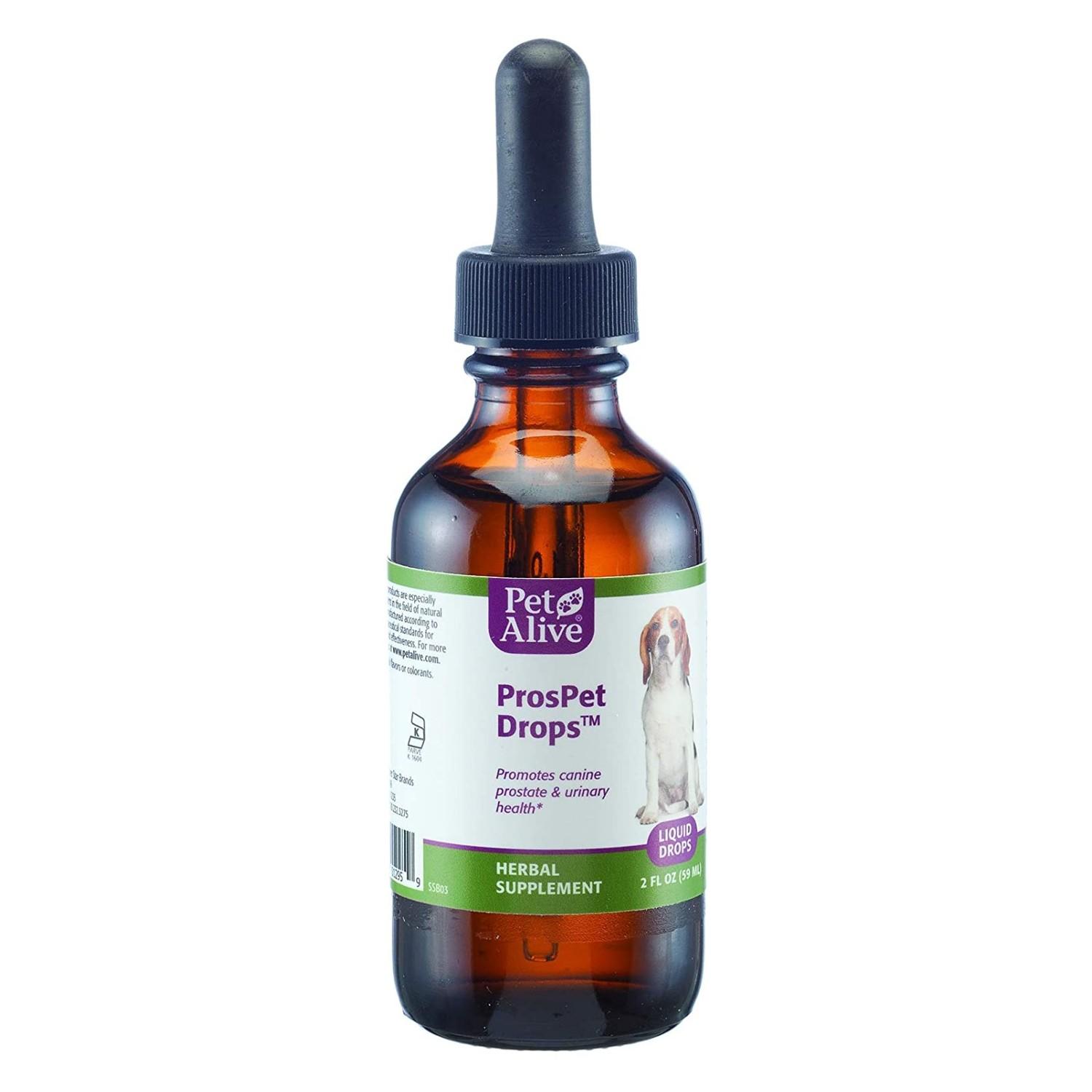
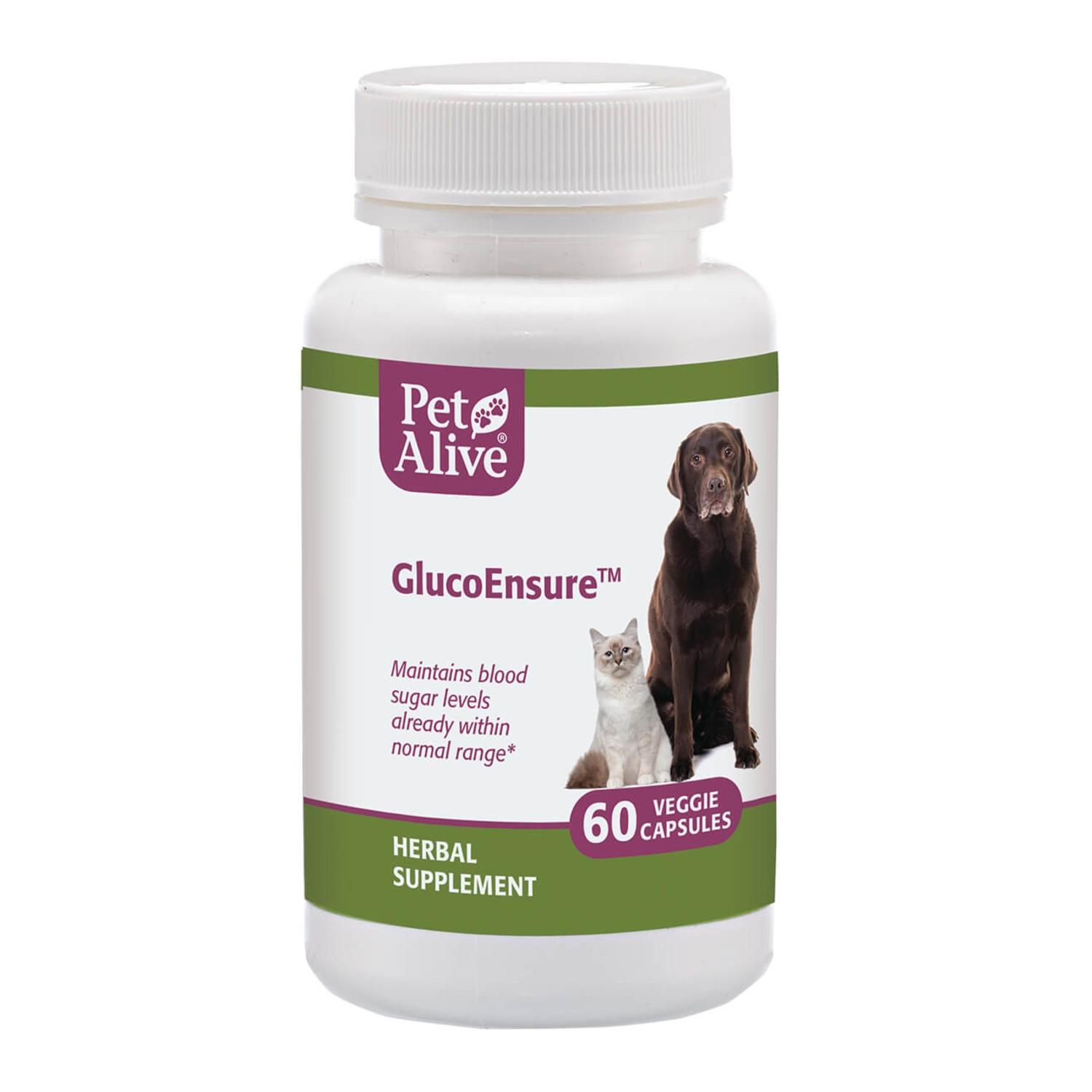
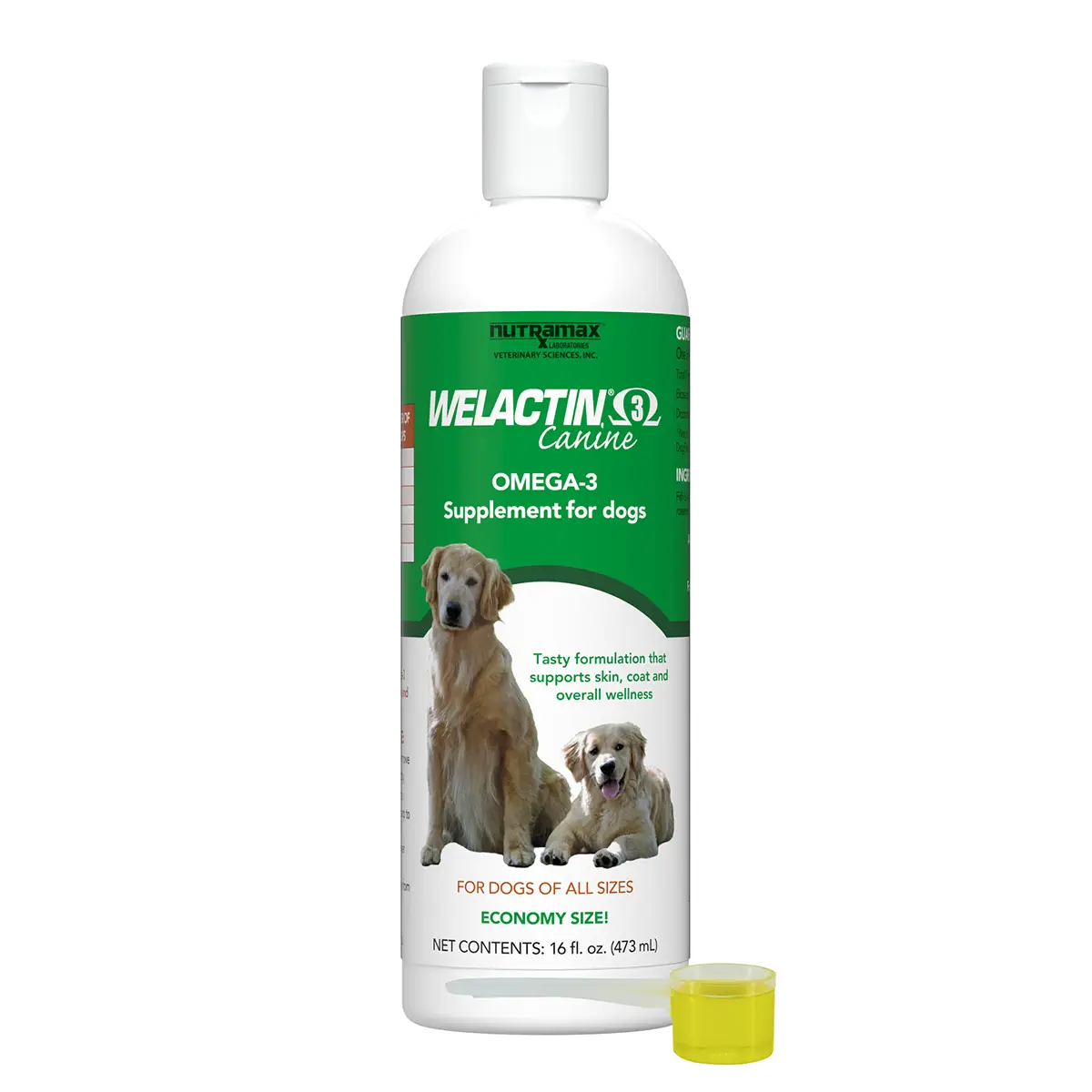
Dog Digestive & Urinary Aids









The One Week Mark: Stool Stability and Comfort
For many pet owners, the primary goal is fixing diarrhea or soft stools. If the issue is a simple digestive upset from eating something they should not have, you will usually see a difference by day five or seven. Stools should start to look firmer and more consistent in color. Our dog digestive health collection includes probiotic, prebiotic, and digestive-support options.
If your dog has been on antibiotics recently, this one week mark is crucial. Antibiotics are life saving but they act like a lawnmower in the gut. They clear out the bad bacteria and the good bacteria at the same time. Starting a probiotic during or immediately after an antibiotic course helps "reseed" the lawn. You should see less of the typical "antibiotic diarrhea" within a week of starting the supplement.
Weekly Progress Checklist
- Frequency of bowel movements returns to a normal schedule.
- Stool consistency moves from liquid or soft to a firm, pick-up-able shape.
- Stomach "gurgling" or audible digestion noises decrease.
- Excessive flatulence begins to subside.
For additional ideas about managing soft stools, read our guide to fiber and probiotics for dogs with diarrhea.
The One Month Mark: Skin and Immune Health
If you are using probiotics to help with itchy skin, seasonal allergies, or a dull coat, you must be patient. These issues are tied to the immune system. Roughly 70 percent of a dog's immune system lives in the digestive tract. It takes much longer for the gut to communicate with the skin and immune cells than it does to simply firm up a stool.
Skin cells in dogs take about three to four weeks to turn over. This means that even if the probiotic starts working on day one, you will not see the "new" and improved skin and coat until a full cycle has passed. By the end of week four, many owners report less paw licking and a noticeable shine returning to the fur. This is the point where the beneficial bacteria have established a stable population that can effectively modulate the immune response.
For more information about the connection between nutrition, itchy skin, and digestion, explore our guide to sensitive skin dog food.
Vet Tip: If your dog has severe skin sores, deep redness, or a strong odor, a probiotic alone is rarely enough. These can be signs of a secondary yeast or bacterial infection. Please consult your veterinarian for a diagnostic exam to see if prescription topicals or medications are needed alongside gut support.
Six Weeks and Beyond: The Gut-Brain Axis
One of the most fascinating areas of pet health is the connection between the gut and the brain. Certain strains of probiotics, such as Bifidobacterium longum (BL999), have been shown to help dogs stay calmer during stressful events. This is not a sedative effect. Instead, it is about reducing the body's physiological response to stress.
Because this involves the nervous system and neurotransmitter production, it is the slowest benefit to appear. Research suggests that it takes about six weeks of daily, consistent dosing to see a reduction in anxious behaviors like pacing, excessive barking, or jumping. If you are preparing for a stressful event like a cross-country move or a long boarding stay, we recommend starting the probiotic at least two months in advance.
Why Quality and CFU Count Matter for Speed
Not all probiotics are created equal. The speed at which you see results often depends on the "CFU" count. This stands for Colony Forming Units. It is a measure of how many live, active bacteria are in each serving. For a dog with active digestive issues, a higher CFU count is generally better.
We often see products with only a few million CFUs. While these might be fine for a very small puppy, an adult dog often needs billions of CFUs to see a fast turnaround. Strains also matter. A product with multiple strains is usually more effective than a single-strain supplement. Different bacteria live in different parts of the gut and perform different tasks.
For a product designed around digestive and immune support, consider AnimalBiome DoggyBiome Gut Restore.
| Strain Name | Primary Purpose | Expected Result Window |
|---|---|---|
| Enterococcus faecium | Diarrhea and stool quality | 2 to 7 days |
| Lactobacillus acidophilus | General digestion and gas | 1 to 2 weeks |
| Bifidobacterium animalis | Immune support and allergies | 4 weeks |
| Bifidobacterium longum | Calming and anxiety | 6 weeks |
How to Introduce Probiotics for the Best Results
The way you give the supplement can influence how quickly it works. If you throw a high dose at a dog with a sensitive stomach, you might cause more upset. This can lead to you stopping the supplement before it even has a chance to work.
Step 1: Start with a half dose. / Give this for the first two or three days to let the system adjust.
Step 2: Watch for gas or bloating. / If your dog seems comfortable, move up to the full recommended dose on the label.
Step 3: Give it with a meal. / Food can help act as a buffer and provide a "transport vehicle" for the bacteria to reach the intestines.
Step 4: Maintain a strict schedule. / Try to give the supplement at the same time every day to keep the bacterial levels stable.
Bottom line: Slow and steady wins the race when introducing new bacteria to your dog's delicate microbiome.
Factors That Can Slow Down Progress
Sometimes you might hit the four week mark and see no change. Before you give up, look at these external factors that might be sabotaging the probiotic.
Diet Quality
If your dog is eating a diet high in fillers, artificial dyes, or low quality proteins, the "bad" bacteria have a constant fuel source. Probiotics work best when they are supported by high quality, digestible proteins and healthy fiber sources. Our dog food selection can help you compare everyday nutrition options.
Prebiotics
Probiotics are live bacteria. Prebiotics are the fiber that feeds them. Without enough fiber, the good bacteria may starve before they can colonize the gut. Look for supplements that include prebiotics like inulin or chicory root.
Storage and Expiration
Bacteria are living organisms. If the bottle has been sitting in a hot warehouse or in direct sunlight on a porch, the bacteria may have died. Dead bacteria will not do much for your dog's gut. Always check the expiration date and follow storage instructions. Some powders require refrigeration, while most chews are fine in a cool, dark cupboard.
When Probiotics Are Not Enough: The Pharmacy Connection
Probiotics are wonderful wellness tools, but they are not a cure for every ailment. Some dogs suffer from chronic conditions like Inflammatory Bowel Disease (IBD), severe food protein allergies, or chronic pancreatitis. In these cases, a standard over-the-counter probiotic might only provide a small amount of relief.
We offer a dedicated pet pharmacy through our partnership with Pet's Choice. This allows us to provide FDA-approved medications and prescription-strength diets for dogs who need more than just a supplement. If your dog is losing weight, has blood in their stool, or has been vomiting frequently, you need to see a veterinarian immediately.
Your vet might prescribe a therapeutic diet from brands like Royal Canin or Farmina Vet Life. These diets are specifically formulated to be ultra-digestible and are often paired with prescription-strength probiotics or medications like metronidazole or tylosin. Our pharmacy can fulfill these prescriptions and have them delivered to your door, making it easier to manage a chronic health journey.
Vet Tip: Always finish the entire course of any prescribed medication, even if your dog starts looking better after two days. Stopping early can lead to recurring issues or antibiotic resistance.
Signs Your Dog's Probiotic Is Actually Working
It can be hard to track progress when you see your dog every day. We suggest taking a "before" photo of their coat or keeping a small log of their stool consistency for the first two weeks.
You will know the probiotic is working when you see these changes:
- The "One-Wipe" Stool: Stools are firm, consistent, and do not leave much mess behind.
- Improved Energy: When the gut is not cramping or uncomfortable, dogs are often more playful and energetic.
- Reduced "Doggy Breath": Bad breath often starts in the gut. A balanced microbiome can lead to fresher breath.
- Shiny Coat: A reduction in systemic inflammation often shows up first as a glossy, soft coat with less dander.
Choosing the Right Product at BaxterBoo
With over 500 brands available, we know that choosing a supplement can feel overwhelming. Our team handpicks every product we carry to ensure it meets high standards for safety and efficacy. Whether you prefer the convenience of a soft chew or the purity of a powder you can mix into wet food, we have options for every life stage.
If you find a product that works for your dog, we highly recommend our Autoship programme. Not only does it save you money on your first order, but it also ensures you never run out. Remember that probiotics require daily consistency. Skipping just a few days can allow the "bad" bacteria to start gaining ground again. Autoship keeps you on track and gives you a free MVP Gold membership for even more rewards.
Bottom line: Consistency is the most important factor in how quickly and effectively a probiotic works for your dog.
Summary of the Probiotic Timeline
Pet health is a journey, not a sprint. While we all want our dogs to feel better in ten minutes, the body takes time to repair and rebalance.
- 1 to 3 Days: The bacteria begin to compete for space. Internal pH levels shift.
- 3 to 7 Days: Acute diarrhea and gas usually begin to improve.
- 2 to 4 Weeks: The immune system begins to respond. Skin and coat health improves.
- 6 Weeks: The gut-brain axis stabilizes, potentially leading to a calmer, less anxious dog.
If you have a puppy or a senior dog, they may be even more sensitive to these changes. Puppies are still building their microbiome, while seniors often have a more fragile balance. Be patient with them. If you ever feel like the progress is stalling, our team is here to help you find a different strain or a more potent formula.
FAQ
Can I give my dog human probiotics to speed up the process?
While human probiotics are generally not toxic, they are not ideal for dogs. A dog's gut has a different pH and a different mix of natural bacteria than a human's gut. Using a species-specific supplement ensures the strains can survive the canine digestive environment and provide the right benefits.
Why did my dog get diarrhea after starting a probiotic?
This is sometimes called a "die-off" reaction or an adjustment period. As the good bacteria move in, the bad bacteria die off and release toxins that can temporarily cause loose stools or gas. This usually resolves within two to three days. If it lasts longer, you should reduce the dose or consult your vet.
Should I stop the probiotic once my dog's stool is firm?
It depends on why you started it. For a temporary upset from a diet change, a two-week course might be enough. However, for most dogs, the gut microbiome is constantly challenged by stress and environment. Many owners choose to keep their dogs on a daily probiotic as a long-term wellness strategy to support the immune system.
Does my dog need a prebiotic too?
Yes, prebiotics are very helpful because they act as the "food" for the probiotic bacteria. Most high-quality canine supplements now include both to ensure the live bacteria have the energy they need to colonize the gut. If your supplement does not have them, you can add a little bit of plain canned pumpkin (not pie filling) to their meal.






- Site & Contents BaxterBoo.com. BaxterBoo is located in the United States.
- Privacy & Security
- Terms of Use
- Accessibility Statement
