
 Save 15% on your 1st Autoship learn more

 Email us
 Live Chat
 FAQs
FAQs





Introduction
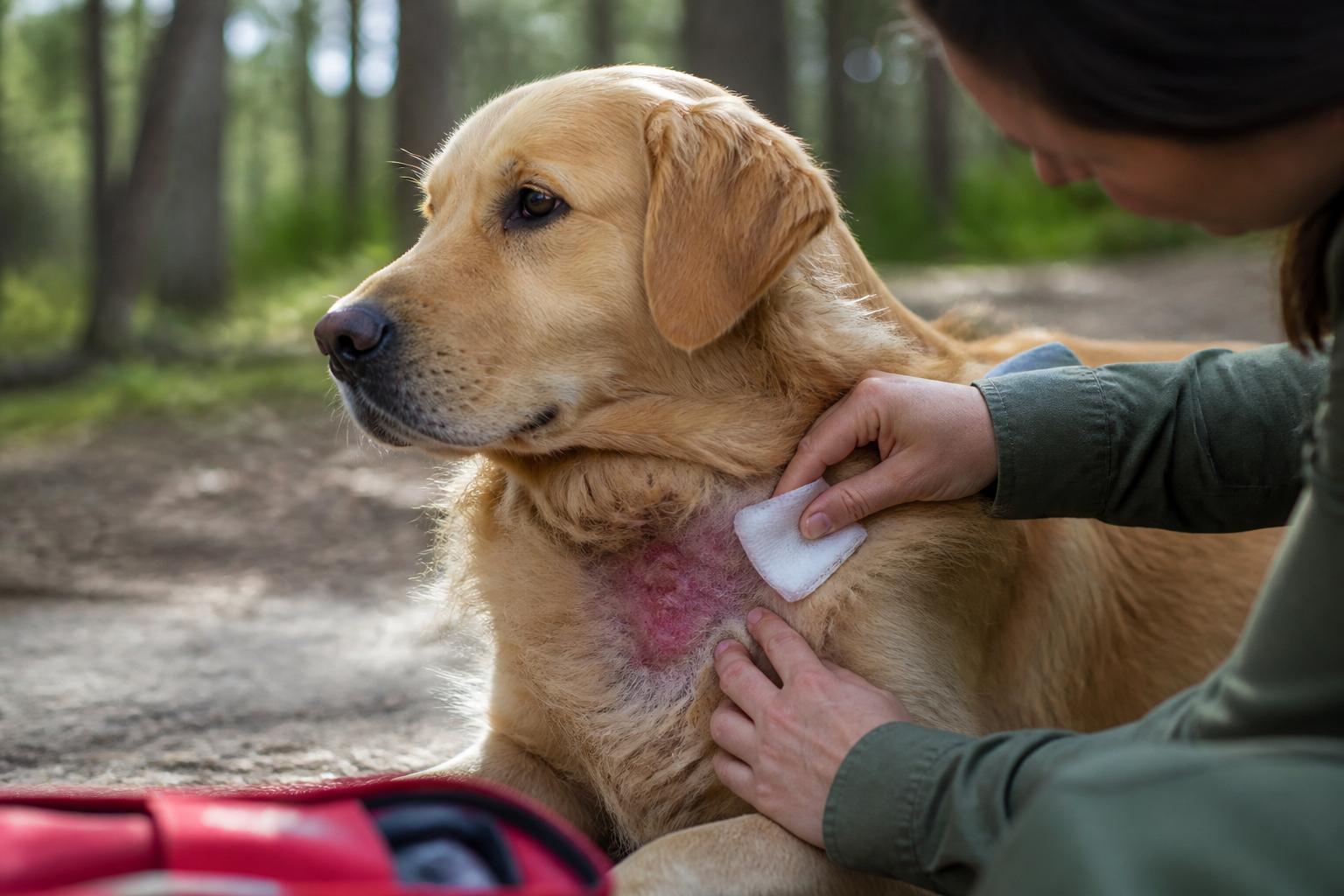
You just finished a thorough grooming session and your dog looks fantastic. Then you notice them flinching when you pet their side. You might see a patch of bright red skin or notice them licking a specific spot on their leg. This uncomfortable skin irritation is known as brush burn. It is a common mistake that even the most careful pet owners can make. At BaxterBoo, we have helped countless owners navigate the recovery process for skin irritations. Understanding why this happens and how to treat it can make your future grooming sessions much safer. This guide explains the healing timeline for slicker burn and how you can prevent it from happening again. Most minor cases resolve quickly if you take the right steps to protect the skin.
What Is Brush Burn on a Dog?
Brush burn is a form of skin abrasion caused by friction. It most often happens when a grooming tool is used with too much pressure or for too long in one spot. It is also called slicker burn because slicker brushes are the most common culprit. These brushes have fine wire bristles that are designed to pull out dead hair. If those wires scrape against the skin repeatedly, they create tiny scratches and inflammation.
The skin on a dog is much thinner than human skin. While we have many layers of skin cells to protect us, dogs only have about three to five layers. This makes them very sensitive to mechanical friction. A brush that feels fine on your arm might be far too sharp for your dog's belly or inner thighs.
Quick Answer: A typical case of brush burn lasts between three and seven days. If the area is kept clean and the dog does not lick it, the redness should fade within a week. Severe cases involving broken skin or secondary infections may take two weeks or longer to heal completely.
The Healing Timeline for Brush Burn
The duration of a brush burn depends mostly on the severity of the irritation. Most cases fall into the category of a first degree burn. This means only the top layer of skin is affected.
Day 1 to Day 2: The Acute Phase
During the first 48 hours, the skin will look its worst. It will be bright red, warm to the touch, and very sensitive. Your dog might try to lick the area constantly. This is the most critical time to intervene. If your dog licks the spot, they introduce bacteria from their mouth. This can turn a simple irritation into a painful hot spot in just a few hours.
Day 3 to Day 5: The Recovery Phase
By the third day, the bright red color should fade to a dull pink. The skin may start to feel slightly dry or flaky. You might notice small scabs forming if the skin was broken. If the area is no longer sensitive to a light touch, the skin is successfully repairing itself.
Day 6 and Beyond: Final Healing
For a minor burn, the skin should return to its normal color by day seven. Hair growth may be slightly delayed in that specific spot if the follicles were irritated. If the area is still bright red or starts to ooze fluid after five days, the healing process has stalled.
Key Takeaway: The fastest way to heal a brush burn is to stop the "lick cycle" immediately. Use a recovery collar or a t-shirt to keep your dog's tongue away from the irritated skin.
Signs and Symptoms of Slicker Burn
It is important to distinguish a brush burn from other skin issues like allergies or flea bites. Brush burn usually appears immediately after a grooming session. It is almost always confined to the areas you just brushed.
Common signs include:
- Bright red or pink skin in a localized area.
- The dog flinching or yelping when touched near the spot.
- Constant licking or chewing at the site.
- Small, red "stripes" that match the pattern of the brush bristles.
- A slight swelling or heat coming from the skin.
In more severe cases, you might see "weeping" skin. This is when a clear or yellowish fluid oozes from the area. This indicates that the abrasion went deeper into the dermis. If you see pus or a foul smell, a secondary infection has likely set in.
Common Causes of Brush Burn
Most brush burns are not caused by bad intentions. They usually happen because of a mismatch between the tool, the coat, and the technique.
Using the Wrong Brush
Using a wire slicker brush on a short-haired dog like a Boxer or a Beagle is a recipe for irritation. Those breeds have very little hair to buffer the impact of the wires. Similarly, using a shedding rake with long metal teeth on a dog with a thin coat can scrape the skin easily.
Excessive Pressure
Many owners feel they need to push the brush down to get through thick fur. However, the brush should glide through the hair. If you find yourself pressing the brush into the skin to reach the undercoat, the tool is likely too small or the hair is too matted.
Brushing a Wet Coat
Hair is more elastic when it is wet. It stretches and then snaps back, which can cause the brush to catch on the skin more easily. Unless you are using a specific brush designed for bath time, it is usually safer to brush your dog when they are completely dry. For additional bath and brushing guidance, read our tips for bathing your dog.
Focusing on One Spot
It is easy to get distracted by a stubborn tangle. If you brush the same three inch patch of fur for five minutes straight, the friction will eventually burn the skin. It is better to work on a tangle for thirty seconds and then move to a different part of the body before returning to it.
Vet Tip: If your dog has very pale or white skin, they are often more prone to visible brush burns. Their skin tends to be more sensitive to environmental stress. Always use a lighter touch with light-colored dogs.
How to Treat Brush Burn at Home
If you notice a red patch after grooming, don't panic. Most cases can be managed with simple home care. The goal is to cool the skin and prevent infection.
Step 1: Clean the area. / Use cool water and a very mild, fragrance-free soap. Gently pat the area dry with a clean towel. Do not rub the skin.
Step 2: Apply a soothing agent. / Use a pet-safe recovery gel or a thin layer of pure aloe vera. Ensure the product does not contain alcohol or heavy perfumes.
Step 3: Block access. / This is the most important step. Put a recovery collar on your dog or cover the area with a light cotton garment. If they cannot lick it, it will heal much faster.
Step 4: Monitor for changes. / Check the spot twice a day. If the redness spreads or you see signs of infection, you need to contact your veterinarian.
Choosing the Right Tools for Every Coat Type
Prevention starts with having the right equipment in your grooming kit. We carry over 500 trusted brands at BaxterBoo to help you find the perfect match for your dog's specific needs. Explore our dog grooming supplies to compare brushes, combs, shampoos, and other grooming essentials.
Smooth and Short Coats
For dogs like Labradors or Pointers, skip the wire slicker brush entirely. A rubber curry brush or a soft bristle brush is much safer. These tools massage the skin and remove loose hair without any risk of abrasion.
Double Coats
Dogs like Huskies and German Shepherds require an undercoat rake. These tools have rounded metal teeth that reach deep without scratching the skin. Always use the rake parallel to the skin rather than digging the tips into it.
Curly and Long Coats
Poodles and Doodles often need a slicker brush to prevent mats. To avoid burn, choose a slicker brush with "tipped" bristles. These have tiny protective caps on the ends of the wires. You should also use a detangling spray to help the brush slide through knots. Our guide to grooming a curly-haired dog offers additional coat-care ideas.
Sensitive Areas
Be extra careful around the "thin skin" areas. This includes the belly, the armpits, the groin, and the ears. These spots have very little fat or muscle beneath the skin, making them much more vulnerable to injury. Use a soft bristle brush or a comb for these sensitive zones.
When to See a Veterinarian
While most brush burns are minor, some require professional medical help. You should never wait if your dog seems to be in significant pain or if the skin looks infected.
Signs that require a vet visit include:
- The area is oozing green or yellow discharge.
- The redness is spreading away from the original site.
- The dog is acting lethargic or has lost their appetite.
- The skin feels hot or has a hard, crusty texture.
- The dog is yelping or snapping when you get near the area.
Our pet pharmacy provides access to prescription medications through our partnership with Pet's Choice. If your veterinarian determines that the burn has led to a skin infection, they may prescribe a medicated cream or an antibiotic. Having these prescriptions filled through our pharmacy is a convenient way to get the exact treatment your pet needs.
Bottom line: A brush burn is a surface injury, but an infection can become a systemic problem. When in doubt, a quick checkup with your vet is the safest choice.
Grooming Best Practices to Prevent Irritation
You can make grooming a positive experience by changing a few simple habits. The goal is to remove dead hair without ever bothering the skin.
- The "Arm Test": Before using a new brush on your dog, run it across the inside of your own forearm with the same pressure you plan to use. If it feels scratchy or leaves red marks on you, it is too harsh for your dog.
- Use Line Brushing: Instead of brushing the top of the coat, use one hand to pull the hair up. Brush the hair underneath in small sections. This allows you to see exactly where the brush is touching the skin.
- Limit Sessions: High-maintenance coats shouldn't be groomed all at once. Break it up into fifteen-minute sessions over several days. This prevents the skin from getting over-stimulated.
- Check Frequently: Stop every few minutes to look at the skin you just brushed. If it looks pink, move to a different area.
Managing the Pain of Skin Abrasions
A brush burn feels very similar to a bad sunburn. It stings and itches. While the skin heals, your dog might be grumpy or restless. You can help keep them comfortable by providing a cool place to rest.
Avoid applying human ointments like Neosporin unless specifically told to do so by a professional. Some human products contain ingredients that are toxic if licked. Stick to products specifically formulated for canine skin pH. We carry various soothing supplements and topical aids in our medical and mobility section that support healthy skin recovery.
If your dog is already taking supplements for joint health, like Cosequin, continue their regular routine. Keeping their overall inflammation low can help the body focus on repairing the skin.
The Role of Professional Groomers
If you find that you consistently struggle with brush burn at home, it might be worth visiting a professional. Professional groomers are trained to handle different coat types and know exactly which tools to use. However, even professionals can occasionally cause slicker burn, especially if a dog's coat is severely matted.
If your dog comes home from a professional with red marks, speak to the groomer. They should know so they can adjust their technique or tools for your dog's next visit. Sometimes, a "shave down" is necessary for matted dogs, which leaves the skin temporarily exposed and more sensitive to the clippers and brushes.
Supporting Your Dog's Skin Health
A healthy coat starts from the inside. Dogs with dry, flaky skin are more prone to irritation from brushing. Ensure your dog is eating a high-quality diet rich in Omega fatty acids. Brands like Farmina or The Honest Kitchen offer recipes specifically designed to support skin and coat health. Explore our selection of The Honest Kitchen and Farmina products when comparing food options.
You might also consider adding a skin and coat supplement to their meals. These products often contain fish oil or biotin, which help strengthen the skin barrier. A strong skin barrier is much more resistant to the friction of a grooming brush.
Conclusion
Brush burn is a temporary setback that usually heals within a week. By identifying the signs early and stopping your dog from licking the area, you can ensure a quick recovery. Remember that the right tools make all the difference. Using a brush that matches your dog's coat type will keep them comfortable and keep their skin healthy. We invite you to explore our wide selection of grooming supplies to find the safest options for your pet. If your dog's skin needs more than just a little rest, talk to your vet about our pharmacy options. Taking a proactive approach to grooming will turn a chore into a bonding experience that both you and your dog enjoy.
Key Takeaway: Always pair your grooming routine with a light touch and the correct tools for your dog's specific coat to avoid painful skin abrasions.
FAQ
How can I tell if my dog has a brush burn or a hot spot?
A brush burn is a physical abrasion that appears immediately after grooming and usually looks like red streaks or a flush. A hot spot is a localized skin infection that is often wet, oozing, and spreads very rapidly. If the red area seems to be getting bigger or wetter every hour, it has likely transitioned into a hot spot and requires a vet visit.
Can I put coconut oil on a dog's brush burn?
Coconut oil has soothing properties, but it can also encourage a dog to lick the area because they like the taste. Licking is the primary cause of infections in brush burns. It is usually better to use a dedicated pet-safe spray or gel that is designed to be bitter or unappealing to taste, ensuring the area stays dry and protected.
Why does my dog keep getting brush burn even though I am being gentle?
Your dog may have particularly sensitive skin or you might be using a tool that is too sharp for their coat type. If you are using a slicker brush, try switching to one with coated tips or use a soft bristle brush instead. You should also ensure the coat is completely dry and free of small tangles before doing a deep brushing session.
Does brush burn cause permanent hair loss on a dog?
In the vast majority of cases, the hair will grow back perfectly once the skin heals. Permanent hair loss only occurs if the burn is so severe that it causes deep scarring that damages the hair follicles. If you manage the irritation correctly and prevent infection, your dog’s coat should return to normal within a few weeks of the skin healing.






