
 Save 15% on your 1st Autoship learn more

 Email us
 Live Chat
 FAQs
FAQs





Introduction
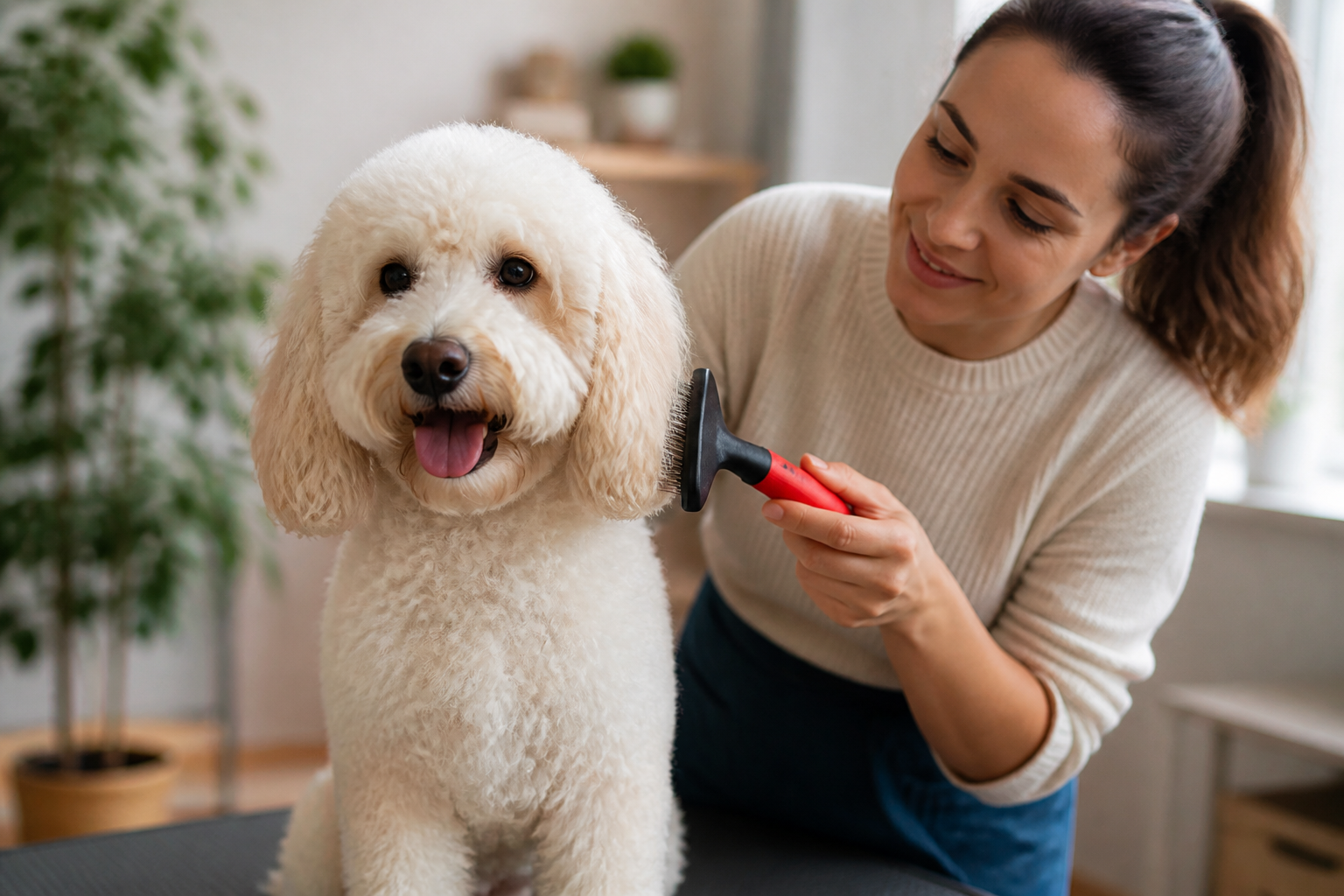
You are standing in your living room with a slicker brush in one hand and a somewhat patient dog at your feet. You have been brushing for five minutes. You might wonder if you are finished or if you have barely scratched the surface. Brushing is one of those tasks that feels simple until you realize how much it impacts your dog's skin health and comfort. At BaxterBoo, we talk to pet owners every day who want to do right by their dogs but feel unsure about the actual time commitment required for a healthy coat.
The time you spend brushing depends heavily on your dog's breed, the current season, and the specific tools in your kit. This post covers exactly how long you should spend on different coat types and how to make that time more effective. We will look at techniques for short, long, and curly hair to ensure your dog stays mat-free and happy.
Quick Answer: Most short-haired dogs only need five to ten minutes of brushing once a week. Long-haired or double-coated breeds often require fifteen to thirty minutes per session, several times a week. Curly coats need daily attention for ten to fifteen minutes to prevent tight mats near the skin.
Factors That Determine Brushing Time
The clock does not start and stop at the same time for every dog. Several variables change how much time you need to invest. A tiny Chihuahua with a smooth coat is a much faster project than a Great Pyrenees in the middle of a spring shed.
Coat Length and Texture
Longer hair naturally takes more time because there is more surface area to cover. Beyond length, texture plays a massive role. Silky hair like that of a Yorkie tangles easily. Coarse, wire-haired coats may trap more dirt. Double coats have two layers of fur that require you to brush through the top layer to reach the dense undercoat.
Current Shedding Status
During the spring and fall, many dogs blow their coats. This is a period of intense shedding where the undercoat thins out or thickens up for the coming season. During these weeks, your brushing sessions might double in length. You are not just maintenance brushing. You are actively removing dead hair before it carpets your home or forms mats.
Your Dog’s Experience Level
A puppy who thinks the brush is a chew toy will make the process take twice as long. Similarly, a senior dog with stiff joints may need you to move more slowly and carefully. Training your dog to stand or lie still significantly reduces the total time spent over the long run.
Brushing Duration for Short and Smooth Coats
Dogs with short, smooth coats like Boxers, Labradors, or Pugs are the easiest to manage. You are primarily looking to remove loose hair and distribute skin oils.
For these breeds, a session lasting five to ten minutes is usually plenty. You do not have to worry about deep tangles or mats. Instead, your focus is on the health of the skin. Using a rubber curry brush or a soft bristle brush allows you to cover a lot of ground quickly. For more options, explore our dog grooming supplies.
If your short-haired dog is a heavy shedder, you might spend an extra five minutes once a week using a specialized deshedding tool. Always be gentle on areas where the bone is close to the skin, such as the spine and hips.
Short Coat Checklist
- Check the skin for redness or dry flakes.
- Use long, sweeping strokes in the direction of hair growth.
- Spend two minutes on the back and sides.
- Spend one minute each on the legs and tail.
- Finish with a quick rubdown using a grooming mitt to add shine.
Key Takeaway: Efficiency is the goal for short coats. Five to ten minutes of weekly brushing keeps the skin healthy and reduces the amount of hair on your furniture.
Managing Long and Silky Coats
Long-haired dogs like Golden Retrievers or Silkies require a different approach. You cannot just brush the surface. If you only brush the top layer, mats will form hidden against the skin.
Plan for fifteen to thirty minutes per session. You should aim for at least three sessions per week. If the coat is kept in a long "show cut," you may need to brush daily. The process involves sectioning the hair. You lift the top layer and brush the hair underneath, starting from the skin and working outward. A dedicated dog brushes and combs collection can help you choose tools suited to longer coats.
If you encounter a mat, do not rush. Take an extra few minutes to pick it apart gently with your fingers or a metal comb. Rushing through a mat causes pain and makes your dog fear the brush.
Vet Tip: If you find a mat that is tight against the skin or seems to be causing a red, irritated "hot spot," consult your veterinarian. Removing deep mats can sometimes reveal skin infections that require professional treatment or medication.
The Time Commitment for Curly and Wavy Hair
Poodles, Bichon Frises, and many "Doodle" mixes have coats that do not shed in the traditional sense. Instead, the hair that falls out gets trapped in the curls. This creates a high risk for matting.
You should spend about fifteen minutes every single day on these coats. If you skip a few days, the time required to catch up will grow exponentially. A daily routine keeps the curls bouncy and prevents the hair from felting together.
Use a high quality slicker brush to work through the curls. Follow up with a metal comb to ensure you can reach all the way to the skin. If the comb catches, you have more work to do in that spot. For additional guidance, see how to groom a dog with curly hair.
How to Save Time on Curly Coats
- Keep the hair clipped shorter to reduce daily maintenance.
- Focus on high friction areas like behind the ears and under the armpits.
- Always use a detangling spray to help the brush glide.
Brushing Double Coated Dogs
Double-coated breeds like Huskies, Pomeranians, and German Shepherds have a soft undercoat and a tougher outer coat. Brushing these dogs is about managing volume.
During most of the year, twenty minutes twice a week is sufficient. However, when they are shedding their undercoat, you may need to spend thirty to forty-five minutes every day for a week or two. You will know you are done when the rake or brush stops coming out full of fuzzy undercoat hair.
We recommend using an undercoat rake for these breeds. It reaches through the guard hairs to pull out the dead fluff without damaging the topcoat. It is a more efficient use of your time than a standard bristle brush. A Warren London Long Hair De-Shedding Pet Brush is another option for longer coats.
The Role of Wet Brushing and Conditioners
There is a common debate about whether to brush a dog when they are wet or dry. Generally, brushing a completely dry, dirty coat can cause hair breakage. It also takes longer because there is more friction.
Adding a light mist of leave-in conditioner can cut your brushing time by a third. It provides "slip," allowing the brush to move through tangles without snagging.
If you are bathing your dog, the best time to brush is while the conditioner is sitting on the coat. This is known as wet brushing. Use a wide-toothed comb or a specific wet-use brush. The water and conditioner work together to release trapped hair. Just remember to be very gentle. Hair is more elastic and prone to stretching when it is saturated with water. For more bath-time guidance, read these dos and don'ts for bathing your dog.
Bottom line: Using a conditioning spray or brushing during the bath makes the process faster and more comfortable for your dog.
How to Tell When You Are Finished
It is easy to get lost in the process and either stop too soon or keep going until your dog is annoyed. There are a few physical signs that you have reached the finish line.
First, run a metal comb through the coat. If it glides from the skin to the tips of the hair without catching on anything, you have successfully removed the tangles. This is the gold standard for long and curly hair.
Second, look at the brush. If you are only getting a few stray hairs instead of huge clumps, you have removed the majority of the dead coat.
Third, feel the coat. It should feel airy and light. If certain spots still feel dense, heavy, or "lumpy," there is likely trapped undercoat or a beginning mat that needs more attention.
Training Your Dog for Longer Sessions
If your dog struggles to sit still for twenty minutes, you do not have to do it all at once. It is better to do five minutes of high quality brushing than twenty minutes of struggling.
Start by brushing one small area, like a shoulder, then give a treat and stop. Gradually increase the time. Many owners find that brushing while the dog is relaxed in the evening works best. If you make it a calm, bonding moment, your dog will eventually learn to enjoy the sensation.
If your dog shows signs of extreme stress, such as growling, snapping, or heavy panting, stop the session. You may need to consult a trainer or a professional groomer to help desensitize them to the tools.
Health Checks and the Pharmacy
Brushing is the perfect time to perform a "home physical" on your dog. As you move the hair aside, you get a clear view of the skin. This is often when owners first notice lumps, bumps, or parasites.
Look for small, moving specks or tiny black grains that look like pepper. This is often a sign of fleas. You should also check for ticks, especially after walks in wooded areas. If you find evidence of pests or skin irritation, our flea and tick collection carries a variety of FDA-approved flea and tick preventatives. Through our partnership with Pet's Choice, we provide access to both over-the-counter and prescription medications to keep your pet healthy.
If you notice a new lump or a patch of skin that looks red and angry, it is important to contact your veterinarian. They can provide a proper diagnosis and send a prescription to our pharmacy if your dog needs medicated shampoos or ointments.
Vet Tip: Never try to cut out a mat with scissors. It is very easy to accidentally snip the dog's skin, which is thin and moves easily. Use a dematting tool or ask a groomer for help if a mat is too tight to brush out.
Choosing the Right Tools to Save Time
Using the wrong brush is the number one reason grooming takes too long. If you use a soft bristle brush on a matted Poodle, you are not actually accomplishing anything.
The Slicker Brush
This is the workhorse for most breeds. It has fine wire bristles that are slightly angled. It is excellent for removing loose hair and detangling medium to long coats. The Master Grooming Tools Ergonomic Slicker Dog and Cat Brush is one available option.
The Pin Brush
This looks like a human hairbrush but with metal pins. It is best for long, silky coats where you want to avoid breakage. It provides a finished look but is not the best for removing heavy mats.
The Rubber Curry Brush
Tools like the KONG Zoom Groom Natural Rubber Dog Grooming Brush are perfect for short-haired dogs. They massage the skin and pull away loose hair using friction. These are also great to use in the bath.
The Metal Comb
Every dog owner should own a sturdy metal comb. It is the only way to truly verify that you have brushed all the way down to the skin. It is the ultimate "quality control" tool.
Step 1: Select your primary brush. Use a slicker or rake for the heavy lifting.
Step 2: Work in sections. Start at the rear or the feet and work forward.
Step 3: Use a detangling spray. Mist any areas that feel dry or tangled.
Step 4: Verify with a comb. Run the comb through the section you just finished.
Step 5: Reward your dog. Give a small treat to associate brushing with a positive experience.
Seasonal Adjustments
Your brushing routine should change with the weather. In the winter, you might brush less often to keep the coat thick for warmth. However, if your dog wears sweaters or coats, the fabric rubbing against the fur can cause "friction mats." You will need to brush those areas every time the sweater comes off.
In the summer, more frequent brushing helps the skin breathe. It also gives you a chance to check for environmental allergens or burrs that may have gotten caught in the fur during outdoor play.
Conclusion
Brushing your dog is a fundamental part of their care that goes far beyond looks. Whether you spend five minutes on a smooth coat or thirty minutes on a thick double coat, that time prevents pain and keeps the skin healthy. We suggest making it a consistent part of your weekly routine rather than a monthly chore. Regular attention at home also makes visits to a professional groomer much less stressful for your dog.
- Short coats need 5-10 minutes weekly.
- Long and curly coats require 15-30 minutes several times a week.
- Always brush in the direction of hair growth and check down to the skin.
- Use a metal comb to verify that you have removed all tangles.
If you find that your dog's skin needs a little extra help or you need to stock up on grooming supplies, visit our grooming category to find the right tools for your specific breed. For any skin issues or pest prevention, our pharmacy is ready to help with trusted, FDA-approved solutions.
Key Takeaway: Quality is more important than quantity. Using the correct tool for your dog's coat type ensures that the time you spend brushing actually improves their health and comfort.
FAQ
Can I brush my dog for too long?
Yes, you can over-brush a dog, which is often called "brush burn." If you stay in one spot for too long with a firm slicker brush or a deshedding tool, you can irritate the skin or cause bald spots. Always keep the brush moving and watch for signs of skin redness.
What should I do if my dog hates being brushed?
Start with very short sessions, even just sixty seconds, and pair the activity with high-value treats. Focus on easy areas like the back first before moving to sensitive spots like the tail or belly. If your dog remains fearful, a professional groomer can help provide a "reset" with a professional clip and advice on tools.
Do I need to brush my dog if they don't shed?
Yes, non-shedding dogs actually require more brushing than shedding breeds. Because the hair does not fall out on its own, it stays trapped against the skin and quickly forms tight, painful mats. Daily or near-daily brushing is essential for breeds like Poodles, Malteses, and Doodles.
Is it better to brush a dog before or after a bath?
It is almost always better to brush your dog before a bath. Water acts like a glue for mats, making them much tighter and harder to remove once they get wet. Brushing beforehand removes the majority of loose hair and tangles so the shampoo can reach the skin more effectively.






