
 Save 15% on your 1st Autoship learn more

 Email us
 Live Chat
 FAQs
FAQs





Introduction
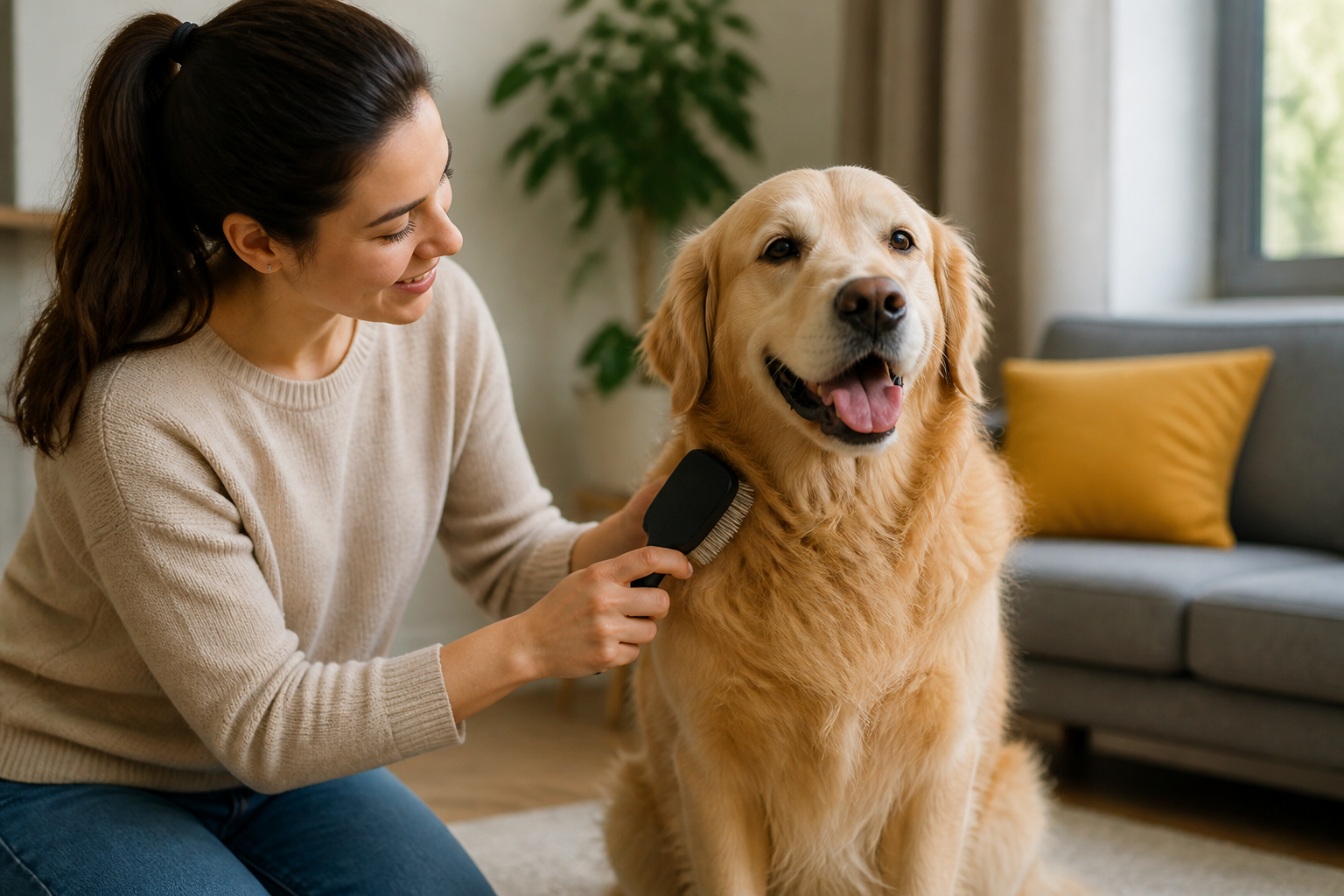
You reach down to pet your dog and feel a stubborn knot behind their ears. Or perhaps you notice a sudden cloud of fur drifting across your hardwood floors every time your pup stands up. These moments are common for every pet owner. Determining exactly how many times you should brush your dog depends on their specific coat type and lifestyle. At BaxterBoo, we know that a solid grooming routine is about more than just looking good. It is a vital part of maintaining your pet's skin health and overall comfort. This guide covers the ideal frequency for various breeds, the best tools for the job, and how to make the process enjoyable for your dog. Regular brushing prevents painful mats and keeps your home a little cleaner.
Quick Answer: Most dogs benefit from brushing at least two to three times per week. Dogs with long, silky hair or thick double coats often require daily brushing to prevent tangles and mats. Short-haired breeds can usually go a week between sessions, though more frequent brushing helps reduce shedding.
Understanding Coat Types and Frequency
Every dog has a unique coat that dictates their grooming schedule. You cannot use a one-size-fits-all approach when it comes to the brush. A Labrador has very different needs compared to a Poodle or a Yorkshire Terrier.
Short and Smooth Coats
Dogs like Boxers, Beagles, and Great Danes have short hair that lies close to the skin. You might think these dogs do not need much brushing because they do not get tangles. However, short-haired dogs still shed. Brushing them once a week is usually enough to remove loose hair and distribute natural skin oils. During heavy shedding seasons in the spring and fall, you may want to increase this to twice a week.
Double Coats
Breeds such as Golden Retrievers, German Shepherds, and Huskies have a dense undercoat protected by a longer topcoat. These dogs are heavy shedders. You should aim to brush a double-coated dog at least three times a week. During "coat blowing" season, which happens twice a year, daily brushing is almost a necessity. This helps pull out the dead undercoat before it ends up on your furniture. For more ideas about managing a thick double coat during shedding season, read our guide to Australian Shepherd shedding.
Long and Silky Coats
Yorkshire Terriers and Cocker Spaniels have hair that is very similar to human hair. It grows continuously and can tangle easily. To keep these dogs comfortable, you should brush them every day. If you skip even a few days, small knots can quickly turn into tight mats that are difficult to remove without cutting the hair.
Curly and Wire Coats
Poodles and many "Doodle" mixes have curly hair that traps loose fur instead of letting it fall to the ground. While this makes them lower shedders for your home, it makes them high maintenance for grooming. These curls can trap dirt and form mats close to the skin. Daily brushing or every other day is the standard here. Wire-haired breeds like certain Terriers also need brushing two to three times a week to keep the coat from becoming dull and tangled. For additional curly-coat techniques, see our guide to grooming dogs with curly hair.
Key Takeaway: Match your brushing frequency to the hair length and density. Longer and curlier coats always require more frequent attention than short, smooth ones.
The Physical Benefits of Regular Brushing
Brushing is not just a cosmetic task. It serves as a mini health check for your dog. When you run a brush through their hair, you are doing more than removing fur. You are stimulating the blood flow to the skin surface. This promotes a healthier, shinier coat.
Regular sessions allow you to spot problems early. You might find a new lump, a tick, or a patch of irritated skin that was hidden under a thick coat. Finding these issues early can make a big difference in treatment. It also helps to spread the natural oils produced by the skin. Without brushing, these oils stay at the base of the hair. Brushing pulls them down the hair shaft, providing a natural shine and protection.
Vet Tip: If you notice your dog is shedding excessively, has bald patches, or is constantly itching, consult your veterinarian. These can be signs of underlying allergies or skin infections that require professional diagnosis.
Choosing the Right Tools
Using the wrong brush can be ineffective or even uncomfortable for your dog. Our warehouse at BaxterBoo is stocked with different types of brushes because we know there is no universal tool. Browse our dog grooming supplies to compare brushes, combs, shampoos, and other grooming essentials.
Slicker Brushes
These have fine, short wires closely spaced on a flat or curved head. They are excellent for removing mats and tangles in medium to long-haired dogs. They work well for Poodles and Golden Retrievers. You should use a light hand to avoid scratching the skin.
Bristle Brushes
These are best for short-haired or smooth-coated dogs. The bristles are packed tightly and help remove loose hair while smoothing the coat. If your dog has very short hair, a soft bristle brush is the gentlest option.
Undercoat Rakes
If you have a Husky or a Malamute, an undercoat rake is essential. These tools have long metal tines that reach through the topcoat to pull out the loose undercoat. They are designed to remove large amounts of fur quickly during shedding season. You can also explore our dog brushes, combs, and clippers for tools designed to reach beneath the topcoat.
Rubber Curry Brushes
The KONG Zoom Groom Natural Rubber Dog Grooming Brush is a popular example of this tool. These are made of soft rubber and are perfect for short-haired dogs. They massage the skin while pulling away loose fur. Many dogs find the rubber nibs very relaxing, almost like a massage.
Bottom line: Invest in high-quality tools specifically designed for your dog's coat type to make grooming faster and more effective.
How to Brush Your Dog Correctly
Technique matters as much as frequency. If you pull too hard on a knot, your dog will learn to dislike grooming. Start by letting your dog sniff the brush. Give them a small treat to create a positive association.
Step 1: Inspect the coat. / Run your hands over your dog to feel for any large mats or sensitive spots.
Step 2: Start at the head. / Work your way down the body toward the tail. Always brush in the direction the hair grows.
Step 3: Be gentle with sensitive areas. / Use extra care around the belly, ears, and legs where the skin is thinner.
Step 4: Use a detangling spray if needed. / For long-haired dogs, a spray can help the brush glide through knots without pulling.
Step 5: Reward your dog. / Give them praise and a treat like a Greenies dental chew when the session is over. You can find our selection of Greenies products alongside other pet treats.
Managing Mats and Tangles
Mats are clumps of hair that have become densely tangled. They are not just an eyesore. They can pull on the skin and cause pain or even skin infections. If you find a mat, do not try to pull it out with a brush. This will hurt your dog and make them fear the brush.
Try to pick the mat apart with your fingers first. You can also use the edge of a slicker brush to gently "pick" at the outer edges of the knot. If a mat is tight against the skin, it is often safer to have a professional groomer or a vet remove it with clippers. Never use scissors to cut out a mat. Dogs have very thin skin, and it is incredibly easy to accidentally cut them if they wiggle.
Seasonal Changes in Brushing
Your grooming routine should change with the weather. In the spring, most dogs shed their heavy winter coats. This is when you will need to increase your brushing frequency. Even "non-shedding" breeds may need more attention as the humidity changes and affects their skin.
In the winter, you might be tempted to let the hair grow long to keep your dog warm. This is fine, but long hair mats much faster in the snow and rain. Wet fur that air dries often forms tight knots. If your dog gets wet during a winter walk, dry them off and give them a quick brush to ensure no tangles are forming. For recurring grooming supplies, consider our Autoship programme.
Brushing Checklist
- Check for mats before starting.
- Have treats ready to reward calm behavior.
- Ensure the brush reaches the skin, not just the top layer.
- Inspect ears and paws for debris.
- Clean your brushes after every use to remove bacteria and old fur.
Training Your Dog to Enjoy Grooming
Not every dog loves being brushed. Some may try to hide or even nip at the brush. The key is to start slow and keep sessions very short. Five minutes of happy brushing is better than twenty minutes of struggling.
If your dog is nervous, start by using the back of the brush. Let them feel the sensation without the bristles. Gradually move to a few real strokes. If they stay calm, give them a treat immediately. Over time, you can increase the duration. If you have a puppy, start this process on day one. Even if they do not have much hair yet, getting them used to the feeling of being handled is vital for their future.
Nutrition and the Role of the Pharmacy
A healthy coat starts from the inside. If your dog's hair is brittle or they are shedding more than usual, it could be related to their diet. High-quality foods like those from Farmina or Royal Canin provide the essential fatty acids needed for skin health. Omega-3 and Omega-6 supplements can also make a significant difference.
Sometimes, skin issues require more than just a good brush. If your dog has persistent itchy skin or recurring infections, they might need medicated shampoos or prescription treatments. Through our partnership with Pet's Choice, we offer our pet pharmacy. You can find FDA-approved medications for allergies, flea and tick prevention, and chronic skin conditions. Using products like Frontline or NexGard keeps pests away that can cause skin irritation and lead to over-grooming.
Note: Our pharmacy provides a convenient way to get prescription pet foods and medications delivered to your door. This helps you manage your pet's skin and coat health alongside your regular grooming routine.
Common Brushing Mistakes to Avoid
One major mistake is only brushing the top layer of hair. This is common with double-coated dogs. The top looks great, but the undercoat becomes a solid sheet of felted hair. This is known as being "pelted." It is painful and prevents the skin from breathing.
Another mistake is brushing a dirty coat. While brushing helps remove some surface dirt, brushing a very muddy dog can grind the grit into the skin. This can cause abrasions. If your dog is filthy, it is often better to give them a bath first using a gentle shampoo. Always make sure to brush them again once they are completely dry, as water can tighten existing knots.
Conclusion
How many times you should brush your dog's hair depends on their breed, but a baseline of two to three times a week is a great goal for most. Regular brushing keeps the coat shiny, reduces the fur on your rugs, and provides a quiet moment of bonding with your pet. Whether you are using a slicker brush for a Golden Retriever or a rubber curry for a Beagle, the right tools make the job much easier. We invite you to explore our dog grooming category to find the perfect match for your dog's coat. For those managing skin allergies or needing flea protection, our pharmacy partnership with Pet's Choice is here to support your pet's wellness journey.
FAQ
Can I brush my dog too much?
It is difficult to brush too much as long as you are using the correct tool and a gentle touch. However, if you use a harsh metal brush with too much pressure, you can cause "brush burn," which is skin irritation. Always monitor your dog's skin for redness and stop if they seem uncomfortable.
Do short-haired dogs really need to be brushed?
Yes, short-haired dogs benefit significantly from weekly brushing. It helps remove dead hair that would otherwise end up on your clothes and furniture. It also stimulates the skin and distributes natural oils, which keeps their coat looking sleek and healthy.
What should I do if my dog has a very large mat?
If a mat is large or very tight against the skin, do not try to pull it out with a brush or cut it with scissors. You should use a detangling spray and try to work it apart with your fingers. If that fails, consult a professional groomer who can safely shave the mat out without injuring the skin.
Does brushing help with my dog's shedding?
Brushing is the most effective way to manage shedding. While it does not stop the natural process of hair falling out, it allows you to collect the hair in the brush rather than letting it fall around your home. For heavy shedders, using a deshedding tool once a week can reduce the amount of loose fur by up to 90 percent.






