
 Save 15% on your 1st Autoship learn more

 Email us
 Live Chat
 FAQs
FAQs





Introduction
You might notice it during a morning cuddle when your dog yawns. The breath that used to be neutral now smells a bit like old fish. Or perhaps you see a thin line of brown buildup along the gums while you are playing tug with a Kong toy. These are the moments when most pet owners start wondering about professional dental care. At BaxterBoo, we know that dental health is often the most overlooked part of a pet wellness routine. This article explains the typical costs associated with professional cleanings and why those prices vary so much between clinics. We will also look at how often your dog needs a deep clean and how you can save money through daily prevention. Understanding these costs helps you make the best decisions for your dog's long-term health.
Quick Answer: A professional dog dental cleaning typically costs between $300 and $700 for a basic procedure. However, if your dog requires X-rays, bloodwork, or tooth extractions, the total price can range from $800 to over $1,500.
What Happens During a Professional Cleaning?
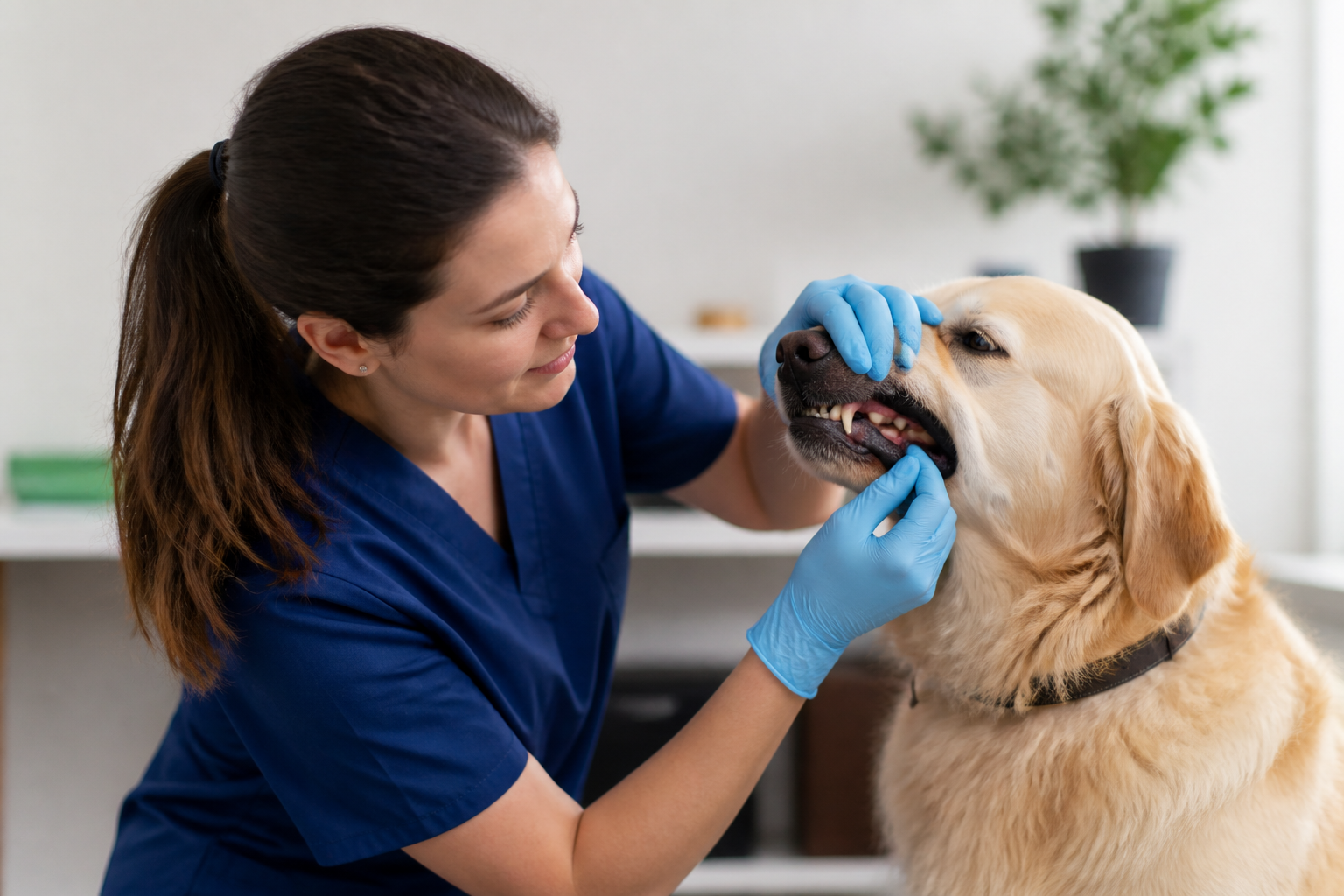
A professional dental cleaning for a dog is much more involved than a human dental visit. Because dogs will not sit still with their mouths open, they must be placed under general anesthesia. This is the only way for a veterinarian to safely scale the teeth and clean beneath the gumline. This process is called a professional dental prophylaxis. It starts with a physical exam to ensure your dog is healthy enough for the procedure.
Once the dog is under anesthesia, the veterinary technician uses specialized tools to remove plaque and tartar. This includes ultrasonic scaling, which uses vibrations to break up hard deposits. They clean both the visible surfaces of the teeth and the hidden areas under the gums where bacteria hide. After scaling, the teeth are polished to smooth out any tiny scratches in the enamel. This is a critical step because a rough tooth surface actually attracts more plaque.
The final part of the procedure is a thorough oral exam. The vet checks each tooth for stability, pockets in the gums, or signs of infection. They also look at the tongue, palate, and throat for any unusual lumps or lesions. This comprehensive approach ensures that problems are caught early before they lead to systemic health issues.
Key Takeaway: Professional cleanings are medical procedures that require anesthesia to address bacteria beneath the gumline. This is the only way to effectively prevent periodontal disease and protect your dog's internal organs.
Breaking Down the Costs
When you receive an estimate from your vet, it can feel overwhelming. The total price is rarely just for the cleaning itself. It is a bundle of several different services and safety measures. Understanding what each line item represents can help you compare quotes from different clinics.
Anesthesia and Monitoring
This is often the largest part of the bill. It includes the sedative, the induction drugs, and the gas anesthesia used throughout the procedure. It also covers the cost of a dedicated staff member who monitors your dog's heart rate, blood pressure, and oxygen levels. High-quality monitoring equipment is expensive to maintain, but it is vital for your pet's safety.
Pre-Anesthetic Bloodwork
Most vets require bloodwork before any procedure involving anesthesia. This test checks the liver and kidney function to ensure your dog can safely process the medications. For senior dogs, this may also include a more detailed chemistry panel. While this adds to the initial cost, it prevents complications that could be far more expensive to treat later.
Dental X-Rays
You cannot see what is happening inside the tooth or under the jawbone with the naked eye. Dental radiographs are essential for finding hidden abscesses, broken roots, or bone loss. Many clinics now include X-rays in their base package because they consider it the standard of care. Without them, your vet is only treating half of the problem.
Extractions and Oral Surgery
If a tooth is loose, fractured, or deeply infected, it may need to come out. Extractions are typically billed per tooth. A simple extraction of a small incisor is relatively affordable. However, removing a large, multi-rooted tooth like a carnassial requires oral surgery and can significantly increase the total bill.
| Expense Item | Estimated Cost Range | Why It Matters |
|---|---|---|
| Basic Cleaning & Anesthesia | $300 – $500 | Covers the scaling, polishing, and monitoring. |
| Pre-Op Bloodwork | $75 – $200 | Ensures vital organs can handle anesthesia. |
| Full Mouth X-Rays | $100 – $250 | Finds hidden disease under the gumline. |
| Simple Extractions | $50 – $150 per tooth | Removes non-functional or painful teeth. |
| Surgical Extractions | $200 – $600 per tooth | Required for large or deeply rooted teeth. |
| Pain Meds & Antibiotics | $40 – $100 | Manages recovery and prevents infection. |
Bottom line: A "cheap" dental quote often leaves out essential safety steps like bloodwork or X-rays, which are necessary for a complete health assessment.
Why Dog Size and Breed Affect the Bill
The cost of cleaning a dog's teeth is not a one size fits all situation. One of the biggest variables is the size of your dog. Anesthesia is dosed based on weight. A 100-pound Great Dane requires significantly more medication than a 5-pound Yorkie. Larger dogs also require more time for monitoring and higher doses of post-operative pain relief.
Breed also plays a role in the complexity of the procedure. Small breeds and brachycephalic dogs (flat-faced breeds like Pugs or French Bulldogs) often have crowded teeth. This crowding creates more nooks and crannies for plaque to hide, making the cleaning more time-consuming. These breeds are also more prone to early-onset periodontal disease, meaning they are more likely to need extractions even at a young age.
Age is another factor. Senior dogs often have underlying health conditions that require more careful anesthetic protocols. They may need intravenous fluids during the procedure to support their blood pressure and kidney function. While these additions increase the price, they are necessary to reduce the risks associated with anesthesia in older pets.
Vet Tip: If you own a small breed dog, start professional cleanings early. Their crowded mouths make them much more susceptible to rapid bone loss and tooth decay compared to larger breeds.
How Often Does a Dog Need a Cleaning?
The frequency of professional cleanings depends on your dog's individual genetics, breed, and your at-home care routine. For most dogs, a yearly cleaning is the gold standard. This allows the vet to catch plaque before it hardens into tartar and causes permanent damage to the gums.
Small dogs often need cleanings every six to twelve months. Because their teeth are so close together, bacteria move quickly from the surface to the root. Large dogs with plenty of space between their teeth may be able to go eighteen months or two years between cleanings if their owners are diligent about brushing at home.
Your vet will check your dog's oral health during their annual wellness exam. They use a grading system from one to four to describe the level of dental disease.
- Grade 1: Mild redness of the gums and some plaque.
- Grade 2: More significant tartar and early gingivitis.
- Grade 3: Heavy tartar, bleeding gums, and some bone loss.
- Grade 4: Severe infection, loose teeth, and major bone loss.
Scheduling a cleaning when your dog is at Grade 1 or 2 is much more affordable than waiting until they reach Grade 4. Early intervention prevents the need for expensive oral surgery and extractions.
Saving Money with At-Home Dental Care
The best way to lower the lifetime cost of your dog's dental care is to prevent buildup in the first place. Think of professional cleanings as a "deep clean" and your home care as the daily maintenance. We recommend a multi-pronged approach to keep those pearly whites shining. For additional guidance, read these top pet dental care tips.
Brushing is Best
Nothing replaces the physical action of a toothbrush. You should aim to brush your dog's teeth at least three times a week, though daily is best. Always use a dog-specific toothpaste. Human toothpaste contains xylitol or fluoride, both of which are toxic to dogs.
Dental Chews and Treats
Products like Greenies are designed with a texture that helps scrub away plaque as the dog chews. These are excellent supplements to brushing. When choosing a chew, look for the VOHC (Veterinary Oral Health Council) seal of approval. This tells you the product has been tested and proven to reduce plaque or tartar. You can also compare options in our dental chews and treats collection.
Dental Toys
Toys can also be part of your dental strategy. Hard rubber toys like a Kong can help scrape teeth as your dog chews. Rope toys can act as a sort of natural floss, though you should always supervise your dog to make sure they do not swallow the fibers.
Step 1: Introduce the toothpaste. / Put a small amount of dog-safe paste on your finger and let them lick it so they enjoy the flavor. Step 2: Get them used to mouth handling. / Gently lift their lips and rub your finger along their gums for a few seconds each day. Step 3: Introduce the brush. / Use a soft finger brush or a long-handled dog toothbrush to gently circularize the outer surfaces of the teeth. Step 4: Reward the progress. / Always follow a brushing session with praise or a small dental treat to create a positive association.
Bottom line: Five minutes of daily dental care can save you thousands of dollars in veterinary bills over the life of your dog.
The Role of the Pharmacy in Dental Health
Sometimes, a professional cleaning reveals more than just tartar. If your vet finds a deep infection or severe gingivitis, they may prescribe medications to help your dog heal. This often includes antibiotics like Clindamycin or pain relief medications for use after extractions.
Our pet pharmacy at BaxterBoo provides a convenient way to manage these needs. Through our partnership with Pet's Choice, we carry a full range of FDA-approved medications that your vet might prescribe following a dental procedure. We also offer prescription dental diets from brands like Royal Canin and Farmina Vet Life. These specialized kibbles are larger and have a specific fiber structure that scrubs the tooth as the dog bites down.
If your dog has chronic dental issues, your vet might suggest a prescription diet as a long-term solution. Since these require a prescription, you can easily fulfill them through our pharmacy system. This ensures you are getting high-quality, regulated products delivered right to your door.
Choosing the Right Clinic for the Procedure
Not all dental cleanings are created equal. When calling around for quotes, do not just look for the lowest number. Ask specific questions about their protocol. A lower price might mean they do not use a breathing tube, do not have a dedicated technician monitoring anesthesia, or do not have digital X-ray capabilities.
It is often worth paying a bit more for a clinic that uses modern equipment and follows strict safety guidelines. If your dog has a complex heart condition or extreme dental disease, your general vet might even refer you to a board-certified veterinary dentist. These specialists have advanced training in oral surgery and anesthesia for high-risk patients.
If you are a member of our MVP Rewards programme, you can earn points on the supplies you need for post-dental care. Whether you are buying soothing dental wipes or a new set of brushes, those points add up to help offset the cost of your pet's wellness needs.
Conclusion
A professional dental cleaning is a vital investment in your dog's longevity. While the initial cost of $300 to $1,500 can be a surprise, it is far less expensive than treating the systemic infections or heart disease that can stem from neglected oral health. By combining regular professional visits with a solid at-home routine using Greenies and daily brushing, you can keep your dog's mouth healthy and pain-free. We are here to support that journey with the right gear and a fully stocked pharmacy for your prescription needs.
- Budget for a professional cleaning once a year for most breeds.
- Always include X-rays and bloodwork in your dental estimate for safety.
- Use daily brushing and dental chews to extend the time between professional visits.
- Small breeds need more frequent attention to prevent early tooth loss.
Key Takeaway: Proper dental care is about more than just fresh breath; it is about preventing pain and protecting your dog's heart and kidneys from bacterial infection.
Visit our dog dental care category to find the brushes, pastes, and VOHC-approved treats your dog needs to maintain a healthy smile between vet visits.
FAQ
Why is dog teeth cleaning so expensive compared to human cleaning?
The primary cost driver for dogs is general anesthesia. Unlike humans, dogs must be fully sedated to allow the vet to clean safely under the gumline and take X-rays. This requires expensive medications, specialized monitoring equipment, and a dedicated staff member to manage the anesthesia while the vet performs the cleaning.
Can I get my dog's teeth cleaned without anesthesia?
While some "anesthesia-free" services exist, they are generally not recommended by veterinarians. These services only scrape the tartar off the visible surface of the tooth, which is purely cosmetic. They cannot clean the bacteria under the gumline where periodontal disease actually starts, and they cannot perform necessary X-rays or extractions.
Does pet insurance cover the cost of dental cleanings?
Most standard pet insurance plans cover dental work only if it is the result of an accident or a specific illness. Routine "prophylactic" cleanings are usually considered preventive care. However, many providers offer a wellness add-on or "routine care" rider that can help reimburse a portion of your annual dental cleaning costs.
How can I tell if my dog needs a professional cleaning right now?
Common signs include persistent bad breath, yellow or brown buildup on the teeth, and red or bleeding gums. You might also notice your dog dropping food, chewing on only one side of their mouth, or pawing at their face. If you see any of these symptoms, schedule a check-up with your vet to see if an urgent cleaning is necessary.






