
 Save 15% on your 1st Autoship learn more

 Email us
 Live Chat
 FAQs
FAQs





Introduction
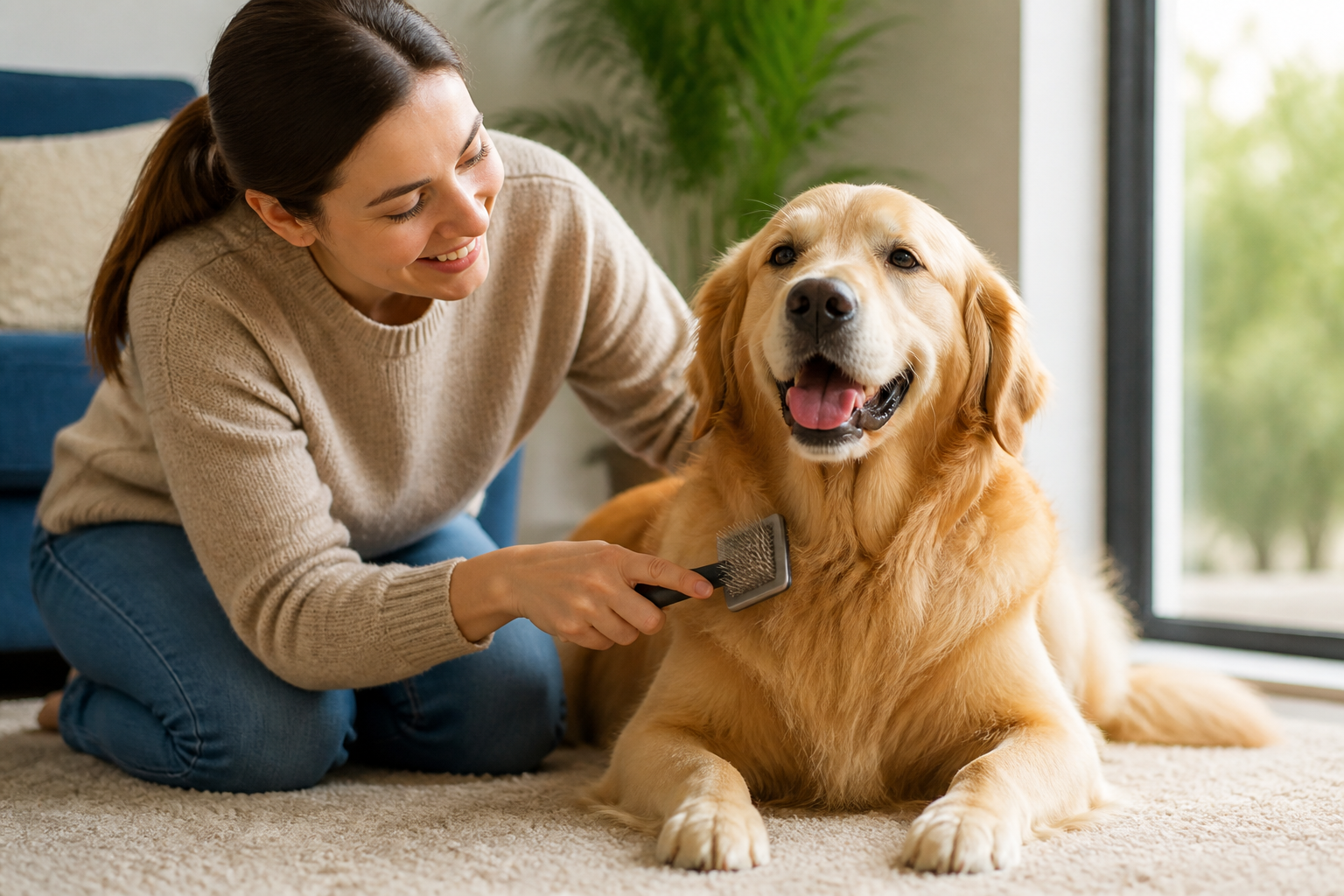
You are relaxing on the couch when you notice a small tumbleweed of fur roll across the floor. Or perhaps you reach down to pet your dog and feel a stubborn knot forming behind their ears. At BaxterBoo, we know that grooming is about more than just good looks. It is a vital part of keeping your dog comfortable and healthy. The answer to how often you should brush depends mostly on your dog's specific coat type and lifestyle. This post covers frequency requirements for different breeds and the best tools for the job. We want to help you build a routine that prevents painful mats and keeps shedding under control. Understanding your dog's unique needs makes grooming a bonding time rather than a chore.
Quick Answer: Most dogs benefit from brushing at least once a week. However, dogs with long hair, double coats, or curly fur often require daily brushing to prevent painful matting and manage heavy shedding.
Why Regular Brushing Matters
Brushing is the foundation of good hygiene for any dog. It does more than just remove loose hair. A good brushing session distributes natural skin oils throughout the coat. This process keeps the fur shiny and helps protect the skin from irritation. If you skip brushing, loose hair becomes trapped against the skin. This leads to tangles that eventually turn into hard mats.
Mats are not just an aesthetic problem. They can pull on the skin and cause constant discomfort. In severe cases, mats trap moisture and bacteria against the body. This can lead to hot spots or infections. Regular sessions also allow you to check for external parasites. You might spot fleas or ticks before they become a larger problem. You can also feel for new lumps or bumps that may need a veterinarian's attention.
Key Takeaway: Brushing is a preventative health measure that maintains skin integrity, manages shedding, and allows for early detection of health issues.
Brushing Frequency for Short and Smooth Coats
Short-haired dogs like Boxers, Bulldogs, and Great Danes are often seen as low maintenance. Their fur does not mat, but they still shed. For these breeds, brushing once a week is usually enough. You do not need a heavy-duty metal brush for these dogs. A rubber grooming tool or a soft bristle brush works best.
A rubber brush like the KONG Zoom Groom Natural Rubber Dog Grooming Brush is excellent for this coat type. It acts as a magnet for loose hair while massaging the skin. Use circular motions to loosen the dead fur and then brush in the direction of hair growth to sweep it away. This routine keeps their coat sleek and reduces the amount of hair on your furniture.
- Common Breeds: Pit Bulls, Dobermans, Weimaraners.
- Frequency: Once per week.
- Primary Goal: Removing dander and loose hair.
Managing Medium and Double Coats
Double-coated dogs have a soft undercoat and a tougher outer layer. Breeds like Labrador Retrievers, Beagles, and Corgis fall into this category. These dogs shed consistently throughout the year. They also "blow" their coats twice a year during seasonal changes.
For these dogs, you should aim for brushing two to three times a week. During heavy shedding seasons, you may need to move to a daily schedule. A slicker brush or an undercoat rake is necessary here. These tools reach through the top layer of fur to pull out the dead undercoat before it falls off. If the undercoat stays trapped, it can become compacted and uncomfortable.
Vet Tip: If your dog has very dense fur, check the skin for signs of redness or "hot spots" during your brushing routine. Trapped moisture in a thick coat can lead to rapid bacterial growth. Consult your vet if you notice raw or weeping skin.
Caring for Long and Straight Coats
Dogs with long, silky hair require significant attention. This group includes Yorkshire Terriers, Maltese, and Setters. Their hair is much like human hair. It can tangle very easily, especially behind the ears and in the armpits.
You should brush these dogs at least three to four times a week. Daily brushing is even better if you keep their hair long. A pin brush is a good choice for daily maintenance. It reaches deep into the coat without pulling too hard. Always follow up with a metal comb. The comb acts as a "tangle check." If the comb cannot pass through a section of hair, you have found a knot that needs gentle attention.
Step 1: Start at the bottom. Brush the ends of the hair first to clear small tangles.
Step 2: Work your way up. Hold the base of the fur near the skin to prevent pulling as you brush.
Step 3: Check with a comb. Run a metal finishing comb through the entire coat to ensure no mats remain.
The Daily Needs of Curly and Wavy Coats
Poodles, Goldendoodles, and Bichon Frises have coats that do not shed in the traditional sense. Instead, the hair that falls out gets trapped in the curls. This makes them prone to severe matting very quickly. If you do not brush a curly-coated dog, the fur will eventually felt against the skin.
Daily brushing is mandatory for these breeds unless they are kept in a very short "puppy cut." Use a high-quality slicker brush to separate the curls. You must ensure you are reaching all the way down to the skin. Many owners make the mistake of only brushing the top layer. This leaves a hidden layer of mats underneath.
For additional guidance, see our tips on how to groom a dog with curly hair.
Bottom line: Curly coats require the most frequent maintenance and must be brushed to the skin every day to avoid painful matting.
Special Considerations for Wire Coats
Wire-haired breeds like Airedale Terriers and Schnauzers have a unique texture. Their hair is coarse and can become quite shaggy. These dogs generally need brushing two or three times a week. This keeps the coat from becoming a magnet for dirt and burrs.
Many wire-haired dogs also require a process called hand-stripping. This involves pulling out dead hairs by the root to allow new, wiry hair to grow in. If you only use a brush, the coat may become soft and lose its characteristic texture. A stripping comb or a firm slicker brush can help manage this coat type between professional grooming visits.
Adjusting for Shedding Season
Most dogs experience a significant change in their coat during the spring and fall. As the daylight hours change, their bodies prepare for new temperatures. This is often called "blowing the coat." During these weeks, your normal routine will likely need to double in frequency.
If you usually brush once a week, move to every other day. If you usually brush three times a week, go to a daily schedule. This extra effort prevents your home from being covered in fur. It also helps your dog stay cool in the summer and grow a healthy coat for the winter. Using a deshedding tool during this time can be very helpful. These tools are designed to remove the massive amount of undercoat that is being shed all at once.
For more shedding guidance, read how seasonal shedding affects dogs.
Brushing Before and After the Bath
The timing of your brushing is just as important as the frequency. You should always brush your dog thoroughly before they get into the tub. Water acts like a glue for existing mats. If you wash a matted dog, the knots will tighten as they dry. This can make them impossible to remove without clippers.
Once your dog is completely dry after the bath, brush them again. This helps remove any hair that was loosened during the washing process. It also ensures the coat stays fluffy and free of new tangles. If you use a blow dryer, brushing while you dry can help straighten the hair and prevent future knots.
For more bath-time advice, review our guide to the dos and don'ts of bathing your dog.
Using the Right Tools from BaxterBoo
Having the right equipment makes the job much easier for you and more comfortable for your pet. At BaxterBoo, we carry a wide variety of grooming supplies for every coat type. Choosing a brush that fits your dog's specific needs is the first step toward a successful routine. Browse our dog grooming supplies to find brushes, combs, shampoos, and other essentials.
- Slicker Brushes: Best for removing mats and loose undercoat in medium to long hair.
- Pin Brushes: Ideal for long, silky hair to prevent breakage.
- Rubber Brushes: Perfect for short-haired breeds and massaging the skin.
- Metal Combs: Necessary for checking for hidden tangles in curly or long coats.
- Undercoat Rakes: Designed for heavy shedders to pull out dead fur deep within the coat.
We also offer the MVP Rewards program. This allows you to earn points on every grooming tool or bottle of shampoo you purchase. For items you use frequently, like grooming wipes or detangling sprays, our Autoship service ensures you never run out and provides a discount on your orders.
Training Your Dog to Enjoy Brushing
Not every dog is happy to see the brush come out. If your dog hides or growls during grooming, you may need to go back to basics. Start by letting them sniff the brush. Give them a small treat for staying calm. Gradually move to a single stroke of the brush followed by another treat.
Keep your early sessions very short. You do not have to brush the whole dog in one sitting. Spend five minutes on the back and then stop. Over time, your dog will associate the brush with rewards and attention. This makes the frequent brushing required for their health much easier for both of you.
- Use High-Value Treats: Keep a stash of small, tasty treats nearby.
- Watch Body Language: If your dog looks stressed, take a break.
- Find the "Sweet Spot": Start brushing in an area your dog likes to be pet, such as the chest or shoulders.
Skin Health and the BaxterBoo Pharmacy
While brushing, you may notice skin issues that require more than just a comb. Redness, persistent itching, or flaky skin can indicate allergies or infections. Our pet pharmacy provides access to prescription medications through our partnership with Pet's Choice. If your veterinarian prescribes a medicated shampoo or a topical treatment for a skin condition, you can fulfill those needs through us.
Routine brushing is your first line of defense, but some conditions need medical intervention. Managing skin health often requires a combination of regular grooming and professional care. We provide a convenient way to get the prescription products your pet needs for chronic skin issues or flea and tick prevention.
Key Takeaway: Brushing is the best way to monitor skin health, and our pharmacy is here to help if you discover issues that require prescription treatment.
Conclusion
Determining how often to brush a dog comes down to their coat type and the current season. Short-haired dogs need a quick weekly session, while curly and long-haired breeds require daily attention. Regular brushing prevents painful mats, reduces shedding, and keeps the skin healthy. We suggest starting a routine early in your dog's life to build comfort and trust. Always use the appropriate tools for your dog's specific fur texture to get the best results. For all your grooming needs, from slicker brushes to medicated shampoos, visit the dog grooming and pharmacy sections to keep your pet looking and feeling their best.
FAQ
Can I brush my dog too much?
It is possible to irritate the skin if you use a firm brush with too much pressure or stay in one spot for too long. This is often called brush burn. Always use a gentle hand and vary the areas you are brushing to keep your dog comfortable.
What should I do if I find a large mat?
Never try to cut a mat out with scissors as it is very easy to accidentally cut the dog's skin. Instead, apply a detangling spray and use a metal comb or a dematting tool to gently pick the knot apart from the outside in. If the mat is tight against the skin, it is safest to have a professional groomer or vet shave it off.
Does brushing help with dog allergies?
Yes, regular brushing removes dander, pollen, and other allergens that get trapped in your dog's fur. This can reduce the allergic load for both the dog and the humans in the house. For dogs with severe skin allergies, your vet may recommend specific grooming frequencies or medicated products from our pharmacy.
My dog hates being brushed, what can I do?
Focus on positive reinforcement by using treats and keeping sessions very short. You can also try different types of brushes, as some dogs find certain textures more comfortable than others. If the behavior is due to pain from existing mats, consult a professional to clear the coat before starting your new routine.






