
 Save 15% on your 1st Autoship learn more

 Email us
 Live Chat
 FAQs
FAQs





Introduction
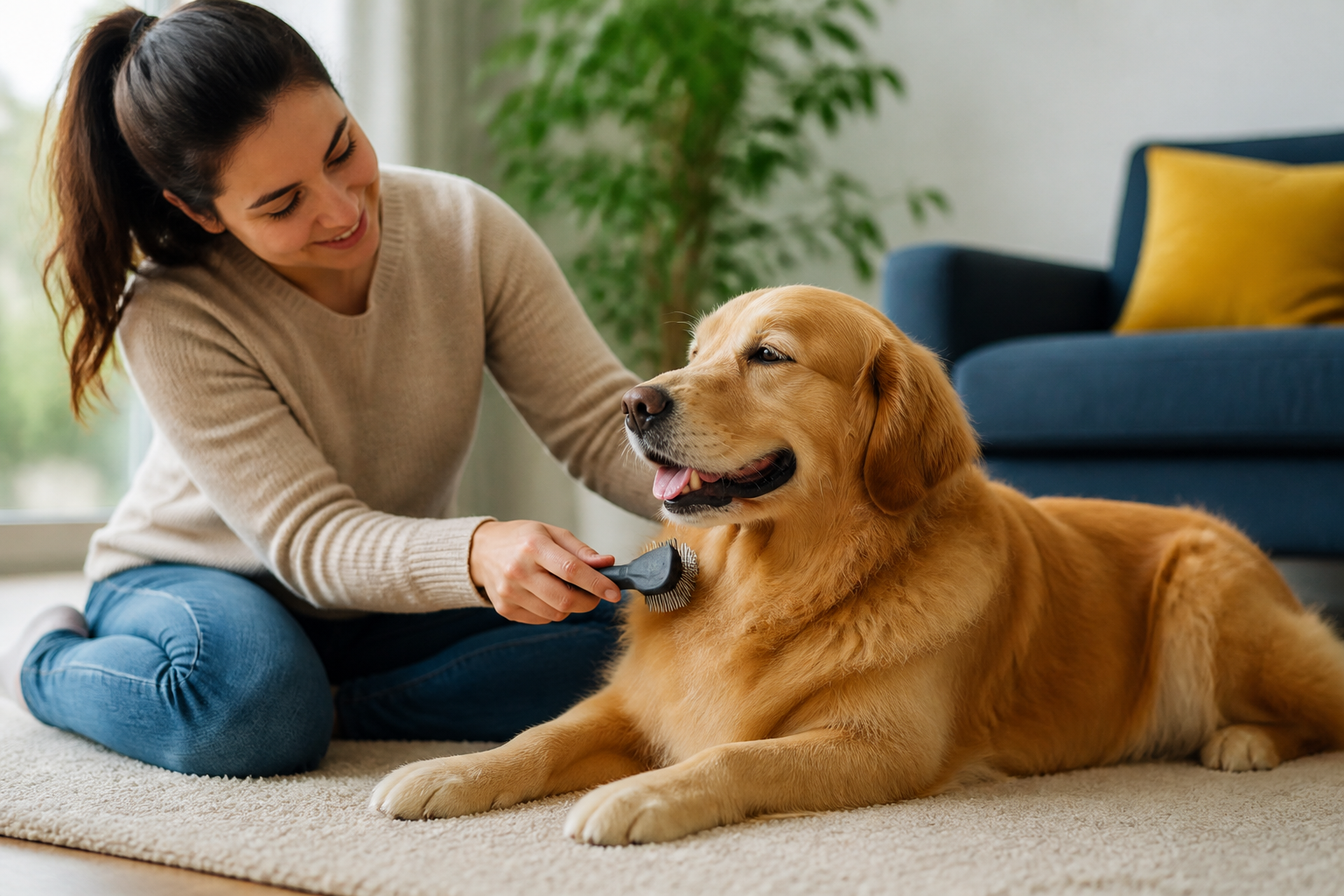
You might be sitting on the rug and realize your hand is covered in loose hair after a single pat. Or perhaps you found a stubborn knot behind your dog's ear that seemed to appear out of nowhere. These moments make every pet owner wonder if their grooming routine is actually doing the job. At BaxterBoo, we know that keeping up with a coat can feel like a full time work load during the height of shedding season. This guide explains exactly how often you should reach for the brush based on your dog's specific coat type and lifestyle. We will cover the best tools for the job and how to turn grooming into a bonding experience. Proper brushing is the most effective way to keep your home clean and your pet comfortable.
The General Rule for All Breeds
Every dog needs some level of regular brushing to stay healthy. Even if your dog has very short hair, the process does more than just remove dead fur. It stimulates the skin and moves natural oils down the hair shaft. This creates a protective barrier against the elements and gives the coat a healthy shine.
For the average dog, a thorough brushing once a week is a solid baseline. This frequency allows you to catch small tangles before they turn into painful mats. It also serves as a weekly health check. When you brush, you are more likely to notice new lumps, bumps, or skin irritations that might otherwise stay hidden under the fur.
Quick Answer: Most dogs should be brushed at least once a week to remove debris and distribute skin oils. Dogs with long hair or thick undercoats often require daily sessions to prevent painful matting and manage heavy shedding.
Understanding Coat Types and Frequency
The most important factor in your grooming schedule is the type of coat your dog wears. A Greyhound has very different needs than a Golden Retriever or a Poodle.
Short and Smooth Coats
Dogs like Beagles, Boxers, and Labradors have short hair that lies close to the skin. These breeds are often lower maintenance, but they still shed. Brushing them one to two times a week is usually enough. For these dogs, a rubber grooming mitt or a soft bristle brush works wonders. It pulls away the loose "dead" hair that would otherwise end up on your furniture.
Long and Silky Coats
Breeds like Yorkies, Setters, and Spaniels have hair that grows continuously or is very fine. These coats are prone to tangles and mats, especially in high friction areas like under the armpits or behind the ears. You should aim to brush these dogs every day or at least every other day. If you skip a few days, those fine hairs can weave together into tight knots that are difficult to remove without clippers.
Double Coats and Heavy Shedders
Huskies, German Shepherds, and Border Collies have a thick, soft undercoat protected by a tougher outer layer. These dogs "blow" their coats twice a year, usually in the spring and fall. During these seasonal changes, you may need to brush them every single day. During the rest of the year, two to three times a week is standard. For more guidance on seasonal coat changes, read about how Australian Shepherds shed.
Wire and Curly Coats
Poodles and Doodles have curly hair that traps loose fur within the coat rather than letting it fall to the ground. This makes them "low shedding" in your house, but it makes them high maintenance for grooming. If you do not brush a curly coat daily, the loose hair becomes trapped and forms mats against the skin. Wire haired breeds like Terriers also need regular attention to keep their coat texture from becoming dull and tangled.
Key Takeaway: Match your brushing frequency to the coat length and density. Long or curly hair requires daily attention, while short coats can thrive with a weekly session.
The Benefits of Frequent Brushing
Brushing is about much more than just looking good for the neighbors. It is a vital part of your dog's overall wellness routine.
Skin Health and Oil Distribution
Your dog's skin produces natural oils that keep the coat waterproof and healthy. When you brush, you act as a manual distributor for these oils. This prevents the skin from becoming dry and flaky. It also prevents the "doggy smell" that often comes from a buildup of old oils and trapped dirt.
Circulation and Massage
The physical act of brushing increases blood flow to the skin surface. This can help with healing and overall skin tone. For many dogs, a gentle brushing session feels like a massage. It can lower their heart rate and reduce anxiety. Many owners find that brushing their dog in the evening helps the pet settle down for the night.
Temperature Regulation
There is a common myth that brushing a dog too much in the winter makes them cold. This is actually the opposite of the truth. A matted or dirty coat cannot insulate a dog properly. By removing dead undercoat and keeping the hair separated, you allow the coat to trap a layer of warm air against the skin. This keeps your dog warmer in the winter and cooler in the summer.
Early Detection of Health Issues
When you are brushing your dog daily or weekly, you become an expert on their body. You will notice a flea, a tick, or a small scratch immediately. This is the best time to check for any unusual skin redness or hot spots. For additional skin and coat support, explore our dog healthcare category.
Vet Tip: If you notice your dog has persistent red skin, a foul odor, or is losing hair in patches, schedule a visit with your veterinarian. These can be signs of allergies or skin infections that require professional diagnosis.
Essential Tools for Your Grooming Kit
Using the wrong brush can make the experience uncomfortable for your dog. We carry a wide variety of tools at BaxterBoo to help you find the perfect match for your pet's specific needs. Browse our dog grooming supplies to compare brushes, combs, shampoos, and other grooming essentials.
- Slicker Brushes: These have fine, short wires close together. They are the best for removing mats and tangles in medium to long haired dogs.
- Bristle Brushes: These are great for short haired dogs or as a finishing tool for long coats. They add shine and smooth the hair.
- Undercoat Rakes: These tools reach deep into the coat to pull out loose fur from the undercoat. They are essential for heavy shedders like Huskies.
- Rubber Grooming Mitts: Perfect for dogs who are nervous about traditional brushes. These are excellent for short haired breeds and can even be used during bath time.
- Combs: A sturdy metal comb is necessary for checking your work. If the comb can slide through the hair without snagging, you have successfully removed all the tangles.
How to Introduce the Brush
If your dog is not a fan of being groomed, start slowly. You want them to associate the brush with positive things.
Step 1: Let your dog sniff the brush while it is on the floor. Give them a treat for showing interest. Step 2: Gently touch the brush to their side without actually brushing. Reward them with praise. Step 3: Try one or two short strokes in an easy area, like the back. Follow immediately with a high value treat. Step 4: Gradually increase the time of the grooming session. Stop before the dog gets restless or annoyed.
Managing Shedding Season
Most dogs go through a heavy shedding period when the seasons change. This is often called "blowing the coat." During this time, the amount of hair coming off your dog can be overwhelming.
To manage this, you should increase your brushing frequency. If you usually brush once a week, move to a daily schedule. Using an undercoat rake during these weeks will significantly reduce the amount of fur on your carpets. It also helps the new coat grow in more evenly.
Consistency is the key. If you stay on top of the shedding daily, it won't have the chance to form mats. Mats are not just unsightly. They pull on the skin and can cause painful sores or hide infections. If you find a mat that is too tight to brush out, do not use scissors to cut it. You could easily nick the skin. Instead, use a specialized de-matting tool or consult a professional groomer.
Skin Health and the BaxterBoo Pharmacy
Sometimes, excessive shedding or coat issues are linked to underlying health conditions. Allergies, parasites, and hormonal imbalances can all change the texture of your dog's fur. If your dog is itching constantly or their skin looks inflamed during your grooming sessions, it is time to consult a professional.
We provide access to a full pharmacy through our partnership with Pet's Choice. This allows you to get FDA-approved medications for skin conditions, flea and tick prevention, and chronic allergy management. If your vet prescribes a medicated shampoo or a specific treatment for a skin infection, our pet pharmacy can help you manage those ongoing health needs with ease. Keeping the skin healthy from the inside makes the grooming process much smoother on the outside.
Bottom line: Regular brushing is a preventive health measure that keeps skin clear and coats functional.
Brushing Best Practices
To get the most out of your grooming time, follow a few simple tips. Always brush in the direction of hair growth. Brushing "against the grain" can be uncomfortable and may cause hair breakage.
If your dog has a very thick coat, use the "line brushing" technique. This involves parting the hair with one hand and brushing from the skin outward in small sections. This ensures you are reaching the undercoat and not just smoothing over the top layer of hair.
Pay special attention to "friction zones." These are the areas where the dog's body rubs together or where equipment sits.
- Behind the ears
- The armpits
- Where the collar or harness sits
- The back of the thighs
- The base of the tail
Check these areas every time you brush. They are the most likely spots for mats to begin forming. If your dog has been outside in the rain or snow, wait for their coat to dry completely before doing a heavy brushing session. Wet hair is more elastic and can break more easily. It also tends to tighten any existing knots. For related bathing guidance, see these dos and don'ts for bathing your dog.
Supporting the Coat from Within
What you put into your dog's body shows up on their coat. A diet rich in Omega-3 and Omega-6 fatty acids can make the hair stronger and more resilient. This makes brushing easier because the hair is less likely to snap or tangle. Many of our premium food brands, such as Stella and Chewy's or Open Farm, include these essential nutrients to support skin and coat health.
If your dog still has a dull coat despite regular brushing, you might consider a supplement. We carry options like Zesty Paws and Honest Paws that are formulated specifically to bolster coat shine and skin moisture. Always talk to your vet before starting a new supplement routine to ensure it is the right choice for your dog's age and health status.
Conclusion
Brushing your dog is a fundamental part of being a pet owner. Whether you have a short haired pup that needs a weekly once-over or a long haired breed that requires daily care, the time you spend grooming is never wasted. It keeps your dog comfortable, your home cleaner, and your bond stronger. Remember to match your tools to your dog's coat type and stay consistent throughout the year.
- Brush short coats 1-2 times per week.
- Brush long or curly coats daily.
- Increase frequency during seasonal shedding periods.
- Use the grooming time to check for skin issues or lumps.
If you notice any persistent skin problems during your grooming routine, remember that our pharmacy offers a wide range of prescription solutions through Pet's Choice. You can also save on your favorite grooming supplies and supplements by joining the MVP Rewards programme or signing up for our Autoship programme. Keeping your dog looking and feeling their best is a team effort, and we are here to help you every step of the way.
Key Takeaway: Regular brushing prevents painful mats, reduces household shed, and allows you to monitor your dog's skin health closely.
FAQ
Can I brush my dog too often?
It is difficult to brush a dog too often as long as you are using the correct tools and a gentle hand. However, if you use a harsh brush or apply too much pressure, you can cause "brush burn," which is skin irritation. Always watch your dog's skin for redness and ensure the experience remains pleasant for them.
What is the best brush for a dog that sheds a lot?
For heavy shedders with a double coat, an undercoat rake is generally the best tool. It reaches through the top layer of fur to pull out the loose hair from underneath. For short haired shedders, a rubber grooming mitt or a slicker brush is often more effective at catching the small, stiff hairs. You can also explore our dog brushes and combs for additional options.
Should I brush my dog before or after a bath?
You should always brush your dog before a bath. Water can act like glue for mats and tangles, making them much tighter and harder to remove once the hair is wet. Brushing beforehand removes loose fur and debris, which allows the shampoo to reach the skin more effectively.
Does brushing help with my dog's seasonal allergies?
Brushing can help manage allergy symptoms by removing environmental triggers like pollen, dust, and grass from the coat. If your dog has severe allergies, your vet might also recommend medicated wipes or shampoos. You can find many of these prescription options through the BaxterBoo pharmacy to help keep your dog comfortable.






