
 Save 15% on your 1st Autoship learn more

 Email us
 Live Chat
 FAQs
FAQs





Introduction
You are sitting on the couch when you notice a small tumbleweed of fur drifting across the hardwood floor. Or perhaps you reach down to pet your dog and feel a stubborn knot forming behind their ears. These moments lead every pet owner to the same question: how often should I actually be doing this? Brushing is more than just a way to keep your house clean. It is a vital part of your dog's skin health and overall comfort. At BaxterBoo, we have spent years helping owners find the right tools for every coat type. Whether you have a sleek Greyhound or a fluffy Siberian Husky, the schedule matters. This post covers frequency based on coat type, the best tools for the job, and how to make grooming a stress-free experience.
Quick Answer: Most dogs benefit from being brushed at least two to three times per week. Long-haired breeds or those with thick double coats often require daily brushing to prevent painful mats and manage heavy shedding.
Understanding Coat Types and Brushing Frequency
Every dog is different, but their coat type is the biggest factor in your grooming schedule. You cannot treat a wiry Terrier the same way you treat a silky Yorkie. Knowing which category your pet falls into will help you set a realistic routine.
Short and Smooth Coats
Dogs like Labradors, Boxers, and Beagles have short, smooth hair that lies close to the skin. Many owners think these dogs do not need much brushing because they do not get mats. However, short-haired dogs still shed. Brushing them once or twice a week is usually enough. This helps remove loose fur before it ends up on your furniture. It also helps distribute natural skin oils, which gives them that healthy shine.
Long and Silky Coats
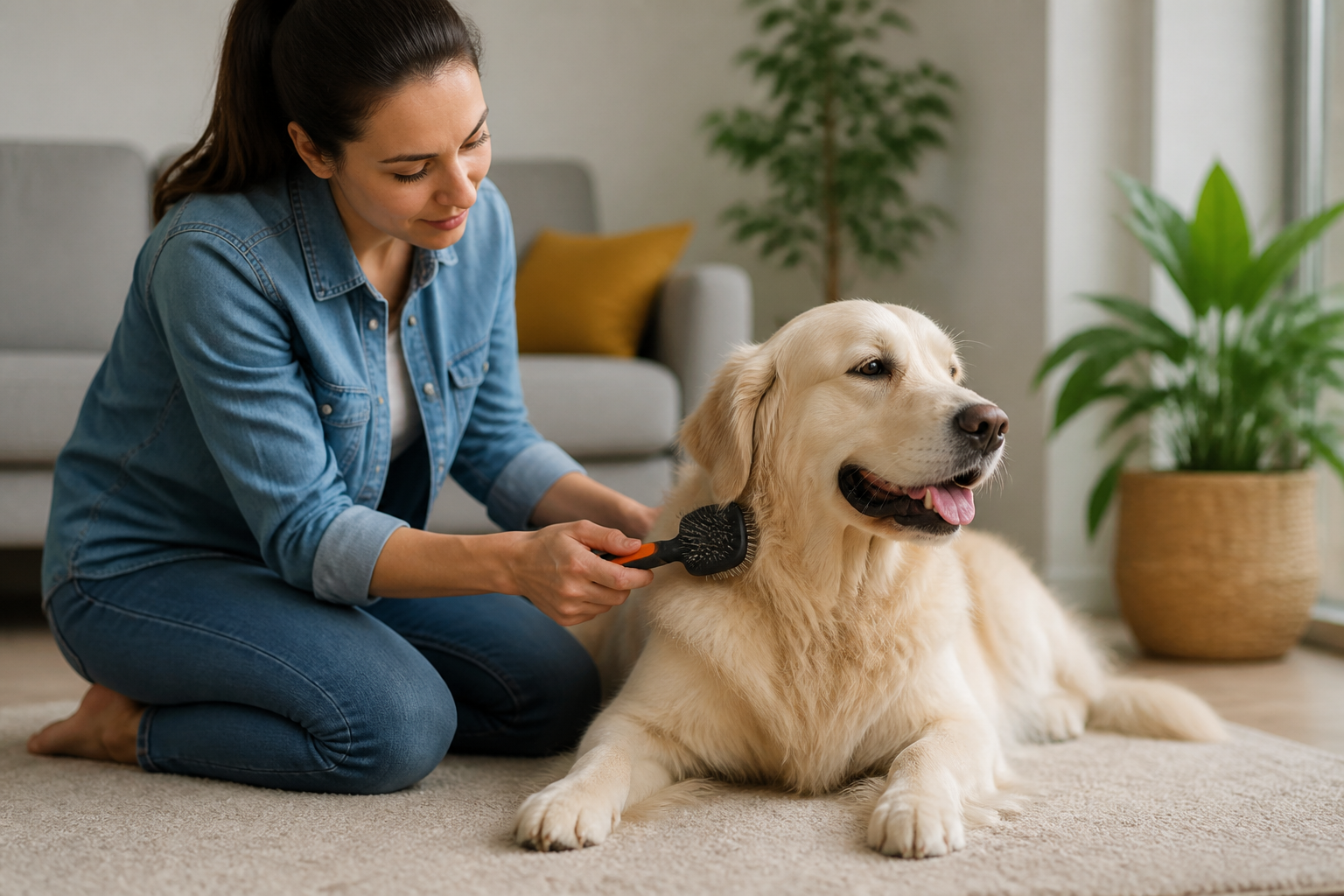
Breeds like Golden Retrievers, Setters, and Spaniels have longer hair that is prone to tangling. If you skip a few days, those fine hairs can quickly turn into knots. We recommend brushing these dogs every other day at a minimum. If your dog spends a lot of time outside running through brush or tall grass, daily sessions are even better. This prevents small tangles from becoming large, painful mats that require professional clipping.
Double Coats
The double coat is common in breeds like Huskies, German Shepherds, and Border Collies. These dogs have a soft, insulating undercoat and a tougher outer coat. They are famous for "blowing" their coats twice a year. During these heavy shedding seasons, you should brush them every single day. During the rest of the year, three times a week is generally sufficient to keep the undercoat from getting packed down.
Curly and Wire Coats
Poodles, Doodles, and many Terrier breeds have unique textures. Curly coats trap shed hair inside the curls instead of letting it fall to the floor. This means they might look like they are not shedding, but the hair is actually matting against the skin. These dogs need a thorough brushing and combing at least three to four times a week. Wire-haired breeds also need regular attention to remove dead hair and keep the texture of their coat correct. For more guidance, see our tips on grooming curly-haired dogs.
Key Takeaway: Your dog's coat type dictates the frequency of your grooming routine. Short coats need weekly care, while long or double coats often require daily attention to remain healthy.
The Physical and Behavioral Benefits of Brushing
Brushing is not just about aesthetics. It serves several biological and emotional purposes that contribute to a long, happy life for your pet.
First, it acts as a mini-health check. When you brush your dog regularly, you are more likely to notice changes in their body. You might find a new lump, a tick, or an area of skin that looks red and irritated. Catching these things early often leads to better outcomes at the vet. If you notice persistent skin issues or unusual hair loss during your grooming sessions, consult your veterinarian to rule out underlying health conditions or allergies.
Second, it stimulates blood flow to the skin. The mechanical action of the bristles or pins increases circulation. This encourages healthy hair growth and helps keep the skin supple. It also spreads the natural sebum oils along the hair shaft. This provides a natural waterproof barrier and a beautiful luster.
Finally, brushing is a powerful bonding tool. For many dogs, a gentle grooming session feels like a long massage. It lowers their heart rate and strengthens the trust between you. If you start this routine early in puppyhood, your dog will grow up seeing grooming as a positive, relaxing experience rather than a chore to be feared.
Essential Tools for Your Grooming Kit
Using the wrong brush can make the job harder and may even hurt your dog. Having a few specific tools on hand will make the process more efficient. You can explore our dog brushes and combs to find options for different coat types.
- Slicker Brushes: These have fine, wire bristles that are slightly angled. They are excellent for removing loose hair and breaking up small tangles. We carry many varieties of slicker brushes that work well on almost any coat type except the very shortest ones. A self-cleaning option, such as the Master Grooming Tools Self-Cleaning Slicker Brush, can also make cleanup easier.
- Undercoat Rakes: These tools have long, sturdy teeth designed to reach through the topcoat. They pull out the loose, fuzzy undercoat without cutting the guard hairs. This is the best tool for heavy shedders like Malamutes or Shepherds.
- Bristle Brushes: These are best for short-haired dogs or as a finishing tool for long-haired breeds. They move oils around and remove surface dust and dirt. Our selection of BASS Brushes includes options for different grooming routines.
- Metal Combs: A simple greyhound comb is vital for checking your work. After you think you are done brushing, run the comb through. If it snags, there is still a knot that needs attention.
- Soft Brushes: These are great for sensitive areas like the face, belly, and paws.
Vet Tip: Always be gentle around the "thin-skin" areas like the armpits and groin. These spots are prone to matting but the skin is very delicate. Use a soft bristle brush or a wide-toothed comb here to avoid scratches.
Dealing with Seasonal Shedding
Most dogs undergo a significant change in their coat twice a year, usually in the spring and autumn. This is often called "blowing the coat." During these windows, the amount of hair coming off your dog can feel overwhelming.
During a spring blowout, your dog is shedding their heavy winter undercoat to prepare for the heat. In the autumn, they shed their lighter summer coat to make room for thick, insulating fur. You will need to increase your brushing frequency during these weeks. If you usually brush twice a week, move to a daily schedule.
Using an undercoat rake or a specialized shedding tool can help speed up this process. It gets the dead hair out in large clumps rather than letting it slowly fall out over several months. This keeps your dog cooler and keeps your vacuum cleaner from working overtime. Our dog grooming collection includes tools for brushing, shedding, bathing, and coat care.
Bottom line: Adjust your grooming schedule based on the season to handle the natural cycles of hair growth and loss.
When Grooming Becomes a Health Concern
Sometimes, no matter how much you brush, your dog's coat might look dull or their skin may seem flaky. This can be a sign that they need more than just a brush.
Poor coat quality can sometimes be linked to nutrition. High-quality food rich in Omega fatty acids can improve skin health from the inside out. We carry several premium brands like Stella and Chewy's and Open Farm that focus on nutrient-dense ingredients. Supplements can also provide a boost if your vet recommends them.
If you find that your dog's skin is persistently red, smelly, or has open sores, it is time for a professional opinion. Our dog pharmacy offers prescription medications and specialized treatments. You will need a valid prescription from your veterinarian to access these products.
A Step-by-Step Brushing Routine
Creating a consistent process helps your dog know what to expect. This reduces anxiety and makes the session go faster.
Step 1: Perform a visual check. / Look for any obvious burrs, mats, or skin irritations before you start with tools.
Step 2: Use a detangling spray. / If your dog has long hair, a light misting of a grooming spray can help the brush slide through without pulling.
Step 3: Start from the head and work back. / Brush in the direction of hair growth. Move in small sections rather than long, sweeping strokes.
Step 4: Focus on the high-friction areas. / Give extra attention to the neck (where the collar sits), the armpits, and behind the ears. These are the most common spots for mats.
Step 5: Finish with a comb-through. / Use a metal comb to ensure you have reached all the way down to the skin and haven't missed any hidden knots.
Step 6: Reward your pet. / Offer a small treat or extra praise so they associate brushing with a positive outcome.
Managing Mats Safely
Mats are not just an eye-sore. They can pull on the skin every time your dog moves, causing constant discomfort. If they get too tight, they can even cut off airflow to the skin, leading to infections or "hot spots."
If you find a mat, do not reach for the scissors immediately. It is very easy to accidentally cut a dog's skin, which is much thinner than human skin. Instead, try to work the mat apart with your fingers or the end of a comb. Use a dedicated detangling tool or a little bit of cornstarch to help the hairs slide apart. Our guide to bathing and brushing your dog also covers ways to approach knots and tangles gently.
If a mat is tight against the skin, it is often safer to have a professional groomer or a vet clinic shave it out with electric clippers. This prevents the risk of a nasty laceration. Once the mat is gone, keep that area brushed daily to prevent it from returning.
The Role of Professional Grooming
Even with a great home routine, many dogs benefit from seeing a professional groomer every six to eight weeks. Professionals have high-velocity dryers that can blow out loose undercoat that a home brush might miss. They also handle tasks like nail trimming and ear cleaning, which are essential parts of the overall grooming package.
However, a professional groomer is not a substitute for home care. If you only have your dog groomed every two months and never brush them in between, they will likely arrive at the salon with painful mats. Regular home brushing makes the professional's job easier and ensures your dog has a much better experience at the spa.
Training Your Dog to Love Brushing
If your dog runs away when they see the brush, you have to change their perspective. Start with very short sessions. Just thirty seconds of brushing followed by a high-value treat can start to turn things around.
Gradually increase the time as your dog becomes more comfortable. If they show signs of stress, such as licking their lips, yawning, or trying to walk away, stop and try again later. You want to stay below their threshold of fear.
Choosing the right time of day also helps. Try brushing after a long walk when your dog is tired and more likely to settle down. Use a soft voice and keep the environment calm. Over time, many dogs will start to seek out grooming as a form of attention and affection.
Final Thoughts on Grooming
Maintaining a regular brushing schedule is one of the simplest things you can do for your dog's well-being. It keeps their coat beautiful, their skin healthy, and your home much cleaner. By understanding your dog's specific coat needs and using the right tools, you can turn a necessary chore into a highlight of your day together.
- Brush short-haired dogs once a week.
- Brush long-haired and double-coated dogs three times a week or daily.
- Check for mats and skin issues during every session.
- Use the right tools, like slicker brushes and undercoat rakes, for your pet's specific needs.
If you notice that your dog's skin needs more than just a good brushing, we are here to help. Our pharmacy carries a range of prescription skin treatments and medicated shampoos to address more serious concerns. You can also sign up for our Autoship programme to ensure you never run out of your favorite grooming sprays or treats for your post-brushing rewards.
FAQ
Can I brush my dog too much?
While it is rare to over-brush, you can cause "brush burn" if you use a stiff brush too forcefully on the same spot. Always use gentle pressure and watch for any signs of skin redness or irritation. If your dog has very thin hair, use a soft bristle brush to avoid scratching the skin.
Should I brush my dog when their hair is wet?
It is usually best to brush your dog before a bath or when their hair is completely dry. Water can actually tighten existing mats, making them much harder to remove. If you must brush a wet coat, use a wide-toothed comb and a leave-in conditioner to minimize breakage and pulling.
What is the best way to handle a dog that hates being brushed?
The key is to use desensitization and positive reinforcement. Let your dog sniff the brush and give them a treat. Then, do one gentle stroke and give another treat. Keep sessions very short and stop before your dog gets upset, gradually building up their tolerance over several weeks.
How do I know if my dog has a double coat?
If you part your dog's fur and see a layer of short, dense, wool-like hair beneath the longer, coarser top hairs, they have a double coat. These dogs usually shed in large clumps and require specific tools like an undercoat rake to stay well-groomed. Common examples include Labradors, Huskies, and Collies.






