
 Save 15% on your 1st Autoship learn more

 Email us
 Live Chat
 FAQs
FAQs





Introduction
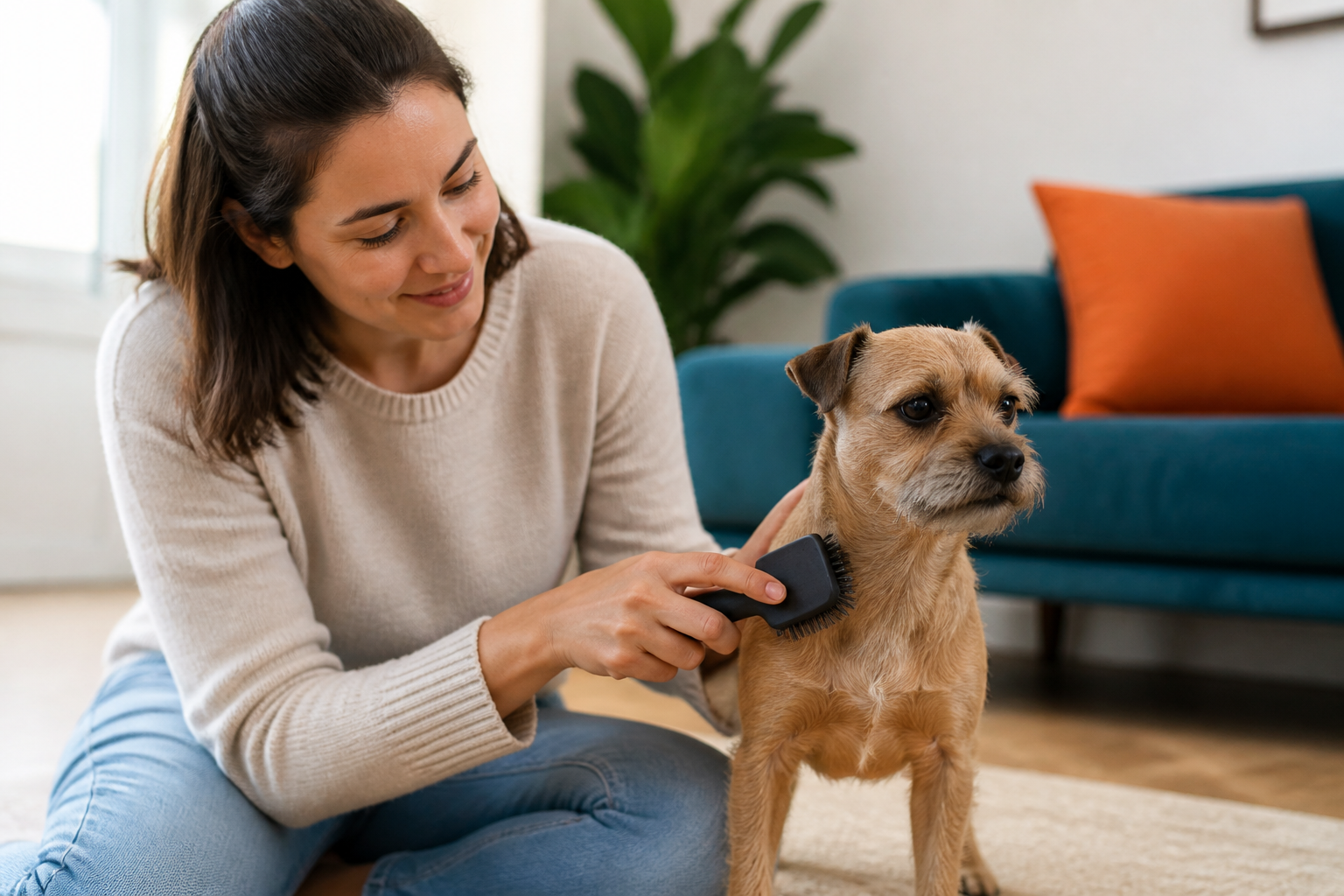
You run your hand down your dog's back, expecting a smooth pet, only to end up with a palm full of loose fur. Even though your dog has short hair, those tiny, needle-like hairs seem to weave themselves into every fabric in your home. Many owners assume that a short coat means low maintenance. While you might not deal with the heavy matting seen in Poodles or Doodles, short-haired breeds require regular attention to keep their skin healthy and their shedding under control. At BaxterBoo, we have helped thousands of pet parents find the right grooming rhythm for their specific breeds. This guide covers how often you should brush your short-haired dog based on their specific coat type and the best tools to use for the job. Brushing frequency depends on whether your dog has a single smooth coat or a dense double coat.
Why Brushing Short Hair Matters
It is a common mistake to think that brushing is only for removing tangles. For a short-haired dog, brushing is primarily about skin health and oil distribution. Your dog’s skin produces natural oils called sebum. These oils keep the skin hydrated and create a protective barrier against irritants. When you brush your dog, you move these oils from the base of the hair follicle out to the ends of the fur.
Brushing also acts as a massage. It stimulates blood flow to the skin surface, which can promote healthier hair growth. Perhaps most importantly for you, it captures loose hair before it ends up on your sofa or your favorite black sweater. Short hairs are notorious for being difficult to remove from upholstery because of their stiff, straight structure.
Key Takeaway: Brushing is more about skin health and oil distribution than removing tangles for short-haired dogs.
Frequency: How Often Is Enough?
The answer to how often you should brush depends on the density of the coat and the time of year. Not all short hair is created equal. A Greyhound has very different needs than a Pug or a Labrador.
Smooth-Coated Breeds
Dogs like Boxers, Weimaraners, and Pit Bulls have a single layer of short, smooth hair. These dogs do not have a fuzzy undercoat. For these breeds, brushing once or twice a week is usually sufficient. This frequency keeps the coat shiny and helps you stay on top of mild shedding. During the heat of summer, you might increase this to three times a week to help cool the skin and remove sun-damaged fur.
Short Double-Coated Breeds
Breeds like Labradors, Beagles, and Pugs have surprisingly dense coats. They have a short top coat and a thick, soft undercoat designed for insulation. These dogs are heavy shedders. You should aim to brush these dogs three to four times a week. During "shedding season" in the spring and fall, you may need to brush them every single day. If you skip a few days, you will likely notice a significant increase in the amount of fur on your floors.
Wiry-Coated Breeds
Some Terriers have short but wiry hair. This hair is coarser and can trap dirt more easily than smooth hair. Brushing two to three times a week helps pull that debris out of the coat. It also prevents the wiry hairs from becoming brittle.
Quick Answer: Brush smooth-coated dogs once or twice a week. Short double-coated dogs like Labs or Pugs need brushing three to four times a week to manage heavy shedding.
Choosing the Right Tools
Using the wrong brush can be counterproductive or even uncomfortable for your dog. Because their hair is short, their skin is more exposed to the bristles. You want tools that are effective but gentle. Explore our dog brushes and combs to find options suited to short coats.
The Rubber Curry Brush
This is the single most important tool for any short-haired dog owner. These brushes are usually made of soft, flexible rubber with thick nubs. They work by grabbing loose hair through friction. As you move the brush in a circular motion, it pulls the dead hair out while giving the dog a pleasant massage. We often recommend these because they are almost impossible to over-use. They will not scratch or irritate the skin.
The Bristle Brush
A natural bristle brush is excellent for the finishing touch. The bristles are packed closely together, which makes them perfect for picking up fine dust and distributing skin oils. This is the tool that gives a short coat that "show dog" shine. It is especially effective for smooth-coated breeds like Dobermans or Boxers.
Grooming Gloves
If your dog is nervous about traditional brushes, grooming gloves are a fantastic alternative. These are mitts with rubber nodules on the palms. Your dog simply feels like they are being petted, while the glove traps the loose fur. They are also very effective for use during bath time to help work shampoo down to the skin.
What to Avoid
Avoid pin brushes or heavy-duty slicker brushes with sharp metal tines. These are designed to reach through thick, long fur to pull out mats. On a short-haired dog, these metal pins can easily scrape the skin. This leads to "brush burn," which is painful and can cause your dog to become fearful of grooming sessions.
Vet Tip: Always check your dog's skin for redness or scratches after grooming. If you see signs of irritation, switch to a softer rubber brush or a grooming glove.
Seasonal Shedding and "The Blow"
Many short-haired dogs participate in what groomers call "blowing the coat." This usually happens twice a year as the seasons change. Even though the hair is short, the volume of fur lost can be staggering.
When the daylight hours change in the spring, your dog’s body realizes it no longer needs its thick winter insulation. The undercoat begins to detach all at once. During these two to three weeks, your brushing routine must increase. Daily brushing is the only way to manage the mess. Using a damp cloth after brushing can help pick up the tiny "velcro" hairs that the brush might miss. For additional shedding guidance, read how seasonal shedding affects dogs.
Skin Health and the Role of the Pharmacy
Brushing is your best opportunity to perform a DIY health check. As you move the hair, look closely at the skin. Short-haired dogs are prone to certain skin conditions that can be hidden by even a thin layer of fur. Look for:
- Small red bumps or "pustules"
- Flaky, dandruff-like skin
- Hot spots or areas of intense redness
- Flea dirt (small black specks that look like pepper)
If you notice persistent skin issues, it may be time to consult your veterinarian. Many skin problems are linked to underlying allergies or environmental sensitivities. Our pet pharmacy offers prescription medications and other veterinary products through a prescription from your local veterinarian. Whether your vet prescribes a medicated shampoo or an allergy medication like Apoquel, having a reliable source for these items is essential for long-term health management.
A Step-by-Step Brushing Routine
To make grooming a positive experience, follow a consistent process. This helps your dog know what to expect and ensures you do not miss any spots.
- Step 1: The Pre-Check. Run your hands over your dog's body. Feel for any new lumps, bumps, or ticks that might be hidden.
- Step 2: Circular Motion. Use a rubber curry brush in circular motions starting at the neck. This loosens the dead hair from the follicles.
- Step 3: Brush with the Grain. Once the hair is loosened, use long strokes in the direction of hair growth. Move from the head toward the tail.
- Step 4: The Belly and Legs. Be very gentle on the stomach and the inside of the legs. The skin is much thinner and more sensitive here.
- Step 5: The Shine Finish. Use a soft bristle brush or a chamois cloth to give the coat a final buff. This smooths down the hair and adds shine.
Note: Always brush your dog when their coat is dry unless you are specifically using a grooming glove during a bath. Brushing wet, short hair can sometimes cause the hair to stretch and break.
Nutrition for a Shiny Coat
No amount of brushing can fix a coat that is dull due to poor nutrition. The health of the fur starts from the inside. Dogs require specific fatty acids, like Omega-3 and Omega-6, to maintain the lipid barrier of their skin.
We carry several premium brands like Farmina, The Honest Kitchen, and Stella and Chewy's that prioritize coat health. If you notice your dog has chronically dry skin or a brittle coat, look for foods that feature fish oils or flaxseed. Supplements from brands like Zesty Paws or Honest Paws can also provide a concentrated boost of the nutrients needed for a glossy finish. Browse our dog food selection when reviewing nutrition options for your dog.
The Importance of Professional Care
While most short-haired grooming can be done at home, a professional groomer can provide deep-cleaning services you might not be able to do in your bathroom. This includes high-velocity drying, which is incredibly effective at blowing out the dead undercoat of a Labrador or a Pug. They can also handle more technical tasks like nail trimming and ear cleaning.
If you find that your dog's shedding is becoming unmanageable despite regular brushing, a professional "de-shedding" treatment once every few months can make a massive difference. They use specialized conditioners that help release the trapped undercoat more effectively than standard shampoos. For more at-home grooming ideas, see this guide to grooming a curly-haired dog.
Conclusion
Brushing your short-haired dog is a simple but vital part of pet ownership. Whether you have a sleek Boxer that needs a weekly shine or a heavy-shedding Beagle that requires daily attention, the right tools make the process enjoyable for both of you. Regular grooming sessions strengthen your bond and allow you to catch health issues early. Remember to keep a close eye on skin health and consult your vet if you notice any unusual redness or irritation. To keep your grooming kit fully stocked, explore our dog grooming supplies. You can also save on your favorite shampoos and supplements by joining our Autoship programme or earning points through the MVP Rewards programme.
Bottom line: Consistent brushing with a rubber curry tool is the best way to keep a short-haired dog's coat healthy and your home hair-free.
FAQ
Do short-haired dogs actually need to be brushed?
Yes, short-haired dogs need brushing to distribute skin oils and remove dead hair before it sheds. While they do not get mats like long-haired dogs, regular brushing prevents skin irritation and keeps the coat shiny. It also allows you to check for skin issues or parasites like fleas and ticks.
What is the best brush for a dog with very short, smooth hair?
A rubber curry brush or a soft bristle brush is the best choice for smooth-coated dogs. These tools are gentle on the skin while effectively grabbing loose fur and spreading natural oils. Avoid brushes with metal pins, as these can easily scratch the sensitive skin of a short-haired breed.
How do I stop my short-haired dog from shedding so much?
While you cannot stop shedding entirely, you can manage it with frequent brushing and a high-quality diet rich in Omega fatty acids. Brushing your dog three to four times a week with a rubber brush will capture most loose hair before it falls off. During seasonal changes, daily brushing is often necessary to keep up with the increased hair loss.
Can I use a human hairbrush on my short-haired dog?
It is not recommended to use human hairbrushes because the bristles are often too stiff or spaced incorrectly for canine skin. Dog-specific brushes are designed to handle the density of a dog's coat without causing "brush burn." Investing in a tool like a rubber curry brush will provide a much better result and a more comfortable experience for your pet.






