
 Save 15% on your 1st Autoship learn more

 Email us
 Live Chat
 FAQs
FAQs





Introduction
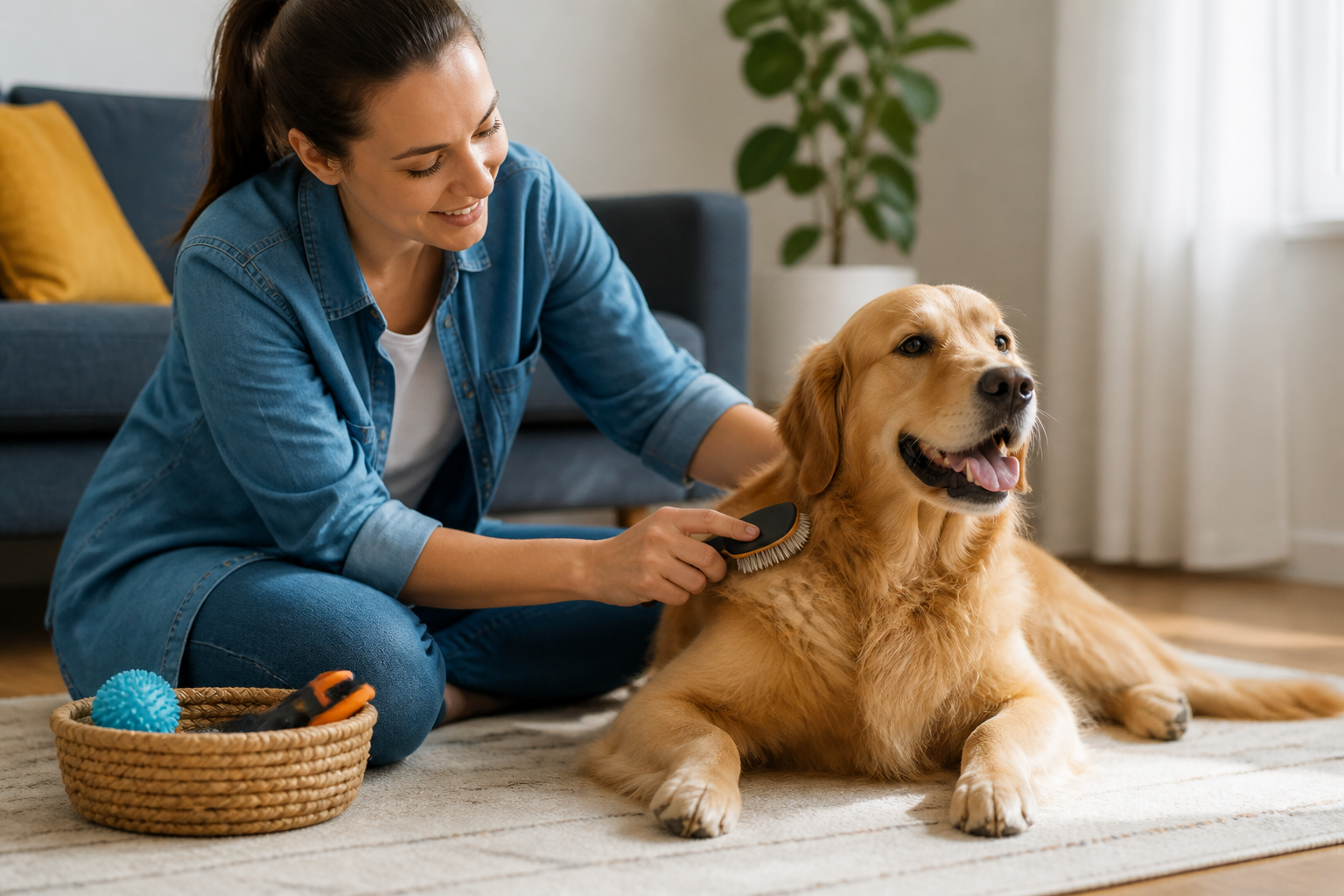
You might notice it when a layer of fur covers your favorite black sweater or when you feel a sudden, stubborn knot behind your dog's ears. Brushing is more than just a way to keep your house clean. It is a fundamental part of your dog's physical health and comfort. At BaxterBoo, we know that every dog brings a different set of grooming challenges to the table. Some dogs need a quick pass with a brush once a week while others require daily attention to prevent painful skin pulling. This post covers exactly how often you should reach for the brush based on your dog's specific coat type, age, and activity level. We will help you build a routine that keeps your pet happy and your furniture fur-free. Understanding your dog's unique needs is the first step toward a healthy coat and a stronger bond.
Understanding Your Dog's Coat Type
The frequency of your brushing routine depends almost entirely on the type of fur your dog grows. A Doberman has very different needs than a Goldendoodle. If you use the wrong schedule, you might end up with a matted mess or an irritated hide.
Short and Smooth Coats
Dogs like Boxers, Great Danes, and Beagles have short hair that sits close to the skin. You might think these dogs do not need brushing at all because their hair does not tangle. However, these breeds still shed. Brushing them once a week is usually enough. This schedule helps remove dead hair before it falls off. It also spreads natural skin oils across the coat to give it a healthy shine.
Medium and Double Coats
Breeds like Labradors, German Shepherds, and Golden Retrievers have a dense undercoat. This layer keeps them warm but sheds heavily. You should aim to brush these dogs two to three times a week. During the spring and fall, they will "blow" their coats. This means the undercoat sheds in large clumps. During these seasonal shifts, you may need to brush them every single day to keep up with the volume of hair.
Long and Silky Coats
Yorkshire Terriers and Afghan Hounds have hair that is more similar to human hair than traditional fur. It grows long and can easily wrap around itself to form mats. These dogs need daily brushing. If you skip even two days, small tangles can quickly turn into tight knots that are difficult to remove without scissors.
Curly and Wire Coats
Poodles, Bichon Frises, and many "Doodle" mixes have hair that traps shed fur instead of letting it fall to the ground. This makes them appear to be non-shedding, but the dead hair is actually stuck inside the curls. You should brush these dogs at least three to four times a week. Wire-haired breeds like Schnauzers also need frequent brushing to keep their coat texture coarse and healthy.
Quick Answer: Most dogs benefit from being brushed at least once a week. However, long-haired or double-coated breeds often require brushing every two to three days, or even daily during heavy shedding seasons, to prevent mats and skin irritation.
The Seasonal Impact on Brushing
Weather changes play a huge role in how much hair ends up on your floor. Most dogs experience a significant shed twice a year. This usually happens when the light changes in the spring and again in the autumn.
In the spring, dogs lose their heavy winter undercoat to make room for a lighter summer version. You will see large tufts of fur sticking out from their sides. This is the time to increase your brushing frequency. If you usually brush twice a week, move to a daily routine for fourteen days.
In the fall, the process reverses. The summer coat sheds so the thick winter fur can grow in. While this shed is often less dramatic than the spring version, it still requires extra attention. Using a dedicated undercoat rake during these times can save you hours of vacuuming later. For more shedding guidance, read about how Australian Shepherds shed.
Key Takeaway: Adjust your grooming schedule based on the thermometer. When the seasons shift, your dog's coat reacts, and your brushing frequency should increase to match the extra shedding.
Why Brushing Frequency Matters for Health
Brushing is a health check in disguise. When you run a brush over your dog's body, you are doing more than just cleaning. You are feeling for anything that does not belong there.
Regular brushing allows you to spot fleas or ticks before they cause a major infestation. It also helps you find new lumps, bumps, or scratches that might be hidden under thick fur. If your dog has dry, flaky skin, regular brushing can help by stimulating the sebaceous glands. This releases natural oils that moisturize the skin.
If you find that your dog’s skin is consistently red or irritated during your grooming sessions, it might be time to look at their overall wellness. Sometimes skin issues are tied to allergies or nutritional gaps. Our pharmacy carries FDA approved medications and prescription pet foods through our partnership with Pet's Choice. These products can help manage chronic skin conditions or allergies that make grooming uncomfortable for your pet. You can explore our dog healthcare collection for additional wellness support.
Vet Tip: If you notice your dog is losing hair in patches or has sores that do not heal, consult your veterinarian. These can be signs of underlying health issues like thyroid problems or severe allergies that require professional diagnosis.
Choosing the Right Tools for the Job
You cannot use a single type of brush for every dog. The tool must match the coat's length and density. Using the wrong brush can be ineffective or even painful for your pet.
- Slicker Brushes: These have fine wire bristles and are great for removing tangles in medium to long hair.
- Bristle Brushes: These are best for short-haired dogs. They remove surface debris and shine the coat.
- Undercoat Rakes: These reach through the top layer to pull out the fuzzy undercoat on breeds like Huskies or Malamutes.
- Rubber Curry Brushes: Tools like the Kong ZoomGroom are perfect for short-haired breeds. They massage the skin and pull away loose fur during baths.
- Metal Combs: These are essential for finishing a grooming session. They help you find tiny knots the brush might have missed.
At BaxterBoo, we carry a wide variety of these tools to ensure you have exactly what you need for your dog's specific fur type. Having the right kit makes the job faster and more enjoyable for both of you. Browse our dog grooming supplies to find brushes, combs, and other grooming essentials.
How to Introduce a Brushing Routine
If your dog runs away when they see the brush, you need to change your approach. Brushing should be a calm, rewarding experience.
Step 1: Let them sniff the brush. / Place the brush on the floor and put a treat on top of it. Let your dog investigate the tool without being touched by it.
Step 2: Do short, gentle strokes. / Start with an area where your dog likes to be petted, such as their back or shoulders. Do two or three strokes and then give a high value treat.
Step 3: Gradually increase the time. / Slowly move to more sensitive areas like the legs, belly, and tail. Keep the sessions under five minutes for the first week.
Step 4: End on a high note. / Always stop while your dog is still behaving well. Give a final treat or play with a favorite toy so they associate the brush with fun.
Key Takeaway: Patience is the most important tool in your grooming kit. Building trust through short, positive sessions will make long-term maintenance much easier.
Managing Mats and Tangles
A mat is not just a knot of hair. It is a cluster of fur that has trapped moisture and dirt against the skin. Mats can become very tight and actually pull on the skin, causing pain every time your dog moves.
If you find a mat, do not pull on it with a brush. This will hurt your dog and make them hate grooming. Instead, try to work it apart with your fingers or a wide-toothed comb. Use a detangling spray to help the hair slide apart. If a mat is too tight or sits right against the skin, do not try to cut it out with scissors. It is very easy to accidentally cut a dog's thin skin. In these cases, a professional groomer or a vet visit is the safest option.
Regular brushing is the only way to prevent these painful knots. Focus on high friction areas like under the collar, behind the ears, and in the armpits. These are the places where mats start most often. For dogs with curly coats, see our guide to grooming curly-haired dogs.
Brushing and Dental Care
While we focus on the coat, brushing the teeth is just as important. Dental health is a major part of your dog's overall wellness. Ideally, you should brush your dog's teeth every day. At a minimum, aim for three times a week.
Just like their skin, a dog's mouth can hide health problems. If you notice extremely bad breath or bleeding gums while brushing, it is time for a checkup. Our pharmacy offers dental health supports and prescription diets that can help manage plaque and tartar buildup. For additional guidance, read these pet dental care tips.
Bottom line: A complete grooming routine includes both the fur and the teeth to ensure your dog stays healthy from head to toe.
Benefits of Frequent Brushing for Seniors
As dogs age, their grooming needs often change. Senior dogs may have thinner skin or may suffer from arthritis, making it harder for them to stand for long grooming sessions.
You might need to brush your senior dog more frequently but for shorter periods. This keeps their coat from matting without causing them physical exhaustion. Be very gentle around their joints. Older dogs can also develop fatty tumors or skin tags. Brushing often helps you monitor these growths so you can report any changes in size or texture to your vet.
If your senior dog is struggling with mobility, we offer various supports in our medical and mobility section. Keeping them comfortable during grooming is essential for their quality of life.
Training Puppies for the Brush
The best time to start a grooming schedule is the day you bring your puppy home. Even if they do not have much hair yet, they need to get used to the feeling of the tools.
Start by using a soft bristle brush. It feels like a gentle massage. Handle their paws, ears, and tail frequently. This desensitizes them to being touched in sensitive areas. When they eventually go to a professional groomer, they will be much calmer. Puppies have short attention spans, so keep your sessions to just a minute or two.
Common Brushing Mistakes to Avoid
Many owners make the same few mistakes when they start a grooming routine. Avoid these to keep your dog's coat in top shape.
- Brushing only the top layer: This is common with double-coated dogs. The brush looks like it is working, but the undercoat is still a matted mess underneath.
- Brushing a wet dog: Water can actually make some mats tighter. Always brush your dog before a bath unless you are using a specific wet-use brush.
- Using too much pressure: You want to reach the skin, but you do not want to scrape it. Light, repetitive strokes are better than heavy ones.
- Skipping the "hidden" spots: Don't forget the tail, the belly, and the back of the legs. These are prime spots for tangles.
Vet Tip: If your dog's coat becomes dull, brittle, or begins to thin, it may be a sign of a nutritional deficiency. Consult your vet about switching to a high quality food or adding a supplement like Cosequin for joint health or Zesty Paws for skin support.
The Role of Nutrition in Coat Health
What goes into your dog's body shows up on their coat. A dog eating a balanced diet with the right fatty acids will have a much easier coat to maintain. Omega-3 and Omega-6 fatty acids are crucial for skin elasticity and fur strength.
If you find that your dog's fur is constantly breaking or feels like straw, look at their food label. Brands like Farmina, Royal Canin, and Orijen focus on high quality proteins and fats that support skin health. If you are considering a change in diet, our Autoship program is a great way to ensure you never run out of the food that keeps your dog's coat shiny.
Summary of Brushing Frequency by Breed Type
| Coat Type | Recommended Frequency | Primary Tool |
|---|---|---|
| Smooth (Boxer, Lab) | Once a week | Bristle brush or rubber curry |
| Double (Husky, Shepherd) | 2-3 times a week | Undercoat rake and slicker |
| Long (Yorkie, Maltese) | Daily | Slicker brush and metal comb |
| Curly (Poodle, Doodle) | 3-4 times a week | Slicker brush and dematting tool |
| Wire (Schnauzer, Terrier) | 2-3 times a week | Slicker brush or stripping comb |
Conclusion
Setting a regular brushing schedule is one of the simplest things you can do to improve your dog's quality of life. Whether you are dealing with the heavy shedding of a Labrador or the fine tangles of a Yorkie, consistency is the key to success. Regular sessions allow you to monitor your pet's health, prevent painful mats, and keep your home cleaner. Remember to keep the experience positive with plenty of treats and praise. The experts here at BaxterBoo are always ready to help you find the right tools for your specific breed.
- Check for mats at least twice a week.
- Increase frequency during seasonal changes.
- Always use tools designed for your dog's specific coat.
- Monitor skin and dental health during every session.
Bottom line: Brushing is a vital health habit that prevents pain, reduces shedding, and strengthens the bond between you and your dog.
If you are noticing skin irritation or persistent itching during your grooming sessions, visit our pet pharmacy. We offer a range of FDA approved flea and tick preventatives and prescription diets to help keep your dog's skin and coat in peak condition.
FAQ
Can I brush my dog too much? It is possible to over-brush if you use too much pressure or use a tool that is too abrasive for your dog's skin. This can cause "brush burn," which is a red, irritated rash. If you notice skin redness, give your dog a break for a few days and use a softer brush or lighter pressure next time.
Should I brush my dog's coat when it is wet or dry? For most coat types, it is best to brush when the fur is completely dry. Water can cause existing tangles to shrink and tighten into hard mats that are nearly impossible to remove. The exception is if you are using a specific detangling conditioner or a brush specifically designed for wet hair during a bath.
How do I get my dog to sit still for brushing? Start with very short sessions and use high value rewards like peanut butter on a silicone lick mat. Focus on one small area at a time rather than trying to do the whole body at once. Over time, your dog will learn that brushing results in a tasty treat and will become more patient.
Do short-haired dogs really need to be brushed? Yes, short-haired dogs benefit greatly from weekly brushing. While they do not get mats, they still shed dead hair and skin cells. Brushing removes this debris and distributes natural skin oils, which prevents dandruff and gives the coat a healthy, glossy appearance.






