
 Save 15% on your 1st Autoship learn more

 Email us
 Live Chat
 FAQs
FAQs





Introduction
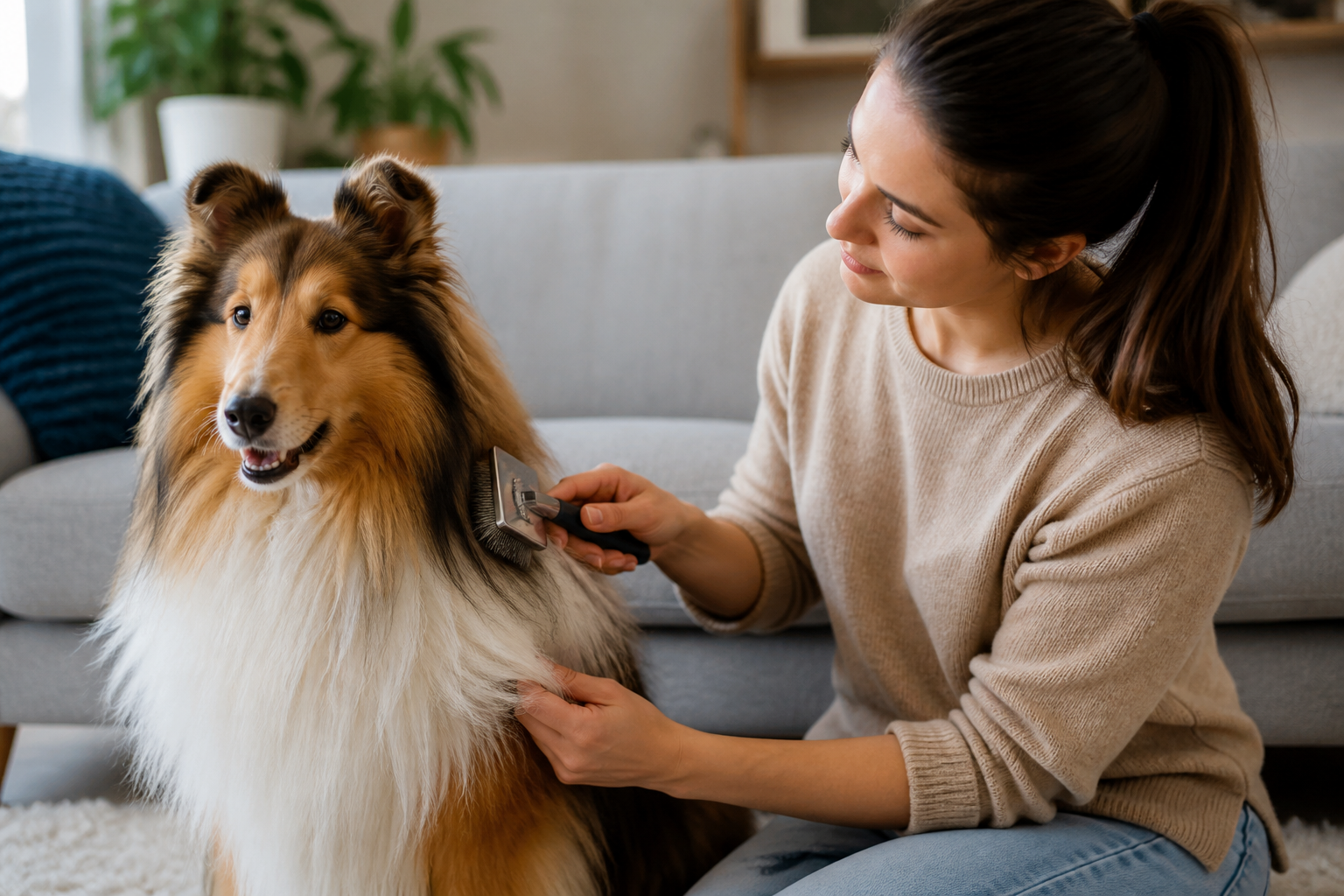
You are running your hands through your dog's luxurious coat when your fingers catch on a hard, tight knot. It feels like a small pebble tucked against the skin. This is the moment every owner of a long-haired breed knows well. At BaxterBoo, we see this struggle often with the beautiful Afghans, Setters, and Doodles that visit our warehouse or order supplies online. Maintaining that flowing mane requires more than just an occasional bath. We want to help you understand the specific needs of long-haired coats to keep your pet comfortable and tangle-free. This article covers the ideal brushing frequency, essential tools, and professional tips for managing long fur. Brushing your long-haired dog daily is the most effective way to prevent painful matting and maintain skin health.
The Daily Standard for Long-Haired Breeds
For most dogs with long coats, the short answer is every single day. While short-haired breeds can get away with a weekly session, long hair is a magnet for trouble. It picks up dried grass, dust, and burrs from the backyard. Even more importantly, long hair traps shed fur. Unlike short-haired dogs whose dead hair falls to the floor, a long-haired dog's shed fur gets caught in the surrounding live strands. This creates the perfect environment for tangles to form.
If you skip even two or three days, those small tangles begin to tighten. They rotate and pull in more hair, eventually forming a mat. Once a mat forms against the skin, it is difficult and often painful to remove. Daily brushing sessions do not have to be long. A quick five to ten minute pass once a day is much easier on your dog than a two-hour marathon session once a week.
Quick Answer: You should brush a long-haired dog once a day. Daily sessions prevent the shed undercoat from tangling with the topcoat and forming painful mats.
Understanding Different Long Hair Types
Not all long hair is created equal. The frequency of your brushing might stay the same, but your technique will change based on the texture of the fur.
Silky Coats
Breeds like Yorkies, Maltese, and Afghan Hounds have silky hair that is very similar to human hair. It is fine and prone to static. These dogs usually lack a thick undercoat, but their hair can still mat easily behind the ears and under the legs. Use a soft slicker brush or a metal comb for these breeds.
Double Coats
Golden Retrievers, Collies, and Newfoundlands have a dense, soft undercoat protected by a longer outer coat. These dogs "blow" their coats twice a year. During these heavy shedding seasons, you may need to brush them multiple times a day to keep up with the volume of fur. For more seasonal shedding guidance, read about managing shedding in double-coated dogs.
Curly and Wavy Coats
Poodles and various "Doodle" mixes have hair that grows in spirals. When this hair sheds, it has nowhere to go. It stays trapped in the curls. Without daily brushing, these dogs can become completely matted in a matter of weeks. This hair type requires a high-quality slicker brush that can reach through the curls to the skin. You can also review this guide to grooming a curly-haired dog.
Key Takeaway: Match your brushing tool to your dog's specific hair texture. Silky hair needs a fine comb, while double or curly coats require brushes that can reach the undercoat.
The Danger of Matting
Matting is not just a cosmetic issue. It is a health concern that can cause significant pain. When hair mats, it pulls tightly against the skin. Every time the dog moves, the mat tugs. This can lead to skin irritation, sores, and even infections.
Mats also trap moisture against the skin. If your dog gets wet in the rain or after a bath, the mat acts like a wet sponge. This creates a breeding ground for bacteria and hot spots. In some cases, mats can become so tight they restrict blood flow to the skin or limbs.
Vet Tip: If you find a mat that is tight against the skin, do not try to cut it out with scissors. It is very easy to accidentally cut the dog's thin skin. If the mat is too tight for a comb, consult a professional groomer or your veterinarian for safe removal.
Essential Tools for the Job
Having the right gear makes the process faster and more enjoyable for your pet. We carry many of these trusted brands at BaxterBoo to help you build a professional-grade kit at home. Browse our dog grooming supplies for brushes, combs, shampoos, and other coat-care essentials.
- Slicker Brush: This is the workhorse of long-hair grooming. It has fine wire bristles that grab loose hair and break up small tangles.
- Metal Greyhound Comb: Use this after the slicker brush. If the comb can pass through the hair from skin to tip without catching, your dog is truly tangle-free.
- Undercoat Rake: For double-coated breeds, this tool pulls out the dead fuzzy hair before it can cause problems.
- Detangling Spray: These sprays provide "slip" to the hair. They make it much easier to work through a knot without pulling on the skin.
Selecting the Right Brush
Look for brushes with protected tips if your dog has sensitive skin. Brands like Safari and Kong offer options that are effective yet gentle. A good brush should feel comfortable in your hand since you will be using it daily. The Master Grooming Tools Self-Cleaning Slicker Brush is one option designed to remove loose hair, dirt, debris, mats, and tangles.
Techniques for Stress-Free Brushing
Brushing should be a bonding experience, not a chore your dog fears. Start when they are puppies to get them used to the feeling of the tools. If you have an adult dog who dislikes grooming, start with very short sessions and plenty of high-value treats.
Line Brushing
This is the gold standard technique for long-haired dogs. Start at the bottom of a leg or the tail. Lift the hair up with one hand and brush the hair downward with the other. This ensures you are brushing all the way to the skin rather than just sliding over the top of the coat.
The High-Tangle Zones
Pay extra attention to these areas where mats frequently hide:
- Behind the ears.
- The "armpits" of the front legs.
- The groin area.
- The back of the thighs (the "pants").
- Where the collar or harness sits.
Key Takeaway: Use the line brushing technique to ensure you reach the skin. Focus on high-friction areas like the armpits and behind the ears where mats form first.
Bathing and Skin Health
While brushing is a daily task, bathing should happen every four to six weeks for most long-haired dogs. Bathing too often can strip the natural oils from the skin, leading to dryness and itching.
Always brush your dog thoroughly before a bath. Water acts like glue on tangles. If you put a matted dog in the tub, those mats will tighten and become almost impossible to remove once they dry. For additional bathing guidance, see these dos and don'ts for bathing your dog.
Our pharmacy carries FDA-approved medicated shampoos and treatments for dogs with persistent skin allergies or irritations through our partnership with Pet's Choice. If you notice your dog's skin is red, flaky, or has a strong odor during your daily brushing, it may be time for a veterinary consult. Proper skin health is the foundation of a beautiful coat.
Nutrition and Coat Quality
What goes into your dog is just as important as the brushes you use on the outside. A dull, brittle coat that tangles easily can sometimes be a sign of nutritional gaps. Omega-3 and Omega-6 fatty acids are essential for maintaining the elasticity of the hair and the moisture of the skin.
Consider high-quality foods from brands like Farmina, Zesty Paws supplements, or Stella and Chewy's to support coat health. When the hair is strong and healthy, it is less likely to break and form the rough edges that lead to tangles. You can explore our selection of Stella & Chewy's products as part of your pet-care routine.
Signs of Good Coat Health
- A natural shine or sheen.
- Hair that feels soft rather than brittle.
- Minimal skin flaking.
- A "clean" scent without a heavy oily odor.
When to See a Professional
Even with daily brushing, most long-haired dogs benefit from seeing a professional groomer every six to eight weeks. Professionals have high-velocity dryers that can blow out the dead undercoat more effectively than a brush alone. They can also provide "sanitary trims" to keep the underside of your dog clean and trim the hair between the paw pads.
Regular professional visits also include nail trimming and ear cleaning. If you hear your dog's nails clicking on the floor, it is time for a trim. Long nails can change how a dog walks and eventually cause joint pain.
Bottom line: Daily home brushing keeps the coat manageable, but professional grooming every few months handles the deep cleaning and structural trims your dog needs.
Seasonal Brushing Adjustments
Your routine may change slightly with the weather. In the winter, long hair can trap snowballs that melt and cause tangles. In the summer, your dog may pick up more burrs or spend more time swimming.
If your dog swims often, you must brush them every time they dry off. Chlorine or pond water can make the hair feel "tacky," which leads to instant matting. Always rinse your dog with fresh water after a swim and follow up with a detangling spray and a thorough brush-through.
Summer Grooming Myths
Many owners think they should shave their long-haired dog in the summer to keep them cool. For double-coated breeds, this is actually counterproductive. The coat provides insulation against the heat just as it does against the cold. Shaving can also ruin the texture of the coat when it grows back. Stick to frequent brushing to remove the insulating undercoat instead.
Managing the Mess
Daily brushing means a lot of loose fur in your home. To keep things tidy, try to brush your dog in the same spot every day. A utility room or a porch works well. You can also use a grooming glove for a quick cleanup of loose surface hair between deeper sessions.
Joining a program like MVP Rewards can help you save on the brushes, sprays, and vacuums needed to keep a long-haired household running smoothly. We also offer Autoship options for your favorite shampoos and conditioners so you never run out right before bath day. Learn more about our Autoship programme before setting up recurring deliveries.
The Full Grooming Checklist
To keep your long-haired dog in peak condition, follow this routine:
- Daily: A 5-10 minute brush-through with a slicker brush and comb.
- Weekly: Check ears for redness or odor and check nail length.
- Monthly: A full bath with high-quality dog shampoo and conditioner.
- Quarterly: A visit to a professional groomer for a full "works" session.
Conclusion
Brushing a long-haired dog is a commitment, but the reward is a beautiful, healthy, and comfortable companion. By sticking to a daily schedule, you prevent the pain of matting and catch potential skin issues early. Remember to use the right tools for your dog's specific hair type and always brush before getting the coat wet. We are here to support your grooming journey at BaxterBoo with expert-curated supplies and a pharmacy for your pet's skin health needs.
Key Takeaway: Consistency is more important than duration. Five minutes of daily brushing is better than an hour once a week.
Check out our collection of brushes, combs, and detangling sprays to get started on your daily routine.
FAQ
Can I skip daily brushing if my dog’s hair doesn't look tangled?
Even if the top layer looks smooth, tangles usually start near the skin where you cannot see them. Daily brushing ensures you reach those hidden areas and remove shed hair before it has a chance to knot. By the time you can see a tangle on the surface, it is often already a tight mat.
What should I do if I find a very large mat?
Start by applying a detangling spray or a small amount of cornstarch to the mat to help the hairs slide. Use a metal comb to gently pick at the edges of the mat furthest from the skin, working slowly toward the center. If the mat is tight against the skin and does not budge, do not use scissors; take your dog to a professional groomer who can safely shave the mat out.
Does my dog's diet really affect how often I need to brush?
Yes, nutrition plays a significant role in coat texture and shedding. A diet rich in essential fatty acids helps keep the hair shafts smooth and strong, which makes them less likely to hook onto each other and form tangles. Dogs with poor nutrition often have brittle hair that mats much faster than a healthy, well-nourished coat.
How do I get my dog to sit still for daily brushing?
Start with very short sessions, even just thirty seconds, and pair the brush with a favorite treat. Focus on one small area at a time and give lots of praise. Over time, your dog will associate the brush with positive attention and tasty rewards, making the process much easier for both of you.






