
 Save 15% on your 1st Autoship learn more

 Email us
 Live Chat
 FAQs
FAQs





Introduction
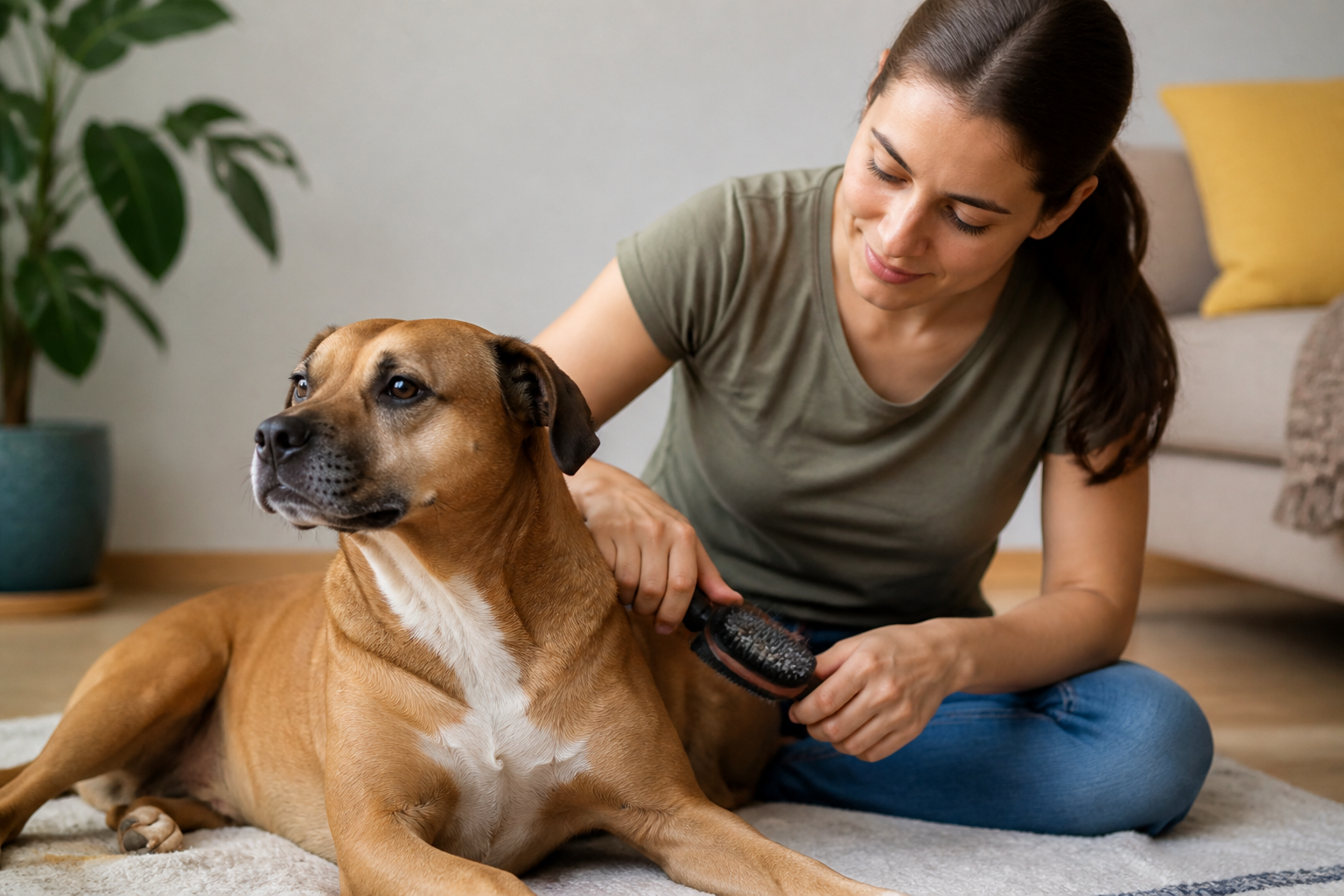
Many pet owners choose short-haired breeds because they assume the grooming routine will be effortless. You might have brought home a Boxer or a Beagle thinking you could skip the daily brushing sessions required by a Poodle. While short coats do not mat or tangle like long fur, they come with their own set of needs. At BaxterBoo, we see many owners surprised by how much a "low maintenance" dog can shed on the furniture. Brushing is not just about aesthetics. It is a vital part of skin health and a great way to bond with your pet. This guide will explain the ideal frequency for brushing short coats and the best tools to use. You will learn how to manage seasonal shedding and keep your dog comfortable year-round.
The Reality of Short-Haired Shedding
It is a common mistake to equate hair length with shedding volume. Some of the most prolific shedders in the dog world actually have very short hair. Breeds like Labradors and Pugs are famous for leaving a layer of "dog glitter" on every surface they touch. This happens because short hairs have a faster life cycle. They grow, die, and fall out much quicker than the long, silky hair of a Yorkie.
Brushing a short-haired dog serves two primary purposes. First, it captures dead hair before it lands on your rug. Second, it moves natural skin oils across the coat. These oils act as a built-in conditioner. Without regular brushing, these oils can sit at the base of the hair. This can lead to a dull appearance or even skin irritation.
Quick Answer: Most short haired dogs benefit from brushing two to three times per week. Dogs with thick undercoats or those prone to heavy shedding may require daily attention to keep your home hair-free.
Determining Your Dog’s Specific Schedule
Not all short coats are created equal. To set a schedule, you first need to identify which type of short coat your dog has. Most fall into two categories: smooth coats and double coats.
Smooth Single Coats
Smooth-coated dogs like Boxers, Greyhounds, and Weimaraners have hair that lies very flat against the skin. They lack a fuzzy undercoat. These dogs are the easiest to maintain. Brushing them once or twice a week is usually plenty. The goal here is mostly oil distribution and removing light surface dust.
Short Double Coats
Dogs like Labradors, Beagles, and German Shorthaired Pointers have a dense undercoat. This layer provides insulation. These breeds shed significantly more than single-coated dogs. If you have a double-coated breed, aim for three to four brushing sessions per week. During the spring and fall, you might find that daily brushing is the only way to manage the volume of fur.
Wiry Short Coats
Some Terriers have short hair that feels coarse or "wiry." While these dogs do not shed as much as a Lab, their hair can trap dirt and debris. Brushing them twice a week helps keep the coat clean and prevents the skin from becoming itchy.
Key Takeaway: Assess the density of your dog's coat rather than just the length. Higher density and the presence of an undercoat always mean more frequent brushing is required.
Essential Tools for Short Hair
Using the wrong brush can make grooming unpleasant for your dog. Because their skin is closer to the surface, sharp metal pins can be painful. You need tools designed to grab short hairs without scratching the skin.
- Rubber Curry Brushes: These are the gold standard for short hair. Tools like the KONG Zoom Groom Natural Rubber Dog Grooming Brush use soft rubber nubs to grab loose fur like a magnet. They also provide a gentle massage that most dogs love.
- Grooming Gloves: These are perfect for dogs that are nervous about traditional brushes. You simply pet your dog as usual, and the rubberized palm collects the loose hair.
- Bristle Brushes: A brush with soft, natural bristles is excellent for the final "polish." It helps flatten the hair and distribute oils for a high-gloss shine.
- Flea Combs: Even if your dog is on a preventive, a fine-toothed comb is useful. It can pull out stubborn loose hairs from the tail and back legs where fur is often thicker.
At BaxterBoo, we recommend starting with a rubber brush to loosen the hair and finishing with a soft bristle brush. This combination ensures you remove the bulk of the shedding hair while leaving the coat looking its best. Explore our dog brushes and combs to compare tools for different coat types.
Step-by-Step Brushing Technique
Brushing a short-haired dog is straightforward, but a few professional tricks can make it more effective.
Step 1: Start with a dry coat. / While some people use a damp cloth to help hair stick, it is usually easier to see what you are doing when the fur is dry.
Step 2: Brush in the direction of hair growth. / Work from the neck down toward the tail. Moving against the grain can be uncomfortable for some dogs and may cause skin irritation.
Step 3: Use circular motions with rubber tools. / If you are using a curry brush, small circles help loosen the hair from the undercoat. Switch back to long strokes to sweep the hair away.
Step 4: Check the "high-traffic" areas. / Pay extra attention to the chest, the back of the thighs, and the base of the tail. These areas usually hold the most loose fur.
Step 5: Finish with a wipe-down. / Use a slightly damp microfiber cloth or a grooming wipe to pick up any tiny hairs left on the surface.
Vet Tip: Use grooming time to perform a "body scan." Run your hands over your dog to feel for new lumps, bumps, or skin redness. If you notice persistent itching, hair loss, or sores, consult your veterinarian to rule out allergies or skin infections.
Managing Seasonal Shedding
Most short-haired dogs go through a heavy shedding period twice a year. This is often called "blowing the coat." It usually happens in the spring as the winter coat falls out and again in the fall to make room for thicker fur.
During these weeks, your normal routine will not be enough. You may need to brush your dog every single day. Using a de-shedding tool designed for short hair can be helpful here. Be careful not to over-use these tools in one spot, as you can cause "brush burn" on the skin.
If your dog's shedding seems excessive or happens year-round without a break, it might be related to their diet. High-quality foods from brands like Farmina or Royal Canin are formulated with omega fatty acids that support skin and coat health. We carry many of these premium options in our dog food selection.
Bathing and Skin Care
Bathing is a partner to brushing. For most short-haired dogs, a bath every six to eight weeks is sufficient. Over-bathing can actually cause more shedding by drying out the skin. When you do bathe them, use a rubber brush while they are covered in suds. This helps lift hair that is deep in the follicle.
For additional guidance, read our tips for bathing your dog without stripping natural oils.
If your dog has sensitive skin or chronic allergies, your vet might prescribe a medicated shampoo. Our dog skin and coat care collection includes grooming and skin-care products for ongoing needs.
Bottom line: A consistent brushing routine reduces the need for frequent baths and keeps your dog's skin healthy.
The Benefits of Early Training
If you have a new puppy, start brushing them immediately. Even if they do not have much hair to lose yet, the goal is habituation. Use plenty of treats and keep the sessions short.
A dog that enjoys being brushed is much easier to manage as an adult. It also makes professional grooming visits or vet exams less stressful. If your dog is older and dislikes grooming, try using a grooming glove. The sensation feels like a regular petting session, which can lower their anxiety.
Keeping Your Home Hair-Free
Even with a perfect brushing schedule, some hair will still find its way onto your clothes. Consistency is the best defense. A five-minute brush every other day is more effective than a thirty-minute session once a month.
Pair your brushing routine with regular laundry of your dog's bedding. This prevents hair from accumulating and being redistributed onto your dog's clean coat. If you find the shedding is still too much to handle, consider a de-shedding treatment at a professional groomer once a season. They have high-velocity dryers that can blast out loose hair more effectively than any home brush.
When to See a Professional
While you can handle most short-hair maintenance at home, professional groomers offer services that are hard to replicate. They can perform thorough ear cleanings and precise nail trims. Most short-haired dogs should have their nails trimmed every three to four weeks. If you can hear their nails clicking on the floor, they are too long.
Groomers also check the anal glands and can alert you if they seem full or irritated. If your dog is scooting or has a strong odor, it is time for a professional check-up or a vet visit.
Summary of Brushing Best Practices
Caring for a short-haired dog is simpler than caring for a long-haired one, but it is not a "zero-work" task. By staying on top of a weekly schedule, you keep your pet comfortable and your home cleaner.
- Brush smooth coats 1-2 times per week.
- Brush double-coated short hair 3-4 times per week.
- Use rubber tools like curry brushes for the best results.
- Always brush in the direction of hair growth.
- Monitor skin health during every session.
Conclusion
A healthy coat starts with regular maintenance and the right tools. Brushing your short-haired dog is a simple way to improve their quality of life while keeping your living space tidy. Whether you are managing a heavy-shedding Lab or a sleek Boxer, a consistent routine makes all the difference. We invite you to explore our dog grooming supplies to find the perfect tools for your dog's specific coat type. If your dog needs specialized care for skin conditions or allergies, our pet pharmacy is here to help with prescription solutions. Our MVP Rewards program also makes it easy to earn points on every grooming tool and treat you buy.
FAQ
Can I use a slicker brush on a short haired dog?
You can use a slicker brush, but you must be very gentle. The metal pins can easily scratch the skin of a dog with a thin, short coat. It is generally safer and more effective to use a rubber curry brush or a soft bristle brush for these breeds.
Why is my short haired dog shedding so much?
Excessive shedding can be caused by seasonal changes, stress, or a lack of certain nutrients in the diet. It can also be a sign of skin allergies or parasites like fleas. If the shedding is accompanied by bald spots or redness, you should consult your veterinarian for a diagnosis.
Do short haired dogs need to be brushed in the winter?
Yes, you should continue brushing your dog throughout the winter. While they may not be "blowing their coat" like they do in the spring, they still produce dead hair and skin oils. Brushing also helps you check for dry, flaky skin which is common during the colder months when indoor heaters are running.
How do I get my dog to sit still for brushing?
Start with very short sessions and use high-value treats to create a positive association. Focus on one small area at a time, like the shoulder, before moving to more sensitive areas like the belly or legs. Using a grooming glove can also help as it mimics the feel of a calm petting session.






