
 Save 15% on your 1st Autoship learn more

 Email us
 Live Chat
 FAQs
FAQs





Introduction
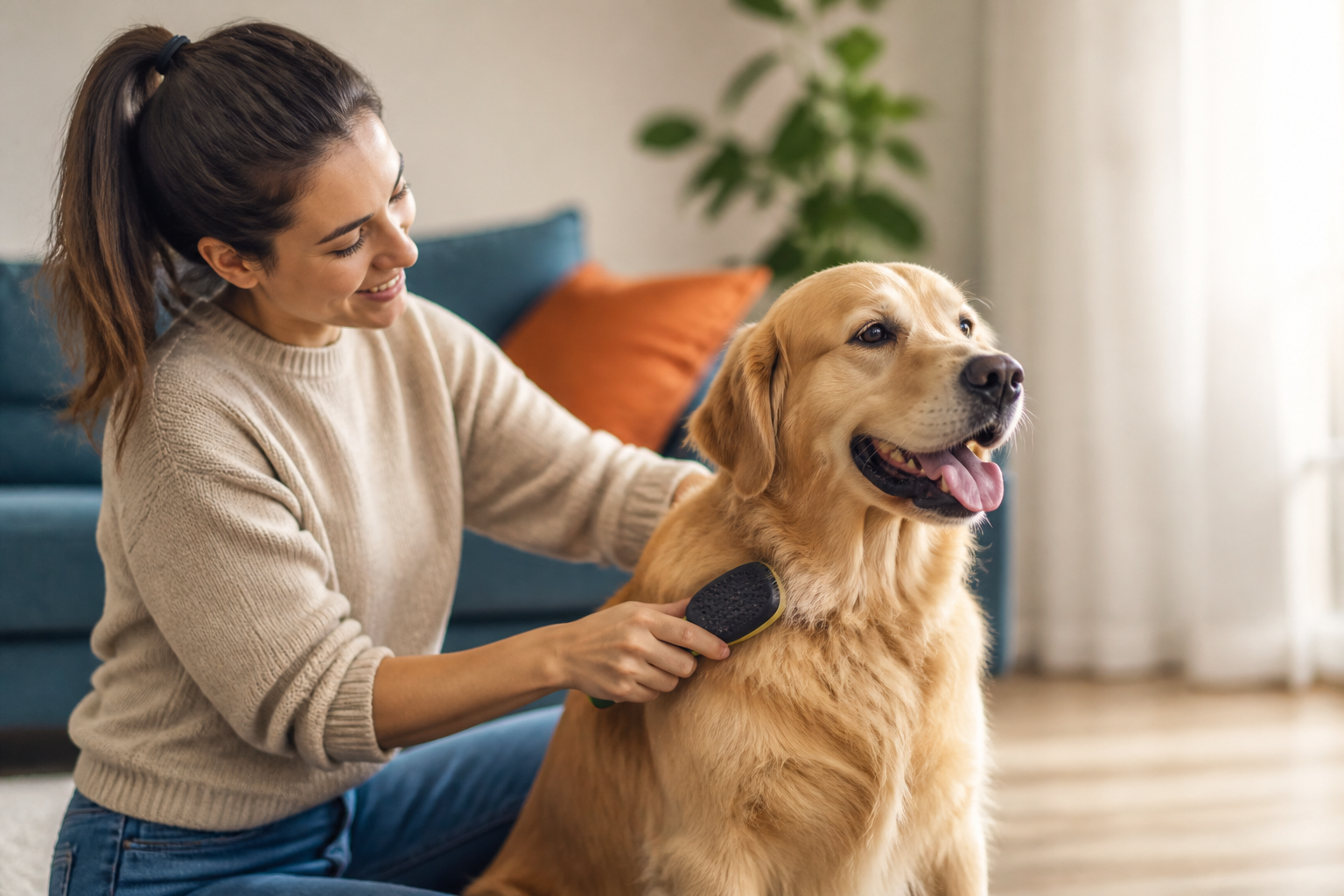
You finally sit down on the sofa after a long day only to realize your favorite black sweater is now covered in white fluff. Or perhaps you are giving your pup a belly rub and your fingers catch on a hard, painful knot behind their ear. These are the moments when every dog owner asks the same question: how often should I really be doing this? At BaxterBoo, we talk to pet parents every day who are trying to balance a busy schedule with the grooming needs of their furry best friends. Brushing is not just about keeping your furniture clean or making your dog look like a show champion. It is a fundamental part of their physical health and comfort. This post covers exactly how often to brush based on coat type and how to make the process easier for everyone.
Quick Answer: Most dogs benefit from brushing at least two to three times per week to remove loose hair and distribute skin oils. However, long-haired or curly-coated breeds often require daily attention to prevent painful mats, while short-haired breeds can sometimes go a week between sessions.
Why Brushing Matters for More Than Just Looks
Brushing is the foundation of your dog's hygiene routine. It does far more than just remove the hair that would otherwise end up on your rug. When you run a brush through your dog's coat, you are stimulating the skin and moving natural oils from the base of the hair down the entire strand. This keeps the coat shiny and provides a natural barrier against moisture and dirt.
Beyond the aesthetic benefits, regular brushing is a vital health check. It gives you a chance to look for unusual lumps, skin redness, or hidden parasites like ticks. Many owners discover skin issues early simply because they were consistent with their grooming routine. If you notice persistent redness, odd bumps, or signs of discomfort during brushing, it is time to consult your veterinarian. Our pharmacy carries a variety of medicated shampoos and skin treatments that your vet might recommend for these situations.
Key Takeaway: Brushing is a multi-purpose tool that manages shedding, improves skin health, and serves as a regular early-warning system for potential medical issues.
Frequency Guidelines Based on Coat Type
Every dog is different, and their hair type is the biggest factor in determining your schedule. A smooth-coated Boxer has very different needs compared to a thick-coated Alaskan Malamute. We carry over 500 brands to ensure we have the right tools for every single one of these coat varieties.
Short and Smooth Coats
Dogs like Labradors, Beagles, and Boxers have hair that stays close to the skin. You might think they do not need much work, but these breeds can be heavy shedders.
- How often: Once a week.
- Goal: Remove dead hair and distribute oils.
- Tools: A rubber curry brush or a soft bristle brush.
Double Coats
Breeds like Golden Retrievers, German Shepherds, and Huskies have a soft, insulating undercoat and a tougher outer layer. They "blow" their coats twice a year, which means a massive amount of shedding.
- How often: Two to three times per week during normal times; daily during shedding season.
- Goal: Reach the undercoat to pull out dead hair before it mats.
- Tools: An undercoat rake and a slicker brush.
Long or Silky Coats
Yorkshire Terriers, Havanese, and Afghan Hounds have hair that grows continuously. This hair is fine and tangles almost instantly if left alone.
- How often: Daily.
- Goal: Prevent tangles and maintain length.
- Tools: A metal comb and a pin brush.
Curly and Wavy Coats
Poodles and various "Doodle" mixes have hair that traps shed fur within the curls. If you do not brush this out, the trapped hair creates tight mats against the skin.
- How often: Daily or every other day.
- Goal: Prevent "pelting," where the hair mats into a solid layer.
- Tools: A high-quality slicker brush and a metal greyhound comb.
Wire Coats
Terriers like the Airedale or Schnauzer have a rough, wiry outer coat. These usually require a specific type of maintenance to keep the texture correct.
- How often: Two to three times per week.
- Goal: Remove the dead "blown" hair from the follicle.
- Tools: A slicker brush and a stripping comb.
| Coat Type | Recommended Frequency | Primary Tool Needed |
|---|---|---|
| Smooth/Short | 1x Weekly | Rubber Curry Brush |
| Double Coat | 2-3x Weekly | Undercoat Rake |
| Long/Silky | Daily | Pin Brush & Metal Comb |
| Curly/Wavy | Daily | Slicker Brush |
| Wire Coat | 2-3x Weekly | Striking Comb/Slicker |
The Dangers of Neglecting the Brush
When brushing is skipped, the primary consequence is matting. Mats are not just messy tangles: they are a health hazard. As hair twists together, it pulls tight against the skin. This can cause bruising and make it painful for your dog to move their ears, legs, or tail.
Furthermore, mats trap moisture against the skin. This create a perfect environment for bacterial infections or "hot spots" to develop. You might not even see the irritation until the mat is removed. In severe cases, the skin underneath can become raw or even necrotic because the airflow is completely cut off.
Vet Tip: If your dog has severe matting that reaches the skin, do not try to cut it out with scissors. It is very easy to accidentally cut the skin, which is often pulled up into the mat. Consult a professional groomer or your vet to have the mats safely shaved off.
Selecting the Right Tools
Using the wrong brush can make the job harder and may even irritate your dog's skin. At BaxterBoo, we handpick our dog grooming supplies to ensure they are effective and safe. You want tools that feel comfortable in your hand and gentle on your pet.
The Slicker Brush
This is a rectangular brush with fine wire bristles. It is the workhorse of the grooming world. It is excellent for removing loose hair and breaking up small tangles. It works well for double coats, curly coats, and long-haired breeds.
The Undercoat Rake
These have long, metal tines designed to reach through the topcoat and pull out the fuzzy undercoat. If you have a Husky or a Golden Retriever, this tool is non-negotiable. It prevents that "snowstorm" of fur in your house.
The Rubber Curry Brush
Commonly known as the Kong ZoomGroom, these are perfect for short-haired dogs. The rubber nubs massage the skin and act like a magnet for short, prickly hairs. It is also a great tool to use during bath time.
The Metal Comb
Often called a "Greyhound Comb," this tool is for finishing. After you think you have brushed everything, run the comb through the hair. If it catches, you still have a tangle to work on. It is essential for curly and silky coats.
Bottom line: Matching the tool to the coat type makes grooming faster for you and more comfortable for your dog.
Step-by-Step: How to Brush Effectively
Brushing is more than just a quick swipe over the back. To get the most out of your routine, follow these steps to ensure you are reaching the skin and removing all the debris.
Step 1: Perform a quick touch-test. / Use your hands to feel for any large knots or sensitive areas before you start with a tool. This helps you identify spots that need extra care.
Step 2: Apply a detangling spray. / For dogs with longer hair, a light mist of conditioning spray can reduce friction. This prevents the hair from breaking and makes the process much smoother.
Step 3: Work in sections. / Start at the bottom of the leg and work your way up. Brushing in small sections ensures you do not miss the "hidden" areas like the armpits and behind the ears.
Step 4: Use the "line brushing" technique. / For thick coats, pull the hair up with one hand and brush the hair downward with the other. This ensures you are reaching the skin rather than just sliding over the top layer.
Step 5: Finish with a metal comb. / Run the comb through the entire coat. If it glides through without snagging, you are finished.
- Check armpits, belly, and behind ears (the "friction zones").
- Always brush in the direction of hair growth.
- Reward your dog with treats throughout the session.
- Keep sessions short if your dog is anxious.
Seasonal Changes and Shedding
Most dogs go through seasonal shedding cycles. In the spring, they drop their heavy winter undercoat to stay cool. In the fall, they shed their lighter summer coat to make room for thicker insulation. During these transitions, you will need to increase your brushing frequency regardless of the coat type.
A dog that normally needs brushing twice a week might need a daily session for fourteen days straight during a "coat blow." If you find that the shedding is excessive or accompanied by bald spots, this could indicate a nutritional deficiency or an underlying health condition. We often suggest looking at high-quality foods from brands like Farmina or Open Farm to support skin health from the inside out. If the skin looks flaky or inflamed during these times, our pharmacy can provide prescription-strength support with a vet's authorization.
Preparing for the Bath
A common mistake is putting a matted dog into the bathtub. Water acts like a glue for tangles. When a mat gets wet and then air-dries, it shrinks and tightens, making it nearly impossible to remove without clippers.
Always perform a thorough brush-out before the bath. Remove as much loose hair and as many tangles as possible while the coat is dry. This allows the shampoo to actually reach the skin and do its job. After the bath, once the dog is dry, do another quick pass with the brush to catch any hair that loosened up during the washing process.
For more bath-time guidance, see our tips on bathing your dog.
Key Takeaway: Never bathe a matted dog; always brush thoroughly before getting the coat wet to prevent knots from tightening.
Grooming as a Bonding Experience
Brushing should not be a chore that your dog fears. When started early and done gently, it becomes a relaxing bonding activity. It lowers stress levels for both the pet and the owner. If your dog is nervous, start with just thirty seconds of brushing followed by a high-value treat. Gradually increase the time as they become more comfortable.
We find that many owners have success using calming supplements or treats from brands like Zesty Paws or Honest Paws if their dog is particularly anxious about grooming. Over time, the routine of sitting together and the rhythmic motion of the brush can become something your dog looks forward to.
When to See a Professional
Even with a perfect home routine, most dogs benefit from seeing a professional groomer periodically. Professionals have high-velocity dryers that can blow out dead undercoat that a home brush simply cannot reach. They also handle the "messy" jobs like nail trimming, ear cleaning, and anal gland expression.
If you have a breed like a Poodle, Shih Tzu, or Bichon Frise, a professional haircut is necessary every four to eight weeks. Home brushing keeps them comfortable between those appointments, but it does not replace the need for a professional trim.
Vet Tip: Regular grooming visits are also helpful for monitoring ear health. If your groomer notices a foul odor or excessive dark discharge in the ears, schedule a vet visit. Ear infections can be painful and may require prescription drops from our pharmacy to clear up completely.
Skin Health and the BaxterBoo Pharmacy
While brushing is a physical process, the health of the coat starts beneath the surface. Many dogs suffer from seasonal allergies or skin sensitivities that make their coat dull or prone to breakage. If your dog is constantly itching or has "hot spots," no amount of brushing will solve the root cause.
Our dog skin and coat care category provides products for maintaining your pet's grooming routine and supporting overall coat care. Maintaining a parasite-free coat is essential for a good grooming experience. If your dog is scratching due to fleas, they will likely be too irritable for a long brushing session. Using a consistent preventive like NexGard or Frontline, which we carry, ensures the skin remains healthy and calm.
Bottom line: A healthy coat is a combination of regular external brushing and proper internal health management.
Summary of Frequency by Breed Examples
If you are still unsure where your dog fits, look at these common examples. Most households fall into one of these categories.
- Labrador/Beagle: Once a week with a rubber brush to manage the constant "needle" hair shedding.
- Golden Retriever/Aussie: Three times a week with a rake to prevent the fuzzy "tumbleweeds" from forming.
- Poodle/Doodle: Daily with a slicker brush and comb. These are the highest-maintenance coats.
- Yorkie/Shih Tzu: Daily if the coat is long; every other day if they are kept in a short "puppy cut."
- Boxer/Doberman: Once a week to keep the skin oily and the coat shiny.
Conclusion
Brushing your dog is a simple act that yields massive benefits for their comfort and your home's cleanliness. Whether you are dealing with the heavy shedding of a double-coated breed or the intricate curls of a Poodle, consistency is the key to success. By setting a regular schedule and using the right tools from our dog brushes and combs collection, you turn a potential struggle into a moment of connection. Remember that the coat is a reflection of overall health, so keep an eye on the skin and consult your vet for any persistent issues. Our pharmacy and wide range of supplements are always here to support your pet's wellness journey.
- Brush short coats weekly to manage shedding.
- Brush long or curly coats daily to prevent painful mats.
- Always brush before bathing to avoid tightening knots.
- Use grooming time to check for lumps, bumps, and parasites.
- Reward your dog to make the experience positive for both of you.
Key Takeaway: A regular brushing routine is the best way to prevent painful matting and keep your dog's skin healthy. For the best results, pair your grooming routine with our Autoship program to ensure you never run out of the shampoos, treats, and supplements that keep your dog's coat in peak condition.
FAQ
Can I brush my dog too much?
It is rare to brush too much, but you can be too rough. If you use a firm slicker brush or an undercoat rake with too much pressure, you can cause "brush burn," which is skin irritation. Always use a light hand and check the skin for redness as you work.
What should I do if my dog hates being brushed?
Start with very short sessions and use plenty of rewards. Let them sniff the brush first. You can also try a grooming glove, which feels more like petting, to help them get used to the sensation before moving to a standard brush or comb.
Why does my dog still shed so much even though I brush them?
Brushing removes dead hair, but it does not stop the natural growth cycle. Some breeds are simply prolific shedders. If the shedding seems excessive, check their diet and ensure they are on a high-quality food with Omega fatty acids, or consult your vet to rule out hormonal issues.
Do I need to brush my dog if they have a very short "puppy cut"?
Yes, though the frequency can be reduced. Even with short hair, brushing stimulates the skin and removes dirt. For dogs with short haircuts, brushing twice a week is usually enough to keep the skin healthy and prevent any small tangles from starting.






