
 Save 15% on your 1st Autoship learn more

 Email us
 Live Chat
 FAQs
FAQs





Introduction
You might notice it when you see a tumbleweed of fur rolling across your hardwood floor or when you find a stubborn knot tucked behind your dog’s ear. Maintaining a dog’s coat is one of those daily rhythms that can feel like a chore until you see the results of a shiny, healthy pet. At BaxterBoo, we believe that grooming is about more than just looking good for the neighborhood walk. It is a vital part of your dog’s overall wellness and comfort. This post covers exactly how frequently you should reach for the brush based on your dog's specific coat type, the best tools for the job, and how to make the process easier for both of you. Regular brushing is the first line of defense against skin issues and excessive shedding.
The Impact of Coat Type on Brushing Frequency
The most important factor in deciding how often to brush your dog is the type of hair they have. A sleek Greyhound has vastly different needs than a fluffy Old English Sheepdog. If you brush too often, you might irritate the skin. If you brush too little, you risk painful matting that requires a professional to shave off.
Short and Smooth Coats
Short-haired breeds like Beagles, Boxers, and Labradors are often seen as low maintenance. While they do not get tangles or mats, they still shed. Brushing these dogs once a week is usually plenty. This session helps distribute natural oils across the skin, which keeps the coat glossy and healthy. It also allows you to catch loose fur before it ends up on your furniture.
Medium and Double Coats
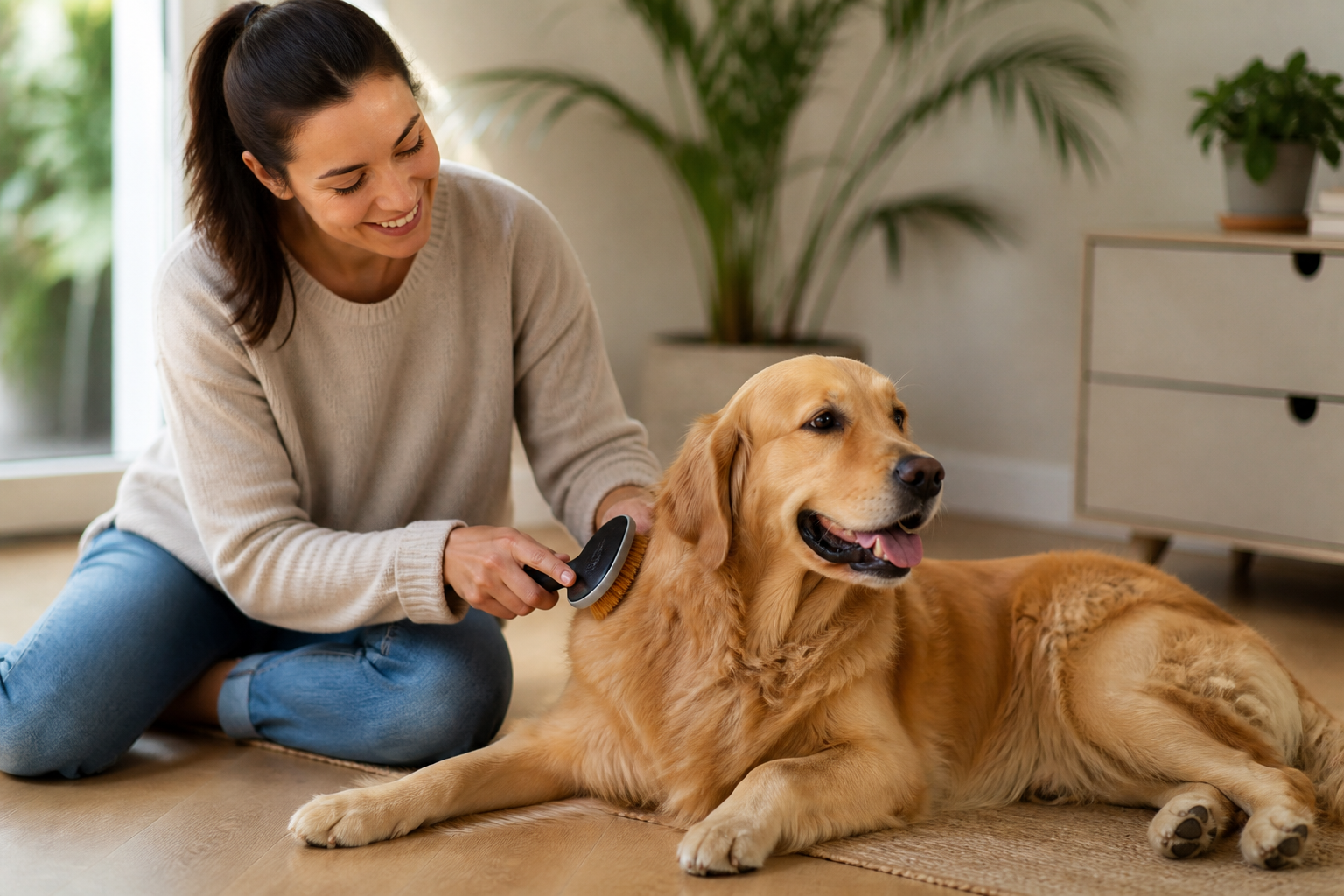
Dogs with double coats, such as Golden Retrievers, German Shepherds, and Huskies, require a bit more dedication. These dogs have a soft undercoat for insulation and a tougher outer coat. You should aim to brush these breeds two to three times a week. During "blowing coat" season in the spring and fall, you may need to brush them daily to manage the sheer volume of fur they lose. For another look at managing seasonal shedding, read how Australian Shepherds shed and how grooming can help.
Long or Silky Coats
Breeds like Yorkies, Shih Tzus, and Malteses have hair that is very similar to human hair. It grows continuously and tangles easily. For these dogs, daily brushing is the gold standard. Even skipping two days can lead to small knots that quickly turn into tight mats near the skin.
Wire and Curly Coats
Wire-haired breeds like Terriers or curly-coated dogs like Poodles and Doodles have unique requirements. Wire coats should be brushed two or three times a week to keep the texture right. Curly coats are prone to trapping shed hair within the curls, which leads to massive matting. You should brush these dogs every day or at least every other day to keep the curls separated and clean. Our guide to grooming curly-haired dogs offers additional brushing and detangling guidance.
Quick Answer: Most dogs benefit from brushing two to three times per week. Short-haired breeds can often go a week between sessions, while long-haired or curly-coated dogs usually require daily attention to prevent mats.
Why Regular Brushing Is Non-Negotiable
Brushing is not just about aesthetics. When you run a brush through your dog's fur, you are performing a mini health check. It is the best time to look for hidden lumps, bumps, or skin irritations that might otherwise go unnoticed under a thick coat.
Regular sessions also help with temperature regulation. A matted coat traps heat and moisture against the skin, which can cause "hot spots" or bacterial infections. By keeping the fur separated and free of dead undercoat, you allow air to reach the skin. This keeps your dog cooler in the summer and warmer in the winter.
Brushing also reduces the amount of dander and allergens in your home. For owners with mild allergies, keeping the dog’s coat clean and brushed can make a significant difference in indoor air quality. It also minimizes the need for frequent baths, which can sometimes dry out a dog's skin. For additional coat-care products, explore our dog skin and coat care category.
Choosing the Right Tools for the Job
Using the wrong brush can make grooming uncomfortable for your dog and frustrating for you. We recommend having a small kit tailored to your dog's specific needs. Our team at BaxterBoo handpicks tools that are durable and effective for various hair textures. Browse our dog brushes and combs to compare options for different coat types.
| Coat Type | Recommended Tool | Purpose |
|---|---|---|
| Short / Smooth | Rubber Curry Brush | Removes loose hair and massages skin |
| Double Coat | Undercoat Rake | Reaches through the top layer to pull out dead fluff |
| Long / Silky | Pin Brush | Gently detangles without breaking long strands |
| Curly / Mats | Slicker Brush | Fine wire bristles that grab knots and loose fur |
| All Types | Metal Greyhound Comb | The final check to ensure no tiny knots remain |
Key Takeaway: The right tool makes the job faster and more comfortable for the dog. Always finish with a metal comb to ensure you have reached the skin and cleared all tangles.
Step-by-Step Brushing Technique
If your dog is not a fan of grooming, the way you approach the session matters. You want to create a calm environment where the dog feels safe rather than restrained.
Step 1: Check for sensitivity. / Run your hands over your dog's body to check for any sore spots, ticks, or burrs before you start with a metal tool.
Step 2: Start with the easy areas. / Begin brushing the back and sides where the dog is less sensitive. Use long, gentle strokes in the direction of hair growth.
Step 3: Tackle the "friction zones." / Move to the areas most prone to matting, such as behind the ears, under the armpits, and around the tail. These areas require a gentler touch.
Step 4: Use a "pat and pull" method for knots. / If you find a knot, do not yank it. Hold the base of the hair near the skin so you don't pull the skin, and gently pick at the knot with a slicker brush or comb. A dematting tool from our grooming collection can help with difficult tangles.
Step 5: Reward and praise. / Give your dog a high-value treat during and after the session. This builds a positive association with the brush.
Vet Tip: If you find a mat that is tight against the skin, do not try to cut it out with scissors. Dogs have very thin skin that can easily be nipped. Use a dedicated dematting tool or consult a professional groomer for safe removal.
Seasonal Brushing Adjustments
Your brushing routine should change with the weather. Most dogs experience a significant shed twice a year. During these times, your "once a week" routine for a Labrador might need to jump to three times a week.
In the winter, long-haired dogs often pick up salt, ice, and mud. You may need to brush more frequently to remove these irritants before they cause skin dryness. In the summer, brushing helps remove grass seeds and foxtails that can embed themselves in the fur and eventually work their way into the skin, causing serious injury.
Managing Shedding Through Nutrition and Care
While brushing is the primary way to manage fur, what goes into your dog matters just as much. A coat that is brittle, dry, or shedding excessively might be a sign of a nutritional gap. High-quality fats, like Omega-3 and Omega-6 fatty acids, are essential for skin elasticity and coat strength.
We carry several premium food brands that focus on skin and coat health. If your dog has persistent skin issues despite regular brushing, it might be time to look at their diet or potential allergies. Through our pet pharmacy, we also offer prescription diets and medications through our partnership with Pet's Choice for dogs with diagnosed skin conditions or chronic allergies.
Bottom line: Brushing handles the hair that has already died, but good nutrition ensures the new hair grows in strong and healthy.
When Brushing Reveals a Health Issue
Sometimes, you will notice things during a grooming session that require a professional opinion. Brushing is the perfect time to check for fleas and ticks, especially in the warmer months. Look for "flea dirt," which looks like small black pepper flakes on the skin.
If you notice red, inflamed skin, a strange odor, or bald patches, these are signs that your dog needs to see a veterinarian. Our pharmacy provides FDA-approved flea and tick preventives that can help keep these pests away in the first place. You can also review our flea and tick collection for grooming and prevention supplies. Always consult your vet if you notice a sudden change in your dog's coat texture or an unexplained increase in shedding. For more information about tick checks and removal, read our guide to black ticks on dogs.
Making Brushing a Habit
Consistency is the hardest part of grooming. To make it easier, try to tie brushing to another daily activity. You could brush your dog while you watch the evening news or right after your final walk of the day.
For puppies, start with very short sessions of just thirty seconds. Touch their paws, ears, and tail with the brush without actually grooming. This gets them used to the sensation before they have a full coat to manage. For senior dogs, be mindful of their joints. They may need to lie down while you brush them, and you should be extra careful around bony areas like the hips and spine.
Key Takeaway: Five minutes of brushing every day is much more effective and less stressful for the dog than one hour of brushing once a month.
FAQ
What should I do if my dog hates being brushed?
Start by letting your dog sniff the brush and giving them a treat. Gradually progress to one or two strokes followed by a reward. Using a lick mat smeared with peanut butter can provide a great distraction while you work on their coat.
Can I brush my dog's coat when it is wet?
It is generally better to brush your dog before a bath. Water can actually tighten existing knots and mats, making them much harder to remove once the hair dries. Always ensure the coat is fully detangled before getting it wet unless you are using a specific wet-brushing tool.
Is it possible to brush a dog too much?
Yes, over-brushing can cause "brush burn," which is skin irritation caused by the bristles scraping the skin repeatedly. This is especially common with slicker brushes and metal combs. Always use light pressure and stop if the skin looks pink or irritated.
Do short-haired dogs really need to be brushed?
Yes, because brushing removes dead skin cells and distributes natural oils. Even though they do not get mats, regular brushing significantly reduces the amount of hair they shed on your clothes and carpets. It also keeps their skin healthy and less prone to flaking.
Bottom line: A consistent brushing routine tailored to your dog's coat type is the simplest way to keep their skin healthy and your home cleaner.
Visit our dog grooming category to find the perfect brushes, combs, and deshedding tools for your dog’s unique coat.






