
 Save 15% on your 1st Autoship learn more

 Email us
 Live Chat
 FAQs
FAQs





Introduction
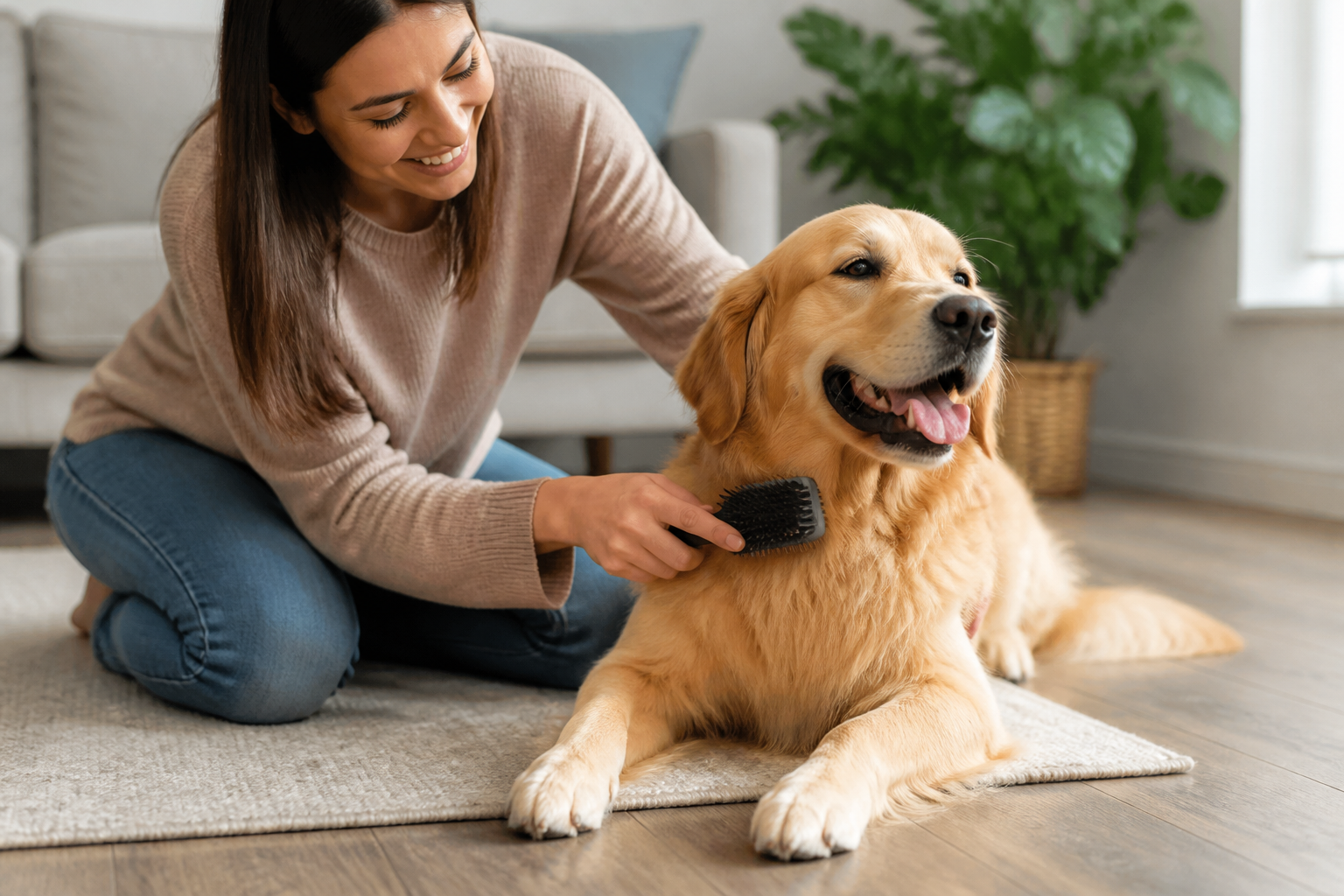
You might be sitting on the sofa when you notice a small tumbleweed of hair rolling across the floor. Or perhaps you run your hand down your dog's side and feel a hard, painful knot starting to form behind their ear. At BaxterBoo, we know that brushing your dog is about more than just keeping your house clean. It is a vital health check that keeps your dog's skin breathing and their coat insulated against the weather. This post covers exactly how often you should reach for the brush based on your dog's specific coat type and lifestyle. You will learn the best tools for the job and how to turn grooming into a positive bonding experience. Establishing a consistent routine is the best way to prevent painful mats and keep your pet comfortable through every season.
Quick Answer: Most dogs benefit from brushing at least once a week to remove dirt and distribute skin oils. However, dogs with long, silky, or curly coats usually require daily brushing to prevent painful tangles and mats from forming.
Why Regular Brushing is Essential for Health
Brushing is the foundation of good hygiene for any dog. It does more than just remove loose hair that would otherwise end up on your furniture. When you brush your dog, you are actively stimulating the skin and promoting better blood circulation. This process helps distribute natural oils across the hair shaft, which gives the coat that healthy, glossy shine we all love.
Brushing also acts as a primary defense against skin issues. As you move the brush through the fur, you get a close look at what is happening underneath the surface. You might spot a small lump, a patch of redness, or the first sign of a flea infestation. Early detection of these issues makes them much easier to manage. If you do notice persistent scratching or skin irritation during your grooming sessions, explore our dog skin and coat care selection.
Regular maintenance also helps your dog regulate their body temperature. A coat that is clogged with dead hair and dirt cannot trap heat effectively in the winter or allow skin to breathe in the summer. Keeping the fur clear of debris ensures the coat can do its job as a natural insulator.
Key Takeaway: Brushing is a functional health check that improves circulation, distributes oils, and allows you to catch skin or parasite issues before they become serious.
Brushing Frequency for Different Coat Types
Not all dog fur is created equal. A Greyhound has very different needs than a Poodle or a Golden Retriever. Understanding which category your dog falls into will help you set a schedule that prevents mats without overworking the skin.
Smooth and Short Coats
Dogs like Boxers, Chihuahuas, and Great Danes have smooth, short coats. These are the easiest to maintain, but they still require attention. You should aim to brush these dogs once a week. While they do not get mats, they do shed fine hairs that can irritate their skin if left to sit. A rubber curry brush or a soft bristle brush is perfect for this job.
Short and Dense Coats
Labradors and many Hound breeds have short but very dense fur. These dogs are often heavy shedders. Brushing once or twice a week is usually sufficient to keep the loose hair under control. During the heavy shedding seasons of spring and fall, you may want to increase this to three times a week. Using a slicker brush can help pull out that deep, dead hair before it falls out on your carpet.
Double Coats
Huskies, German Shepherds, and Newfoundlands have a soft undercoat protected by a coarser outer coat. These dogs need a lot of maintenance. You should brush double coated dogs at least two to three times a week. If you skip too many sessions, the undercoat can become packed against the skin. This is known as "pelting," and it can be very painful for the dog.
Long or Silky Coats
Yorkshire Terriers, Spaniels, and Collies have hair that continues to grow or is very fine and prone to tangling. These breeds require daily brushing. Even one day of intense play in the yard can lead to knots in the "feathers" around their legs or tail. If you cannot commit to daily brushing, keeping their coat trimmed shorter can help make the workload more manageable.
Curly and Wire Coats
Poodles, Doodles, and many Terriers have coats that trap loose hair instead of letting it fall to the ground. While this is great for your allergies, it is tough on the dog's skin. The loose hair gets caught in the curls and creates mats almost instantly. These dogs need daily brushing with a slicker brush and a metal comb to ensure you are reaching the skin.
Vet Tip: If you find that your dog's skin is consistently dry, flaky, or red despite regular brushing, consult your veterinarian. They may recommend a prescription diet or a specific medicated shampoo from our pharmacy to address underlying allergies or sensitivities.
Choosing the Right Tools for the Job
Using the wrong brush can be ineffective or even painful for your dog. At BaxterBoo, we see many owners who try to use a standard human hairbrush on their pets. Pet fur has a different texture and density, so specialized tools are necessary for the best results. Browse our dog brushes and combs to find tools for different coat types.
- Slicker Brushes: These have fine wire bristles that are slightly angled. They are the best all around tool for removing mats and tangles in medium to long hair.
- Bristle Brushes: These are best for short haired or smooth coated dogs. They help remove surface dirt and shine the coat.
- Undercoat Rakes: These tools have long, wide spaced teeth designed to reach through the topcoat and pull out the loose undercoat. They are essential for heavy shedders like Huskies.
- Rubber Curry Brushes: These are great for short haired dogs. They massage the skin and pull away loose hair while being very gentle.
- Metal Combs: Often called "greyhound combs," these are used after brushing to check for any remaining small knots. If the comb snagging, you still have work to do.
How to Brush Your Dog Step by Step
If your dog is not used to being groomed, you need to take things slowly. Forcing a dog to stay still while you pull at tangles will only make them fear the brush in the future.
Step 1: Inspect the coat. / Run your hands over your dog's body to feel for any large mats, burrs, or sensitive spots before you start with a tool.
Step 2: Apply a detangling spray. / If your dog has long hair, a light mist of conditioning spray can help the brush glide through without breaking the hair.
Step 3: Brush in sections. / Start at the head and move toward the tail. Work on one small area at a time rather than doing long, sweeping strokes over the whole body.
Step 4: Use the "line brushing" technique. / For thick coats, push the hair up with one hand and brush the hair downward from the skin out. This ensures you are not just brushing the top layer.
Step 5: Reward and praise. / Give your dog treats throughout the process. Using a lick mat with a little peanut butter can keep them distracted and happy while you work.
Bottom line: Using the correct tools and a calm, section by section approach makes brushing more effective and less stressful for your dog.
Managing the Seasonal Blow Out
Twice a year, many dogs go through a heavy shedding period known as "blowing their coat." This usually happens in the spring as they lose their heavy winter undercoat and in the fall as they prepare for new growth. During these weeks, your brushing frequency needs to increase significantly.
Even a short haired dog may need daily brushing during a seasonal transition. For double coated breeds, you might find yourself brushing out bags of fur every single day. This is a normal biological process. However, if you notice bald patches or the skin looks raw, it is time to visit the vet. Excessive hair loss can sometimes point to hormonal imbalances or nutritional deficiencies.
We offer an Autoship program for many of our grooming supplies and supplements. This ensures you always have fresh brushes, de-shedding tools, and skin support chews on hand before the heavy shedding season begins. Plus, Autoship customers get a free MVP Gold membership for even better rewards.
Grooming for Different Life Stages
A dog's grooming needs change as they age. Puppies need to be introduced to the brush early, even if they do not have much hair yet. This is the "socialization" phase of grooming. Touch their paws, ears, and tail frequently so they are comfortable with being handled.
Senior dogs often have thinner skin and may develop fatty lumps or bumps. You must be much gentler with the brush as they age. They may also suffer from arthritis, making it uncomfortable for them to stand for long grooming sessions. You can break their grooming into five minute sessions throughout the day to keep them comfortable.
If your senior dog has mobility issues that make grooming difficult, our Medical & Mobility section includes items that can help. Sometimes, a joint supplement like Cosequin can make it easier for them to stand or sit comfortably during their weekly brush out.
Skin Health and the Role of Nutrition
What goes into your dog's body shows up on their coat. If your dog has a dull, brittle coat or itchy skin, it might be time to look at their food. High quality proteins and Omega-3 fatty acids are the building blocks of healthy fur.
Brands like Farmina, Open Farm, and Stella and Chewy's focus on nutrient dense ingredients that support skin health. If your vet suspects a food allergy is causing skin issues, they may prescribe a specific limited ingredient or prescription diet. Through our partnership with Pet's Choice, we can help fulfill those prescription food orders to get your dog's coat back on track.
Key Takeaway: A healthy coat starts from the inside out, and proper nutrition combined with regular brushing is the best recipe for a shiny, itch free pet.
Handling Dogs That Dislike Brushing
Not every dog loves the feeling of a brush. Some may have had a bad experience where a mat was pulled too hard, while others are simply sensitive to touch. If your dog hides when they see the brush, you need to rebuild that trust.
Start by leaving the brush on the floor near their food bowl so they associate it with something positive. Once they are comfortable with the object, try touching them with the back of the brush while giving them a high value treat. Slowly work up to one or two actual brush strokes.
For very anxious dogs, you might consider calming aids. We carry a range of anxiety and calming products, from hemp chews to weighted vests, that can help take the edge off during grooming time. Remember, the goal is a relaxed dog, not a perfectly groomed one. It is okay if it takes a few weeks to get through a full brushing session.
- Keep sessions short (3-5 minutes)
- Use high-value treats like freeze-dried liver
- Avoid sensitive areas like the belly and paws until they are relaxed
- Never scold or punish a dog for being nervous
Summary of Brushing Best Practices
Maintaining your dog's fur does not have to be a chore. When you stay on top of the schedule, it becomes a quick and easy part of your weekly routine.
- Check your dog's coat type to determine if they need daily or weekly sessions.
- Always use tools designed for pets, never human brushes.
- Brush before bathing, as water can make mats much tighter and harder to remove.
- Use brushing time to check for fleas, ticks, and skin abnormalities.
- Keep the experience positive with plenty of treats and praise.
By following these guidelines, you are doing more than just keeping your dog pretty. You are ensuring they are free from the pain of mats and protected against skin irritations. If you ever find a skin issue that requires more than just a brush, remember that BaxterBoo offers a full range of health and wellness products to support your pet's journey.
Bottom line: Consistent brushing based on coat type is the most effective way to maintain your dog's health and minimize shedding in your home.
FAQ
Can I brush my dog too often?
You generally cannot brush a dog too often as long as you are using the correct tools and a gentle hand. However, if you use a harsh brush like a slicker brush with too much pressure, you can cause "brush burn," which is a skin irritation. Always watch the skin for signs of redness and stop if your dog seems uncomfortable.
Should I brush my dog's fur when it is wet or dry?
It is almost always better to brush your dog when their fur is completely dry. When hair is wet, it becomes more elastic and prone to breakage. Additionally, if your dog has any existing mats or tangles, water will cause the hair fibers to swell and tighten the knot, making it much more difficult and painful to remove later. For additional bathing guidance, read these dog bathing dos and don'ts.
What should I do if I find a large mat that won't brush out?
If you encounter a mat that is too tight to brush through, do not try to pull it out forcefully, as this can tear the dog's skin. You can try using a specialized mat splitting tool or a small amount of cornstarch to help loosen the fibers. If the mat is tight against the skin, it is safest to have a professional groomer or a vet clip it out to avoid accidental cuts.
How do I know if my dog is shedding excessively?
While all dogs shed, excessive shedding that results in bald spots, symmetrical hair loss, or very thin patches is not normal. This can be a sign of stress, poor nutrition, or an underlying medical condition like a thyroid issue. If you notice a sudden change in the amount of hair your dog is losing, or if the skin underneath looks red or scaly, schedule a visit with your veterinarian. For more seasonal shedding guidance, read how Australian Shepherds shed.






