
 Save 15% on your 1st Autoship learn more

 Email us
 Live Chat
 FAQs
FAQs





Introduction
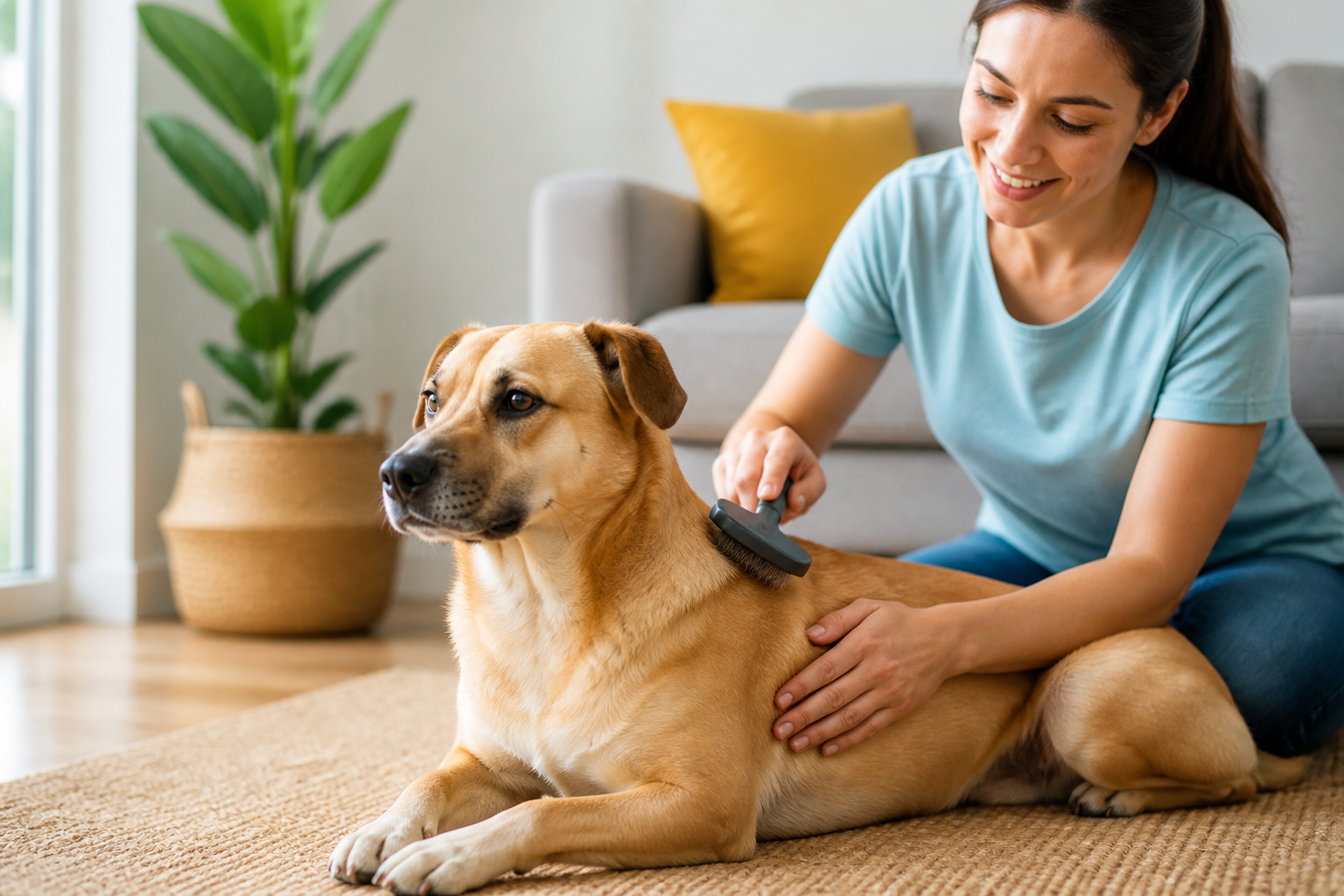
You might think owning a short-haired dog means you can retire the brush and forget about grooming. Then you notice those tiny, stiff hairs stuck deep in your sofa fabric or your favorite black leggings. Even dogs with smooth coats lose fur and produce skin oils that need management. At BaxterBoo, we know that short-haired dogs require a different approach than their fluffy counterparts. This post covers the ideal brushing frequency for smooth coats and the best tools for the job. We also look at how regular grooming keeps your dog’s skin healthy and your home cleaner. Brushing is more than a beauty routine. It is a vital part of your dog’s overall wellness and skin health.
Quick Answer: Most short-haired dogs should be brushed one to three times per week. Dogs with thick undercoats or heavy shedding cycles may benefit from daily brushing. This routine removes loose hair and distributes natural skin oils across the coat.
Understanding the Short-Haired Coat
Not all short-haired dogs are the same. Some have a single layer of fur that lies very flat against the skin. Others have a dense undercoat that hides beneath a short top layer. Identifying which type your dog has will change how often you reach for the brush.
Smooth Single Coats
Breeds like Boxers, Greyhounds, and Doberman Pinschers have very little undercoat. Their fur is sleek and fine. These dogs do not tangle or mat. However, they still shed tiny hairs that can be difficult to remove from furniture. Because their skin is so close to the surface, you must be careful not to use sharp or harsh tools.
Short Double Coats
Labrador Retrievers and Pugs are classic examples of short-haired dogs with thick undercoats. These dogs shed significantly more than single-coated breeds. They often have a "blown coat" season twice a year. During these times, the amount of fur they lose can be surprising. Brushing these dogs requires tools that can reach past the top layer to pull out the dead undercoat.
Wiry Short Coats
Some Terriers have short but wiry hair. This hair is often tougher and more weather resistant. These dogs may need more frequent brushing to prevent the coat from feeling gritty or looking dull. Brushing helps move the oils from the skin down the hair shaft. This keeps the wiry texture healthy rather than brittle.
Key Takeaway: Identify if your dog has a single or double coat. Double-coated short-haired breeds require more frequent brushing to manage the heavy volume of shedding.
How Often to Brush Your Short-Haired Dog
The general rule is to brush a short-haired dog at least once a week. This frequency works well for dogs with low-shedding single coats. If you notice a lot of "needle" hairs on your clothes, you should increase this to three times a week.
For double-coated breeds, brushing every other day is often necessary. This prevents the undercoat from building up and falling out all over your house. During the spring and fall, many owners find that daily brushing is the only way to stay ahead of the shedding.
The Role of Skin Oils
Brushing is not just about hair removal. It is also about skin health. Dogs produce natural oils that protect their skin and give the coat a healthy shine. When you brush, you act as a distributor for these oils. If you never brush, these oils can sit on the skin and cause a greasy feel or even a "doggy" odor. Weekly brushing ensures these oils are spread evenly.
Benefits of Frequent Brushing
- Reduces the amount of fur on furniture and clothing.
- Distributes natural oils for a shiny, healthy coat.
- Allows you to check for lumps, bumps, or skin irritations.
- Helps identify fleas or ticks early.
- Strengthens the bond between you and your dog.
Vet Tip: Use grooming time as a health check. Look for redness, flakes, or unusual spots on the skin. If you notice persistent itching or hair loss, consult your veterinarian to rule out allergies or skin infections.
Essential Tools for Short-Haired Dogs
Using the wrong brush can be painful for a short-haired dog. Since they lack a thick cushion of fur, metal pins can easily scratch their skin. You need tools designed specifically for smooth or short coats, such as those in our dog brushes and combs collection.
Rubber Curry Brushes
The rubber curry brush is the gold standard for short-haired breeds. These tools have soft rubber nubs that massage the skin. They are excellent at pulling loose hair out of the coat while feeling like a massage to the dog. You can use them in a circular motion to loosen the fur.
Bristle Brushes
A natural bristle brush is perfect for finishing. The bristles are packed tightly and work well to smooth the coat. They are especially good at picking up fine dust and dander. This tool is best for the final step to give your dog that signature shine.
Grooming Gloves
If your dog is nervous about traditional brushes, grooming gloves are a great alternative. These are worn like a regular glove but have rubber nodes on the palm. You simply pet your dog as usual. The glove traps the loose hair. This is a low-stress way to manage shedding for sensitive dogs.
Flea Combs
A fine-toothed flea comb is not just for parasites. It can be a very effective tool for removing loose hair from the face and legs. These areas have very thin fur where larger brushes might be too bulky.
- Rubber Curry: Best for de-shedding and massaging.
- Soft Bristle: Best for shine and removing dust.
- Grooming Glove: Best for nervous dogs.
- Flea Comb: Best for detailed work on legs and face.
Step-by-Step Brushing Routine
Establishing a routine makes the process easier for both you and your dog. It ensures you do not miss any spots. It also helps your dog learn to stand still and enjoy the attention.
Step 1: Start with a Massage
Use a rubber curry brush in circular motions all over the body. Start at the neck and move toward the tail. This motion loosens the dead hair and stimulates blood flow to the skin. Most dogs find this part very relaxing.
Step 2: Brush with the Grain
Switch to a bristle brush or a grooming glove. Always brush in the direction the hair grows. Brushing against the grain can be uncomfortable and may cause the hair to break. Cover the back, sides, and belly.
Step 3: Handle the Legs and Tail
Short-haired dogs often have very little padding on their legs. Be very gentle in these areas. Use a soft brush or a flea comb to remove loose hair from the lower legs and the base of the tail.
Step 4: Inspect the Skin
As you brush, part the hair to look at the skin. Check for any signs of redness or dry flakes. This is also the best time to look for ticks if your dog has been outside in wooded areas.
Step 5: Reward Your Pet
End every session with a small treat or a favorite toy. You want your dog to associate the brush with a positive experience. This makes future grooming sessions much easier.
Bottom line: A consistent 10 minute routine once or twice a week is more effective than one long session once a month.
Managing Seasonal Shedding
Even though the hair is short, seasonal shedding can be intense. This usually happens in the spring as the winter coat drops and in the fall as the summer coat changes. During these times, you will see a significant increase in fur around the house.
You may need to brush your dog daily during these peak weeks. If the shedding seems excessive or you see bald patches, it might be more than just a seasonal change. Some dogs struggle with skin health due to environmental factors. Our pharmacy at BaxterBoo offers a variety of solutions for skin health through our partnership with Pet's Choice. This includes prescription diets and medications for dogs with chronic skin issues.
Diet and the Coat
What goes into your dog's body shows up on the outside. A diet rich in Omega fatty acids can help reduce excessive shedding. If the skin is dry and the hair is brittle, the dog may need a supplement or a different food formula. High-quality proteins are essential for hair growth. Since hair is made of protein, a deficiency will lead to a dull and thinning coat.
Bathing and Brushing
Bathing a short-haired dog too often can actually cause more shedding. Over-washing strips the skin of the oils we want to preserve. Most short-haired dogs only need a bath every six to twelve weeks. Brushing is a better way to keep them clean between baths. For additional bath-care guidance, see our article on dos and don'ts for bathing your dog.
The Pre-Bath Brush
Always brush your dog before putting them in the tub. This removes the bulk of the loose hair so it does not clog your drain. It also allows the shampoo to reach the skin more effectively. A rubber brush is very helpful during the bath to work the suds into the coat.
The Post-Bath Shine
Once your dog is dry, give them another quick brush. The water and soap will have loosened even more hair. Brushing a dry coat after a bath helps reset the hair and ensures a smooth finish.
When to See a Veterinarian
While most shedding is normal, some skin conditions require professional help. If your dog has short hair, it is very easy to spot issues. You should contact your vet if you notice any of the following:
- Symmetrical hair loss on both sides of the body.
- Open sores or hot spots.
- Intense itching that interrupts sleep or play.
- A strong, foul odor that remains after a bath.
- Thick, scaly skin or black spots.
Many of these issues are related to allergies or underlying health conditions. Your vet may prescribe medicated shampoos or specific treatments. We carry FDA-approved medications and prescription pet foods at the BaxterBoo pharmacy. These products are designed to support dogs with chronic skin conditions and ongoing health needs. Getting a professional diagnosis ensures you are treating the right problem.
Vet Tip: If your dog's skin looks inflamed or if they are constantly licking a specific spot, do not try to fix it with a brush. A vet visit is necessary to check for infections or allergies that may require medication.
Common Myths About Short-Haired Dogs
There are several misconceptions about grooming dogs with short coats. These myths often lead to owners neglecting the coat or using the wrong methods.
Myth 1: Short-Haired Dogs Don't Shed
This is the most common lie in pet ownership. Some short-haired dogs shed more than long-haired ones. The difference is the length of the hair. Short hairs are often like tiny needles. They weave themselves into upholstery and are very hard to vacuum.
Myth 2: You Can Use a Human Brush
Human hair is very different from dog fur. Our brushes are often too harsh for the sensitive skin of a short-haired breed. Metal or hard plastic bristles can cause "brush burn," which is a painful skin irritation. Always use tools designed for pets.
Myth 3: Shaving Helps with Heat
You should never shave a short-haired dog. Their coat acts as insulation. It keeps them warm in the winter and protects them from sunburn and heat in the summer. Shaving can permanently damage the texture of the coat and leave the skin vulnerable.
Brushing and Bonding
Grooming is one of the best ways to build trust with your dog. In the wild, animals groom each other as a sign of social bonding. When you take the time to brush your dog, you are communicating care.
For a short-haired dog, the physical contact of a rubber brush or grooming glove is very soothing. It mimics the feeling of being petted. If you keep the sessions short and positive, your dog will eventually look forward to it. This makes it easier for you to handle them during other tasks, like nail trimming or ear cleaning.
Why Quality Tools Matter
Using high-quality tools makes a difference in how much hair you actually remove. Cheap brushes often have sharp edges or flimsy bristles that do not grab the hair well. At BaxterBoo, we carry over 500 trusted brands. We handpick our grooming supplies to ensure they are effective and safe for your pets.
If you find a brand your dog loves, you can use our Autoship programme. This ensures you always have the grooming wipes or shampoos you need on hand. Plus, you get savings on your first order and a free MVP Gold membership. This makes it easier to keep up with a regular grooming schedule without running out of supplies.
Summary of the Brushing Schedule
To keep it simple, follow this basic guide for your short-haired dog. Adjust based on how much fur you see around your home.
- Low Shedding Breeds: Brush once a week with a rubber curry brush.
- High Shedding/Double Coats: Brush three times a week or daily during shedding season.
- Bath Time: Brush before and after the bath.
- Health Checks: Inspect the skin during every brushing session.
Regular maintenance is the secret to a healthy dog and a clean home. It takes less time to brush your dog for ten minutes than it does to vacuum your entire house every day.
Bottom line: Brushing is a simple, low-cost way to manage shedding and monitor your dog’s skin health.
Conclusion
Brushing your short-haired dog is a fundamental part of responsible pet ownership. While it might seem like a small task, the benefits for skin health and shedding control are significant. By using the right tools and staying consistent, you can keep your dog’s coat shiny and healthy. Remember to watch for any changes in the skin and consult a vet for persistent issues. Our team at BaxterBoo is here to help with all your grooming and health needs. Whether you need a new grooming glove or a prescription diet from our pharmacy, we have the expert-curated selection you can trust.
To get started on your grooming journey, consider these next steps:
- Sign up for MVP Rewards to earn points on your grooming tool purchases.
- Check out our selection of rubber curry brushes and grooming gloves.
- Set up an Autoship for skin and coat supplements to keep that shine year-round.
FAQ
Does brushing a short-haired dog actually reduce shedding?
Yes, regular brushing removes loose hair before it has a chance to fall off onto your furniture. By using a rubber curry brush or grooming glove, you trap the dead fur in the tool. This significantly reduces the amount of hair found around the house and keeps the coat looking sleek.
What is the best brush for a dog with very short hair?
A rubber curry brush or a grooming glove is the best choice for very short hair. These tools are gentle on the skin and highly effective at grabbing fine hairs. Avoid brushes with long metal pins, as these can scratch a dog with a thin coat.
Can I brush my short-haired dog too much?
While you can brush daily, you must be gentle. If you brush too vigorously or use a harsh tool, you can cause skin irritation known as brush burn. If the skin looks red or the dog seems uncomfortable, reduce the frequency or switch to a softer brush like a grooming glove.
Why does my short-haired dog have dry skin even though I brush them?
Dry skin can be caused by various factors, including low humidity, over-bathing, or a lack of essential fatty acids in the diet. While brushing helps distribute oils, it cannot fix an internal deficiency. If the dryness persists, consult your vet about a skin-supporting diet or supplements from our pharmacy.






